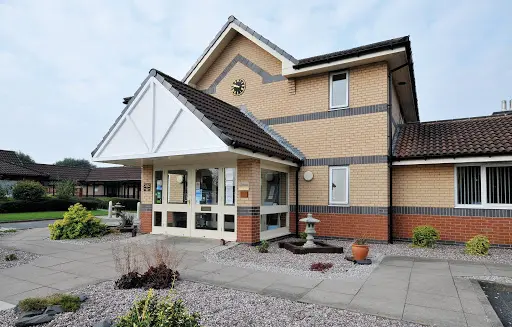
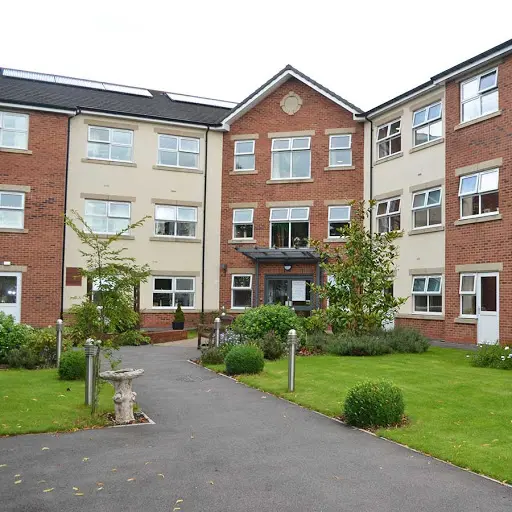
Ainsdale Court Nursing and Residential Home
At a Glance
The information you need to decide whether this home warrants a closer look.
Nursing homes
Staff warmth score
of reviewers answered yes
Good to know
- Registered beds46
- SpecialismsCaring for adults over 65 yrs, Caring for adults under 65 yrs, Dementia, Physical disabilities
- Last inspected2023-04-19
Save Ainsdale Court Nursing and Residential Home to your shortlist
Keep a running list, add visit notes, and compare homes side-by-side. Free account — it takes a minute.
STAGE 4 — RESEARCHING CARE HOMES
Visit homes. Compare them side by side. Choose with confidence.
Most of us will view care homes the way we view houses, impression, atmosphere, the feeling in the corridor. We go home, try to remember what we saw, and make a permanent decision from a blurred memory.

The DCC shortlist gives every home you visit a structured record: the same twelve questions, answered the same way, every time. When you’re ready to choose, pull any two homes side by side and compare them directly. Same criteria, same evidence, your notes and your scores.
The Evidence
What the review data, the inspection reports, and the dementia-care evidence base tell us about this home.
What families say
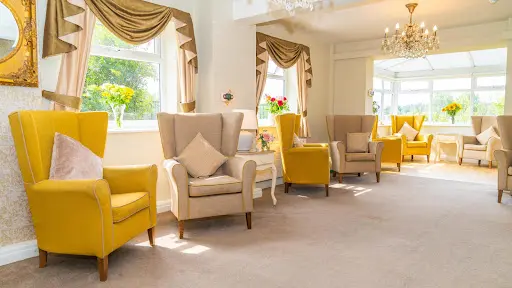
What strikes visitors is how staff remember the small things — which resident prefers their tea extra sweet, who enjoys sitting in the garden after breakfast, whose mood lifts when music from their era plays. Families describe seeing real affection in daily interactions, not just efficient task completion. The home runs seated exercises, music sessions and dancing, with themed spaces that spark conversation and memories.
The eight family priority themes
- Staff warmth55
- Compassion & dignity55
- Cleanliness55
- Activities & engagement50
- Food quality50
- Healthcare55
- Management & leadership65
- Resident happiness55
What inspectors found
Inspected 2023-04-19
Is this home safe?
Is the care effective?
The inspection rated the Effective domain as Good. This domain covers care planning, staff training, healthcare access, nutritional support, and how well the home assesses and meets each resident's individual needs. The published report does not include specific detail on care plan content, how frequently plans are reviewed, or what dementia training staff have completed. The home's registration to provide nursing care and dementia support suggests clinical structures are expected to be in place.Is this home caring?
The inspection rated the Caring domain as Good. This domain covers how staff treat residents: whether they are kind, whether they respect privacy and dignity, and whether they support independence. The published report does not include specific observations of staff interactions, use of preferred names, or how staff respond when a resident is distressed. No resident or family quotes are available in the published findings.Is the home responsive?
The inspection rated the Responsive domain as Good. This domain covers whether the home tailors care to individual needs, provides meaningful activities, responds to complaints, and plans for end-of-life care. The published report does not include detail on the activities programme, whether one-to-one engagement is available, or how the home handles complaints or end-of-life planning. The home is registered to care for people with dementia and physical disabilities, both of which require highly individualised approaches.Is the home well-led?
The inspection rated the Well-led domain as Good, an improvement from the previous Requires Improvement rating. A named registered manager, Mrs Victoria Emma Creedon, is in post, with Mr Manjinder Bahia listed as the nominated individual for Capital Healthcare Limited, the provider organisation. The published report does not include detail on how long the manager has been in post, how visible she is to staff and residents, or what governance systems are in place. The improvement from the previous rating suggests leadership changes or improvements have been made.
Source: CQC inspection report →
What the evidence base says
The home cares for adults both under and over 65, including those living with dementia and physical disabilities. For residents with dementia, the team focuses on finding what brings each person comfort and connection. Whether through familiar music, gentle activities, or simply consistent faces and routines, they work to create an environment where confusion gives way to calmer moments. All areas worth probing directly during a visit.
The DCC Verdict
Our editorial view, built from the three lenses: what families tell us, what inspectors record, and how the home sits against good dementia-care practice.
DCC Family Score
Ainsdale Court improved from Requires Improvement to Good across all five inspection domains, which is a meaningful step forward. However, the published inspection report contains very limited specific detail, so scores reflect confirmed Good ratings rather than rich observational evidence.
Homes in North West typically score 68–82.The three-lens summary
What families tell us
What strikes visitors is how staff remember the small things — which resident prefers their tea extra sweet, who enjoys sitting in the garden after breakfast, whose mood lifts when music from their era plays. Families describe seeing real affection in daily interactions, not just efficient task completion. The home runs seated exercises, music sessions and dancing, with themed spaces that spark conversation and memories.
What inspectors have recorded
Communication flows both ways here. Families find they can visit freely and stay connected with what's happening day to day. The nursing team and regular GP visits mean medical needs get proper attention without feeling clinical. Staff seem to stick around too — visitors recognise the same faces over months and years, which brings real continuity to care.
How it sits against good practice
Sometimes the best measure of care is seeing someone you love rediscover parts of themselves you thought were lost.
Worth a visit
Ainsdale Court, on Holt Lane in Prescot, was rated Good at its most recent inspection in March 2023, across all five domains: Safe, Effective, Caring, Responsive, and Well-led. This is a genuine improvement from its previous Requires Improvement rating, which suggests the registered manager and the team at Capital Healthcare Limited have worked to address earlier concerns. The home provides nursing care and is registered to support people living with dementia, adults over and under 65, and people with physical disabilities, covering 46 beds. The main uncertainty here is that the published inspection report contains very limited specific detail. There are no inspector observations, resident or family quotes, or descriptions of what daily life looks like for your parent. The Good rating is reassuring as a baseline, but it tells you relatively little about the warmth of staff, the quality of food, how activities are run, or how the home handles a difficult night. Before you visit, prepare a list of specific questions, particularly around night staffing numbers, agency use, dementia training content, and how the home communicates with families. On the visit itself, arrive at a mealtime if possible and watch how staff interact with residents in the corridors, not just in a formal meeting room.
The three questions to ask when you visitSave this home. Compare it against your shortlist.
Let our analysis show you how Ainsdale Court Nursing and Residential Home measures up against the other homes you’re considering. Free account.
In Their Own Words
How Ainsdale Court Nursing and Residential Home describes itself — collected from its own website. DCC has not edited or independently verified the content in this tab.
Where careful attention helps residents rediscover their spark
Compassionate Care in Prescot at Ainsdale Court
Families visiting Ainsdale Court in Prescot often mention something special — seeing their loved ones smile more, engage more, even dance again. This North West care home seems to understand that good care goes beyond meeting basic needs. It's about recognising each person's individuality and helping them find moments of genuine enjoyment, even as health challenges progress.
Who they care for
The home cares for adults both under and over 65, including those living with dementia and physical disabilities.
For residents with dementia, the team focuses on finding what brings each person comfort and connection. Whether through familiar music, gentle activities, or simply consistent faces and routines, they work to create an environment where confusion gives way to calmer moments.
“Sometimes the best measure of care is seeing someone you love rediscover parts of themselves you thought were lost.”
DCC does not edit or curate content in this tab. For independently curated information, see The Evidence and DCC Verdict.
The DCC Verdict
Our editorial view, built from the three lenses: what families tell us, what inspectors record, and how the home sits against good dementia-care practice.
DCC Family Score
Ainsdale Court improved from Requires Improvement to Good across all five inspection domains, which is a meaningful step forward. However, the published inspection report contains very limited specific detail, so scores reflect confirmed Good ratings rather than rich observational evidence.
Homes in North West typically score 68–82.The three-lens summary
What families tell us
What strikes visitors is how staff remember the small things — which resident prefers their tea extra sweet, who enjoys sitting in the garden after breakfast, whose mood lifts when music from their era plays. Families describe seeing real affection in daily interactions, not just efficient task completion. The home runs seated exercises, music sessions and dancing, with themed spaces that spark conversation and memories.
What inspectors have recorded
Communication flows both ways here. Families find they can visit freely and stay connected with what's happening day to day. The nursing team and regular GP visits mean medical needs get proper attention without feeling clinical. Staff seem to stick around too — visitors recognise the same faces over months and years, which brings real continuity to care.
How it sits against good practice
Sometimes the best measure of care is seeing someone you love rediscover parts of themselves you thought were lost.
Worth a visit
Ainsdale Court, on Holt Lane in Prescot, was rated Good at its most recent inspection in March 2023, across all five domains: Safe, Effective, Caring, Responsive, and Well-led. This is a genuine improvement from its previous Requires Improvement rating, which suggests the registered manager and the team at Capital Healthcare Limited have worked to address earlier concerns. The home provides nursing care and is registered to support people living with dementia, adults over and under 65, and people with physical disabilities, covering 46 beds. The main uncertainty here is that the published inspection report contains very limited specific detail. There are no inspector observations, resident or family quotes, or descriptions of what daily life looks like for your parent. The Good rating is reassuring as a baseline, but it tells you relatively little about the warmth of staff, the quality of food, how activities are run, or how the home handles a difficult night. Before you visit, prepare a list of specific questions, particularly around night staffing numbers, agency use, dementia training content, and how the home communicates with families. On the visit itself, arrive at a mealtime if possible and watch how staff interact with residents in the corridors, not just in a formal meeting room.
The three questions to ask when you visitSave this home. Compare it against your shortlist.
Let our analysis show you how Ainsdale Court Nursing and Residential Home measures up against the other homes you’re considering. Free account.
In Their Own Words
How Ainsdale Court Nursing and Residential Home describes itself — collected from its own website. DCC has not edited or independently verified the content in this tab.
Where careful attention helps residents rediscover their spark
Compassionate Care in Prescot at Ainsdale Court
Families visiting Ainsdale Court in Prescot often mention something special — seeing their loved ones smile more, engage more, even dance again. This North West care home seems to understand that good care goes beyond meeting basic needs. It's about recognising each person's individuality and helping them find moments of genuine enjoyment, even as health challenges progress.
Who they care for
The home cares for adults both under and over 65, including those living with dementia and physical disabilities.
For residents with dementia, the team focuses on finding what brings each person comfort and connection. Whether through familiar music, gentle activities, or simply consistent faces and routines, they work to create an environment where confusion gives way to calmer moments.
Management & ethos
Communication flows both ways here. Families find they can visit freely and stay connected with what's happening day to day. The nursing team and regular GP visits mean medical needs get proper attention without feeling clinical. Staff seem to stick around too — visitors recognise the same faces over months and years, which brings real continuity to care.
The home & environment
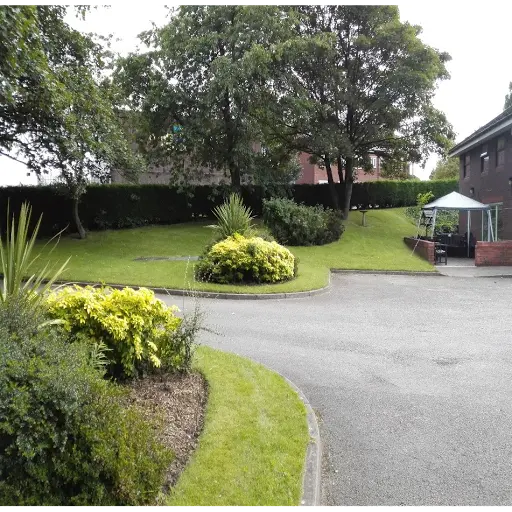
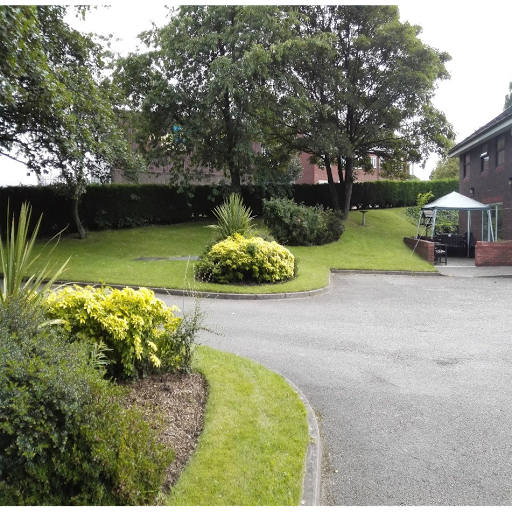
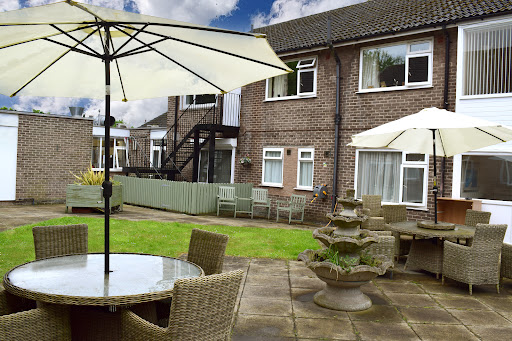
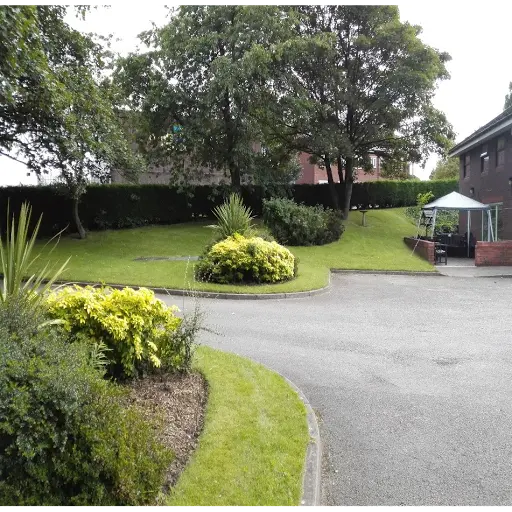
The home keeps things fresh and clean — families mention spotless rooms, pleasant outdoor spaces, and laundry that's always done properly. Mealtimes offer genuine choice, with residents able to eat where they're comfortable and request alternatives if the main menu doesn't appeal. Those little touches matter when you're making somewhere your home.
“Sometimes the best measure of care is seeing someone you love rediscover parts of themselves you thought were lost.”
DCC does not edit or curate content in this tab. For independently curated information, see The Evidence and DCC Verdict.