Rivermere Care Home

At a Glance
The information you need to decide whether this home warrants a closer look.
Residential homes
Staff warmth score
of reviewers answered yes
Good to know
- Registered beds102
- SpecialismsCaring for adults over 65 yrs, Caring for adults under 65 yrs, Dementia, Mental health conditions, Physical disabilities, Sensory impairment
- Last inspected2018-01-25
Save Rivermere Care Home to your shortlist
Keep a running list, add visit notes, and compare homes side-by-side. Free account — it takes a minute.
STAGE 4 — RESEARCHING CARE HOMES
Visit homes. Compare them side by side. Choose with confidence.
Most of us will view care homes the way we view houses, impression, atmosphere, the feeling in the corridor. We go home, try to remember what we saw, and make a permanent decision from a blurred memory.

The DCC shortlist gives every home you visit a structured record: the same twelve questions, answered the same way, every time. When you’re ready to choose, pull any two homes side by side and compare them directly. Same criteria, same evidence, your notes and your scores.
The Evidence
What the review data, the inspection reports, and the dementia-care evidence base tell us about this home.
What families say
The eight family priority themes
- Staff warmth72
- Compassion & dignity74
- Cleanliness65
- Activities & engagement65
- Food quality60
- Healthcare65
- Management & leadership74
- Resident happiness70
What inspectors found
Inspected 2018-01-25
Is this home safe?
Is the care effective?
The Effective domain was rated Good at the January 2021 inspection. This domain covers training, care planning, healthcare access, nutrition, and how well staff translate their knowledge into practice. The home lists dementia as a specialism alongside mental health conditions and physical disabilities, which implies staff should have training across a range of complex needs. The detailed inspection narrative is not available in the text provided, so it is not possible to confirm specific examples of effective practice observed by inspectors. The Good rating is a positive signal but the evidence base here is thin.Is this home caring?
The Caring domain was rated Good at the January 2021 inspection. This domain covers staff warmth, dignity, respect, and how well the home supports independence. A Good rating here indicates inspectors were satisfied with the quality of interactions between staff and the people who live at Rivermere. As with the other domains, the detailed narrative supporting this rating is not available in the published text provided. The home serves a mixed population including people with dementia, mental health conditions, and physical disabilities, which requires staff to adapt their communication and approach to each individual.Is the home responsive?
The Responsive domain was rated Good at the January 2021 inspection. This domain covers how well the home tailors care to individual needs, the quality and variety of activities, and how it handles complaints and end-of-life care. Rivermere supports people with a wide range of needs including dementia, sensory impairment, and mental health conditions, which means responsive practice needs to be genuinely individualised rather than one-size-fits-all. The detailed inspection narrative is not available in the published text, so specific examples of tailored activities or individual engagement cannot be confirmed. The Good rating is encouraging but requires further investigation on a visit.Is the home well-led?
The Well-led domain was rated Good at the January 2021 inspection. A named registered manager, Mrs Natasha Southall, is recorded as in post, which is a positive indicator of leadership stability. The home is operated by Willowbrook Healthcare Limited, with Mr Joseph Samuel Maxwell listed as nominated individual. A Good rating for Well-led indicates inspectors were satisfied with governance, culture, and accountability at the time of the inspection. The detailed narrative is not available in the published text, so it is not possible to confirm what specific leadership strengths or governance processes were observed.
Source: CQC inspection report →
What the evidence base says
The team here works with sensory impairments, physical disabilities and mental health conditions, supporting adults across different age groups. They also provide specialist dementia care. While the home offers dementia support as part of its range of specialisms, specific details about their approach aren't available. The team can discuss their dementia care provisions when you visit. All areas worth probing directly during a visit.
The DCC Verdict
Our editorial view, built from the three lenses: what families tell us, what inspectors record, and how the home sits against good dementia-care practice.
DCC Family Score
Rivermere scores well for caring and leadership, reflecting a Good rating across most domains, but the Requires Improvement in Safety pulls the overall score down and means there are specific questions you need answered before making a decision.
Homes in South East typically score 68–82.Worth a visit
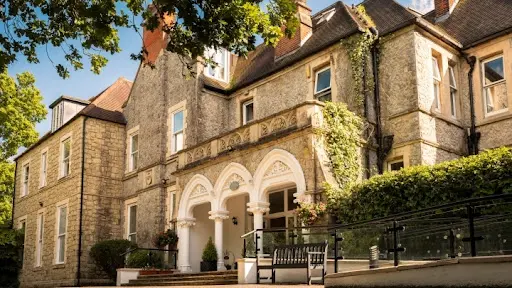
Rivermere Retirement and Care Home, on Westerham Road in Sevenoaks, was rated Good overall at its inspection in January 2021. Four of the five domains, Effective, Caring, Responsive, and Well-led, all received Good ratings, which is a positive baseline. The registered manager is named and in post, and the home supports a wide range of needs including dementia, mental health conditions, and physical disabilities across its 102 beds. The single significant concern is the Requires Improvement rating for Safe, which means inspectors identified shortfalls in at least one area of safety at the time of the visit. The published inspection text available here does not include the detailed narrative that would explain exactly what those shortfalls were, so you cannot yet know whether they have been resolved. Before visiting, contact the home and ask directly what the Safe rating related to, what action was taken, and what evidence they can show you that the issues are now addressed. On your visit, pay particular attention to how many staff are visible and responsive, especially if you can visit at an evening or weekend time.
The three questions to ask when you visitSave this home. Compare it against your shortlist.
Let our analysis show you how Rivermere Care Home measures up against the other homes you’re considering. Free account.
In Their Own Words
How Rivermere Care Home describes itself — collected from its own website. DCC has not edited or independently verified the content in this tab.
Structured support meets genuine warmth in Sevenoaks
Residential home in Sevenoaks: True Peace of Mind
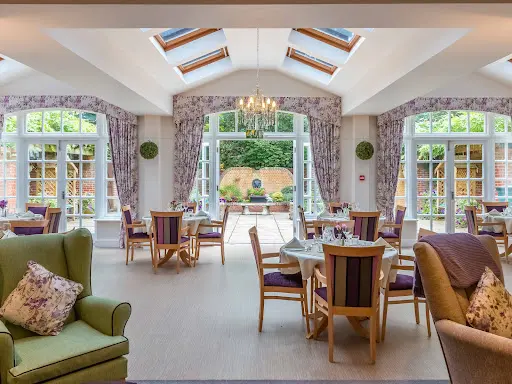
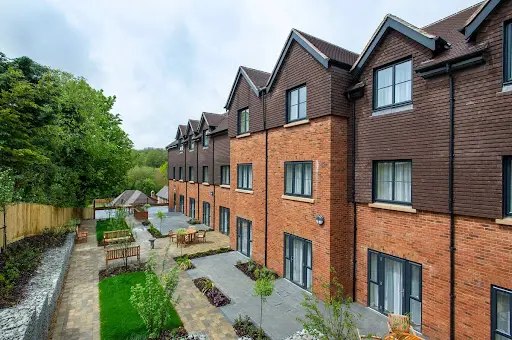
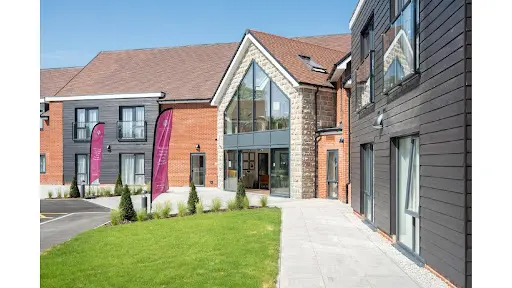
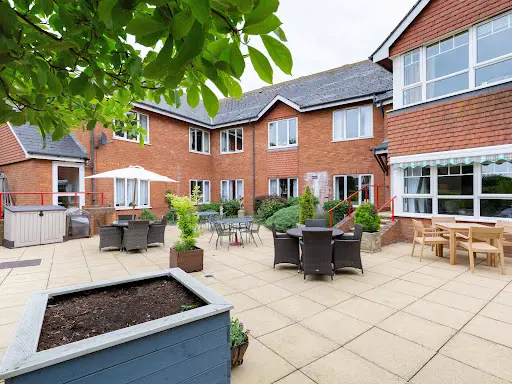
When mobility challenges or complex care needs mean finding the right support becomes urgent, families need somewhere that balances professional capability with real compassion. Rivermere Retirement and Care Home in Sevenoaks offers both respite and permanent care, with self-contained apartments alongside traditional rooms. The home specialises in supporting people with physical disabilities, sensory impairments and mental health conditions, welcoming both younger adults and those over 65.
Who they care for
The team here works with sensory impairments, physical disabilities and mental health conditions, supporting adults across different age groups. They also provide specialist dementia care.
While the home offers dementia support as part of its range of specialisms, specific details about their approach aren't available. The team can discuss their dementia care provisions when you visit.
“If you're considering Rivermere for yourself or someone close to you, arranging a visit will give you the clearest picture of what they offer.”
DCC does not edit or curate content in this tab. For independently curated information, see The Evidence and DCC Verdict.
The DCC Verdict
Our editorial view, built from the three lenses: what families tell us, what inspectors record, and how the home sits against good dementia-care practice.
DCC Family Score
Rivermere scores well for caring and leadership, reflecting a Good rating across most domains, but the Requires Improvement in Safety pulls the overall score down and means there are specific questions you need answered before making a decision.
Homes in South East typically score 68–82.Worth a visit
Rivermere Retirement and Care Home, on Westerham Road in Sevenoaks, was rated Good overall at its inspection in January 2021. Four of the five domains, Effective, Caring, Responsive, and Well-led, all received Good ratings, which is a positive baseline. The registered manager is named and in post, and the home supports a wide range of needs including dementia, mental health conditions, and physical disabilities across its 102 beds. The single significant concern is the Requires Improvement rating for Safe, which means inspectors identified shortfalls in at least one area of safety at the time of the visit. The published inspection text available here does not include the detailed narrative that would explain exactly what those shortfalls were, so you cannot yet know whether they have been resolved. Before visiting, contact the home and ask directly what the Safe rating related to, what action was taken, and what evidence they can show you that the issues are now addressed. On your visit, pay particular attention to how many staff are visible and responsive, especially if you can visit at an evening or weekend time.
The three questions to ask when you visitSave this home. Compare it against your shortlist.
Let our analysis show you how Rivermere Care Home measures up against the other homes you’re considering. Free account.
In Their Own Words
How Rivermere Care Home describes itself — collected from its own website. DCC has not edited or independently verified the content in this tab.
Structured support meets genuine warmth in Sevenoaks
Residential home in Sevenoaks: True Peace of Mind
When mobility challenges or complex care needs mean finding the right support becomes urgent, families need somewhere that balances professional capability with real compassion. Rivermere Retirement and Care Home in Sevenoaks offers both respite and permanent care, with self-contained apartments alongside traditional rooms. The home specialises in supporting people with physical disabilities, sensory impairments and mental health conditions, welcoming both younger adults and those over 65.
Who they care for
The team here works with sensory impairments, physical disabilities and mental health conditions, supporting adults across different age groups. They also provide specialist dementia care.
While the home offers dementia support as part of its range of specialisms, specific details about their approach aren't available. The team can discuss their dementia care provisions when you visit.
“If you're considering Rivermere for yourself or someone close to you, arranging a visit will give you the clearest picture of what they offer.”
DCC does not edit or curate content in this tab. For independently curated information, see The Evidence and DCC Verdict.