Weald Heights Care Home – Care UK
At a Glance
The information you need to decide whether this home warrants a closer look.
Nursing homes
Staff warmth score
of reviewers answered yes
Good to know
- Registered beds80
- SpecialismsCaring for adults under 65 yrs, Dementia, Mental health conditions
- Last inspected2025-05-06
Save Weald Heights Care Home – Care UK to your shortlist
Keep a running list, add visit notes, and compare homes side-by-side. Free account — it takes a minute.
STAGE 4 — RESEARCHING CARE HOMES
Visit homes. Compare them side by side. Choose with confidence.
Most of us will view care homes the way we view houses, impression, atmosphere, the feeling in the corridor. We go home, try to remember what we saw, and make a permanent decision from a blurred memory.

The DCC shortlist gives every home you visit a structured record: the same twelve questions, answered the same way, every time. When you’re ready to choose, pull any two homes side by side and compare them directly. Same criteria, same evidence, your notes and your scores.
The Evidence
What the review data, the inspection reports, and the dementia-care evidence base tell us about this home.
What families say
Families describe a warm reception here, with staff who seem genuinely pleased to see both residents and visitors. The atmosphere tends toward the lively side — there's usually something happening, whether that's organised activities or just the general buzz of a busy home. People particularly appreciate how staff remember their names and circumstances, making regular visits feel less institutional.
The eight family priority themes
- Staff warmth85
- Compassion & dignity88
- Cleanliness72
- Activities & engagement70
- Food quality65
- Healthcare68
- Management & leadership88
- Resident happiness72
What inspectors found
Inspected 2025-05-06 Report published 2025-05-06
Is this home safe?
Is the care effective?
The home was rated Good for effective, covering training, care planning, healthcare access, and nutrition. A Good rating indicates that inspectors found staff with appropriate knowledge and skills, care plans that reflected individual needs, and adequate access to healthcare professionals. The home's specialism in younger adults with dementia and mental health conditions means staff training should go beyond generic dementia awareness, and a Good effective rating suggests inspectors were satisfied this was the case. No specific detail about training content, care plan review frequency, or GP access arrangements is included in the published summary.Is this home caring?
Caring was rated Outstanding at Weald Heights, the highest possible rating, at the May 2025 inspection. An Outstanding caring rating requires inspectors to find consistent, specific evidence that staff treat people with genuine warmth, respect their dignity, protect their privacy, and support their independence in ways that go beyond compliance. This is the rarest of the five domain ratings and was one of two Outstanding domains at this home. The published summary does not include direct quotes or specific observations, which limits what can be confirmed at the individual level, but the rating itself is a strong signal.Is the home responsive?
Weald Heights received a Good rating for responsive, covering activities, individualised engagement, and how well the home adapts to changing needs. A Good rating indicates that inspectors found the activity programme adequate and that care was adjusted when people's needs changed. The home's specialism in younger adults with dementia is relevant here: a good activity programme for a 58-year-old with dementia looks very different from one designed for an 85-year-old, and a Good rating suggests inspectors were satisfied the home understood this. No specific activities, schedules, or one-to-one engagement approaches are described in the published findings.Is the home well-led?
Well-led was rated Outstanding at Weald Heights, the highest possible rating. A registered manager (Ms Maria Covington) is named on the registration alongside a nominated individual (Ms Rachel Louise Harvey), indicating clear lines of accountability. An Outstanding well-led rating requires inspectors to find a visible, stable leadership team that supports staff to speak up, acts on feedback, and drives continuous improvement rather than simply maintaining the status quo. The Good Practice evidence base identifies leadership stability as a predictor of care quality trajectory. No detail about manager tenure or recent organisational changes is included in the published summary.
Source: CQC inspection report →
What the evidence base says
The home specifically supports adults under 65, including those living with dementia or mental health conditions. This younger focus shapes everything from the activity programme to the general energy of the place. For younger people with dementia, the home provides specialist support while maintaining the active, social environment that helps people stay connected. Staff understand that dementia in younger adults often requires different approaches than traditional elderly care. All areas worth probing directly during a visit.
The DCC Verdict
Our editorial view, built from the three lenses: what families tell us, what inspectors record, and how the home sits against good dementia-care practice.
DCC Family Score
Weald Heights scores 79 out of 100 on the DCC Family Score, reflecting Outstanding ratings for the quality of care and leadership alongside Good ratings across safety, effectiveness, and responsiveness. The score is held back slightly by limited published detail on food, one-to-one activities, and night staffing, which families should explore directly with the home.
Homes in South East typically score 68–82.The three-lens summary
What families tell us
Families describe a warm reception here, with staff who seem genuinely pleased to see both residents and visitors. The atmosphere tends toward the lively side — there's usually something happening, whether that's organised activities or just the general buzz of a busy home. People particularly appreciate how staff remember their names and circumstances, making regular visits feel less institutional.
What inspectors have recorded
Staff here work smoothly with outside professionals, from district nurses to educational partners who run programmes with residents. The team appears well-organised when it comes to medical needs and activity planning. There have been occasional mentions of residents wandering into each other's rooms when people are out, suggesting the home might still be fine-tuning how they balance independence with privacy.
How it sits against good practice
If you're looking for somewhere that feels more like a community than a care facility, Weald Heights offers plenty of life and energy — just be prepared for a busier atmosphere than some quieter homes.
Worth a visit
Weald Heights in Sevenoaks was rated Outstanding overall at its most recent inspection, published on 4 June 2025, with Outstanding ratings in both caring and well-led, and Good ratings across safe, effective, and responsive. An Outstanding caring rating is awarded to fewer than five percent of care homes inspected nationally, and it signals that inspectors found something meaningfully above the standard expected: staff interactions, dignity practices, and person-centred approaches that stood out rather than simply met the bar. The home specialises in supporting adults under 65, including those living with dementia or mental health conditions, which is a relatively uncommon combination and suggests the team has specific experience with younger people whose needs differ from those of older adults in traditional nursing homes. The main uncertainty here is the limited detail available in the published inspection summary. The ratings themselves are strong and stable, but the published text does not include specific inspector observations, resident or family quotes, or detail on night staffing, agency use, or one-to-one engagement, all of which matter enormously when choosing a home for your parent. On a visit, ask to see the staffing rota for a typical week (including nights), ask how the activity programme is adapted for someone who cannot join a group, and observe how staff interact in corridors and communal areas when they think no one is watching.
The three questions to ask when you visitSave this home. Compare it against your shortlist.
Let our analysis show you how Weald Heights Care Home – Care UK measures up against the other homes you’re considering. Free account.
In Their Own Words
How Weald Heights Care Home – Care UK describes itself — collected from its own website. DCC has not edited or independently verified the content in this tab.
Where younger residents find friendship and purpose in Sevenoaks
Weald Heights – Your Trusted nursing home
When someone needs residential care before traditional retirement age, the social side matters just as much as the medical support. Weald Heights in Sevenoaks specialises in this delicate balance, creating a lively environment where younger adults with mental health conditions or dementia can maintain their independence while getting the care they need. The home has built its reputation on keeping residents engaged and active, though families sometimes mention the energy level can feel quite high.
Who they care for
The home specifically supports adults under 65, including those living with dementia or mental health conditions. This younger focus shapes everything from the activity programme to the general energy of the place.
For younger people with dementia, the home provides specialist support while maintaining the active, social environment that helps people stay connected. Staff understand that dementia in younger adults often requires different approaches than traditional elderly care.
“If you're looking for somewhere that feels more like a community than a care facility, Weald Heights offers plenty of life and energy — just be prepared for a busier atmosphere than some quieter homes.”
DCC does not edit or curate content in this tab. For independently curated information, see The Evidence and DCC Verdict.
The DCC Verdict
Our editorial view, built from the three lenses: what families tell us, what inspectors record, and how the home sits against good dementia-care practice.
DCC Family Score
Weald Heights scores 79 out of 100 on the DCC Family Score, reflecting Outstanding ratings for the quality of care and leadership alongside Good ratings across safety, effectiveness, and responsiveness. The score is held back slightly by limited published detail on food, one-to-one activities, and night staffing, which families should explore directly with the home.
Homes in South East typically score 68–82.The three-lens summary
What families tell us
Families describe a warm reception here, with staff who seem genuinely pleased to see both residents and visitors. The atmosphere tends toward the lively side — there's usually something happening, whether that's organised activities or just the general buzz of a busy home. People particularly appreciate how staff remember their names and circumstances, making regular visits feel less institutional.
What inspectors have recorded
Staff here work smoothly with outside professionals, from district nurses to educational partners who run programmes with residents. The team appears well-organised when it comes to medical needs and activity planning. There have been occasional mentions of residents wandering into each other's rooms when people are out, suggesting the home might still be fine-tuning how they balance independence with privacy.
How it sits against good practice
If you're looking for somewhere that feels more like a community than a care facility, Weald Heights offers plenty of life and energy — just be prepared for a busier atmosphere than some quieter homes.
Worth a visit
Weald Heights in Sevenoaks was rated Outstanding overall at its most recent inspection, published on 4 June 2025, with Outstanding ratings in both caring and well-led, and Good ratings across safe, effective, and responsive. An Outstanding caring rating is awarded to fewer than five percent of care homes inspected nationally, and it signals that inspectors found something meaningfully above the standard expected: staff interactions, dignity practices, and person-centred approaches that stood out rather than simply met the bar. The home specialises in supporting adults under 65, including those living with dementia or mental health conditions, which is a relatively uncommon combination and suggests the team has specific experience with younger people whose needs differ from those of older adults in traditional nursing homes. The main uncertainty here is the limited detail available in the published inspection summary. The ratings themselves are strong and stable, but the published text does not include specific inspector observations, resident or family quotes, or detail on night staffing, agency use, or one-to-one engagement, all of which matter enormously when choosing a home for your parent. On a visit, ask to see the staffing rota for a typical week (including nights), ask how the activity programme is adapted for someone who cannot join a group, and observe how staff interact in corridors and communal areas when they think no one is watching.
The three questions to ask when you visitSave this home. Compare it against your shortlist.
Let our analysis show you how Weald Heights Care Home – Care UK measures up against the other homes you’re considering. Free account.
In Their Own Words
How Weald Heights Care Home – Care UK describes itself — collected from its own website. DCC has not edited or independently verified the content in this tab.
Where younger residents find friendship and purpose in Sevenoaks
Weald Heights – Your Trusted nursing home
When someone needs residential care before traditional retirement age, the social side matters just as much as the medical support. Weald Heights in Sevenoaks specialises in this delicate balance, creating a lively environment where younger adults with mental health conditions or dementia can maintain their independence while getting the care they need. The home has built its reputation on keeping residents engaged and active, though families sometimes mention the energy level can feel quite high.
Who they care for
The home specifically supports adults under 65, including those living with dementia or mental health conditions. This younger focus shapes everything from the activity programme to the general energy of the place.
For younger people with dementia, the home provides specialist support while maintaining the active, social environment that helps people stay connected. Staff understand that dementia in younger adults often requires different approaches than traditional elderly care.
Management & ethos
Staff here work smoothly with outside professionals, from district nurses to educational partners who run programmes with residents. The team appears well-organised when it comes to medical needs and activity planning. There have been occasional mentions of residents wandering into each other's rooms when people are out, suggesting the home might still be fine-tuning how they balance independence with privacy.
The home & environment
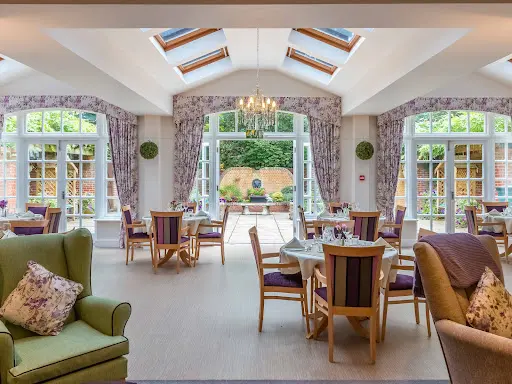
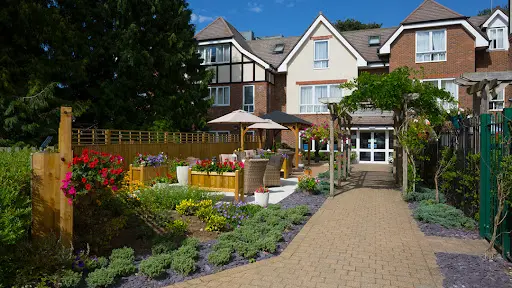
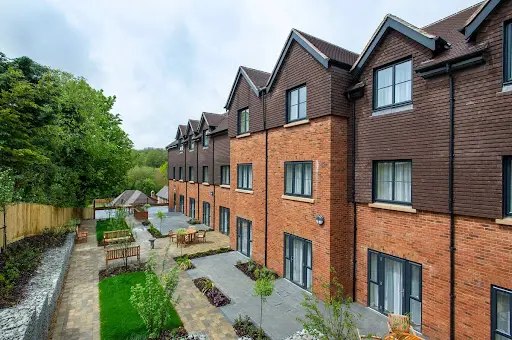
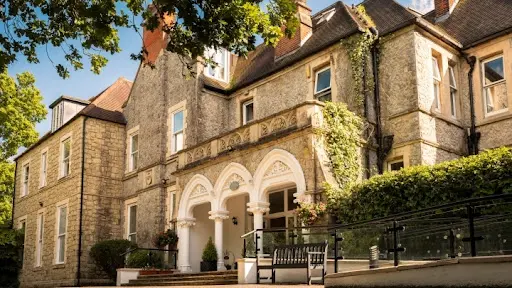
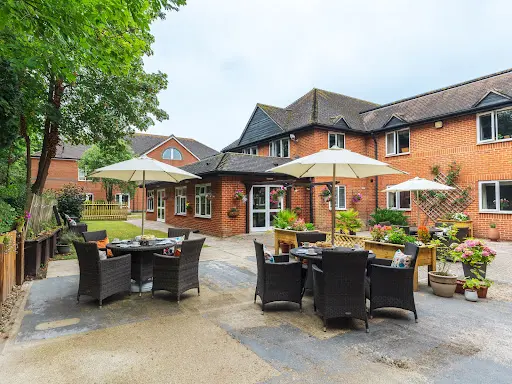
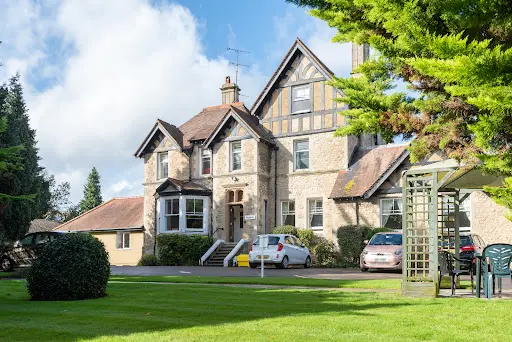
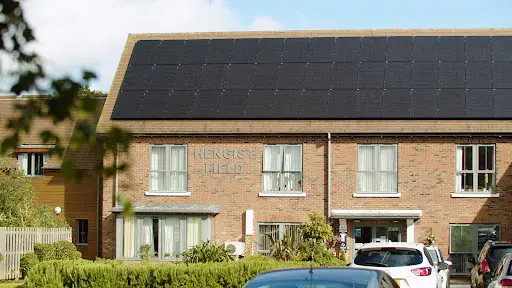
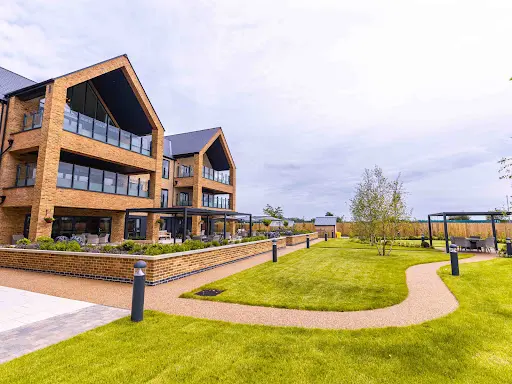
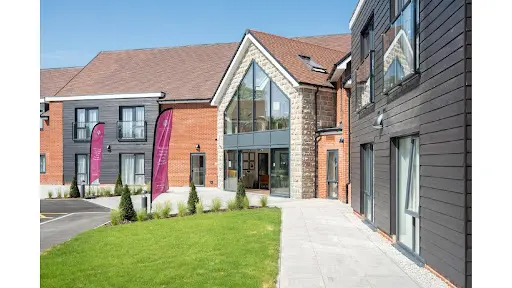
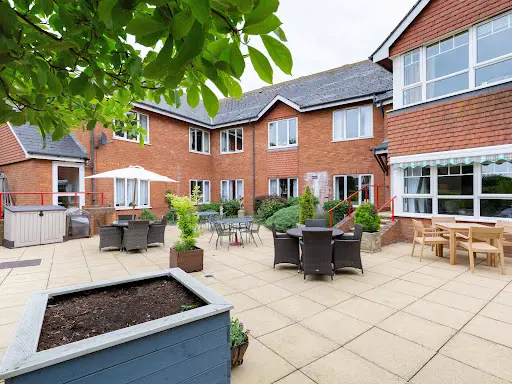
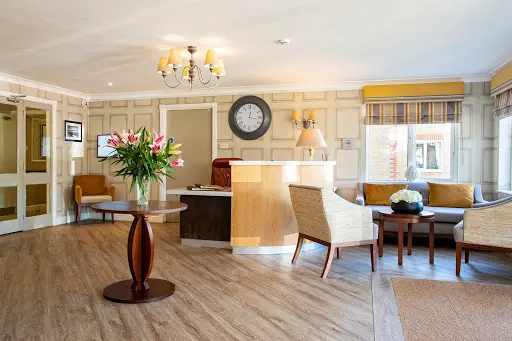
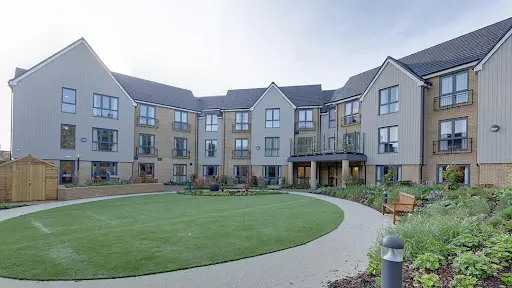
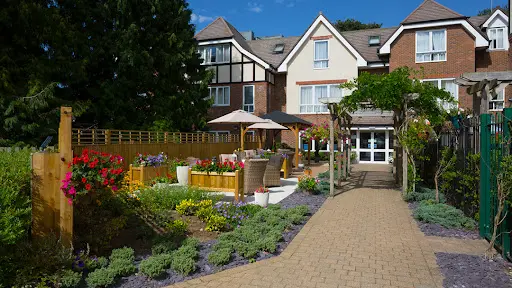
The home keeps its spaces clean and comfortable, with outdoor areas that get plenty of use when weather permits. While the building and grounds consistently impress visitors, some mention that meal times don't quite match the standard of everything else — food quality seems to vary, which might matter more to younger residents used to different dining experiences.
“If you're looking for somewhere that feels more like a community than a care facility, Weald Heights offers plenty of life and energy — just be prepared for a busier atmosphere than some quieter homes.”
DCC does not edit or curate content in this tab. For independently curated information, see The Evidence and DCC Verdict.