Lyle House Care Home – Country Court
At a Glance
The information you need to decide whether this home warrants a closer look.
Residential homes
Staff warmth score
of reviewers answered yes
Good to know
- Registered beds70
- SpecialismsCaring for adults over 65 yrs, Dementia
- Last inspected2022-12-20
Save Lyle House Care Home – Country Court to your shortlist
Keep a running list, add visit notes, and compare homes side-by-side. Free account — it takes a minute.
STAGE 4 — RESEARCHING CARE HOMES
Visit homes. Compare them side by side. Choose with confidence.
Most of us will view care homes the way we view houses, impression, atmosphere, the feeling in the corridor. We go home, try to remember what we saw, and make a permanent decision from a blurred memory.

The DCC shortlist gives every home you visit a structured record: the same twelve questions, answered the same way, every time. When you’re ready to choose, pull any two homes side by side and compare them directly. Same criteria, same evidence, your notes and your scores.
The Evidence
What the review data, the inspection reports, and the dementia-care evidence base tell us about this home.
What families say
Families describe a warmth that runs through every interaction, from reception staff greeting visitors to carers spending time with residents. People notice how staff treat residents with genuine respect and kindness, creating an atmosphere where dignity matters in every small moment.
The eight family priority themes
- Staff warmth72
- Compassion & dignity72
- Cleanliness70
- Activities & engagement65
- Food quality65
- Healthcare70
- Management & leadership72
- Resident happiness70
What inspectors found
Inspected 2022-12-20
Is this home safe?
Is the care effective?
The Effective domain was rated Good at the May 2024 inspection. This covers training, care planning, healthcare access, nutrition, and how well staff put their knowledge into practice. The home specialises in dementia care, which means inspectors would expect to see evidence of dementia-specific training and care planning. No specific detail about training content, care plan quality, GP access arrangements, or food provision is available from the published summary.Is this home caring?
The Caring domain was rated Good at the May 2024 inspection. This domain covers warmth of staff interactions, respect for dignity and privacy, promotion of independence, and whether residents are treated as individuals. No direct quotes from residents or relatives and no specific inspector observations of staff interactions are available from the published summary. The Good rating indicates the inspectorate found no concerns in this area at the time of inspection.Is the home responsive?
The Responsive domain was rated Good at the May 2024 inspection. This domain covers how well the home responds to individual needs, including activities, engagement, and end-of-life care. The home is registered as a specialist dementia service for 70 people. No specific information about the activities programme, one-to-one engagement provision, or end-of-life planning is available from the published summary.Is the home well-led?
The Well-led domain was rated Good at the May 2024 inspection. A named registered manager, Miss Joanna Lisa Hack, and a nominated individual, Mrs Helen Louise Richmond, are in post. This formal structure indicates clear lines of accountability. The Good rating suggests inspectors found governance, quality assurance, and leadership culture to be satisfactory. The home had previously received a lower overall rating, and the return to Good across all domains suggests the leadership team has addressed earlier concerns.
Source: CQC inspection report →
What the evidence base says
The team cares for adults over 65, with particular expertise in dementia care. They also provide respite stays when families need temporary support. Families report remarkable changes here — residents who struggled with eating at home regain their appetite, those who'd become withdrawn start joining activities again. The structured approach seems to unlock something, helping people with dementia engage with life in ways their families hadn't seen for months. All areas worth probing directly during a visit.
The DCC Verdict
Our editorial view, built from the three lenses: what families tell us, what inspectors record, and how the home sits against good dementia-care practice.
DCC Family Score
Lyle House was rated Good across all five domains at its most recent assessment in May 2024, recovering from an earlier period that required improvement. The score reflects positive but largely general inspection findings, with limited specific observations, quotes, or detailed examples to push confidence higher.
Homes in London typically score 68–82.The three-lens summary
What families tell us
Families describe a warmth that runs through every interaction, from reception staff greeting visitors to carers spending time with residents. People notice how staff treat residents with genuine respect and kindness, creating an atmosphere where dignity matters in every small moment.
What inspectors have recorded
How it sits against good practice
Sometimes the right environment changes everything. Lyle House seems to understand that.
Worth a visit
Lyle House, at 207 Arabella Drive in Putney, was rated Good across all five inspection domains at its most recent assessment in May 2024, with the full report published in September 2024. This represents a recovery from an earlier period when the home was rated Requires Improvement. The home is registered for 70 people, specialises in dementia care for older adults, and is run by Country Court Care Homes 2 Limited, with a named registered manager and nominated individual in post. The main limitation for families reading this report is that only a brief summary of inspection findings is available. No direct quotes from residents, relatives, or staff, and no specific inspector observations, are reproduced here. That makes it difficult to know what Good looks like day to day at this particular home. Before visiting, prepare a list of specific questions: ask to see last week's actual staffing rota (not the template), ask what the night staffing ratio is on the dementia unit, ask how often care plans are reviewed and whether families are invited to those reviews, and ask how the home handled its most recent serious incident. A Good rating tells you the inspectorate was satisfied; a visit will tell you whether this home feels right for your mum or dad.
The three questions to ask when you visitSave this home. Compare it against your shortlist.
Let our analysis show you how Lyle House Care Home – Country Court measures up against the other homes you’re considering. Free account.
In Their Own Words
How Lyle House Care Home – Country Court describes itself — collected from its own website. DCC has not edited or independently verified the content in this tab.
Where residents with dementia find their spark again
Compassionate Care in London at Lyle House
When dementia changes everything, finding the right care feels overwhelming. Lyle House in London brings real hope to families who've watched their loved ones struggle at home. Here, residents don't just cope — they rediscover interests, reconnect socially, and surprise their families with renewed energy.
Who they care for
The team cares for adults over 65, with particular expertise in dementia care. They also provide respite stays when families need temporary support.
Families report remarkable changes here — residents who struggled with eating at home regain their appetite, those who'd become withdrawn start joining activities again. The structured approach seems to unlock something, helping people with dementia engage with life in ways their families hadn't seen for months.
“Sometimes the right environment changes everything. Lyle House seems to understand that.”
DCC does not edit or curate content in this tab. For independently curated information, see The Evidence and DCC Verdict.
The DCC Verdict
Our editorial view, built from the three lenses: what families tell us, what inspectors record, and how the home sits against good dementia-care practice.
DCC Family Score
Lyle House was rated Good across all five domains at its most recent assessment in May 2024, recovering from an earlier period that required improvement. The score reflects positive but largely general inspection findings, with limited specific observations, quotes, or detailed examples to push confidence higher.
Homes in London typically score 68–82.The three-lens summary
What families tell us
Families describe a warmth that runs through every interaction, from reception staff greeting visitors to carers spending time with residents. People notice how staff treat residents with genuine respect and kindness, creating an atmosphere where dignity matters in every small moment.
What inspectors have recorded
How it sits against good practice
Sometimes the right environment changes everything. Lyle House seems to understand that.
Worth a visit
Lyle House, at 207 Arabella Drive in Putney, was rated Good across all five inspection domains at its most recent assessment in May 2024, with the full report published in September 2024. This represents a recovery from an earlier period when the home was rated Requires Improvement. The home is registered for 70 people, specialises in dementia care for older adults, and is run by Country Court Care Homes 2 Limited, with a named registered manager and nominated individual in post. The main limitation for families reading this report is that only a brief summary of inspection findings is available. No direct quotes from residents, relatives, or staff, and no specific inspector observations, are reproduced here. That makes it difficult to know what Good looks like day to day at this particular home. Before visiting, prepare a list of specific questions: ask to see last week's actual staffing rota (not the template), ask what the night staffing ratio is on the dementia unit, ask how often care plans are reviewed and whether families are invited to those reviews, and ask how the home handled its most recent serious incident. A Good rating tells you the inspectorate was satisfied; a visit will tell you whether this home feels right for your mum or dad.
The three questions to ask when you visitSave this home. Compare it against your shortlist.
Let our analysis show you how Lyle House Care Home – Country Court measures up against the other homes you’re considering. Free account.
In Their Own Words
How Lyle House Care Home – Country Court describes itself — collected from its own website. DCC has not edited or independently verified the content in this tab.
Where residents with dementia find their spark again
Compassionate Care in London at Lyle House
When dementia changes everything, finding the right care feels overwhelming. Lyle House in London brings real hope to families who've watched their loved ones struggle at home. Here, residents don't just cope — they rediscover interests, reconnect socially, and surprise their families with renewed energy.
Who they care for
The team cares for adults over 65, with particular expertise in dementia care. They also provide respite stays when families need temporary support.
Families report remarkable changes here — residents who struggled with eating at home regain their appetite, those who'd become withdrawn start joining activities again. The structured approach seems to unlock something, helping people with dementia engage with life in ways their families hadn't seen for months.
The home & environment
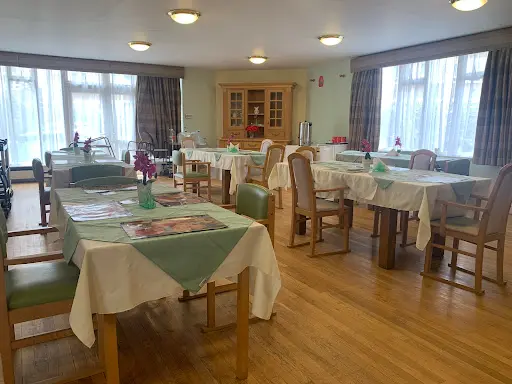
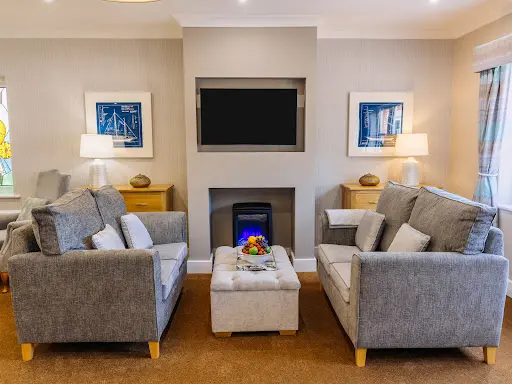
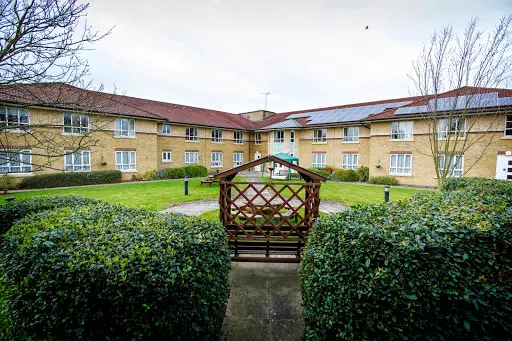
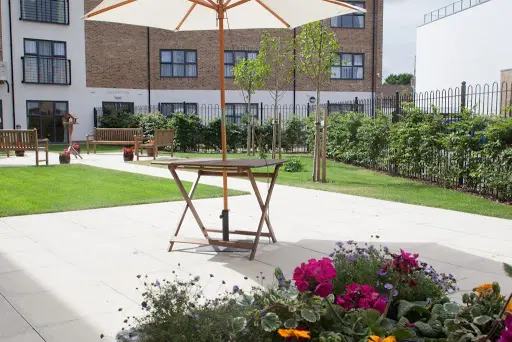
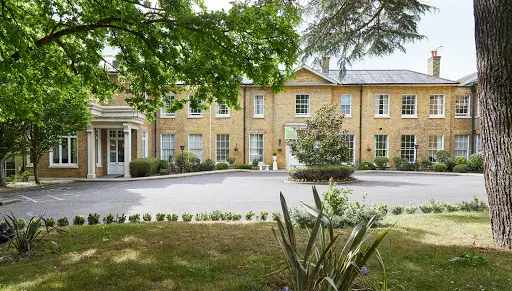
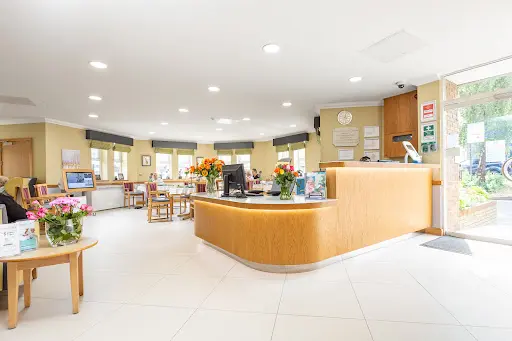
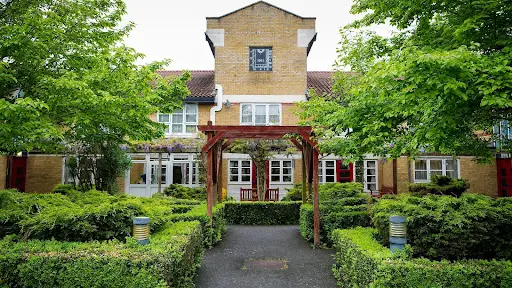
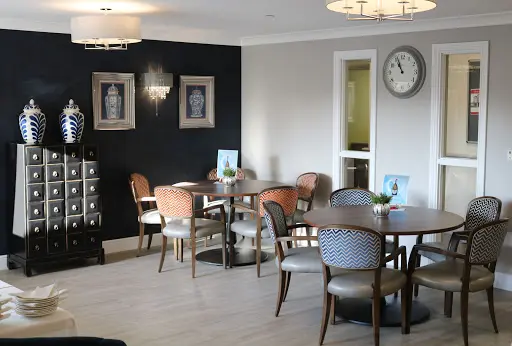
The home stays spotless and well-decorated, with comfortable spaces that help residents feel settled. Daily activities keep everyone engaged — entertainment, social gatherings, and programmes that adapt to what residents enjoy. It's the kind of constant, thoughtful activity that helps days feel full rather than empty.
“Sometimes the right environment changes everything. Lyle House seems to understand that.”
DCC does not edit or curate content in this tab. For independently curated information, see The Evidence and DCC Verdict.