Ashmead Care Home
At a Glance
The information you need to decide whether this home warrants a closer look.
Nursing homes
Staff warmth score
of reviewers answered yes
Good to know
- Registered beds110
- SpecialismsCaring for adults over 65 yrs, Dementia
- Last inspected2022-09-21
Save Ashmead Care Home to your shortlist
Keep a running list, add visit notes, and compare homes side-by-side. Free account — it takes a minute.
STAGE 4 — RESEARCHING CARE HOMES
Visit homes. Compare them side by side. Choose with confidence.
Most of us will view care homes the way we view houses, impression, atmosphere, the feeling in the corridor. We go home, try to remember what we saw, and make a permanent decision from a blurred memory.

The DCC shortlist gives every home you visit a structured record: the same twelve questions, answered the same way, every time. When you’re ready to choose, pull any two homes side by side and compare them directly. Same criteria, same evidence, your notes and your scores.
The Evidence
What the review data, the inspection reports, and the dementia-care evidence base tell us about this home.
What families say
The eight family priority themes
- Staff warmth55
- Compassion & dignity60
- Cleanliness60
- Activities & engagement35
- Food quality50
- Healthcare60
- Management & leadership65
- Resident happiness55
What inspectors found
Inspected 2022-09-21
Is this home safe?
Is the care effective?
Effective was rated Good at the August 2022 inspection. This domain covers training, care planning, access to healthcare professionals, nutrition, and whether staff have the skills to meet the needs of the people in their care. The home specialises in dementia care for adults over 65, which means dementia-specific training and regular GP access are especially important. The published summary does not include specific detail about training content, care plan review frequency, or food quality and choice.Is this home caring?
Caring was rated Good at the August 2022 inspection. This domain covers how staff interact with the people they support: whether residents are treated with warmth, whether their privacy and dignity are respected, and whether they are supported to remain as independent as possible. A Good rating here suggests inspectors found broadly positive interactions. The published summary does not include specific quotes from residents or relatives, or specific observations of staff behaviour.Is the home responsive?
Responsive was rated Requires Improvement at the August 2022 inspection, and this is the domain that warrants most attention. This domain covers whether the home responds to each person as an individual: whether activities are meaningful and varied, whether personal routines and preferences are respected, and whether complaints are taken seriously and acted upon. The published summary does not detail the specific findings that led to this rating, which means you need to read the full inspection report to understand exactly what was found lacking.Is the home well-led?
Well-led was rated Good at the August 2022 inspection. A registered manager (Ms Luminita Cupsa) and a nominated individual (Mr Jandryle Umacob Trondillo) are both confirmed in post, which provides a clear accountability structure. The home's overall improvement from Requires Improvement to Good suggests the leadership team drove meaningful change between inspections. The published summary does not include specific observations about management visibility, staff culture, or governance systems.
Source: CQC inspection report →
What the evidence base says
The team at Ashmead specialises in dementia care, supporting residents through different stages of their journey. They provide full-time residential care for people over 65. The home's dementia care approach includes structured daily activities designed to engage residents. Staff work to maintain familiar routines while providing the specialised support each person needs. All areas worth probing directly during a visit.
The DCC Verdict
Our editorial view, built from the three lenses: what families tell us, what inspectors record, and how the home sits against good dementia-care practice.
DCC Family Score
Ashmead Care Centre scores 68 out of 100, reflecting a genuine improvement from its previous Requires Improvement rating, with most domains rated Good. The score is held back by a Requires Improvement in Responsive, meaning the inspection found gaps in how well the home tailors daily life and activities to individual needs.
Homes in London typically score 68–82.Worth a visit
Ashmead Care Centre, at 201 Cortis Road in Putney, was rated Good overall at its last inspection in August 2022, an improvement on its previous Requires Improvement rating. The inspection found the home to be Good across four of five domains: Safe, Effective, Caring, and Well-led. A registered manager and a nominated individual are confirmed in post, and the overall direction of travel is positive. The one significant concern is the Responsive domain, which remained at Requires Improvement. This is the domain that covers whether your parent will have a meaningful daily life: activities tailored to them as an individual, engagement for people who cannot join group sessions, and respect for personal routines and preferences. The published inspection summary is unusually brief and contains very little specific detail about what inspectors actually observed, which makes it harder to form a complete picture. Before visiting, read the full inspection report on the official regulator website to find the specific findings behind the Responsive rating. On your visit, ask to see last week's actual activity rota, and ask what happens for a resident with advanced dementia who cannot participate in group activities.
The three questions to ask when you visitSave this home. Compare it against your shortlist.
Let our analysis show you how Ashmead Care Home measures up against the other homes you’re considering. Free account.
In Their Own Words
How Ashmead Care Home describes itself — collected from its own website. DCC has not edited or independently verified the content in this tab.
Specialised dementia care in a recently renovated London setting
Ashmead Care Centre – Your Trusted nursing home
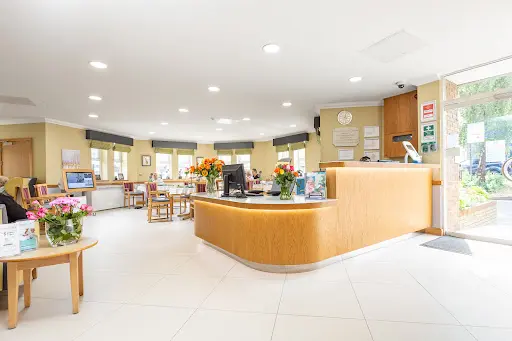
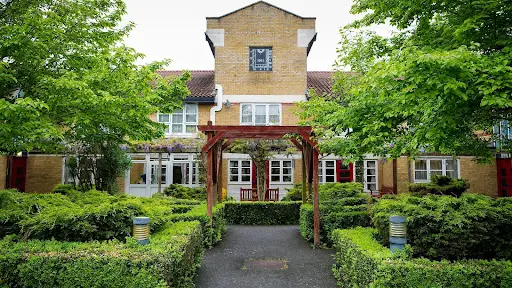
Ashmead Care Centre in London provides residential care with a particular focus on supporting people living with dementia. The home, which has undergone recent renovations, caters specifically to adults over 65 who need round-the-clock support.
Who they care for
The team at Ashmead specialises in dementia care, supporting residents through different stages of their journey. They provide full-time residential care for people over 65.
The home's dementia care approach includes structured daily activities designed to engage residents. Staff work to maintain familiar routines while providing the specialised support each person needs.
“If you're considering Ashmead, arranging a visit will help you get a feel for the environment and meet the team who could be caring for your loved one.”
DCC does not edit or curate content in this tab. For independently curated information, see The Evidence and DCC Verdict.
The DCC Verdict
Our editorial view, built from the three lenses: what families tell us, what inspectors record, and how the home sits against good dementia-care practice.
DCC Family Score
Ashmead Care Centre scores 68 out of 100, reflecting a genuine improvement from its previous Requires Improvement rating, with most domains rated Good. The score is held back by a Requires Improvement in Responsive, meaning the inspection found gaps in how well the home tailors daily life and activities to individual needs.
Homes in London typically score 68–82.Worth a visit
Ashmead Care Centre, at 201 Cortis Road in Putney, was rated Good overall at its last inspection in August 2022, an improvement on its previous Requires Improvement rating. The inspection found the home to be Good across four of five domains: Safe, Effective, Caring, and Well-led. A registered manager and a nominated individual are confirmed in post, and the overall direction of travel is positive. The one significant concern is the Responsive domain, which remained at Requires Improvement. This is the domain that covers whether your parent will have a meaningful daily life: activities tailored to them as an individual, engagement for people who cannot join group sessions, and respect for personal routines and preferences. The published inspection summary is unusually brief and contains very little specific detail about what inspectors actually observed, which makes it harder to form a complete picture. Before visiting, read the full inspection report on the official regulator website to find the specific findings behind the Responsive rating. On your visit, ask to see last week's actual activity rota, and ask what happens for a resident with advanced dementia who cannot participate in group activities.
The three questions to ask when you visitSave this home. Compare it against your shortlist.
Let our analysis show you how Ashmead Care Home measures up against the other homes you’re considering. Free account.
In Their Own Words
How Ashmead Care Home describes itself — collected from its own website. DCC has not edited or independently verified the content in this tab.
Specialised dementia care in a recently renovated London setting
Ashmead Care Centre – Your Trusted nursing home
Ashmead Care Centre in London provides residential care with a particular focus on supporting people living with dementia. The home, which has undergone recent renovations, caters specifically to adults over 65 who need round-the-clock support.
Who they care for
The team at Ashmead specialises in dementia care, supporting residents through different stages of their journey. They provide full-time residential care for people over 65.
The home's dementia care approach includes structured daily activities designed to engage residents. Staff work to maintain familiar routines while providing the specialised support each person needs.
“If you're considering Ashmead, arranging a visit will help you get a feel for the environment and meet the team who could be caring for your loved one.”
DCC does not edit or curate content in this tab. For independently curated information, see The Evidence and DCC Verdict.