Wimbledon Common Care Home – Avery Collection

At a Glance
The information you need to decide whether this home warrants a closer look.
Residential homes
Staff warmth score
of reviewers answered yes
Good to know
- Registered beds79
- SpecialismsCaring for adults over 65 yrs, Caring for adults under 65 yrs, Dementia, Physical disabilities, Sensory impairment
- Last inspected2023-08-15
Save Wimbledon Common Care Home – Avery Collection to your shortlist
Keep a running list, add visit notes, and compare homes side-by-side. Free account — it takes a minute.
STAGE 4 — RESEARCHING CARE HOMES
Visit homes. Compare them side by side. Choose with confidence.
Most of us will view care homes the way we view houses, impression, atmosphere, the feeling in the corridor. We go home, try to remember what we saw, and make a permanent decision from a blurred memory.

The DCC shortlist gives every home you visit a structured record: the same twelve questions, answered the same way, every time. When you’re ready to choose, pull any two homes side by side and compare them directly. Same criteria, same evidence, your notes and your scores.
The Evidence
What the review data, the inspection reports, and the dementia-care evidence base tell us about this home.
What families say
Families describe a sense of relief when they first visit, finding staff who take time to understand each person's needs during the admission process. The home buzzes with gentle activity — live music drifts through the lounges, residents gather for seasonal celebrations, and there's always something happening to spark conversation.
The eight family priority themes
- Staff warmth72
- Compassion & dignity72
- Cleanliness72
- Activities & engagement68
- Food quality68
- Healthcare70
- Management & leadership72
- Resident happiness70
What inspectors found
Inspected 2023-08-15
Is this home safe?
Is the care effective?
The Effective domain was rated Good at the July 2023 inspection. This domain covers training, care planning, healthcare access, nutritional support, and how well the home acts on assessments. The published inspection text does not include specific examples from this domain. A Good rating indicates the home met the required standard, but there is no published detail about how care plans are written, reviewed, or shared with families.Is this home caring?
The Caring domain was rated Good at the July 2023 inspection. This domain covers staff warmth, dignity, respect, privacy, and how well the home supports independence. The published inspection text does not include specific inspector observations, resident quotes, or family testimony from this domain. A Good rating means inspectors were satisfied, but there is no published evidence of what day-to-day interactions look like.Is the home responsive?
The Responsive domain was rated Good at the July 2023 inspection. This domain covers activities, engagement, how the home meets individual needs, and end-of-life planning. The published inspection text does not include specific examples from this domain. A Good rating indicates the home met the required standard, but there is no detail about the activity programme, how individual interests are recorded, or how the home supports people who cannot join group activities.Is the home well-led?
The Well-led domain was rated Good at the July 2023 inspection. This domain covers the quality of management, governance systems, whether staff feel supported and able to speak up, and how the home learns from incidents. The home is run by Willowbrook Healthcare Limited, with a nominated individual named in the registration. The published inspection text does not include specific observations about the manager's visibility, tenure, or the culture of the home.
Source: CQC inspection report →
What the evidence base says
The home welcomes people with physical disabilities and sensory impairments, alongside those needing general care whether they're under or over 65. They also provide dementia support. For those considering dementia care, it's worth discussing directly with the home about their approach to supporting residents as needs change over time. They offer dementia care as part of their services, though every person's journey is unique. All areas worth probing directly during a visit.
The DCC Verdict
Our editorial view, built from the three lenses: what families tell us, what inspectors record, and how the home sits against good dementia-care practice.
DCC Family Score
Wimbledon Common Care Home received a Good rating across all five inspection domains, which is a positive baseline. However, the published inspection text provided is very limited in specific detail, so scores reflect a general Good rating rather than strong direct evidence across individual themes.
Homes in London typically score 68–82.The three-lens summary
What families tell us
Families describe a sense of relief when they first visit, finding staff who take time to understand each person's needs during the admission process. The home buzzes with gentle activity — live music drifts through the lounges, residents gather for seasonal celebrations, and there's always something happening to spark conversation.
What inspectors have recorded
The team here stands out for their consistent professionalism paired with genuine warmth. From reception staff to care teams, there's a cohesive approach that families notice. Communication flows naturally, and the staffing levels appear robust compared to what many have seen elsewhere.
How it sits against good practice
Sometimes the right care home is the one where everything just feels properly looked after — from the people to the place itself.
Worth a visit
Wimbledon Common Care Home, on Victoria Drive in Wimbledon, was inspected on 5 July 2023 and rated Good across all five domains: Safe, Effective, Caring, Responsive, and Well-led. This is a positive result, and a consistent Good across every domain suggests that inspectors found no significant concerns in any area of the home's operation. The home cares for up to 79 people, including adults living with dementia, physical disabilities, and sensory impairment, and is run by Willowbrook Healthcare Limited. The main limitation of this report is that the published inspection text contains very little specific detail beyond the ratings themselves. That means there are no direct inspector observations, resident quotes, or family testimony to give you a richer picture of daily life here. A Good rating is meaningful, but it tells you the home met the standard at the point of inspection, not what it feels like to live there. Before making a decision, visit at different times of day, ask to see last month's actual staffing rota (counting permanent versus agency names, especially on nights), and ask what one-to-one engagement looks like for a resident who cannot join group activities.
The three questions to ask when you visitSave this home. Compare it against your shortlist.
Let our analysis show you how Wimbledon Common Care Home – Avery Collection measures up against the other homes you’re considering. Free account.
In Their Own Words
How Wimbledon Common Care Home – Avery Collection describes itself — collected from its own website. DCC has not edited or independently verified the content in this tab.
Where thoughtful touches meet genuine care in leafy south London
Compassionate Care in London at Wimbledon Common Care Home
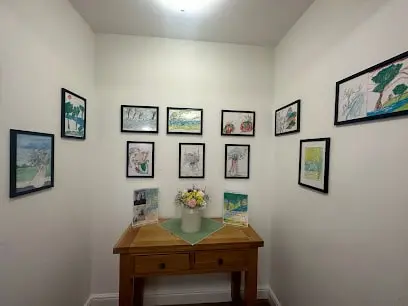
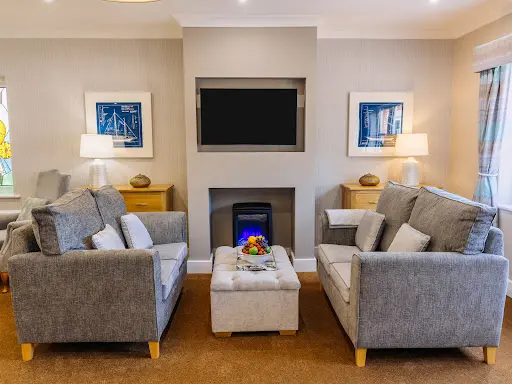
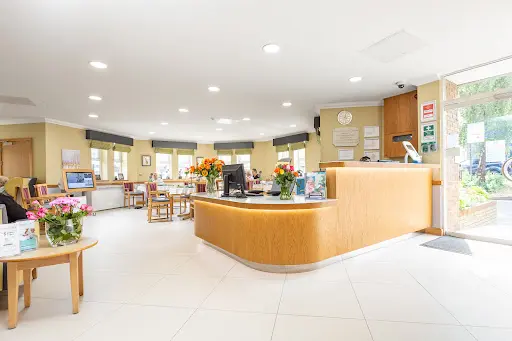
Walking into Wimbledon Common Care Home feels different from the moment you step through the door. This London home combines the comfort of hotel-style living with the warmth that comes from staff who genuinely enjoy what they do. Visitors often comment on the calm atmosphere and the little details that show real thought has gone into creating a comfortable environment.
Who they care for
The home welcomes people with physical disabilities and sensory impairments, alongside those needing general care whether they're under or over 65. They also provide dementia support.
For those considering dementia care, it's worth discussing directly with the home about their approach to supporting residents as needs change over time. They offer dementia care as part of their services, though every person's journey is unique.
“Sometimes the right care home is the one where everything just feels properly looked after — from the people to the place itself.”
DCC does not edit or curate content in this tab. For independently curated information, see The Evidence and DCC Verdict.
The DCC Verdict
Our editorial view, built from the three lenses: what families tell us, what inspectors record, and how the home sits against good dementia-care practice.
DCC Family Score
Wimbledon Common Care Home received a Good rating across all five inspection domains, which is a positive baseline. However, the published inspection text provided is very limited in specific detail, so scores reflect a general Good rating rather than strong direct evidence across individual themes.
Homes in London typically score 68–82.The three-lens summary
What families tell us
Families describe a sense of relief when they first visit, finding staff who take time to understand each person's needs during the admission process. The home buzzes with gentle activity — live music drifts through the lounges, residents gather for seasonal celebrations, and there's always something happening to spark conversation.
What inspectors have recorded
The team here stands out for their consistent professionalism paired with genuine warmth. From reception staff to care teams, there's a cohesive approach that families notice. Communication flows naturally, and the staffing levels appear robust compared to what many have seen elsewhere.
How it sits against good practice
Sometimes the right care home is the one where everything just feels properly looked after — from the people to the place itself.
Worth a visit
Wimbledon Common Care Home, on Victoria Drive in Wimbledon, was inspected on 5 July 2023 and rated Good across all five domains: Safe, Effective, Caring, Responsive, and Well-led. This is a positive result, and a consistent Good across every domain suggests that inspectors found no significant concerns in any area of the home's operation. The home cares for up to 79 people, including adults living with dementia, physical disabilities, and sensory impairment, and is run by Willowbrook Healthcare Limited. The main limitation of this report is that the published inspection text contains very little specific detail beyond the ratings themselves. That means there are no direct inspector observations, resident quotes, or family testimony to give you a richer picture of daily life here. A Good rating is meaningful, but it tells you the home met the standard at the point of inspection, not what it feels like to live there. Before making a decision, visit at different times of day, ask to see last month's actual staffing rota (counting permanent versus agency names, especially on nights), and ask what one-to-one engagement looks like for a resident who cannot join group activities.
The three questions to ask when you visitSave this home. Compare it against your shortlist.
Let our analysis show you how Wimbledon Common Care Home – Avery Collection measures up against the other homes you’re considering. Free account.
In Their Own Words
How Wimbledon Common Care Home – Avery Collection describes itself — collected from its own website. DCC has not edited or independently verified the content in this tab.
Where thoughtful touches meet genuine care in leafy south London
Compassionate Care in London at Wimbledon Common Care Home
Walking into Wimbledon Common Care Home feels different from the moment you step through the door. This London home combines the comfort of hotel-style living with the warmth that comes from staff who genuinely enjoy what they do. Visitors often comment on the calm atmosphere and the little details that show real thought has gone into creating a comfortable environment.
Who they care for
The home welcomes people with physical disabilities and sensory impairments, alongside those needing general care whether they're under or over 65. They also provide dementia support.
For those considering dementia care, it's worth discussing directly with the home about their approach to supporting residents as needs change over time. They offer dementia care as part of their services, though every person's journey is unique.
Management & ethos
The team here stands out for their consistent professionalism paired with genuine warmth. From reception staff to care teams, there's a cohesive approach that families notice. Communication flows naturally, and the staffing levels appear robust compared to what many have seen elsewhere.
The home & environment
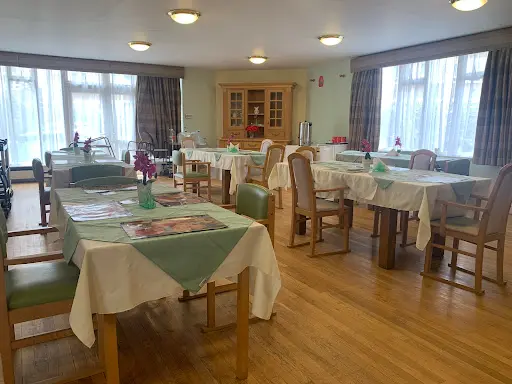
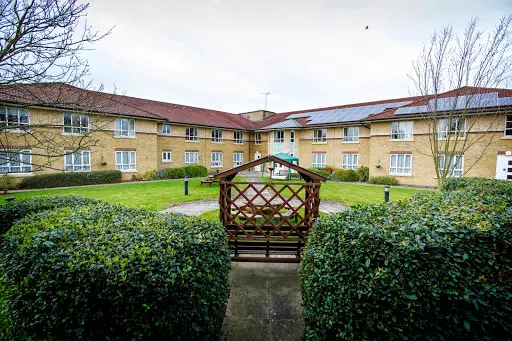
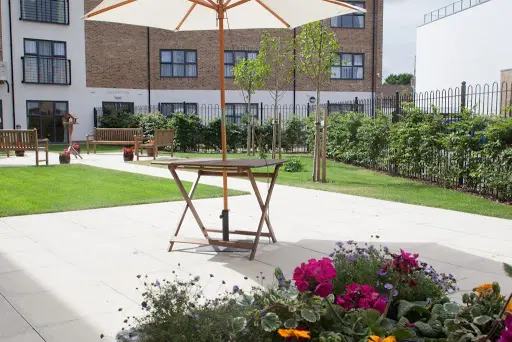
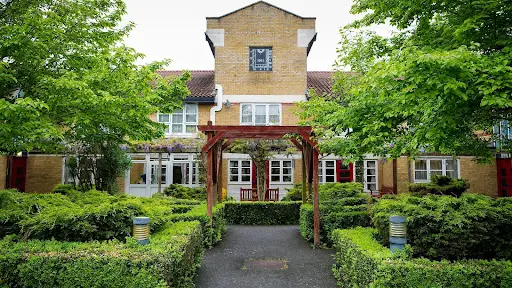
Fresh meals arrive looking as good as they taste, with home baking filling the café with inviting aromas. The en-suite rooms offer privacy and comfort, while the gardens provide peaceful spots to sit when the weather's kind. Everything feels well-kept and thoughtfully arranged.
“Sometimes the right care home is the one where everything just feels properly looked after — from the people to the place itself.”
DCC does not edit or curate content in this tab. For independently curated information, see The Evidence and DCC Verdict.