Wimbledon Common Care Home – Avery Collection

At a Glance
The information you need to decide whether this home warrants a closer look.
Residential homes
Staff warmth score
of reviewers answered yes
Good to know
- Registered beds79
- SpecialismsCaring for adults over 65 yrs, Caring for adults under 65 yrs, Dementia, Mental health conditions, Physical disabilities, Sensory impairment
- Last inspected2023-08-02
Save Wimbledon Common Care Home – Avery Collection to your shortlist
Keep a running list, add visit notes, and compare homes side-by-side. Free account — it takes a minute.
STAGE 4 — RESEARCHING CARE HOMES
Visit homes. Compare them side by side. Choose with confidence.
Most of us will view care homes the way we view houses, impression, atmosphere, the feeling in the corridor. We go home, try to remember what we saw, and make a permanent decision from a blurred memory.

The DCC shortlist gives every home you visit a structured record: the same twelve questions, answered the same way, every time. When you’re ready to choose, pull any two homes side by side and compare them directly. Same criteria, same evidence, your notes and your scores.
The Evidence
What the review data, the inspection reports, and the dementia-care evidence base tell us about this home.
What families say
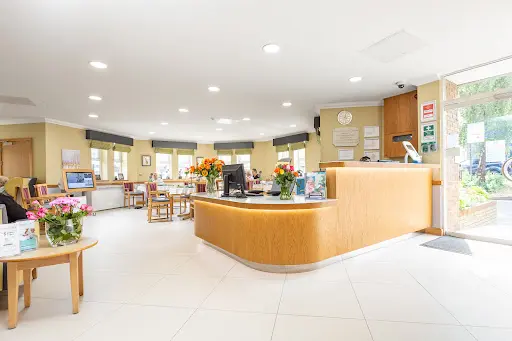
Visitors consistently mention feeling welcomed from the moment they arrive, with reception staff setting a warm tone that continues throughout the home. The atmosphere strikes a balance between professional care and genuine hospitality, with staff taking time to chat with residents and their families. Many people notice how the home maintains its hotel-like feel without losing sight of its caring purpose.
The eight family priority themes
- Staff warmth72
- Compassion & dignity72
- Cleanliness72
- Activities & engagement65
- Food quality65
- Healthcare68
- Management & leadership72
- Resident happiness70
What inspectors found
Inspected 2023-08-02
Is this home safe?
Is the care effective?
Effective was rated Good at the July 2023 inspection. This domain covers care planning, staff training, access to healthcare professionals, nutrition, and how well the home adapts care as needs change. The home lists dementia as a specialism alongside mental health conditions, physical disabilities, and sensory impairment, which means staff training across multiple areas is important. No specific detail on dementia training content, GP access arrangements, or care plan quality is included in the published text.Is this home caring?
Caring was rated Good at the July 2023 inspection. This domain covers the warmth of staff interactions, whether residents are treated with dignity and respect, how much independence is promoted, and whether people feel emotionally supported. A previous Requires Improvement rating means concerns had been raised in an earlier inspection; the current Good rating indicates improvement. No direct observations of staff interactions, no quotes from residents or relatives, and no specific examples of dignity in practice are included in the published text.Is the home responsive?
Responsive was rated Good at the July 2023 inspection. This domain covers whether activities are meaningful and tailored to individual interests, whether complaints are handled well, and whether care adapts to changing needs including at the end of life. The home supports people with dementia, mental health conditions, physical disabilities, and sensory impairment, which means the activity programme needs to work across a wide range of abilities and preferences. No specific activities, timetables, or examples of individual engagement are described in the published text.Is the home well-led?
Well-led was rated Good at the July 2023 inspection, having previously been part of a Requires Improvement rating. This domain covers the quality of leadership, whether staff feel supported and able to speak up, how the home monitors its own quality, and whether governance systems identify and address problems. The nominated individual is named as Mrs Natasha Southall, and the home is operated by Redwood Tower UK Opco 1 Limited. No specific observations about the manager's presence, staff culture, or governance mechanisms are included in the published text.
Source: CQC inspection report →
What the evidence base says
The home supports residents with physical disabilities, sensory impairments, and mental health conditions, welcoming both younger adults under 65 and older residents. They also provide dementia care, though families considering this should discuss specific needs during their visit to ensure the right fit. While dementia care is offered here, it's worth having a detailed conversation about your loved one's specific needs and how the home can support them. The team can discuss their approach to dementia support and help you understand whether they're the right match for your family member's particular situation. All areas worth probing directly during a visit.
The DCC Verdict
Our editorial view, built from the three lenses: what families tell us, what inspectors record, and how the home sits against good dementia-care practice.
DCC Family Score
Wimbledon Common Care Home has improved from Requires Improvement to Good across all five domains, which is a meaningful positive step. However, the published inspection text contains very limited specific detail, so most scores sit in the confirmed-but-general range rather than the strongly-evidenced range.
Homes in London typically score 68–82.The three-lens summary
What families tell us
Visitors consistently mention feeling welcomed from the moment they arrive, with reception staff setting a warm tone that continues throughout the home. The atmosphere strikes a balance between professional care and genuine hospitality, with staff taking time to chat with residents and their families. Many people notice how the home maintains its hotel-like feel without losing sight of its caring purpose.
What inspectors have recorded
Staff numbers appear notably generous compared to other homes, allowing team members to spend quality time with residents rather than rushing between tasks. The team's professional approach shows through in their attentive service and the way they engage with both residents and visitors. Communication between staff and families helps maintain strong connections.
How it sits against good practice
A visit to Wimbledon Common Care Home will give you the best sense of whether this welcoming environment suits your loved one's needs.
Worth a visit
Wimbledon Common Care Home, on Victoria Drive in Wimbledon, was rated Good at its inspection in July 2023, having previously been rated Requires Improvement. That improvement across all five domains is significant and suggests the leadership team identified what was not working and made changes. The home supports 79 people across a wide range of needs including dementia, mental health conditions, physical disabilities, and sensory impairment. The main limitation of this report is that the published inspection text contains very little specific detail about what inspectors actually saw, heard, or read during the visit. There are no direct quotes from residents or relatives, no specific observations of care interactions, and no figures on staffing ratios or night cover. Before deciding on this home, ask the manager to walk you through what changed between the previous Requires Improvement rating and this one, ask to see last week's staffing rota including nights, and visit at a mealtime so you can see the pace of care and the atmosphere for yourself.
The three questions to ask when you visitSave this home. Compare it against your shortlist.
Let our analysis show you how Wimbledon Common Care Home – Avery Collection measures up against the other homes you’re considering. Free account.
In Their Own Words
How Wimbledon Common Care Home – Avery Collection describes itself — collected from its own website. DCC has not edited or independently verified the content in this tab.
Where thoughtful care meets the comforts of a well-run hotel
Wimbledon Common Care Home – Expert Care in London
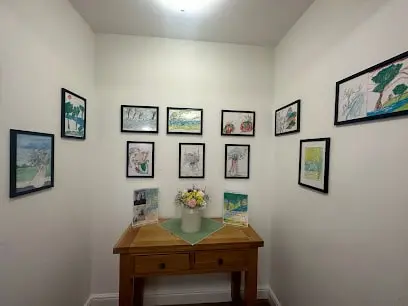
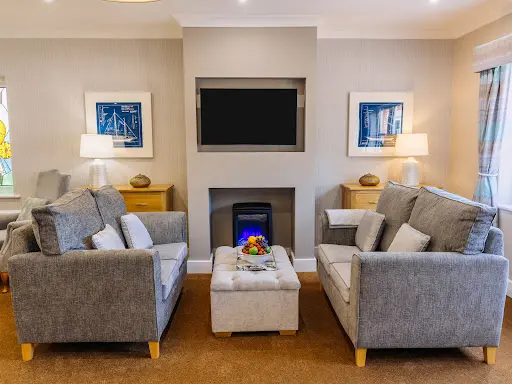
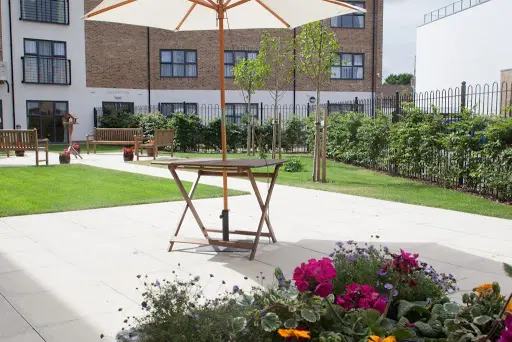
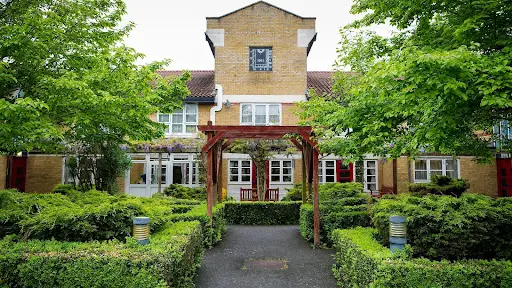
Wimbledon Common Care Home brings a refreshing approach to residential care in London, with its tastefully decorated spaces and gardens that feel more like a boutique hotel than a clinical setting. Families visiting here often comment on the warm welcome they receive and the genuine engagement between staff and residents. The home provides support for various needs including physical disabilities, mental health conditions, and sensory impairments.
Who they care for
The home supports residents with physical disabilities, sensory impairments, and mental health conditions, welcoming both younger adults under 65 and older residents. They also provide dementia care, though families considering this should discuss specific needs during their visit to ensure the right fit.
While dementia care is offered here, it's worth having a detailed conversation about your loved one's specific needs and how the home can support them. The team can discuss their approach to dementia support and help you understand whether they're the right match for your family member's particular situation.
“A visit to Wimbledon Common Care Home will give you the best sense of whether this welcoming environment suits your loved one's needs.”
DCC does not edit or curate content in this tab. For independently curated information, see The Evidence and DCC Verdict.
The DCC Verdict
Our editorial view, built from the three lenses: what families tell us, what inspectors record, and how the home sits against good dementia-care practice.
DCC Family Score
Wimbledon Common Care Home has improved from Requires Improvement to Good across all five domains, which is a meaningful positive step. However, the published inspection text contains very limited specific detail, so most scores sit in the confirmed-but-general range rather than the strongly-evidenced range.
Homes in London typically score 68–82.The three-lens summary
What families tell us
Visitors consistently mention feeling welcomed from the moment they arrive, with reception staff setting a warm tone that continues throughout the home. The atmosphere strikes a balance between professional care and genuine hospitality, with staff taking time to chat with residents and their families. Many people notice how the home maintains its hotel-like feel without losing sight of its caring purpose.
What inspectors have recorded
Staff numbers appear notably generous compared to other homes, allowing team members to spend quality time with residents rather than rushing between tasks. The team's professional approach shows through in their attentive service and the way they engage with both residents and visitors. Communication between staff and families helps maintain strong connections.
How it sits against good practice
A visit to Wimbledon Common Care Home will give you the best sense of whether this welcoming environment suits your loved one's needs.
Worth a visit
Wimbledon Common Care Home, on Victoria Drive in Wimbledon, was rated Good at its inspection in July 2023, having previously been rated Requires Improvement. That improvement across all five domains is significant and suggests the leadership team identified what was not working and made changes. The home supports 79 people across a wide range of needs including dementia, mental health conditions, physical disabilities, and sensory impairment. The main limitation of this report is that the published inspection text contains very little specific detail about what inspectors actually saw, heard, or read during the visit. There are no direct quotes from residents or relatives, no specific observations of care interactions, and no figures on staffing ratios or night cover. Before deciding on this home, ask the manager to walk you through what changed between the previous Requires Improvement rating and this one, ask to see last week's staffing rota including nights, and visit at a mealtime so you can see the pace of care and the atmosphere for yourself.
The three questions to ask when you visitSave this home. Compare it against your shortlist.
Let our analysis show you how Wimbledon Common Care Home – Avery Collection measures up against the other homes you’re considering. Free account.
In Their Own Words
How Wimbledon Common Care Home – Avery Collection describes itself — collected from its own website. DCC has not edited or independently verified the content in this tab.
Where thoughtful care meets the comforts of a well-run hotel
Wimbledon Common Care Home – Expert Care in London
Wimbledon Common Care Home brings a refreshing approach to residential care in London, with its tastefully decorated spaces and gardens that feel more like a boutique hotel than a clinical setting. Families visiting here often comment on the warm welcome they receive and the genuine engagement between staff and residents. The home provides support for various needs including physical disabilities, mental health conditions, and sensory impairments.
Who they care for
The home supports residents with physical disabilities, sensory impairments, and mental health conditions, welcoming both younger adults under 65 and older residents. They also provide dementia care, though families considering this should discuss specific needs during their visit to ensure the right fit.
While dementia care is offered here, it's worth having a detailed conversation about your loved one's specific needs and how the home can support them. The team can discuss their approach to dementia support and help you understand whether they're the right match for your family member's particular situation.
Management & ethos
Staff numbers appear notably generous compared to other homes, allowing team members to spend quality time with residents rather than rushing between tasks. The team's professional approach shows through in their attentive service and the way they engage with both residents and visitors. Communication between staff and families helps maintain strong connections.
The home & environment
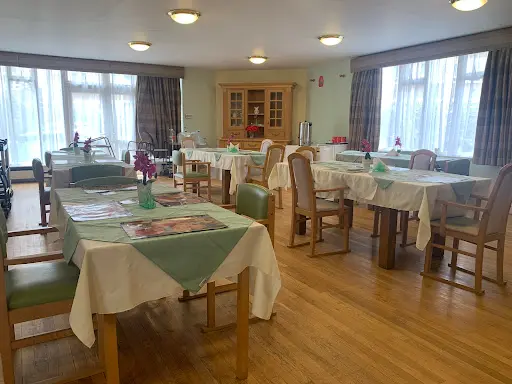
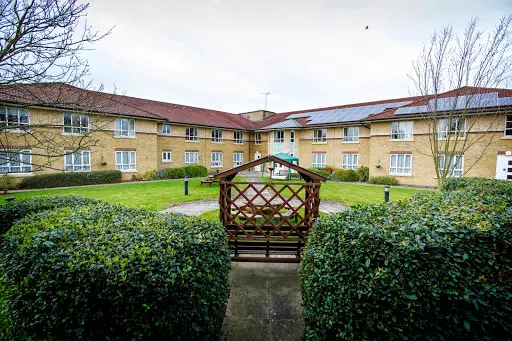
The kitchen team takes real pride in their work here, preparing fresh meals daily with varied menus that residents genuinely enjoy. The dining experience extends beyond just nutrition, with home baking and thoughtful presentation making mealtimes something to look forward to. Outside, the landscaped gardens provide peaceful spots to sit among the plants, and the programme of live music and outings adds variety to daily life.
“A visit to Wimbledon Common Care Home will give you the best sense of whether this welcoming environment suits your loved one's needs.”
DCC does not edit or curate content in this tab. For independently curated information, see The Evidence and DCC Verdict.