Wandsworth Common Care Home – Avery Collection

At a Glance
The information you need to decide whether this home warrants a closer look.
Nursing homes
Staff warmth score
of reviewers answered yes
Good to know
- Registered beds97
- SpecialismsCaring for adults over 65 yrs, Caring for adults under 65 yrs, Dementia, Physical disabilities, Sensory impairment
- Last inspected2021-10-23
Save Wandsworth Common Care Home – Avery Collection to your shortlist
Keep a running list, add visit notes, and compare homes side-by-side. Free account — it takes a minute.
STAGE 4 — RESEARCHING CARE HOMES
Visit homes. Compare them side by side. Choose with confidence.
Most of us will view care homes the way we view houses, impression, atmosphere, the feeling in the corridor. We go home, try to remember what we saw, and make a permanent decision from a blurred memory.

The DCC shortlist gives every home you visit a structured record: the same twelve questions, answered the same way, every time. When you’re ready to choose, pull any two homes side by side and compare them directly. Same criteria, same evidence, your notes and your scores.
The Evidence
What the review data, the inspection reports, and the dementia-care evidence base tell us about this home.
What families say
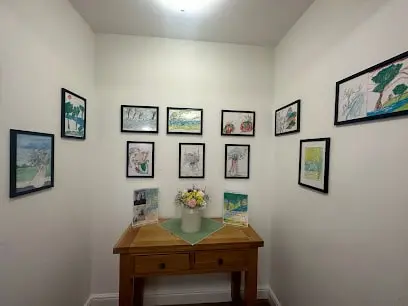
Residents talk about the meaningful friendships they've built here, particularly through the organised activities programme. The art classes seem to be a real highlight, bringing people together in creative ways. Several families have noticed how these social connections have helped their relatives settle in and feel part of something positive.
The eight family priority themes
- Staff warmth72
- Compassion & dignity72
- Cleanliness70
- Activities & engagement68
- Food quality68
- Healthcare70
- Management & leadership72
- Resident happiness70
What inspectors found
Inspected 2021-10-23
Is this home safe?
Is the care effective?
The Effective domain was rated Good at the May 2025 inspection. This domain covers training, care planning, GP access, nutrition, and how well staff understand and meet individual health needs. Dementia is listed as a specialism, which means the home should be able to describe its specific approach to dementia care. No detail about training content, care plan review frequency, or how the home involves families in care planning is available in the published report.Is this home caring?
The Caring domain was rated Good at the May 2025 inspection. This domain covers staff warmth, dignity, respect, and how well staff support independence. A Good Caring rating means inspectors did not identify concerns about how residents were treated. No specific inspector observations, resident quotes, or examples of staff behaviour are recorded in the published report text. The absence of detail makes it impossible to assess what warmth and dignity look like in practice at this home.Is the home responsive?
The Responsive domain was rated Good at the May 2025 inspection. This domain covers activities, individual engagement, responsiveness to changing needs, and end-of-life care. The home specialises in dementia, physical disabilities, and sensory impairment, which means its activity programme should be tailored to people with a wide range of abilities. No specific activities are described, no information about one-to-one engagement is available, and end-of-life planning is not mentioned in the published report.Is the home well-led?
The Well-led domain was rated Good at the May 2025 inspection. The nominated individual for the home is Mrs Natasha Southall, and the home is operated by Redwood Tower UK Opco 1 Limited. A Good Well-led rating means inspectors were satisfied with governance, culture, and management oversight at the time of the visit. This is the home's first recorded inspection, so there is no trend data to indicate whether quality is improving or stable over time. No specific observations about management visibility, staff empowerment, or how the home handles complaints are available in the published text.
Source: CQC inspection report →
What the evidence base says
The home cares for adults both under and over 65, including those with physical disabilities and sensory impairments. They have particular experience supporting post-operative recovery with structured physiotherapy programmes. For residents living with dementia, the home's activity programme and social spaces help maintain connections and engagement. The staff work to create routines that support both independence and safety. All areas worth probing directly during a visit.
The DCC Verdict
Our editorial view, built from the three lenses: what families tell us, what inspectors record, and how the home sits against good dementia-care practice.
DCC Family Score
Wandsworth Common Care Home received a Good rating across all five domains at its May 2025 inspection, which is a positive baseline. However, the published report text provides very limited specific detail, so scores reflect a confirmed Good rating rather than rich observational evidence.
Homes in London typically score 68–82.The three-lens summary
What families tell us
Residents talk about the meaningful friendships they've built here, particularly through the organised activities programme. The art classes seem to be a real highlight, bringing people together in creative ways. Several families have noticed how these social connections have helped their relatives settle in and feel part of something positive.
What inspectors have recorded
The permanent care staff show real kindness and attentiveness in their work with residents. However, families have noticed the team often seems stretched thin, with agency staff filling gaps which can affect consistency. Some relatives have found communication with management could be better, particularly when raising concerns about care delivery.
How it sits against good practice
If you're considering Wandsworth Common for someone recovering from surgery or looking for an active community environment, the combination of therapeutic facilities and social programmes might be worth exploring.
Worth a visit
Wandsworth Common Care Home, at 94 North Side Wandsworth Common in London, was rated Good across all five inspection domains at its assessment on 9 May 2025, with the report published on 7 July 2025. The home is registered for 97 beds and specialises in dementia, physical disabilities, sensory impairment, and nursing care for both older and younger adults. A consistent Good rating across Safe, Effective, Caring, Responsive, and Well-led is a positive signal: it means inspectors found no domain requiring improvement at the time of the visit. The main limitation of this report is that the published text contains almost no specific observational detail, resident testimony, or named examples to support those ratings. That means you cannot rely on this report alone to understand what daily life is like for your parent here. Before you decide, visit the home at a mealtime, ask to see last week's actual staffing rota, and ask the manager directly about night staffing numbers, agency staff usage, and how families are kept informed when something changes.
The three questions to ask when you visitSave this home. Compare it against your shortlist.
Let our analysis show you how Wandsworth Common Care Home – Avery Collection measures up against the other homes you’re considering. Free account.
In Their Own Words
How Wandsworth Common Care Home – Avery Collection describes itself — collected from its own website. DCC has not edited or independently verified the content in this tab.
Where post-surgery recovery meets spa facilities and genuine friendship
Dedicated nursing home Support in London
When you're looking at care homes in London, Wandsworth Common Care Home stands out for its approach to helping residents rebuild their lives after hospital stays. The building combines therapeutic facilities with social spaces that encourage real connections between residents. Families describe watching their loved ones regain strength through structured physiotherapy programmes while forming friendships over art classes and meals.
Who they care for
The home cares for adults both under and over 65, including those with physical disabilities and sensory impairments. They have particular experience supporting post-operative recovery with structured physiotherapy programmes.
For residents living with dementia, the home's activity programme and social spaces help maintain connections and engagement. The staff work to create routines that support both independence and safety.
“If you're considering Wandsworth Common for someone recovering from surgery or looking for an active community environment, the combination of therapeutic facilities and social programmes might be worth exploring.”
DCC does not edit or curate content in this tab. For independently curated information, see The Evidence and DCC Verdict.
The DCC Verdict
Our editorial view, built from the three lenses: what families tell us, what inspectors record, and how the home sits against good dementia-care practice.
DCC Family Score
Wandsworth Common Care Home received a Good rating across all five domains at its May 2025 inspection, which is a positive baseline. However, the published report text provides very limited specific detail, so scores reflect a confirmed Good rating rather than rich observational evidence.
Homes in London typically score 68–82.The three-lens summary
What families tell us
Residents talk about the meaningful friendships they've built here, particularly through the organised activities programme. The art classes seem to be a real highlight, bringing people together in creative ways. Several families have noticed how these social connections have helped their relatives settle in and feel part of something positive.
What inspectors have recorded
The permanent care staff show real kindness and attentiveness in their work with residents. However, families have noticed the team often seems stretched thin, with agency staff filling gaps which can affect consistency. Some relatives have found communication with management could be better, particularly when raising concerns about care delivery.
How it sits against good practice
If you're considering Wandsworth Common for someone recovering from surgery or looking for an active community environment, the combination of therapeutic facilities and social programmes might be worth exploring.
Worth a visit
Wandsworth Common Care Home, at 94 North Side Wandsworth Common in London, was rated Good across all five inspection domains at its assessment on 9 May 2025, with the report published on 7 July 2025. The home is registered for 97 beds and specialises in dementia, physical disabilities, sensory impairment, and nursing care for both older and younger adults. A consistent Good rating across Safe, Effective, Caring, Responsive, and Well-led is a positive signal: it means inspectors found no domain requiring improvement at the time of the visit. The main limitation of this report is that the published text contains almost no specific observational detail, resident testimony, or named examples to support those ratings. That means you cannot rely on this report alone to understand what daily life is like for your parent here. Before you decide, visit the home at a mealtime, ask to see last week's actual staffing rota, and ask the manager directly about night staffing numbers, agency staff usage, and how families are kept informed when something changes.
The three questions to ask when you visitSave this home. Compare it against your shortlist.
Let our analysis show you how Wandsworth Common Care Home – Avery Collection measures up against the other homes you’re considering. Free account.
In Their Own Words
How Wandsworth Common Care Home – Avery Collection describes itself — collected from its own website. DCC has not edited or independently verified the content in this tab.
Where post-surgery recovery meets spa facilities and genuine friendship
Dedicated nursing home Support in London
When you're looking at care homes in London, Wandsworth Common Care Home stands out for its approach to helping residents rebuild their lives after hospital stays. The building combines therapeutic facilities with social spaces that encourage real connections between residents. Families describe watching their loved ones regain strength through structured physiotherapy programmes while forming friendships over art classes and meals.
Who they care for
The home cares for adults both under and over 65, including those with physical disabilities and sensory impairments. They have particular experience supporting post-operative recovery with structured physiotherapy programmes.
For residents living with dementia, the home's activity programme and social spaces help maintain connections and engagement. The staff work to create routines that support both independence and safety.
Management & ethos
The permanent care staff show real kindness and attentiveness in their work with residents. However, families have noticed the team often seems stretched thin, with agency staff filling gaps which can affect consistency. Some relatives have found communication with management could be better, particularly when raising concerns about care delivery.
The home & environment
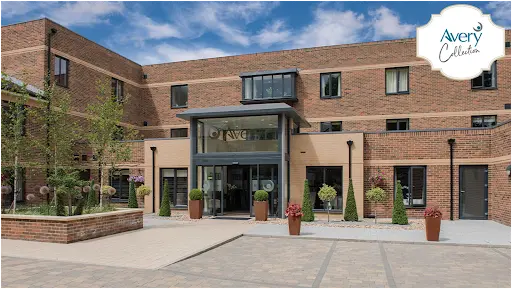
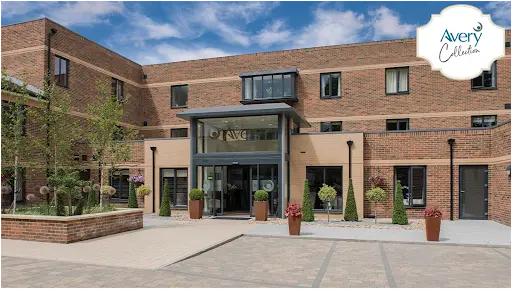
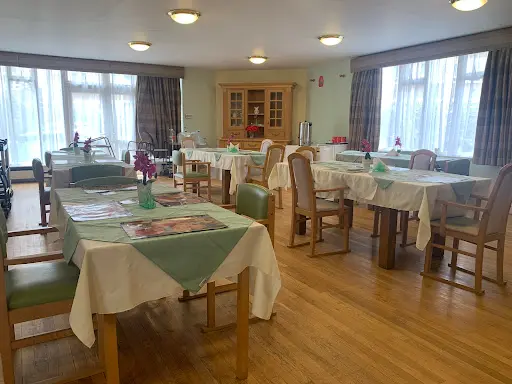
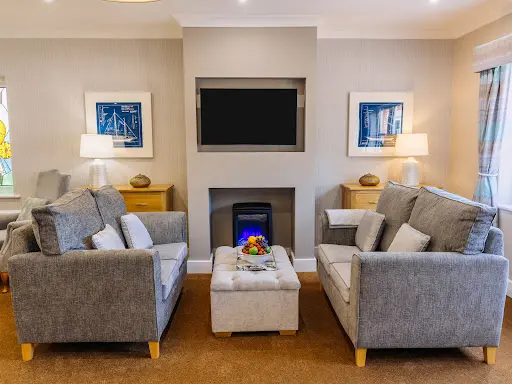
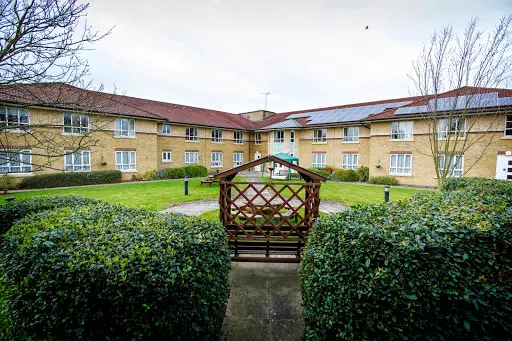
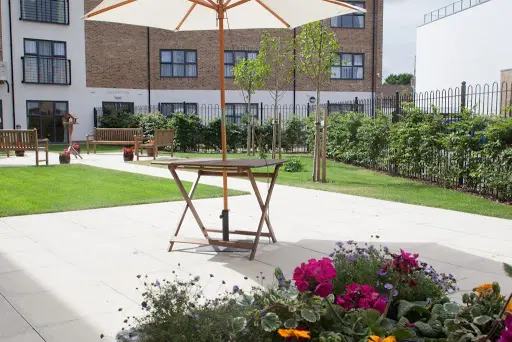
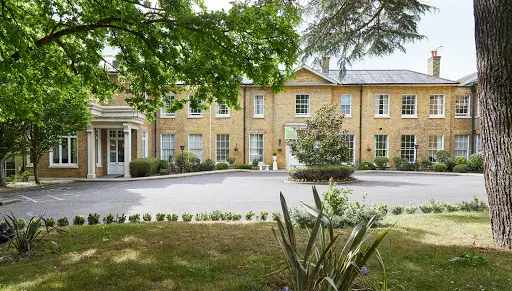
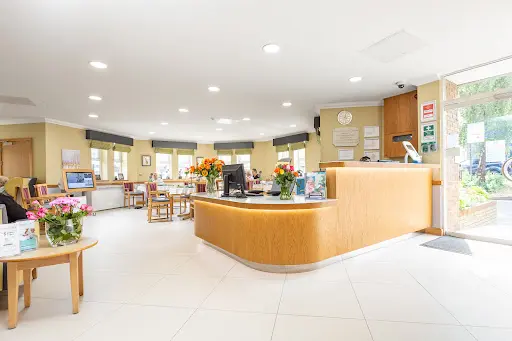
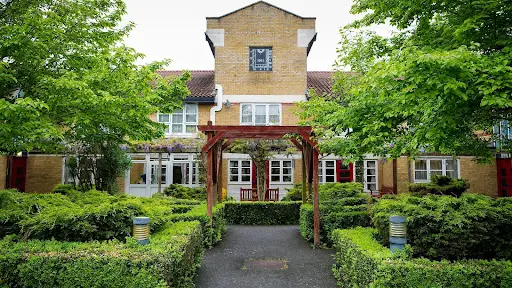
The in-house kitchen gets consistent praise for producing varied menus that residents genuinely enjoy. The building itself offers some unexpected touches — there's a spa area and cinema alongside the comfortable communal spaces. These facilities give residents choices about how they spend their time and make it easier for visitors to share relaxed moments together.
“If you're considering Wandsworth Common for someone recovering from surgery or looking for an active community environment, the combination of therapeutic facilities and social programmes might be worth exploring.”
DCC does not edit or curate content in this tab. For independently curated information, see The Evidence and DCC Verdict.