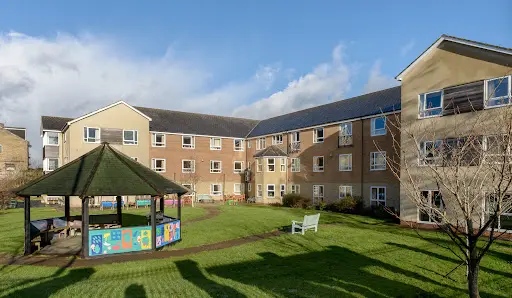
Kirkley Lodge care home, Coulby Newham
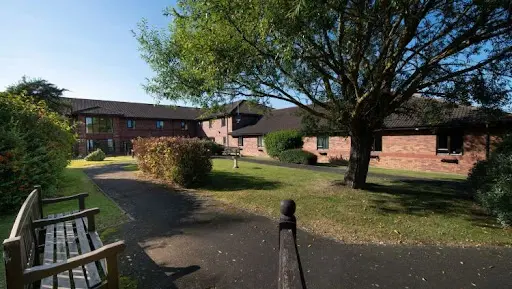
At a Glance
The information you need to decide whether this home warrants a closer look.
Residential homes
Staff warmth score
of reviewers answered yes
Good to know
- Registered beds47
- SpecialismsCaring for adults over 65 yrs, Dementia
- Last inspected2023-02-10
Save Kirkley Lodge care home, Coulby Newham to your shortlist
Keep a running list, add visit notes, and compare homes side-by-side. Free account — it takes a minute.
STAGE 4 — RESEARCHING CARE HOMES
Visit homes. Compare them side by side. Choose with confidence.
Most of us will view care homes the way we view houses, impression, atmosphere, the feeling in the corridor. We go home, try to remember what we saw, and make a permanent decision from a blurred memory.

The DCC shortlist gives every home you visit a structured record: the same twelve questions, answered the same way, every time. When you’re ready to choose, pull any two homes side by side and compare them directly. Same criteria, same evidence, your notes and your scores.
The Evidence
What the review data, the inspection reports, and the dementia-care evidence base tell us about this home.
What families say
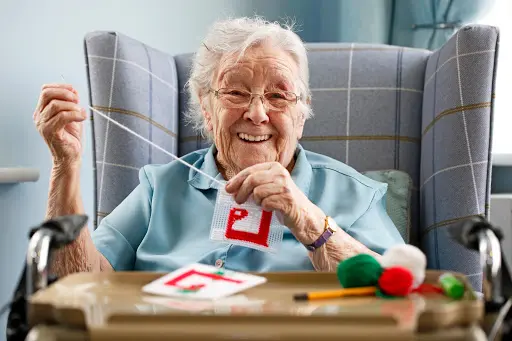
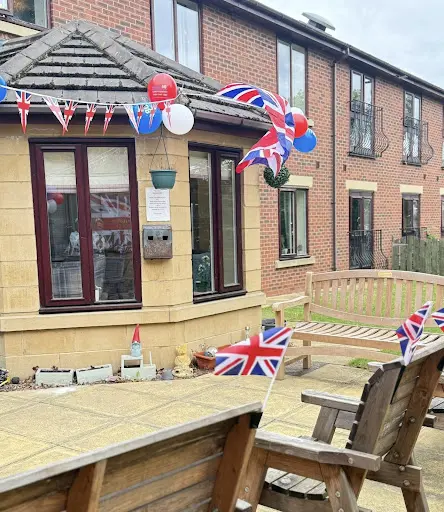
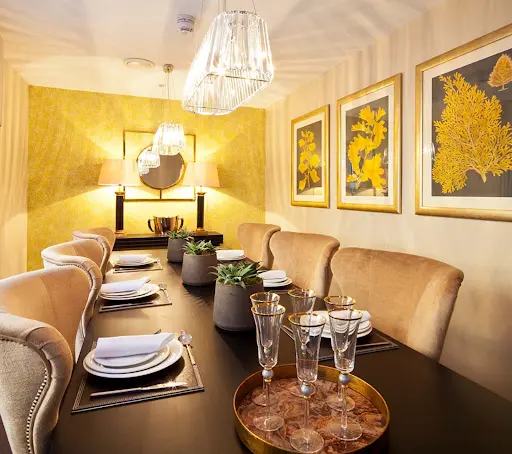
The home keeps residents engaged through the day with crafts, games, and music sessions that draw people together in the dining room. Families mention seasonal decorations and special buffets that mark the calendar, creating reasons to gather and chat. Staff work to encourage everyone to join in at mealtimes, understanding that company and conversation matter as much as the food itself.
The eight family priority themes
- Staff warmth72
- Compassion & dignity72
- Cleanliness70
- Activities & engagement60
- Food quality60
- Healthcare65
- Management & leadership72
- Resident happiness68
What inspectors found
Inspected 2023-02-10
Is this home safe?
Is the care effective?
The home received a Good rating for effectiveness at its January 2023 inspection. The published text does not describe the content of care plans, GP access arrangements, medicines administration, or dementia-specific training in any detail. The home has a dementia specialism registered with the regulator. No concerns were identified in this domain.Is this home caring?
Kirkley Lodge received a Good rating for caring at its January 2023 inspection. The published text does not include specific observations of staff interactions, quotes from residents or relatives, or examples of how dignity and privacy are maintained. No concerns were identified in this domain. The Good rating indicates inspectors were satisfied with the standard of care observed.Is the home responsive?
Kirkley Lodge received a Good rating for responsiveness at its January 2023 inspection. The published text does not describe the activities programme, how the home supports individual preferences, or how it approaches end-of-life care. No concerns were identified. The home's dementia specialism suggests it should have provision for residents across a range of abilities, but no specific detail is available from the published findings.Is the home well-led?
Kirkley Lodge received a Good rating for well-led at its January 2023 inspection. Mrs Anna Louise Bracey is the registered manager and Mr Daniel Ryan is the nominated individual for Anchor Hanover Group. The published text does not describe management visibility, staff culture, governance processes, or how the home handles complaints. No concerns were identified in this domain. The July 2023 monitoring review found no evidence requiring reassessment.
Source: CQC inspection report →
What the evidence base says
The home cares for people over 65, with particular experience supporting those living with dementia. Staff show real understanding of how dementia affects daily life, maintaining familiar routines and finding ways to connect with each person. The continuity of carers means residents see familiar faces who know their history and habits. All areas worth probing directly during a visit.
The DCC Verdict
Our editorial view, built from the three lenses: what families tell us, what inspectors record, and how the home sits against good dementia-care practice.
DCC Family Score
Kirkley Lodge was rated Good across all five inspection domains, which places it in the positive-but-limited-evidence band. The published inspection text does not include specific observations, quotes, or detailed examples, so scores reflect a confirmed Good rating without the granular detail that would push them higher.
Homes in North East typically score 68–82.The three-lens summary
What families tell us
The home keeps residents engaged through the day with crafts, games, and music sessions that draw people together in the dining room. Families mention seasonal decorations and special buffets that mark the calendar, creating reasons to gather and chat. Staff work to encourage everyone to join in at mealtimes, understanding that company and conversation matter as much as the food itself.
What inspectors have recorded
What stands out is how well the care team knows each resident. Staff remember personal details and preferences long-term, adjusting their approach as needs change. When families have faced difficult moments, including hospital stays and end-of-life care, the team has provided consistent support.
How it sits against good practice
While one family did experience frustrating communication issues with the admissions team, the direct care consistently reflects genuine knowledge of and commitment to residents.
Worth a visit
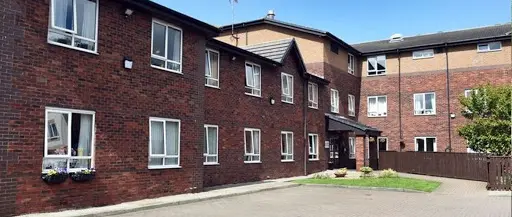
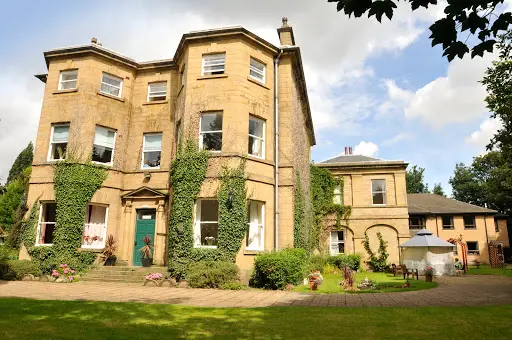
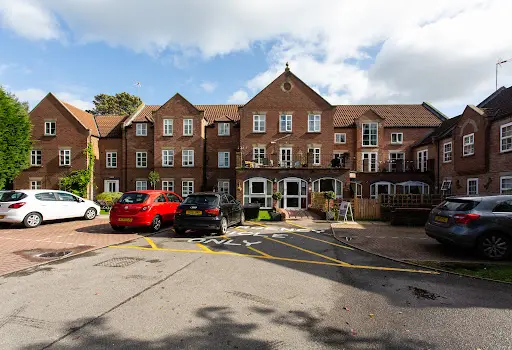
Kirkley Lodge, on Dalby Way in Middlesbrough, was rated Good at its last inspection in January 2023, with Good ratings in every domain: Safe, Effective, Caring, Responsive, and Well-led. A follow-up monitoring review in July 2023 found no evidence to change that rating. The home is run by Anchor Hanover Group, a large not-for-profit provider, and has a named registered manager in post. It is registered to care for adults over 65, including people with dementia, and has 47 beds. The main limitation of this report is that the published inspection text is brief and does not include specific observations, staff or resident quotes, or detailed examples of day-to-day care. A Good rating is meaningful and should give you reasonable confidence, but it cannot tell you what the atmosphere feels like on a Tuesday afternoon or how staff respond when your dad is having a difficult day. Before making a decision, arrange a visit during a weekday, arrive at or just after a mealtime so you can observe how food is served and how staff interact with residents, and ask the manager directly about night staffing ratios, agency use, and how the home supports residents with advanced dementia who cannot join group activities.
The three questions to ask when you visitSave this home. Compare it against your shortlist.
Let our analysis show you how Kirkley Lodge care home, Coulby Newham measures up against the other homes you’re considering. Free account.
In Their Own Words
How Kirkley Lodge care home, Coulby Newham describes itself — collected from its own website. DCC has not edited or independently verified the content in this tab.
Where staff remember the little things that make each person unique
Dedicated residential home Support in Middlesbrough
When someone you love needs dementia care, you want to know they'll be understood as an individual. Kirkley Lodge in Middlesbrough has built its reputation on staff who take time to learn what makes each resident tick — from favourite songs to how they take their tea. Families describe a place where their relatives have lived contentedly for years, with carers who notice when someone needs extra encouragement or a familiar routine.
Who they care for
The home cares for people over 65, with particular experience supporting those living with dementia.
Staff show real understanding of how dementia affects daily life, maintaining familiar routines and finding ways to connect with each person. The continuity of carers means residents see familiar faces who know their history and habits.
“While one family did experience frustrating communication issues with the admissions team, the direct care consistently reflects genuine knowledge of and commitment to residents.”
DCC does not edit or curate content in this tab. For independently curated information, see The Evidence and DCC Verdict.
The DCC Verdict
Our editorial view, built from the three lenses: what families tell us, what inspectors record, and how the home sits against good dementia-care practice.
DCC Family Score
Kirkley Lodge was rated Good across all five inspection domains, which places it in the positive-but-limited-evidence band. The published inspection text does not include specific observations, quotes, or detailed examples, so scores reflect a confirmed Good rating without the granular detail that would push them higher.
Homes in North East typically score 68–82.The three-lens summary
What families tell us
The home keeps residents engaged through the day with crafts, games, and music sessions that draw people together in the dining room. Families mention seasonal decorations and special buffets that mark the calendar, creating reasons to gather and chat. Staff work to encourage everyone to join in at mealtimes, understanding that company and conversation matter as much as the food itself.
What inspectors have recorded
What stands out is how well the care team knows each resident. Staff remember personal details and preferences long-term, adjusting their approach as needs change. When families have faced difficult moments, including hospital stays and end-of-life care, the team has provided consistent support.
How it sits against good practice
While one family did experience frustrating communication issues with the admissions team, the direct care consistently reflects genuine knowledge of and commitment to residents.
Worth a visit
Kirkley Lodge, on Dalby Way in Middlesbrough, was rated Good at its last inspection in January 2023, with Good ratings in every domain: Safe, Effective, Caring, Responsive, and Well-led. A follow-up monitoring review in July 2023 found no evidence to change that rating. The home is run by Anchor Hanover Group, a large not-for-profit provider, and has a named registered manager in post. It is registered to care for adults over 65, including people with dementia, and has 47 beds. The main limitation of this report is that the published inspection text is brief and does not include specific observations, staff or resident quotes, or detailed examples of day-to-day care. A Good rating is meaningful and should give you reasonable confidence, but it cannot tell you what the atmosphere feels like on a Tuesday afternoon or how staff respond when your dad is having a difficult day. Before making a decision, arrange a visit during a weekday, arrive at or just after a mealtime so you can observe how food is served and how staff interact with residents, and ask the manager directly about night staffing ratios, agency use, and how the home supports residents with advanced dementia who cannot join group activities.
The three questions to ask when you visitSave this home. Compare it against your shortlist.
Let our analysis show you how Kirkley Lodge care home, Coulby Newham measures up against the other homes you’re considering. Free account.
In Their Own Words
How Kirkley Lodge care home, Coulby Newham describes itself — collected from its own website. DCC has not edited or independently verified the content in this tab.
Where staff remember the little things that make each person unique
Dedicated residential home Support in Middlesbrough
When someone you love needs dementia care, you want to know they'll be understood as an individual. Kirkley Lodge in Middlesbrough has built its reputation on staff who take time to learn what makes each resident tick — from favourite songs to how they take their tea. Families describe a place where their relatives have lived contentedly for years, with carers who notice when someone needs extra encouragement or a familiar routine.
Who they care for
The home cares for people over 65, with particular experience supporting those living with dementia.
Staff show real understanding of how dementia affects daily life, maintaining familiar routines and finding ways to connect with each person. The continuity of carers means residents see familiar faces who know their history and habits.
Management & ethos
What stands out is how well the care team knows each resident. Staff remember personal details and preferences long-term, adjusting their approach as needs change. When families have faced difficult moments, including hospital stays and end-of-life care, the team has provided consistent support.
The home & environment
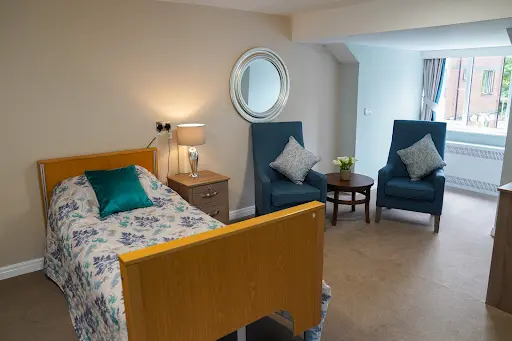
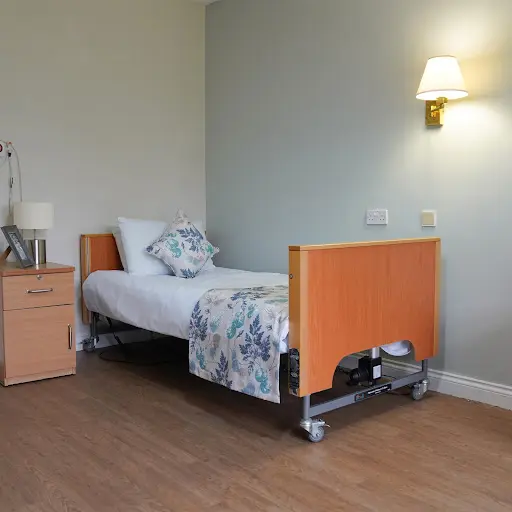
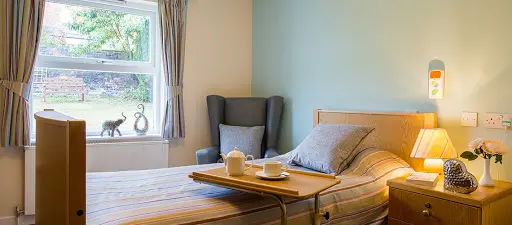
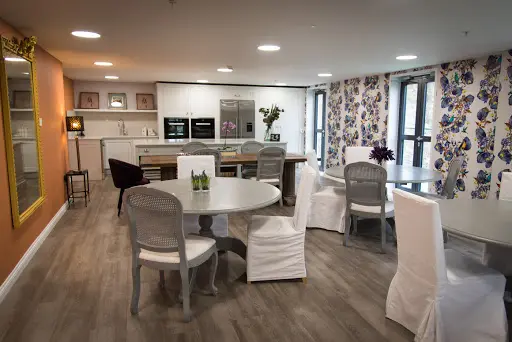
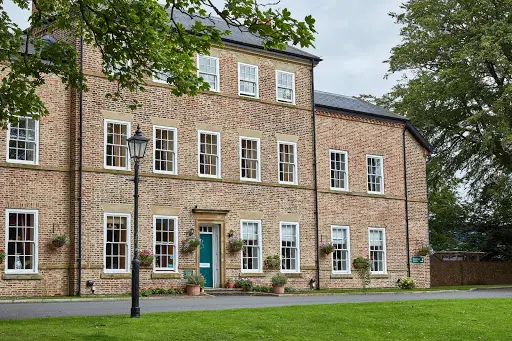
The kitchen produces proper home cooking — families talk about fresh cakes, quiche, and treats alongside regular meals. Bedrooms get redecorated regularly to keep them fresh and comfortable, something relatives notice when they visit over months and years.
“While one family did experience frustrating communication issues with the admissions team, the direct care consistently reflects genuine knowledge of and commitment to residents.”
DCC does not edit or curate content in this tab. For independently curated information, see The Evidence and DCC Verdict.