Roseleigh Care Home
At a Glance
The information you need to decide whether this home warrants a closer look.
Residential homes
Staff warmth score
of reviewers answered yes
Good to know
- Registered beds50
- SpecialismsCaring for adults over 65 yrs, Caring for adults under 65 yrs, Dementia, Mental health conditions, Physical disabilities
- Last inspected2019-11-21
Save Roseleigh Care Home to your shortlist
Keep a running list, add visit notes, and compare homes side-by-side. Free account — it takes a minute.
STAGE 4 — RESEARCHING CARE HOMES
Visit homes. Compare them side by side. Choose with confidence.
Most of us will view care homes the way we view houses, impression, atmosphere, the feeling in the corridor. We go home, try to remember what we saw, and make a permanent decision from a blurred memory.

The DCC shortlist gives every home you visit a structured record: the same twelve questions, answered the same way, every time. When you’re ready to choose, pull any two homes side by side and compare them directly. Same criteria, same evidence, your notes and your scores.
The Evidence
What the review data, the inspection reports, and the dementia-care evidence base tell us about this home.
What families say
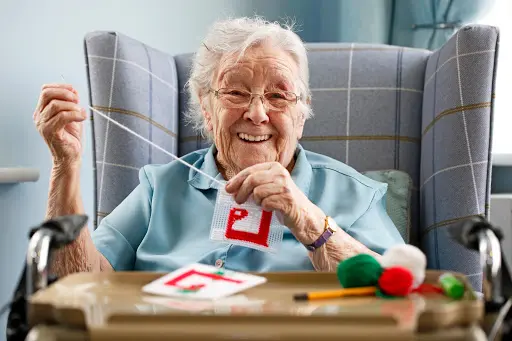
Families talk about feeling genuinely welcomed here, with staff who are approachable and friendly across every department. There's a real sense of residents being treated as individuals rather than just another person to care for. Regular entertainment, exercise classes and afternoon teas help create a rhythm to the days, keeping people engaged and occupied.
The eight family priority themes
- Staff warmth72
- Compassion & dignity72
- Cleanliness70
- Activities & engagement65
- Food quality60
- Healthcare68
- Management & leadership72
- Resident happiness70
What inspectors found
Inspected 2019-11-21
Is this home safe?
Is the care effective?
The home was rated Good for effectiveness at the February 2022 inspection. The published report does not detail the quality of care plans, the frequency of GP access, the content of dementia training, or the standard of food provided. The home is registered to care for people with dementia as well as physical and mental health conditions, which means effectiveness of care planning is particularly important.Is this home caring?
The home was rated Good for caring at the February 2022 inspection. The published text does not include inspector observations of staff interactions, resident testimony about how they are treated, or specific examples of dignity being upheld or compromised. This is the domain where families most want reassurance, and it is the area where the published text provides the least information.Is the home responsive?
The home was rated Good for responsiveness at the February 2022 inspection. The published text does not describe the activity programme, how individual preferences are recorded and acted on, or how end-of-life planning is approached. The home is registered for people with dementia, which means responsiveness to communication needs and changing abilities is particularly important.Is the home well-led?
The home was rated Good for well-led at the February 2022 inspection, having previously been rated Requires Improvement. Ms Emily Jane Whitehurst is named as the nominated individual responsible for the service, and it is operated by Constantia Healthcare Limited. The published text does not describe the manager's tenure, visibility, or how staff are supported to raise concerns.
Source: CQC inspection report →
What the evidence base says
The home cares for adults both under and over 65, including those living with dementia, mental health conditions and physical disabilities. For those living with dementia, the secure environment and structured daily activities provide reassurance. Staff work to understand each person's individual patterns and preferences, adapting their approach accordingly. All areas worth probing directly during a visit.
The DCC Verdict
Our editorial view, built from the three lenses: what families tell us, what inspectors record, and how the home sits against good dementia-care practice.
DCC Family Score
Roseleigh Care Home scores 72 out of 100, reflecting a Good rating across all five inspection domains following improvement from a previous Requires Improvement rating. The score is held back by limited specific detail in the published inspection text, meaning several areas cannot be verified beyond a general compliance level.
Homes in North East typically score 68–82.The three-lens summary
What families tell us
Families talk about feeling genuinely welcomed here, with staff who are approachable and friendly across every department. There's a real sense of residents being treated as individuals rather than just another person to care for. Regular entertainment, exercise classes and afternoon teas help create a rhythm to the days, keeping people engaged and occupied.
What inspectors have recorded
Communication stands out as a real strength, with families hearing promptly about any health changes or GP visits. Staff across the board — from carers to kitchen teams to management — consistently earn praise for their professionalism and willingness to help. While some concerns have been raised about medicine administration and care consistency, the overwhelming feedback points to staff who genuinely care about getting things right for each resident.
How it sits against good practice
If you're considering Roseleigh, visiting in person will give you the clearest sense of whether it feels right for your family.
Worth a visit
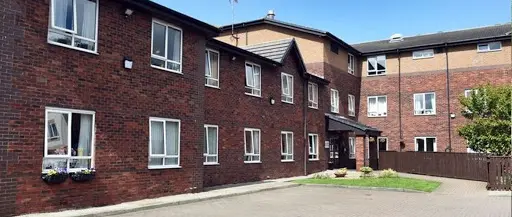
Roseleigh Care Home on Lytton Street in Middlesbrough was rated Good across all five inspection domains at its most recent inspection in February 2022, with a monitoring review in July 2023 confirming no concerns had emerged since. Importantly, this Good rating represents a step up from a previous Requires Improvement rating, which tells you that something was wrong before and that the home took action to address it. The home is registered to care for up to 50 people, including those living with dementia, mental health conditions, and physical disabilities. The main limitation of this report is that the published inspection text is very short and contains almost no specific observations about day-to-day life at the home. This means the Good rating is confirmed but the evidence behind it is not visible to you as a family. Before making a decision, visit in person and ask to see last week's actual staffing rota, the activity planner for the past month, and a sample care plan. Ask the manager directly what was wrong at the previous inspection and exactly what changed. The answers to those questions will tell you more than any rating.
The three questions to ask when you visitSave this home. Compare it against your shortlist.
Let our analysis show you how Roseleigh Care Home measures up against the other homes you’re considering. Free account.
In Their Own Words
How Roseleigh Care Home describes itself — collected from its own website. DCC has not edited or independently verified the content in this tab.
Where individual needs shape everyday care in Middlesbrough
Dedicated residential home Support in Middlesbrough
Finding somewhere that truly understands your loved one's unique needs can feel overwhelming. At Roseleigh Care Home in Middlesbrough, families describe a place where staff take time to know each resident personally — from their preferred routines to the small details that matter. The home supports people with dementia, mental health conditions and physical disabilities, alongside general care for those over and under 65.
Who they care for
The home cares for adults both under and over 65, including those living with dementia, mental health conditions and physical disabilities.
For those living with dementia, the secure environment and structured daily activities provide reassurance. Staff work to understand each person's individual patterns and preferences, adapting their approach accordingly.
“If you're considering Roseleigh, visiting in person will give you the clearest sense of whether it feels right for your family.”
DCC does not edit or curate content in this tab. For independently curated information, see The Evidence and DCC Verdict.
The DCC Verdict
Our editorial view, built from the three lenses: what families tell us, what inspectors record, and how the home sits against good dementia-care practice.
DCC Family Score
Roseleigh Care Home scores 72 out of 100, reflecting a Good rating across all five inspection domains following improvement from a previous Requires Improvement rating. The score is held back by limited specific detail in the published inspection text, meaning several areas cannot be verified beyond a general compliance level.
Homes in North East typically score 68–82.The three-lens summary
What families tell us
Families talk about feeling genuinely welcomed here, with staff who are approachable and friendly across every department. There's a real sense of residents being treated as individuals rather than just another person to care for. Regular entertainment, exercise classes and afternoon teas help create a rhythm to the days, keeping people engaged and occupied.
What inspectors have recorded
Communication stands out as a real strength, with families hearing promptly about any health changes or GP visits. Staff across the board — from carers to kitchen teams to management — consistently earn praise for their professionalism and willingness to help. While some concerns have been raised about medicine administration and care consistency, the overwhelming feedback points to staff who genuinely care about getting things right for each resident.
How it sits against good practice
If you're considering Roseleigh, visiting in person will give you the clearest sense of whether it feels right for your family.
Worth a visit
Roseleigh Care Home on Lytton Street in Middlesbrough was rated Good across all five inspection domains at its most recent inspection in February 2022, with a monitoring review in July 2023 confirming no concerns had emerged since. Importantly, this Good rating represents a step up from a previous Requires Improvement rating, which tells you that something was wrong before and that the home took action to address it. The home is registered to care for up to 50 people, including those living with dementia, mental health conditions, and physical disabilities. The main limitation of this report is that the published inspection text is very short and contains almost no specific observations about day-to-day life at the home. This means the Good rating is confirmed but the evidence behind it is not visible to you as a family. Before making a decision, visit in person and ask to see last week's actual staffing rota, the activity planner for the past month, and a sample care plan. Ask the manager directly what was wrong at the previous inspection and exactly what changed. The answers to those questions will tell you more than any rating.
The three questions to ask when you visitSave this home. Compare it against your shortlist.
Let our analysis show you how Roseleigh Care Home measures up against the other homes you’re considering. Free account.
In Their Own Words
How Roseleigh Care Home describes itself — collected from its own website. DCC has not edited or independently verified the content in this tab.
Where individual needs shape everyday care in Middlesbrough
Dedicated residential home Support in Middlesbrough
Finding somewhere that truly understands your loved one's unique needs can feel overwhelming. At Roseleigh Care Home in Middlesbrough, families describe a place where staff take time to know each resident personally — from their preferred routines to the small details that matter. The home supports people with dementia, mental health conditions and physical disabilities, alongside general care for those over and under 65.
Who they care for
The home cares for adults both under and over 65, including those living with dementia, mental health conditions and physical disabilities.
For those living with dementia, the secure environment and structured daily activities provide reassurance. Staff work to understand each person's individual patterns and preferences, adapting their approach accordingly.
Management & ethos
Communication stands out as a real strength, with families hearing promptly about any health changes or GP visits. Staff across the board — from carers to kitchen teams to management — consistently earn praise for their professionalism and willingness to help. While some concerns have been raised about medicine administration and care consistency, the overwhelming feedback points to staff who genuinely care about getting things right for each resident.
The home & environment
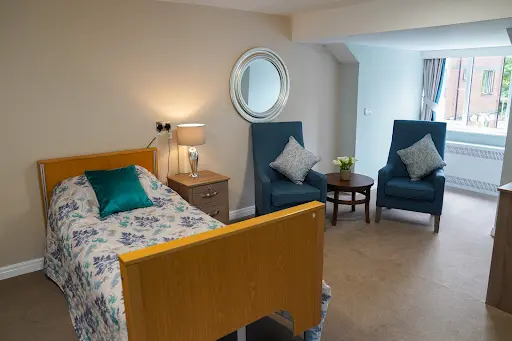
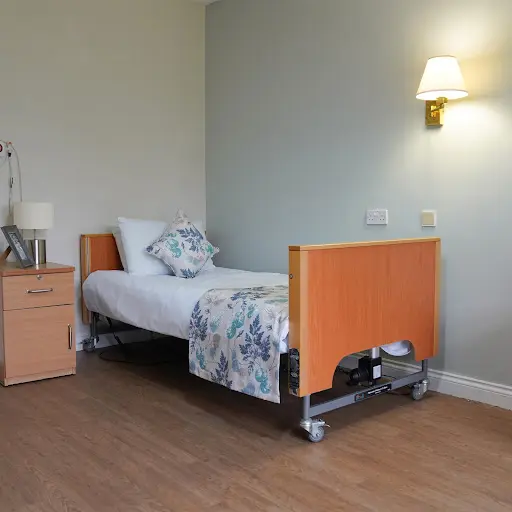
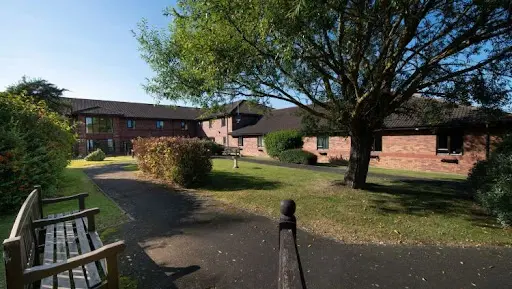
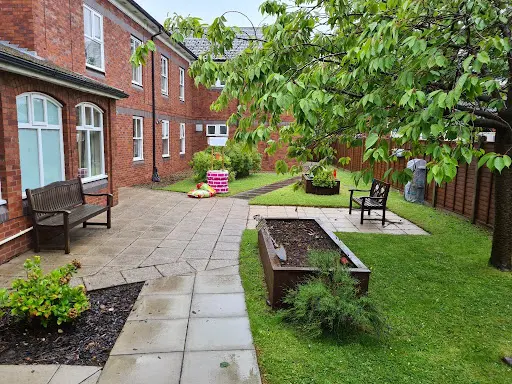
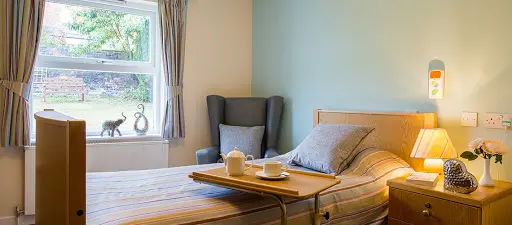
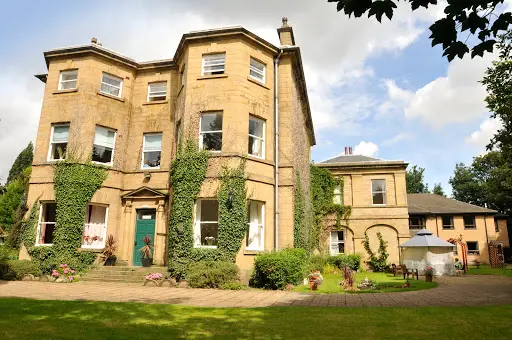
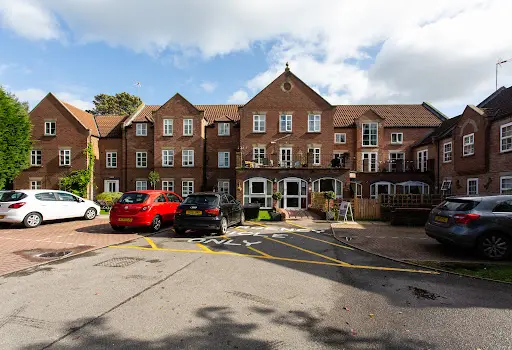
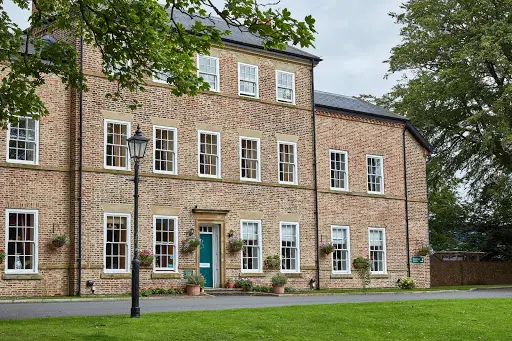
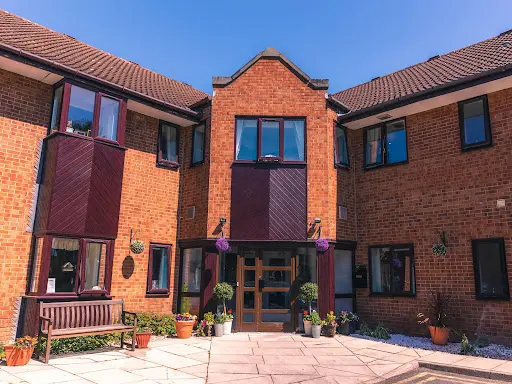
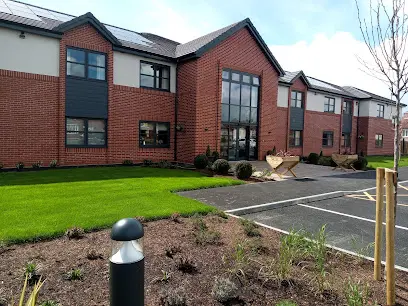
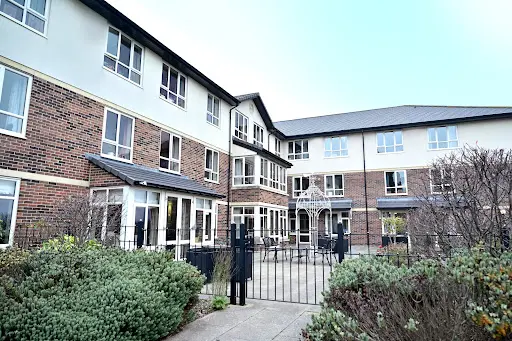
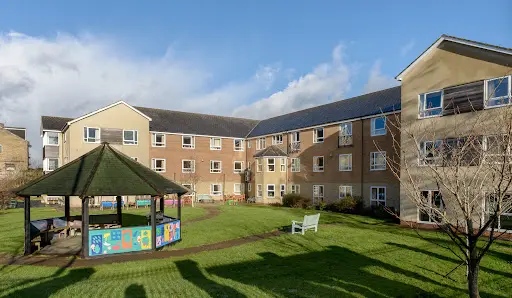
The home offers some flexibility that families find reassuring — including self-contained units for those who don't need round-the-clock support but benefit from being in a care setting. Families describe feeling confident that their relatives are safe and secure here.
“If you're considering Roseleigh, visiting in person will give you the clearest sense of whether it feels right for your family.”
DCC does not edit or curate content in this tab. For independently curated information, see The Evidence and DCC Verdict.