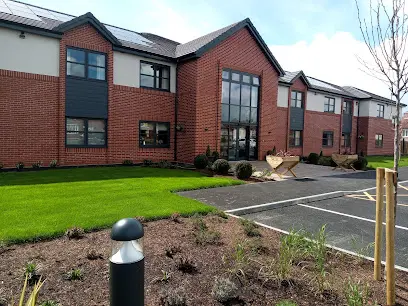
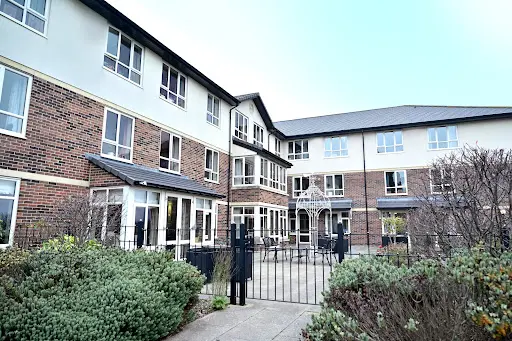
Fountains Court
At a Glance
The information you need to decide whether this home warrants a closer look.
Residential homes
Staff warmth score
of reviewers answered yes
Good to know
- Registered beds43
- SpecialismsCaring for adults over 65 yrs, Dementia
- Last inspected2018-08-02
Save Fountains Court to your shortlist
Keep a running list, add visit notes, and compare homes side-by-side. Free account — it takes a minute.
STAGE 4 — RESEARCHING CARE HOMES
Visit homes. Compare them side by side. Choose with confidence.
Most of us will view care homes the way we view houses, impression, atmosphere, the feeling in the corridor. We go home, try to remember what we saw, and make a permanent decision from a blurred memory.

The DCC shortlist gives every home you visit a structured record: the same twelve questions, answered the same way, every time. When you’re ready to choose, pull any two homes side by side and compare them directly. Same criteria, same evidence, your notes and your scores.
The Evidence
What the review data, the inspection reports, and the dementia-care evidence base tell us about this home.
What families say
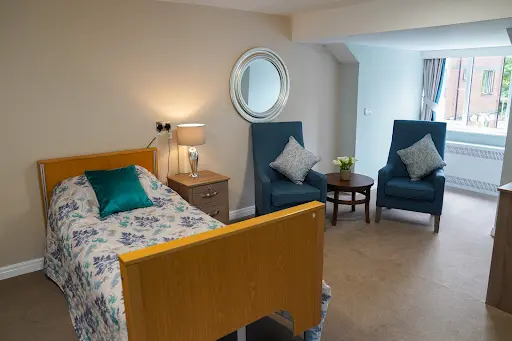
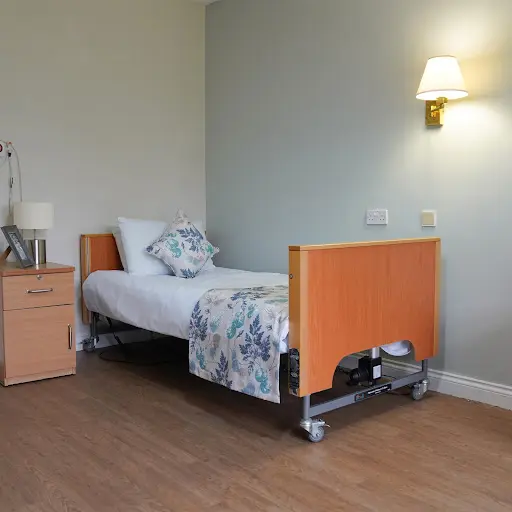
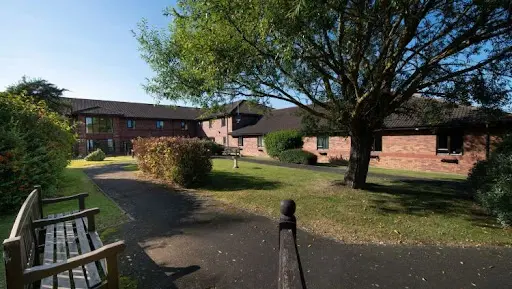
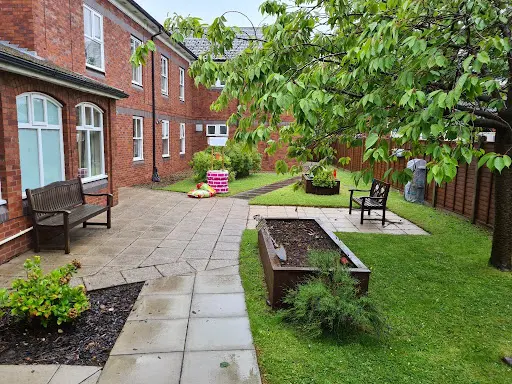
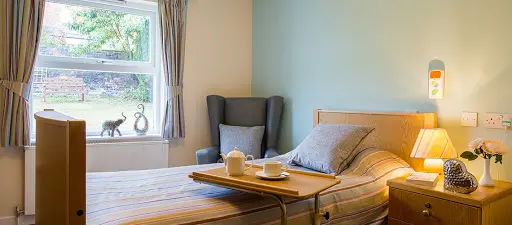
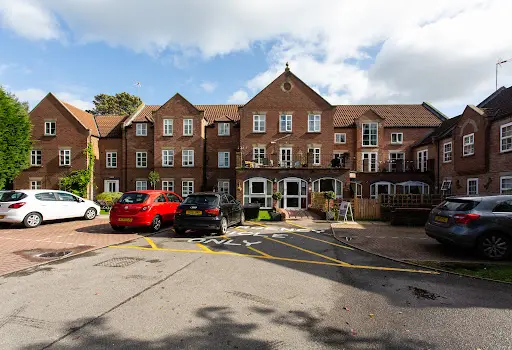
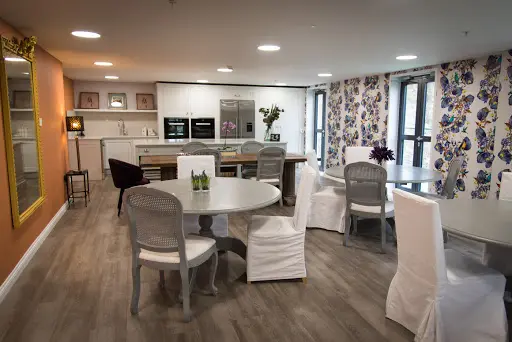
Visitors often mention feeling welcomed when they arrive, with the general atmosphere described as pleasant and conducive to wellbeing. Families report that the physical space itself contributes to residents feeling settled, with thoughtful touches that help people maintain their independence where possible.
The eight family priority themes
- Staff warmth72
- Compassion & dignity72
- Cleanliness72
- Activities & engagement68
- Food quality68
- Healthcare70
- Management & leadership74
- Resident happiness70
What inspectors found
Inspected 2018-08-02
Is this home safe?
Is the care effective?
The Effective domain was rated Good at the March 2025 inspection. This covers training, care planning, healthcare access, nutrition, and how well staff translate knowledge into practice. The available published text does not include specific detail on what inspectors observed or reviewed. No concerns were recorded.Is this home caring?
The Caring domain was rated Good at the March 2025 inspection. This is the domain most directly concerned with how staff treat the people who live here: whether they are warm, unhurried, respectful of dignity, and responsive to individual needs. No specific inspector observations, resident quotes, or relative feedback are available in the published text for this home.Is the home responsive?
The Responsive domain was rated Good at the March 2025 inspection. This domain covers whether the home offers meaningful activities, responds to individual preferences, supports independence, and plans appropriately for end of life. No specific examples of activities, activity schedules, or individual engagement are available in the published text.Is the home well-led?
The Well-led domain was rated Good at the March 2025 inspection. Mrs Lucy Ann Milburn is the registered manager and Mr Gabriel Ackermann is the nominated individual for the provider, Maven Healthcare (Fountains) Limited. A named registered manager in post is a basic but important governance marker. No further detail about management visibility, staff culture, or governance processes is available in the published text.
Source: CQC inspection report →
What the evidence base says
The home provides specialist dementia care as well as general residential care for people over 65. For those living with dementia, the home's emphasis on creating supportive environments and maintaining routines appears particularly relevant. The focus on helping residents maintain independence while ensuring proper support suggests an understanding of dementia's specific challenges. All areas worth probing directly during a visit.
The DCC Verdict
Our editorial view, built from the three lenses: what families tell us, what inspectors record, and how the home sits against good dementia-care practice.
DCC Family Score
Fountains Court was rated Good across all five inspection domains at its most recent assessment, which is a positive baseline. However, the published inspection text provided for this report contains limited specific detail, so scores reflect a confident Good rating without the granular evidence needed to push into the 80s or 90s.
Homes in North East typically score 68–82.The three-lens summary
What families tell us
Visitors often mention feeling welcomed when they arrive, with the general atmosphere described as pleasant and conducive to wellbeing. Families report that the physical space itself contributes to residents feeling settled, with thoughtful touches that help people maintain their independence where possible.
What inspectors have recorded
Staff consistently receive praise from families for their attentive, genuine approach to care. People describe seeing real attention to personal care needs and dignity. Though one family member did report concerning behaviour from ownership that contrasted sharply with their initial impression, the broader picture from families suggests staff maintain professional, caring standards.
How it sits against good practice
Getting a feel for any care home takes time, and speaking with current families can help build a fuller picture of daily life there.
Worth a visit
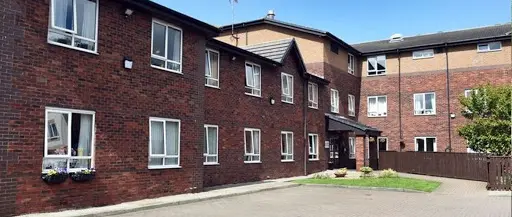
Fountains Court, at 19a Middlesbrough TS8 0UJ, was assessed on 26 March 2025 and rated Good across all five inspection domains: Safe, Effective, Caring, Responsive, and Well-led. The home is registered to care for adults over 65 and for people with dementia, and has a named registered manager in post. A clean sweep of Good ratings is a meaningful baseline, placing this home above the roughly one in four UK care homes that carry a Requires Improvement or Inadequate rating. The honest limitation of this report is that the published inspection text contains very little specific detail: no direct quotes from residents or relatives, no inspector observations of day-to-day life, and no breakdown of what inspectors actually saw. That means you are relying on ratings alone, which are a starting point rather than a complete picture. Before making a decision, visit in person during the afternoon when activity levels are typically highest, ask to see last month's staffing rotas showing permanent versus agency cover, and ask the manager directly how many care staff are on the dementia unit overnight for 43 residents.
The three questions to ask when you visitSave this home. Compare it against your shortlist.
Let our analysis show you how Fountains Court measures up against the other homes you’re considering. Free account.
In Their Own Words
How Fountains Court describes itself — collected from its own website. DCC has not edited or independently verified the content in this tab.
Where thoughtful design meets genuine care in Middlesbrough
Fountains Court – Expert Care in Middlesbrough
Finding the right care home means looking for somewhere that truly understands what makes residents feel comfortable and valued. Fountains Court in Middlesbrough seems to grasp this well, with families consistently noting how the environment and approach to care work together to support their loved ones. The home specialises in dementia care alongside general support for those over 65.
Who they care for
The home provides specialist dementia care as well as general residential care for people over 65.
For those living with dementia, the home's emphasis on creating supportive environments and maintaining routines appears particularly relevant. The focus on helping residents maintain independence while ensuring proper support suggests an understanding of dementia's specific challenges.
“Getting a feel for any care home takes time, and speaking with current families can help build a fuller picture of daily life there.”
DCC does not edit or curate content in this tab. For independently curated information, see The Evidence and DCC Verdict.
The DCC Verdict
Our editorial view, built from the three lenses: what families tell us, what inspectors record, and how the home sits against good dementia-care practice.
DCC Family Score
Fountains Court was rated Good across all five inspection domains at its most recent assessment, which is a positive baseline. However, the published inspection text provided for this report contains limited specific detail, so scores reflect a confident Good rating without the granular evidence needed to push into the 80s or 90s.
Homes in North East typically score 68–82.The three-lens summary
What families tell us
Visitors often mention feeling welcomed when they arrive, with the general atmosphere described as pleasant and conducive to wellbeing. Families report that the physical space itself contributes to residents feeling settled, with thoughtful touches that help people maintain their independence where possible.
What inspectors have recorded
Staff consistently receive praise from families for their attentive, genuine approach to care. People describe seeing real attention to personal care needs and dignity. Though one family member did report concerning behaviour from ownership that contrasted sharply with their initial impression, the broader picture from families suggests staff maintain professional, caring standards.
How it sits against good practice
Getting a feel for any care home takes time, and speaking with current families can help build a fuller picture of daily life there.
Worth a visit
Fountains Court, at 19a Middlesbrough TS8 0UJ, was assessed on 26 March 2025 and rated Good across all five inspection domains: Safe, Effective, Caring, Responsive, and Well-led. The home is registered to care for adults over 65 and for people with dementia, and has a named registered manager in post. A clean sweep of Good ratings is a meaningful baseline, placing this home above the roughly one in four UK care homes that carry a Requires Improvement or Inadequate rating. The honest limitation of this report is that the published inspection text contains very little specific detail: no direct quotes from residents or relatives, no inspector observations of day-to-day life, and no breakdown of what inspectors actually saw. That means you are relying on ratings alone, which are a starting point rather than a complete picture. Before making a decision, visit in person during the afternoon when activity levels are typically highest, ask to see last month's staffing rotas showing permanent versus agency cover, and ask the manager directly how many care staff are on the dementia unit overnight for 43 residents.
The three questions to ask when you visitSave this home. Compare it against your shortlist.
Let our analysis show you how Fountains Court measures up against the other homes you’re considering. Free account.
In Their Own Words
How Fountains Court describes itself — collected from its own website. DCC has not edited or independently verified the content in this tab.
Where thoughtful design meets genuine care in Middlesbrough
Fountains Court – Expert Care in Middlesbrough
Finding the right care home means looking for somewhere that truly understands what makes residents feel comfortable and valued. Fountains Court in Middlesbrough seems to grasp this well, with families consistently noting how the environment and approach to care work together to support their loved ones. The home specialises in dementia care alongside general support for those over 65.
Who they care for
The home provides specialist dementia care as well as general residential care for people over 65.
For those living with dementia, the home's emphasis on creating supportive environments and maintaining routines appears particularly relevant. The focus on helping residents maintain independence while ensuring proper support suggests an understanding of dementia's specific challenges.
Management & ethos
Staff consistently receive praise from families for their attentive, genuine approach to care. People describe seeing real attention to personal care needs and dignity. Though one family member did report concerning behaviour from ownership that contrasted sharply with their initial impression, the broader picture from families suggests staff maintain professional, caring standards.
The home & environment
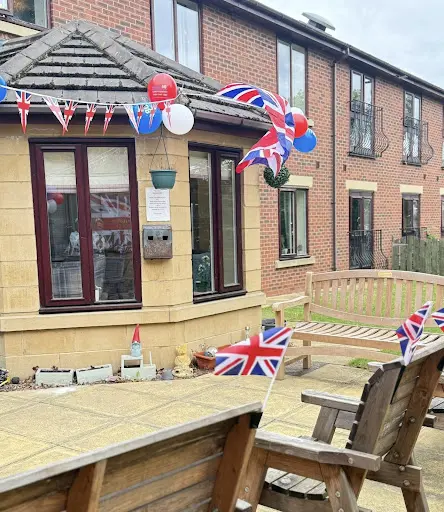
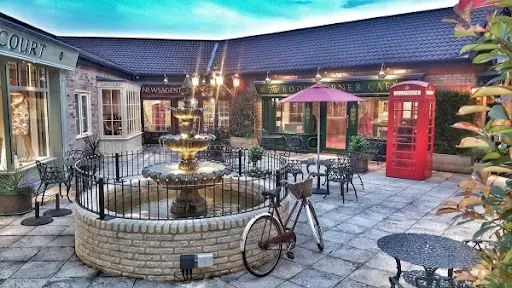
The home appears to put real effort into creating environments that support engagement and activity. Residents have mentioned being satisfied with the food, and there's evidence of programmes designed to keep people active and involved in meaningful ways throughout their day.
“Getting a feel for any care home takes time, and speaking with current families can help build a fuller picture of daily life there.”
DCC does not edit or curate content in this tab. For independently curated information, see The Evidence and DCC Verdict.