Kingsley Court
At a Glance
The information you need to decide whether this home warrants a closer look.
Residential homes
Staff warmth score
of reviewers answered yes
Good to know
- Registered beds19
- SpecialismsCaring for adults over 65 yrs, Dementia
- Last inspected2018-06-08
Save Kingsley Court to your shortlist
Keep a running list, add visit notes, and compare homes side-by-side. Free account — it takes a minute.
STAGE 4 — RESEARCHING CARE HOMES
Visit homes. Compare them side by side. Choose with confidence.
Most of us will view care homes the way we view houses, impression, atmosphere, the feeling in the corridor. We go home, try to remember what we saw, and make a permanent decision from a blurred memory.

The DCC shortlist gives every home you visit a structured record: the same twelve questions, answered the same way, every time. When you’re ready to choose, pull any two homes side by side and compare them directly. Same criteria, same evidence, your notes and your scores.
The Evidence
What the review data, the inspection reports, and the dementia-care evidence base tell us about this home.
What families say
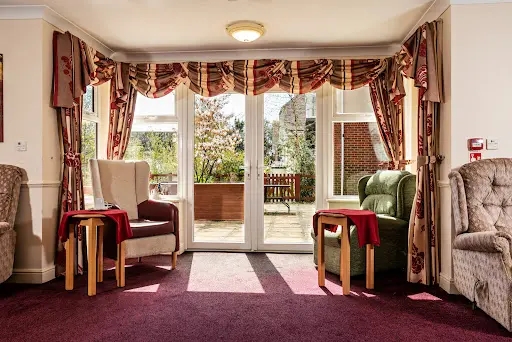
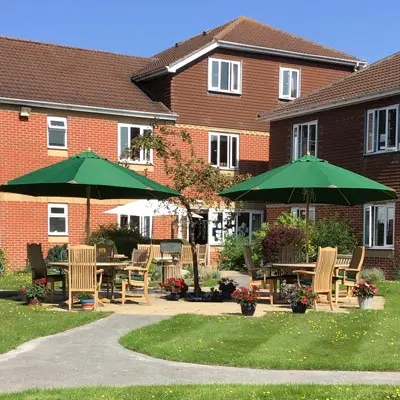
Visitors notice the thoughtful touches straight away — from the beautiful decoration to the friendly way staff greet everyone who walks through the door. There's a sense that people here genuinely enjoy what they do, creating an atmosphere where residents feel properly looked after.
The eight family priority themes
- Staff warmth55
- Compassion & dignity55
- Cleanliness55
- Activities & engagement50
- Food quality50
- Healthcare50
- Management & leadership55
- Resident happiness55
What inspectors found
Inspected 2018-06-08
Is this home safe?
Is the care effective?
The Effective domain was rated Good at the June 2018 inspection, suggesting inspectors were satisfied with care planning, staff training, and healthcare access at the time. This home specialises in dementia care, which should mean staff have specific training beyond basic care qualifications. However, no detail is available about what dementia training is provided, how frequently care plans are reviewed, or how the home manages GP access and health monitoring. The inspection is now more than six years old.Is this home caring?
The Caring domain was rated Good at the June 2018 inspection. This domain covers whether staff treat your parent with kindness, respect their dignity, and support their independence. In a home of 19 beds with a dementia specialism, there is potential for the close, personalised relationships that families in our review data most value. However, without the full inspection text, no specific observations of staff interactions, resident testimony, or examples of dignity in practice are available to confirm what this rating was based on.Is the home responsive?
The Responsive domain was rated Good at the June 2018 inspection, indicating inspectors were satisfied that the home was meeting individual needs and providing meaningful engagement. For a home specialising in dementia care, this should encompass a range of activities adapted to different stages of the condition, including one-to-one engagement for residents who cannot participate in group sessions. No specific activity examples, individual engagement evidence, or end-of-life planning detail are available from the inspection text.Is the home well-led?
The Well-Led domain was rated Good at the June 2018 inspection, suggesting that management was visible, staff were supported, and governance systems were in place at that time. Leadership stability is one of the strongest predictors of quality trajectory in a care home. However, no detail is available about the current manager's tenure, whether there have been leadership changes since 2018, or how the home handles complaints and quality monitoring. The gap since the last inspection means this domain carries the most uncertainty.
Source: CQC inspection report →
What the evidence base says
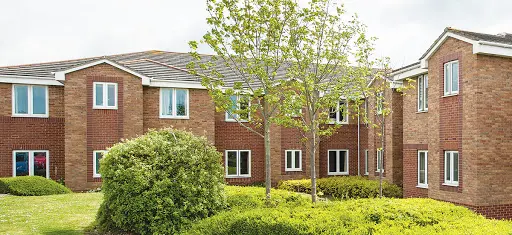
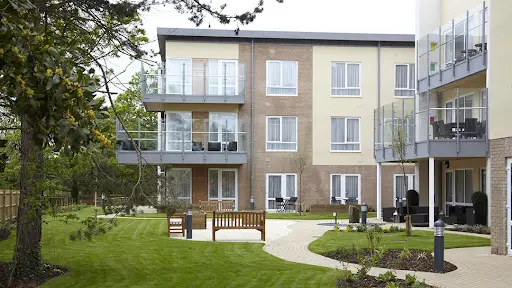
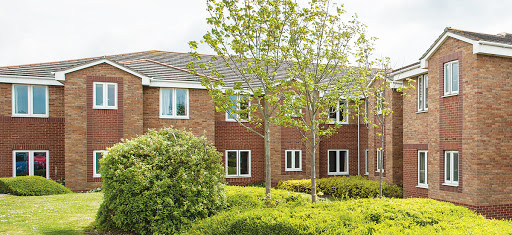
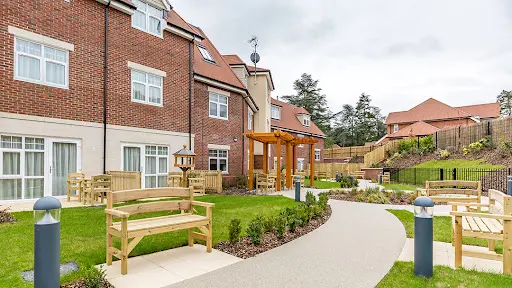
Kingsley Court provides specialist dementia care alongside their general support for people over 65. The home's purpose-built design means spaces have been created with dementia in mind. Staff bring both knowledge and kindness to supporting residents with memory loss. All areas worth probing directly during a visit.
The DCC Verdict
Our editorial view, built from the three lenses: what families tell us, what inspectors record, and how the home sits against good dementia-care practice.
DCC Family Score
This home was rated Good across all five domains at its last inspection in June 2018, which is a solid baseline — but because the full inspection report was not available, every score is held at the lower end of the 'present but generic' range. The Family Score of 62 reflects the Good rating, not a lack of quality; it reflects a lack of verifiable detail for families making a serious decision.
Homes in South West typically score 68–82.The three-lens summary
What families tell us
Visitors notice the thoughtful touches straight away — from the beautiful decoration to the friendly way staff greet everyone who walks through the door. There's a sense that people here genuinely enjoy what they do, creating an atmosphere where residents feel properly looked after.
What inspectors have recorded
The staff team gets mentioned for all the right reasons — they're described as kind, caring and knowledgeable about the needs of the people they support. That combination of warmth and expertise seems to create the kind of happy environment where someone can thrive for years.
How it sits against good practice
Sometimes the best recommendation is simply time — ten years of calling somewhere home speaks volumes.
Worth a visit
This 19-bed home in Weymouth, specialising in dementia care for adults over 65, was rated Good across all five inspection domains at its last official inspection in June 2018. A consistent Good rating across every domain is a positive baseline — it means inspectors did not identify significant concerns about safety, care quality, staffing, or leadership at the time they visited. The home is a small, registered provider, which can mean a more personal atmosphere and greater continuity of staff — something families in our review data consistently value highly. The important caveat for you, Sarah, is that this inspection is now over six years old. A lot can change in a care home over six years — managers move on, staffing changes, occupancy shifts. We do not have access to the full inspection report text, which means we cannot verify a single specific observation, resident quote, or piece of evidence behind those Good ratings. Every item on our checklist needs to be asked directly. When you visit, pay particular attention to night staffing levels, how staff respond to a resident showing distress, and whether the environment is genuinely adapted for dementia. Ask the manager directly when the last inspection was and whether there have been any significant changes in leadership or staffing since 2018.
The three questions to ask when you visitSave this home. Compare it against your shortlist.
Let our analysis show you how Kingsley Court measures up against the other homes you’re considering. Free account.
In Their Own Words
How Kingsley Court describes itself — collected from its own website. DCC has not edited or independently verified the content in this tab.
Ten years of thoughtful care in a purpose-built Weymouth home
Compassionate Care in Weymouth at Kingsley Court
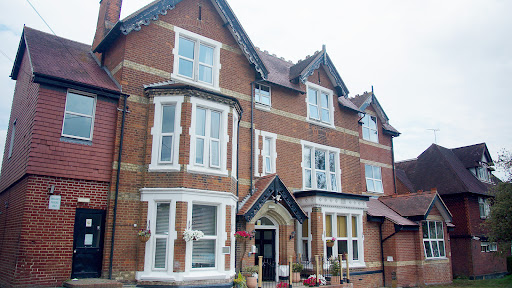
When someone stays somewhere for a decade, it tells you something important. Kingsley Court in Weymouth has been home to at least one resident for ten years — a quiet testament to the consistency of care in this purpose-built setting. The home specialises in caring for people over 65, including those living with dementia.
Who they care for
Kingsley Court provides specialist dementia care alongside their general support for people over 65.
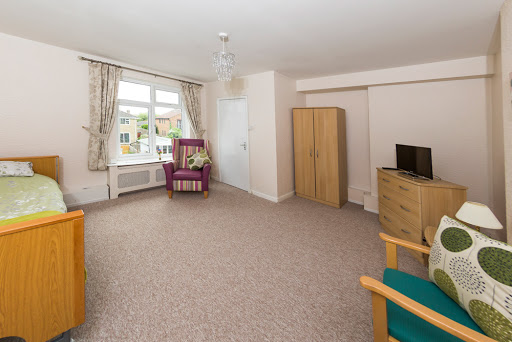
The home's purpose-built design means spaces have been created with dementia in mind. Staff bring both knowledge and kindness to supporting residents with memory loss.
“Sometimes the best recommendation is simply time — ten years of calling somewhere home speaks volumes.”
DCC does not edit or curate content in this tab. For independently curated information, see The Evidence and DCC Verdict.
The DCC Verdict
Our editorial view, built from the three lenses: what families tell us, what inspectors record, and how the home sits against good dementia-care practice.
DCC Family Score
This home was rated Good across all five domains at its last inspection in June 2018, which is a solid baseline — but because the full inspection report was not available, every score is held at the lower end of the 'present but generic' range. The Family Score of 62 reflects the Good rating, not a lack of quality; it reflects a lack of verifiable detail for families making a serious decision.
Homes in South West typically score 68–82.The three-lens summary
What families tell us
Visitors notice the thoughtful touches straight away — from the beautiful decoration to the friendly way staff greet everyone who walks through the door. There's a sense that people here genuinely enjoy what they do, creating an atmosphere where residents feel properly looked after.
What inspectors have recorded
The staff team gets mentioned for all the right reasons — they're described as kind, caring and knowledgeable about the needs of the people they support. That combination of warmth and expertise seems to create the kind of happy environment where someone can thrive for years.
How it sits against good practice
Sometimes the best recommendation is simply time — ten years of calling somewhere home speaks volumes.
Worth a visit
This 19-bed home in Weymouth, specialising in dementia care for adults over 65, was rated Good across all five inspection domains at its last official inspection in June 2018. A consistent Good rating across every domain is a positive baseline — it means inspectors did not identify significant concerns about safety, care quality, staffing, or leadership at the time they visited. The home is a small, registered provider, which can mean a more personal atmosphere and greater continuity of staff — something families in our review data consistently value highly. The important caveat for you, Sarah, is that this inspection is now over six years old. A lot can change in a care home over six years — managers move on, staffing changes, occupancy shifts. We do not have access to the full inspection report text, which means we cannot verify a single specific observation, resident quote, or piece of evidence behind those Good ratings. Every item on our checklist needs to be asked directly. When you visit, pay particular attention to night staffing levels, how staff respond to a resident showing distress, and whether the environment is genuinely adapted for dementia. Ask the manager directly when the last inspection was and whether there have been any significant changes in leadership or staffing since 2018.
The three questions to ask when you visitSave this home. Compare it against your shortlist.
Let our analysis show you how Kingsley Court measures up against the other homes you’re considering. Free account.
In Their Own Words
How Kingsley Court describes itself — collected from its own website. DCC has not edited or independently verified the content in this tab.
Ten years of thoughtful care in a purpose-built Weymouth home
Compassionate Care in Weymouth at Kingsley Court
When someone stays somewhere for a decade, it tells you something important. Kingsley Court in Weymouth has been home to at least one resident for ten years — a quiet testament to the consistency of care in this purpose-built setting. The home specialises in caring for people over 65, including those living with dementia.
Who they care for
Kingsley Court provides specialist dementia care alongside their general support for people over 65.
The home's purpose-built design means spaces have been created with dementia in mind. Staff bring both knowledge and kindness to supporting residents with memory loss.
Management & ethos
The staff team gets mentioned for all the right reasons — they're described as kind, caring and knowledgeable about the needs of the people they support. That combination of warmth and expertise seems to create the kind of happy environment where someone can thrive for years.
“Sometimes the best recommendation is simply time — ten years of calling somewhere home speaks volumes.”
DCC does not edit or curate content in this tab. For independently curated information, see The Evidence and DCC Verdict.