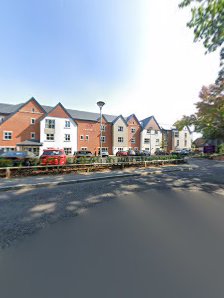
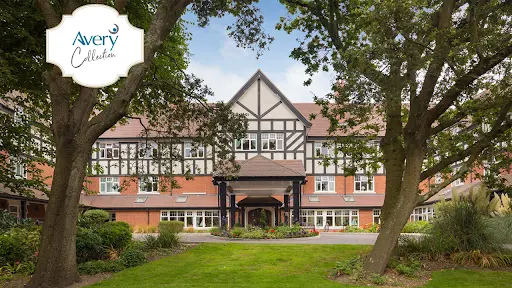
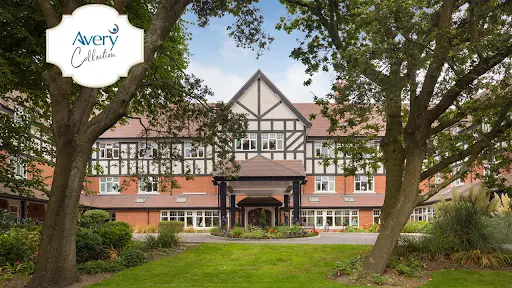
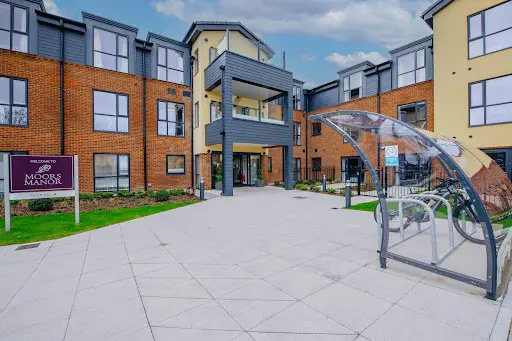
Fairlawn – a Care South home for residential and dementia care
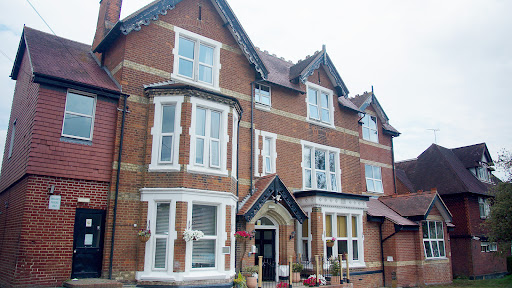
At a Glance
The information you need to decide whether this home warrants a closer look.
Residential homes
Staff warmth score
of reviewers answered yes
Good to know
- Registered beds64
- SpecialismsCaring for adults over 65 yrs, Caring for adults under 65 yrs, Dementia, Physical disabilities, Sensory impairment
- Last inspected2021-01-16
Save Fairlawn – a Care South home for residential and dementia care to your shortlist
Keep a running list, add visit notes, and compare homes side-by-side. Free account — it takes a minute.
STAGE 4 — RESEARCHING CARE HOMES
Visit homes. Compare them side by side. Choose with confidence.
Most of us will view care homes the way we view houses, impression, atmosphere, the feeling in the corridor. We go home, try to remember what we saw, and make a permanent decision from a blurred memory.

The DCC shortlist gives every home you visit a structured record: the same twelve questions, answered the same way, every time. When you’re ready to choose, pull any two homes side by side and compare them directly. Same criteria, same evidence, your notes and your scores.
The Evidence
What the review data, the inspection reports, and the dementia-care evidence base tell us about this home.
What families say
Families talk about the respect shown to each resident here — how staff take time to understand individual preferences and respond to them naturally. There's a consistent thread running through family experiences about feeling genuinely heard and valued. The atmosphere strikes that crucial balance between being properly cared for and maintaining independence.
The eight family priority themes
- Staff warmth72
- Compassion & dignity72
- Cleanliness70
- Activities & engagement65
- Food quality65
- Healthcare68
- Management & leadership75
- Resident happiness68
What inspectors found
Inspected 2021-01-16
Is this home safe?
Is the care effective?
The Effective domain was rated Good at the January 2021 inspection. This domain covers care planning, dementia training, nutrition, and healthcare access. The published summary does not include specific examples of care plan content, GP access arrangements, dementia training programmes, or how food quality and dietary needs are managed. Dementia is listed as a formal specialism, which implies a baseline level of staff knowledge is expected by the provider.Is this home caring?
The Caring domain was rated Good at the January 2021 inspection. This is the domain most directly linked to whether staff treat your parent with warmth, respect, and patience. The published summary does not include direct quotes from residents or relatives, specific observations of staff interactions, or examples of how dignity and privacy are maintained in practice. The Good rating suggests inspectors did not observe poor practice in this area.Is the home responsive?
The Responsive domain was rated Good at the January 2021 inspection. This domain covers activities, individual engagement, and end-of-life care. The published summary provides no specific detail about the activities programme, one-to-one engagement for people who cannot join group activities, or the home's approach to end-of-life planning. Sensory impairment is listed as a specialism alongside dementia, which suggests the home should have considered adapted communication and engagement approaches.Is the home well-led?
The Well-Led domain was rated Good at the January 2021 inspection, having previously contributed to a Requires Improvement rating. A named registered manager, Mrs Tina Louise Vincent, was in post at the time of inspection, with governance oversight provided by Care South through two named nominated individuals. The improvement in this domain from the previous inspection suggests that leadership and accountability processes had been strengthened. The published summary does not include detail about manager tenure, staff culture, or how the home acts on feedback from residents and families.
Source: CQC inspection report →
What the evidence base says
Fairlawn supports residents with physical disabilities and sensory impairments, adapting care approaches to individual needs. They welcome both younger adults under 65 and older residents, creating a mixed community. Their dementia care forms a significant part of what they do. For residents living with dementia, the team here focuses on maintaining familiar routines and responding to changing needs as they arise. The accessible location helps residents stay connected to known places in Ferndown, which can be particularly valuable for orientation and wellbeing. All areas worth probing directly during a visit.
The DCC Verdict
Our editorial view, built from the three lenses: what families tell us, what inspectors record, and how the home sits against good dementia-care practice.
DCC Family Score
Fairlawn scores 74 out of 100, reflecting a genuine and encouraging improvement from a previous Requires Improvement rating to a clean sweep of Good across all five domains. The score is held back by limited specific detail in the published inspection report, meaning several important areas for families cannot be fully verified from the published findings alone.
Homes in South West typically score 68–82.The three-lens summary
What families tell us
Families talk about the respect shown to each resident here — how staff take time to understand individual preferences and respond to them naturally. There's a consistent thread running through family experiences about feeling genuinely heard and valued. The atmosphere strikes that crucial balance between being properly cared for and maintaining independence.
What inspectors have recorded
The management team here maintains professional standards while staying approachable when families need them. Communication flows both ways — families feel kept in the loop about their loved ones' wellbeing and progress. While some families have noticed staffing pressures affecting consistency, the quality of individual care relationships remains strong.
How it sits against good practice
Sometimes the best measure of a care home is how families feel years down the line — and at Fairlawn, that long-term trust speaks volumes.
Worth a visit
Fairlawn in Ferndown was rated Good across all five inspection domains at its last published inspection in January 2021, having previously held a Requires Improvement rating. That improvement matters: it suggests the management team identified what was not working and addressed it. The home supports up to 64 people, including those living with dementia, physical disabilities, and sensory impairment, and is operated by Care South, a regional provider with a named registered manager in post at the time of inspection. The main limitation of this report is that the published summary is brief and provides very little specific detail about what inspectors actually observed. Families should treat the Good ratings as an encouraging baseline, not a complete picture. The inspection was carried out in January 2021, during the pandemic, which may have affected what inspectors could access and observe. Given that this report is now over four years old, it is particularly important to visit in person, speak to the current manager about recent changes, and ask specifically about night staffing levels, agency staff use, and how the home keeps families informed about their parent's care.
The three questions to ask when you visitSave this home. Compare it against your shortlist.
Let our analysis show you how Fairlawn – a Care South home for residential and dementia care measures up against the other homes you’re considering. Free account.
In Their Own Words
How Fairlawn – a Care South home for residential and dementia care describes itself — collected from its own website. DCC has not edited or independently verified the content in this tab.
Where personal care meets genuine respect in Ferndown
Fairlawn – Your Trusted residential home
When you're searching for somewhere that truly understands what dignity means, Fairlawn in Ferndown stands out for getting the fundamentals right. This established care home creates a balance between professional support and personal warmth that families notice from their very first visit. Set in an accessible part of town, it's become a place where residents maintain their connections to the wider community.
Who they care for
Fairlawn supports residents with physical disabilities and sensory impairments, adapting care approaches to individual needs. They welcome both younger adults under 65 and older residents, creating a mixed community. Their dementia care forms a significant part of what they do.
For residents living with dementia, the team here focuses on maintaining familiar routines and responding to changing needs as they arise. The accessible location helps residents stay connected to known places in Ferndown, which can be particularly valuable for orientation and wellbeing.
“Sometimes the best measure of a care home is how families feel years down the line — and at Fairlawn, that long-term trust speaks volumes.”
DCC does not edit or curate content in this tab. For independently curated information, see The Evidence and DCC Verdict.
The DCC Verdict
Our editorial view, built from the three lenses: what families tell us, what inspectors record, and how the home sits against good dementia-care practice.
DCC Family Score
Fairlawn scores 74 out of 100, reflecting a genuine and encouraging improvement from a previous Requires Improvement rating to a clean sweep of Good across all five domains. The score is held back by limited specific detail in the published inspection report, meaning several important areas for families cannot be fully verified from the published findings alone.
Homes in South West typically score 68–82.The three-lens summary
What families tell us
Families talk about the respect shown to each resident here — how staff take time to understand individual preferences and respond to them naturally. There's a consistent thread running through family experiences about feeling genuinely heard and valued. The atmosphere strikes that crucial balance between being properly cared for and maintaining independence.
What inspectors have recorded
The management team here maintains professional standards while staying approachable when families need them. Communication flows both ways — families feel kept in the loop about their loved ones' wellbeing and progress. While some families have noticed staffing pressures affecting consistency, the quality of individual care relationships remains strong.
How it sits against good practice
Sometimes the best measure of a care home is how families feel years down the line — and at Fairlawn, that long-term trust speaks volumes.
Worth a visit
Fairlawn in Ferndown was rated Good across all five inspection domains at its last published inspection in January 2021, having previously held a Requires Improvement rating. That improvement matters: it suggests the management team identified what was not working and addressed it. The home supports up to 64 people, including those living with dementia, physical disabilities, and sensory impairment, and is operated by Care South, a regional provider with a named registered manager in post at the time of inspection. The main limitation of this report is that the published summary is brief and provides very little specific detail about what inspectors actually observed. Families should treat the Good ratings as an encouraging baseline, not a complete picture. The inspection was carried out in January 2021, during the pandemic, which may have affected what inspectors could access and observe. Given that this report is now over four years old, it is particularly important to visit in person, speak to the current manager about recent changes, and ask specifically about night staffing levels, agency staff use, and how the home keeps families informed about their parent's care.
The three questions to ask when you visitSave this home. Compare it against your shortlist.
Let our analysis show you how Fairlawn – a Care South home for residential and dementia care measures up against the other homes you’re considering. Free account.
In Their Own Words
How Fairlawn – a Care South home for residential and dementia care describes itself — collected from its own website. DCC has not edited or independently verified the content in this tab.
Where personal care meets genuine respect in Ferndown
Fairlawn – Your Trusted residential home
When you're searching for somewhere that truly understands what dignity means, Fairlawn in Ferndown stands out for getting the fundamentals right. This established care home creates a balance between professional support and personal warmth that families notice from their very first visit. Set in an accessible part of town, it's become a place where residents maintain their connections to the wider community.
Who they care for
Fairlawn supports residents with physical disabilities and sensory impairments, adapting care approaches to individual needs. They welcome both younger adults under 65 and older residents, creating a mixed community. Their dementia care forms a significant part of what they do.
For residents living with dementia, the team here focuses on maintaining familiar routines and responding to changing needs as they arise. The accessible location helps residents stay connected to known places in Ferndown, which can be particularly valuable for orientation and wellbeing.
Management & ethos
The management team here maintains professional standards while staying approachable when families need them. Communication flows both ways — families feel kept in the loop about their loved ones' wellbeing and progress. While some families have noticed staffing pressures affecting consistency, the quality of individual care relationships remains strong.
The home & environment
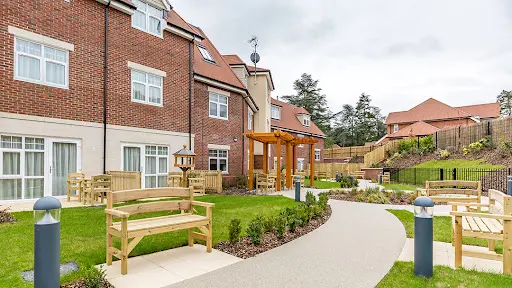
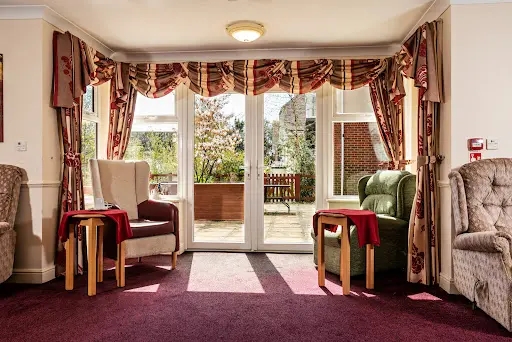
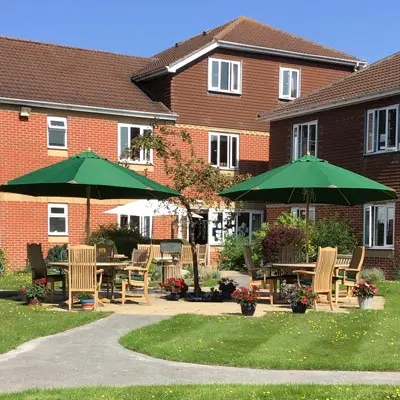
The cleanliness here gets noticed by everyone who walks through the door — it's clearly a point of pride for the housekeeping team. The kitchen shows real flexibility too, working around specific dietary needs and preferences rather than sticking rigidly to set menus. Being close to town means residents can keep up regular outings and stay connected to familiar places.
“Sometimes the best measure of a care home is how families feel years down the line — and at Fairlawn, that long-term trust speaks volumes.”
DCC does not edit or curate content in this tab. For independently curated information, see The Evidence and DCC Verdict.