Southbourne Beach Care Home – Avery Collection

At a Glance
The information you need to decide whether this home warrants a closer look.
Residential homes
Staff warmth score
of reviewers answered yes
Good to know
- Registered beds104
- SpecialismsCaring for adults over 65 yrs, Caring for adults under 65 yrs, Dementia, Physical disabilities, Sensory impairment
- Last inspected2023-02-24
Save Southbourne Beach Care Home – Avery Collection to your shortlist
Keep a running list, add visit notes, and compare homes side-by-side. Free account — it takes a minute.
STAGE 4 — RESEARCHING CARE HOMES
Visit homes. Compare them side by side. Choose with confidence.
Most of us will view care homes the way we view houses, impression, atmosphere, the feeling in the corridor. We go home, try to remember what we saw, and make a permanent decision from a blurred memory.

The DCC shortlist gives every home you visit a structured record: the same twelve questions, answered the same way, every time. When you’re ready to choose, pull any two homes side by side and compare them directly. Same criteria, same evidence, your notes and your scores.
The Evidence
What the review data, the inspection reports, and the dementia-care evidence base tell us about this home.
What families say
People describe a real sense of warmth that starts from the moment you walk through the door. The activities programme keeps residents busy and engaged throughout the week, with plenty of variety to suit different interests and abilities. There's a genuine friendliness here that visitors and families notice straight away.
The eight family priority themes
- Staff warmth72
- Compassion & dignity72
- Cleanliness68
- Activities & engagement62
- Food quality62
- Healthcare65
- Management & leadership70
- Resident happiness65
What inspectors found
Inspected 2023-02-24
Is this home safe?
Is the care effective?
The Effective domain was rated Good at the April 2025 inspection. This domain covers training, care planning, access to healthcare professionals, and nutrition. Dementia is listed as a specialism, indicating the home holds itself out as equipped to meet the needs of people living with dementia. No specific detail about dementia training content, care plan quality, GP access arrangements, or food provision is described in the published findings.Is this home caring?
The Caring domain was rated Good at the April 2025 inspection. This domain covers how staff treat the people who live at the home, including warmth, dignity, respect, and support for independence. No direct inspector observations, resident quotes, or family testimony are reproduced in the published report. The Good rating indicates inspectors found no concerns in this area.Is the home responsive?
The Responsive domain was rated Good at the April 2025 inspection. This domain covers whether the home responds to individual needs and preferences, including activities, engagement, and end-of-life care. The home is registered as a specialism provider for dementia, physical disabilities, and sensory impairment, which suggests it is expected to offer tailored rather than generic provision. No specific activity examples, engagement observations, or end-of-life planning detail are described in the published findings.Is the home well-led?
The Well-led domain was rated Good at the April 2025 inspection. A registered manager, Mr Morgyn James Ross, and a nominated individual, Mrs Natasha Southall, are both named and in post. The home is operated by Willowbrook Healthcare Limited. No information about management tenure, staff culture, governance systems, or how the home handles complaints is described in the published findings. This is the first inspection on record, so there is no trend data to compare against.
Source: CQC inspection report →
What the evidence base says
The home provides specialist care for people with dementia, sensory impairments and physical disabilities. They welcome both younger adults under 65 and older residents, adapting their approach to suit different ages and needs. For residents living with dementia, the team brings professional training to their person-centred approach. Staff are observed responding thoughtfully to individual needs, maintaining dignity while keeping residents engaged in daily life. All areas worth probing directly during a visit.
The DCC Verdict
Our editorial view, built from the three lenses: what families tell us, what inspectors record, and how the home sits against good dementia-care practice.
DCC Family Score
Southbourne Beach Care Home received a Good rating across all five inspection domains at its April 2025 assessment. However, the published report contains very limited specific detail, so scores reflect a confirmed positive baseline rather than strong, evidence-rich findings.
Homes in South West typically score 68–82.The three-lens summary
What families tell us
People describe a real sense of warmth that starts from the moment you walk through the door. The activities programme keeps residents busy and engaged throughout the week, with plenty of variety to suit different interests and abilities. There's a genuine friendliness here that visitors and families notice straight away.
What inspectors have recorded
Staff take time to understand each resident's individual needs and respond with professional care that maintains dignity. Families mention how well the team communicates and the confidence this gives them. There's a trained, thoughtful approach to different medical conditions that shows in the day-to-day care.
How it sits against good practice
The proximity to the beach adds a special dimension to life here that residents and visitors clearly value.
Worth a visit
Southbourne Beach Care Home on Belle Vue Road in Bournemouth was rated Good across all five inspection domains at its assessment on 15 April 2025, with the report published on 28 May 2025. The home is registered for 104 beds and cares for adults over and under 65, including people living with dementia, physical disabilities, and sensory impairments. A named registered manager and nominated individual are in post, and no concerns were raised in any domain. The main limitation of this report is the very limited specific detail available in the published findings. Every domain was rated Good, but inspectors' observations, resident and family quotes, and specific examples of practice are not reproduced in the text available for analysis. This means the Good rating confirms a baseline that inspectors were satisfied with, but it does not yet tell you what the home looks and feels like day to day. On a visit, ask the manager to show you the staffing rota for the past week, including nights, ask what one-to-one activity looks like for residents who cannot join group sessions, and spend a few minutes in a communal area watching how staff interact with residents without prompting.
The three questions to ask when you visitSave this home. Compare it against your shortlist.
Let our analysis show you how Southbourne Beach Care Home – Avery Collection measures up against the other homes you’re considering. Free account.
In Their Own Words
How Southbourne Beach Care Home – Avery Collection describes itself — collected from its own website. DCC has not edited or independently verified the content in this tab.
Where the sea breeze meets genuine warmth and careful attention
Southbourne Beach Care Home – Expert Care in Bournemouth
Just moments from the beach in Southbourne, this Bournemouth care home has built its reputation on creating a genuinely welcoming environment where residents stay active and engaged. Visitors often mention the immediate warmth they feel when they arrive, and how that feeling extends through every aspect of daily life here. The combination of its beachside location and thoughtful approach to care seems to create something special.
Who they care for
The home provides specialist care for people with dementia, sensory impairments and physical disabilities. They welcome both younger adults under 65 and older residents, adapting their approach to suit different ages and needs.
For residents living with dementia, the team brings professional training to their person-centred approach. Staff are observed responding thoughtfully to individual needs, maintaining dignity while keeping residents engaged in daily life.
“The proximity to the beach adds a special dimension to life here that residents and visitors clearly value.”
DCC does not edit or curate content in this tab. For independently curated information, see The Evidence and DCC Verdict.
The DCC Verdict
Our editorial view, built from the three lenses: what families tell us, what inspectors record, and how the home sits against good dementia-care practice.
DCC Family Score
Southbourne Beach Care Home received a Good rating across all five inspection domains at its April 2025 assessment. However, the published report contains very limited specific detail, so scores reflect a confirmed positive baseline rather than strong, evidence-rich findings.
Homes in South West typically score 68–82.The three-lens summary
What families tell us
People describe a real sense of warmth that starts from the moment you walk through the door. The activities programme keeps residents busy and engaged throughout the week, with plenty of variety to suit different interests and abilities. There's a genuine friendliness here that visitors and families notice straight away.
What inspectors have recorded
Staff take time to understand each resident's individual needs and respond with professional care that maintains dignity. Families mention how well the team communicates and the confidence this gives them. There's a trained, thoughtful approach to different medical conditions that shows in the day-to-day care.
How it sits against good practice
The proximity to the beach adds a special dimension to life here that residents and visitors clearly value.
Worth a visit
Southbourne Beach Care Home on Belle Vue Road in Bournemouth was rated Good across all five inspection domains at its assessment on 15 April 2025, with the report published on 28 May 2025. The home is registered for 104 beds and cares for adults over and under 65, including people living with dementia, physical disabilities, and sensory impairments. A named registered manager and nominated individual are in post, and no concerns were raised in any domain. The main limitation of this report is the very limited specific detail available in the published findings. Every domain was rated Good, but inspectors' observations, resident and family quotes, and specific examples of practice are not reproduced in the text available for analysis. This means the Good rating confirms a baseline that inspectors were satisfied with, but it does not yet tell you what the home looks and feels like day to day. On a visit, ask the manager to show you the staffing rota for the past week, including nights, ask what one-to-one activity looks like for residents who cannot join group sessions, and spend a few minutes in a communal area watching how staff interact with residents without prompting.
The three questions to ask when you visitSave this home. Compare it against your shortlist.
Let our analysis show you how Southbourne Beach Care Home – Avery Collection measures up against the other homes you’re considering. Free account.
In Their Own Words
How Southbourne Beach Care Home – Avery Collection describes itself — collected from its own website. DCC has not edited or independently verified the content in this tab.
Where the sea breeze meets genuine warmth and careful attention
Southbourne Beach Care Home – Expert Care in Bournemouth
Just moments from the beach in Southbourne, this Bournemouth care home has built its reputation on creating a genuinely welcoming environment where residents stay active and engaged. Visitors often mention the immediate warmth they feel when they arrive, and how that feeling extends through every aspect of daily life here. The combination of its beachside location and thoughtful approach to care seems to create something special.
Who they care for
The home provides specialist care for people with dementia, sensory impairments and physical disabilities. They welcome both younger adults under 65 and older residents, adapting their approach to suit different ages and needs.
For residents living with dementia, the team brings professional training to their person-centred approach. Staff are observed responding thoughtfully to individual needs, maintaining dignity while keeping residents engaged in daily life.
Management & ethos
Staff take time to understand each resident's individual needs and respond with professional care that maintains dignity. Families mention how well the team communicates and the confidence this gives them. There's a trained, thoughtful approach to different medical conditions that shows in the day-to-day care.
The home & environment
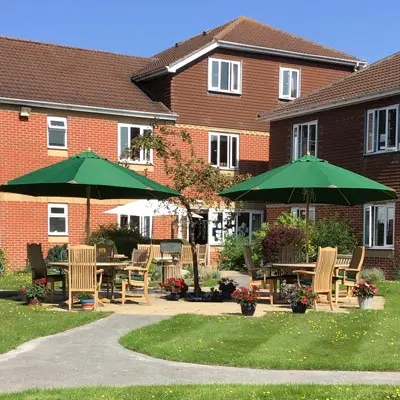
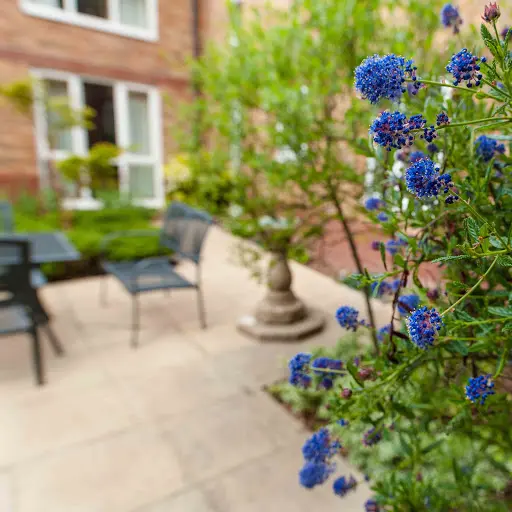
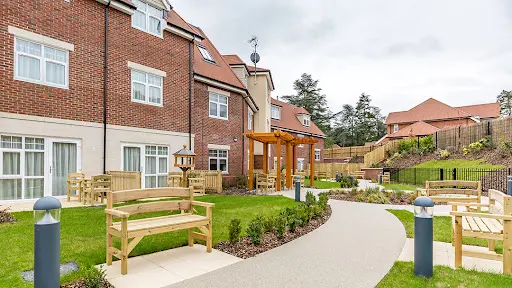
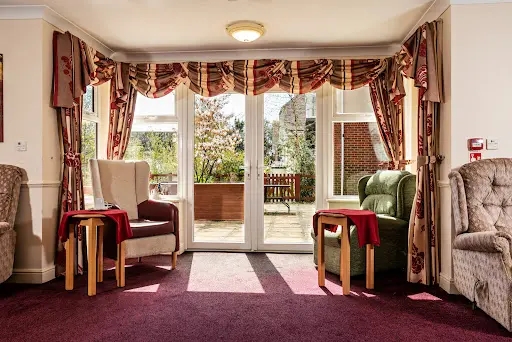
The home is kept spotlessly clean, with attractive décor that creates a pleasant environment throughout. The grounds are well-maintained, and being so close to Southbourne beach adds something extra to daily life here. Regular community events bring people together, from cheese and wine evenings to seasonal celebrations that create a real buzz.
“The proximity to the beach adds a special dimension to life here that residents and visitors clearly value.”
DCC does not edit or curate content in this tab. For independently curated information, see The Evidence and DCC Verdict.