Chestnuts Residential Care Home, Weymouth

At a Glance
The information you need to decide whether this home warrants a closer look.
Residential homes
Staff warmth score
of reviewers answered yes
Good to know
- Registered beds13
- SpecialismsCaring for adults over 65 yrs, Dementia, Mental health conditions, Physical disabilities, Sensory impairment
- Last inspected2019-10-29
Save Chestnuts Residential Care Home, Weymouth to your shortlist
Keep a running list, add visit notes, and compare homes side-by-side. Free account — it takes a minute.
STAGE 4 — RESEARCHING CARE HOMES
Visit homes. Compare them side by side. Choose with confidence.
Most of us will view care homes the way we view houses, impression, atmosphere, the feeling in the corridor. We go home, try to remember what we saw, and make a permanent decision from a blurred memory.

The DCC shortlist gives every home you visit a structured record: the same twelve questions, answered the same way, every time. When you’re ready to choose, pull any two homes side by side and compare them directly. Same criteria, same evidence, your notes and your scores.
The Evidence
What the review data, the inspection reports, and the dementia-care evidence base tell us about this home.
What families say
People talk about walking into a genuinely warm atmosphere where residents look content and engaged. The smaller size means everyone knows each other properly — staff understand individual preferences and personalities. Families mention seeing their relatives' confidence grow and watching them settle into friendships with other residents.
The eight family priority themes
- Staff warmth55
- Compassion & dignity55
- Cleanliness55
- Activities & engagement50
- Food quality50
- Healthcare55
- Management & leadership60
- Resident happiness55
What inspectors found
Inspected 2019-10-29
Is this home safe?
Is the care effective?
The Effective domain was rated Good at the February 2021 inspection. This domain covers care planning, staff training, access to healthcare professionals, nutrition, and whether care reflects each person's individual needs. No specific detail about training content, care plan review frequency, or GP access arrangements appears in the available published text.Is this home caring?
The Caring domain was rated Good at the February 2021 inspection. This domain covers how staff treat the people who live in the home, including dignity, respect, privacy, and whether people are supported to maintain their independence. No specific observations, quotes from residents or relatives, or direct examples of caring interactions appear in the available published text.Is the home responsive?
The Responsive domain was rated Good at the February 2021 inspection. This domain covers whether care is tailored to individual needs, whether there is a meaningful activity programme, how complaints are handled, and whether end-of-life care is planned. No specific detail about activities, individual engagement, or end-of-life arrangements appears in the available published text.Is the home well-led?
The Well-led domain was rated Good at the February 2021 inspection. This domain covers the quality of management, whether the culture supports openness and learning, and whether governance systems identify and act on problems. The registered manager and nominated individual are named in the registration record. No specific detail about management visibility, staff culture, or quality monitoring processes appears in the available published text.
Source: CQC inspection report →
What the evidence base says
The home provides specialized support for sensory impairments, dementia, mental health conditions, and physical disabilities. They focus on adults over 65, adapting their approach to each person's specific needs. For residents living with dementia, the familiar faces and consistent routines help create security. Staff understand how to communicate when words become difficult, using patience and creativity to maintain connections. All areas worth probing directly during a visit.
The DCC Verdict
Our editorial view, built from the three lenses: what families tell us, what inspectors record, and how the home sits against good dementia-care practice.
DCC Family Score
Every domain was rated Good at the last full inspection, which is a positive baseline, but the published report contains very little specific detail, so scores reflect the Good rating rather than direct evidence of outstanding practice.
Homes in South West typically score 68–82.The three-lens summary
What families tell us
People talk about walking into a genuinely warm atmosphere where residents look content and engaged. The smaller size means everyone knows each other properly — staff understand individual preferences and personalities. Families mention seeing their relatives' confidence grow and watching them settle into friendships with other residents.
What inspectors have recorded
What strikes families most is how present and attentive the staff are. They notice when carers sit chatting with residents, taking time to really listen. Communication flows easily — families stay informed without having to chase updates. When residents reach their final days, staff ensure dignity and comfort, staying close when it matters most.
How it sits against good practice
Sometimes you just know when a place feels right — when the care goes deeper than tasks on a checklist.
Worth a visit
Chestnuts Residential Care Home in Weymouth was rated Good across all five domains at its last full inspection, carried out in February 2021 and published in March 2021. The home is a small, 13-bed service registered to support people over 65, including those living with dementia, mental health conditions, physical disabilities, and sensory impairments. A review of available information in July 2023 found no cause to reassess the rating, meaning the Good rating remained current as of that date. The registered manager and nominated individual are named, which suggests stable governance. The main uncertainty here is that the published text provides almost no specific detail about what inspectors actually saw, heard, or measured. A Good rating matters, but it cannot tell you whether the staff know your parent by name, whether the food is worth eating, or whether there is someone to sit with your mum at two in the morning if she is frightened. The inspection also took place in February 2021, more than four years ago, so the picture it captures may no longer fully reflect what the home is like today. On a visit, arrive unannounced if you can, walk the corridors at a quiet time, watch how staff speak to the people who live there, and ask the manager to show you last week's actual staffing rota, not a template.
The three questions to ask when you visitSave this home. Compare it against your shortlist.
Let our analysis show you how Chestnuts Residential Care Home, Weymouth measures up against the other homes you’re considering. Free account.
In Their Own Words
How Chestnuts Residential Care Home, Weymouth describes itself — collected from its own website. DCC has not edited or independently verified the content in this tab.
Where kindness and genuine care shape every single day
Residential home in Weymouth: True Peace of Mind
When families describe the care at Chestnuts Residential Care Home in Weymouth, one word comes up again and again: kindness. This thirteen-bed home has built something special — a place where staff genuinely connect with residents, where small moments of joy happen naturally, and where families feel the weight lift from their shoulders.
Who they care for
The home provides specialized support for sensory impairments, dementia, mental health conditions, and physical disabilities. They focus on adults over 65, adapting their approach to each person's specific needs.
For residents living with dementia, the familiar faces and consistent routines help create security. Staff understand how to communicate when words become difficult, using patience and creativity to maintain connections.
“Sometimes you just know when a place feels right — when the care goes deeper than tasks on a checklist.”
DCC does not edit or curate content in this tab. For independently curated information, see The Evidence and DCC Verdict.
The DCC Verdict
Our editorial view, built from the three lenses: what families tell us, what inspectors record, and how the home sits against good dementia-care practice.
DCC Family Score
Every domain was rated Good at the last full inspection, which is a positive baseline, but the published report contains very little specific detail, so scores reflect the Good rating rather than direct evidence of outstanding practice.
Homes in South West typically score 68–82.The three-lens summary
What families tell us
People talk about walking into a genuinely warm atmosphere where residents look content and engaged. The smaller size means everyone knows each other properly — staff understand individual preferences and personalities. Families mention seeing their relatives' confidence grow and watching them settle into friendships with other residents.
What inspectors have recorded
What strikes families most is how present and attentive the staff are. They notice when carers sit chatting with residents, taking time to really listen. Communication flows easily — families stay informed without having to chase updates. When residents reach their final days, staff ensure dignity and comfort, staying close when it matters most.
How it sits against good practice
Sometimes you just know when a place feels right — when the care goes deeper than tasks on a checklist.
Worth a visit
Chestnuts Residential Care Home in Weymouth was rated Good across all five domains at its last full inspection, carried out in February 2021 and published in March 2021. The home is a small, 13-bed service registered to support people over 65, including those living with dementia, mental health conditions, physical disabilities, and sensory impairments. A review of available information in July 2023 found no cause to reassess the rating, meaning the Good rating remained current as of that date. The registered manager and nominated individual are named, which suggests stable governance. The main uncertainty here is that the published text provides almost no specific detail about what inspectors actually saw, heard, or measured. A Good rating matters, but it cannot tell you whether the staff know your parent by name, whether the food is worth eating, or whether there is someone to sit with your mum at two in the morning if she is frightened. The inspection also took place in February 2021, more than four years ago, so the picture it captures may no longer fully reflect what the home is like today. On a visit, arrive unannounced if you can, walk the corridors at a quiet time, watch how staff speak to the people who live there, and ask the manager to show you last week's actual staffing rota, not a template.
The three questions to ask when you visitSave this home. Compare it against your shortlist.
Let our analysis show you how Chestnuts Residential Care Home, Weymouth measures up against the other homes you’re considering. Free account.
In Their Own Words
How Chestnuts Residential Care Home, Weymouth describes itself — collected from its own website. DCC has not edited or independently verified the content in this tab.
Where kindness and genuine care shape every single day
Residential home in Weymouth: True Peace of Mind
When families describe the care at Chestnuts Residential Care Home in Weymouth, one word comes up again and again: kindness. This thirteen-bed home has built something special — a place where staff genuinely connect with residents, where small moments of joy happen naturally, and where families feel the weight lift from their shoulders.
Who they care for
The home provides specialized support for sensory impairments, dementia, mental health conditions, and physical disabilities. They focus on adults over 65, adapting their approach to each person's specific needs.
For residents living with dementia, the familiar faces and consistent routines help create security. Staff understand how to communicate when words become difficult, using patience and creativity to maintain connections.
Management & ethos
What strikes families most is how present and attentive the staff are. They notice when carers sit chatting with residents, taking time to really listen. Communication flows easily — families stay informed without having to chase updates. When residents reach their final days, staff ensure dignity and comfort, staying close when it matters most.
The home & environment
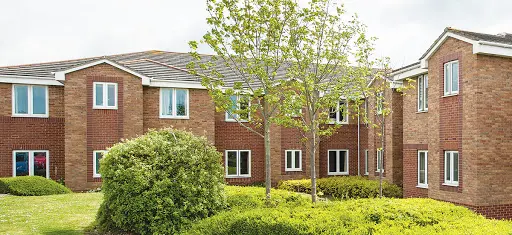
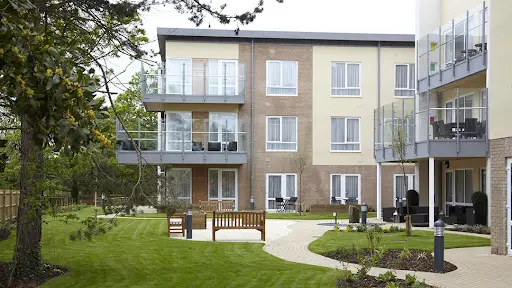
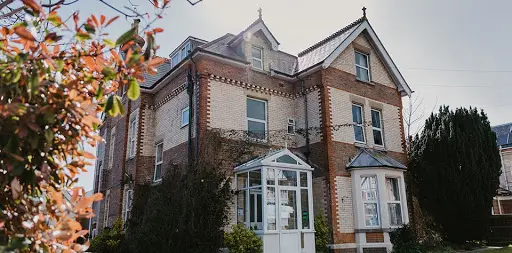
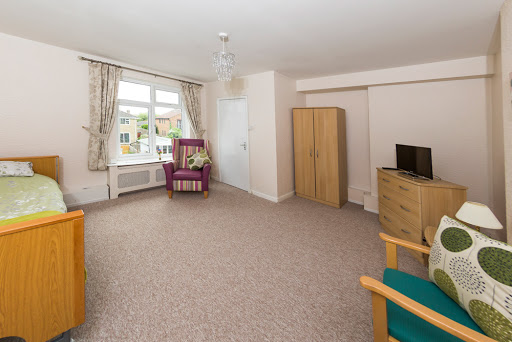
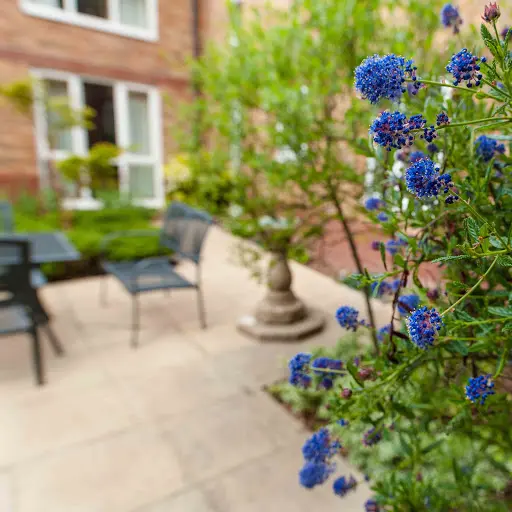
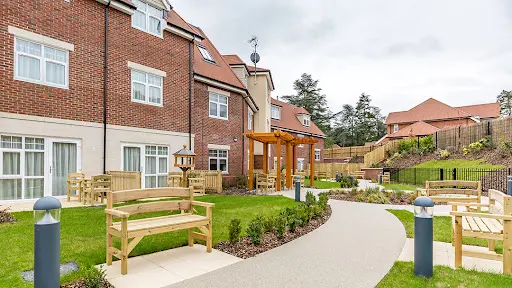
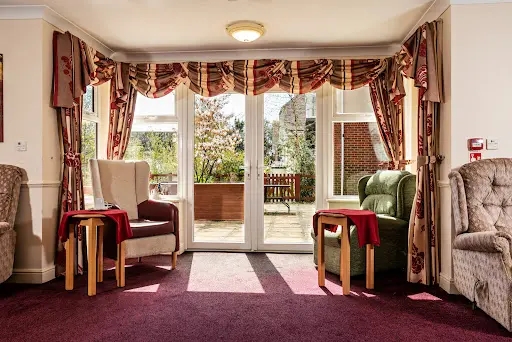
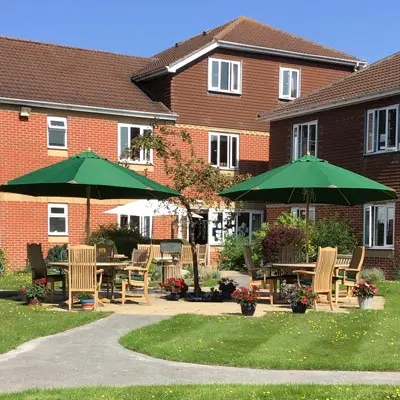
The home feels cosy rather than clinical, with comfortable rooms and garden access that residents enjoy in good weather. There's regular entertainment including singing sessions that get everyone involved. Even small touches make a difference — visiting guinea pigs have become a talking point that brings smiles.
“Sometimes you just know when a place feels right — when the care goes deeper than tasks on a checklist.”
DCC does not edit or curate content in this tab. For independently curated information, see The Evidence and DCC Verdict.