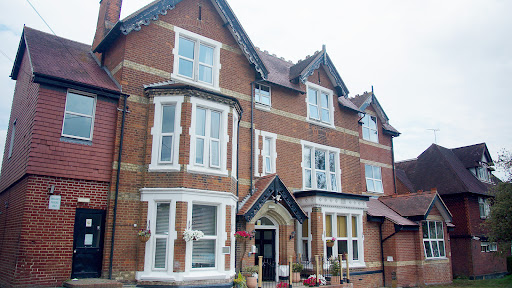
Maiden Castle House – a Care South home for residential and dementia care
At a Glance
The information you need to decide whether this home warrants a closer look.
Residential homes
Staff warmth score
of reviewers answered yes
Good to know
- Registered beds66
- SpecialismsCaring for adults over 65 yrs, Caring for adults under 65 yrs, Dementia, Physical disabilities, Sensory impairment
- Last inspected2021-06-11
Save Maiden Castle House – a Care South home for residential and dementia care to your shortlist
Keep a running list, add visit notes, and compare homes side-by-side. Free account — it takes a minute.
STAGE 4 — RESEARCHING CARE HOMES
Visit homes. Compare them side by side. Choose with confidence.
Most of us will view care homes the way we view houses, impression, atmosphere, the feeling in the corridor. We go home, try to remember what we saw, and make a permanent decision from a blurred memory.

The DCC shortlist gives every home you visit a structured record: the same twelve questions, answered the same way, every time. When you’re ready to choose, pull any two homes side by side and compare them directly. Same criteria, same evidence, your notes and your scores.
The Evidence
What the review data, the inspection reports, and the dementia-care evidence base tell us about this home.
What families say
Relatives often mention how settled their loved ones seem here. They describe residents who speak positively about their surroundings and appear genuinely content. The atmosphere feels comfortable and relaxed, with staff taking time to learn what makes each person feel at ease.
The eight family priority themes
- Staff warmth72
- Compassion & dignity72
- Cleanliness70
- Activities & engagement65
- Food quality65
- Healthcare70
- Management & leadership75
- Resident happiness70
What inspectors found
Inspected 2021-06-11
Is this home safe?
Is the care effective?
The inspection awarded a Good rating for Effective. This domain covers how well staff are trained, how care plans are written and reviewed, whether residents get timely access to GPs and health professionals, and whether food and nutrition are properly managed. The full inspection text was not available, so specific evidence from inspector observations or resident testimony cannot be detailed here.Is this home caring?
The inspection awarded a Good rating for Caring. This domain is where inspectors look most closely at how staff treat residents: whether they are kind, whether privacy is respected, whether people are addressed by their preferred names, and whether independence is supported. The full inspection text was not available, so it is not possible to describe what inspectors specifically observed or quote what residents or relatives said.Is the home responsive?
The inspection awarded a Good rating for Responsive. This domain examines whether the home tailors its care to individual preferences, whether activities are meaningful and accessible, whether people can maintain interests and routines, and whether end-of-life wishes are recorded and honoured. The full inspection text was not available for detailed analysis.Is the home well-led?
The inspection awarded a Good rating for Well-led. A registered manager, Mr Ashley Wade Smith, is named in post, and two nominated individuals are identified, suggesting organisational oversight is in place under the Care South group. The improvement from Requires Improvement to Good across all domains is a meaningful indicator that leadership has driven real change. The full inspection text was not available for specific detail about what inspectors found.
Source: CQC inspection report →
What the evidence base says
The home supports people with dementia, physical disabilities, and sensory impairments. They welcome both younger adults under 65 and older residents, adapting their approach to suit different needs and life stages. For residents living with dementia, the team focuses on maintaining familiar routines and preferences. Activities are tailored to individual interests, helping people stay engaged with hobbies and pastimes they've always enjoyed. All areas worth probing directly during a visit.
The DCC Verdict
Our editorial view, built from the three lenses: what families tell us, what inspectors record, and how the home sits against good dementia-care practice.
DCC Family Score
Maiden Castle House has moved from Requires Improvement to Good across all five inspection domains, which is a meaningful and positive step. However, because the full inspection report text was not available for detailed analysis, scores reflect the confirmed overall ratings rather than specific observed evidence, so several areas remain at the lower end of the positive range.
Homes in South West typically score 68–82.The three-lens summary
What families tell us
Relatives often mention how settled their loved ones seem here. They describe residents who speak positively about their surroundings and appear genuinely content. The atmosphere feels comfortable and relaxed, with staff taking time to learn what makes each person feel at ease.
What inspectors have recorded
Staff responsiveness stands out in family feedback. When residents need something or have particular preferences, the team acts quickly to accommodate them. Families feel their relatives receive attentive, individualised care that respects their choices and routines.
How it sits against good practice
It's worth visiting to see how they balance professional care with genuine warmth.
Worth a visit
Maiden Castle House, at 12-14 Gloucester Road in Dorchester, was assessed in October 2025 and rated Good across all five inspection domains: Safe, Effective, Caring, Responsive, and Well-led. This is a significant improvement from a previous Requires Improvement rating, which tells you that leadership has made real changes and the home is moving in the right direction. The home cares for up to 66 people, including those living with dementia, physical disabilities, and sensory impairments, and has a registered manager named in post. The main limitation of this report is that the full inspection text was not available for detailed analysis, so it is not possible to say what inspectors specifically observed about staff warmth, mealtimes, activities, or night-time care. A Good rating is reassuring, but it is a starting point rather than a complete picture. On a visit, ask to see last week's actual staffing rota (not the template), speak to a staff member who has been there for more than a year, and watch how people living with dementia are engaged during an unstructured part of the day. Those three things will tell you more than any rating.
The three questions to ask when you visitSave this home. Compare it against your shortlist.
Let our analysis show you how Maiden Castle House – a Care South home for residential and dementia care measures up against the other homes you’re considering. Free account.
In Their Own Words
How Maiden Castle House – a Care South home for residential and dementia care describes itself — collected from its own website. DCC has not edited or independently verified the content in this tab.
Where personal touches make all the difference to daily life
Maiden Castle House – Expert Care in Dorchester
When you're looking for somewhere that truly understands what matters to your loved one, the little things count. Maiden Castle House in Dorchester has built its reputation on noticing those individual preferences and responding quickly. Families talk about staff who remember exactly how their relatives like things done, from meal choices to favourite activities.
Who they care for
The home supports people with dementia, physical disabilities, and sensory impairments. They welcome both younger adults under 65 and older residents, adapting their approach to suit different needs and life stages.
For residents living with dementia, the team focuses on maintaining familiar routines and preferences. Activities are tailored to individual interests, helping people stay engaged with hobbies and pastimes they've always enjoyed.
“It's worth visiting to see how they balance professional care with genuine warmth.”
DCC does not edit or curate content in this tab. For independently curated information, see The Evidence and DCC Verdict.
The DCC Verdict
Our editorial view, built from the three lenses: what families tell us, what inspectors record, and how the home sits against good dementia-care practice.
DCC Family Score
Maiden Castle House has moved from Requires Improvement to Good across all five inspection domains, which is a meaningful and positive step. However, because the full inspection report text was not available for detailed analysis, scores reflect the confirmed overall ratings rather than specific observed evidence, so several areas remain at the lower end of the positive range.
Homes in South West typically score 68–82.The three-lens summary
What families tell us
Relatives often mention how settled their loved ones seem here. They describe residents who speak positively about their surroundings and appear genuinely content. The atmosphere feels comfortable and relaxed, with staff taking time to learn what makes each person feel at ease.
What inspectors have recorded
Staff responsiveness stands out in family feedback. When residents need something or have particular preferences, the team acts quickly to accommodate them. Families feel their relatives receive attentive, individualised care that respects their choices and routines.
How it sits against good practice
It's worth visiting to see how they balance professional care with genuine warmth.
Worth a visit
Maiden Castle House, at 12-14 Gloucester Road in Dorchester, was assessed in October 2025 and rated Good across all five inspection domains: Safe, Effective, Caring, Responsive, and Well-led. This is a significant improvement from a previous Requires Improvement rating, which tells you that leadership has made real changes and the home is moving in the right direction. The home cares for up to 66 people, including those living with dementia, physical disabilities, and sensory impairments, and has a registered manager named in post. The main limitation of this report is that the full inspection text was not available for detailed analysis, so it is not possible to say what inspectors specifically observed about staff warmth, mealtimes, activities, or night-time care. A Good rating is reassuring, but it is a starting point rather than a complete picture. On a visit, ask to see last week's actual staffing rota (not the template), speak to a staff member who has been there for more than a year, and watch how people living with dementia are engaged during an unstructured part of the day. Those three things will tell you more than any rating.
The three questions to ask when you visitSave this home. Compare it against your shortlist.
Let our analysis show you how Maiden Castle House – a Care South home for residential and dementia care measures up against the other homes you’re considering. Free account.
In Their Own Words
How Maiden Castle House – a Care South home for residential and dementia care describes itself — collected from its own website. DCC has not edited or independently verified the content in this tab.
Where personal touches make all the difference to daily life
Maiden Castle House – Expert Care in Dorchester
When you're looking for somewhere that truly understands what matters to your loved one, the little things count. Maiden Castle House in Dorchester has built its reputation on noticing those individual preferences and responding quickly. Families talk about staff who remember exactly how their relatives like things done, from meal choices to favourite activities.
Who they care for
The home supports people with dementia, physical disabilities, and sensory impairments. They welcome both younger adults under 65 and older residents, adapting their approach to suit different needs and life stages.
For residents living with dementia, the team focuses on maintaining familiar routines and preferences. Activities are tailored to individual interests, helping people stay engaged with hobbies and pastimes they've always enjoyed.
Management & ethos
Staff responsiveness stands out in family feedback. When residents need something or have particular preferences, the team acts quickly to accommodate them. Families feel their relatives receive attentive, individualised care that respects their choices and routines.
The home & environment
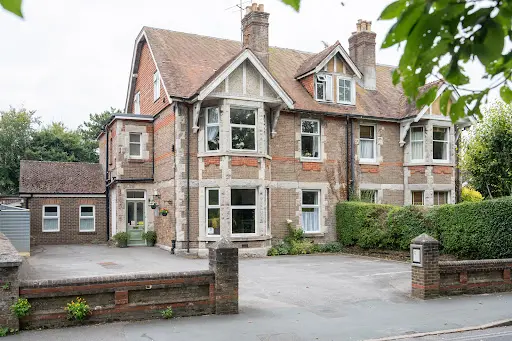
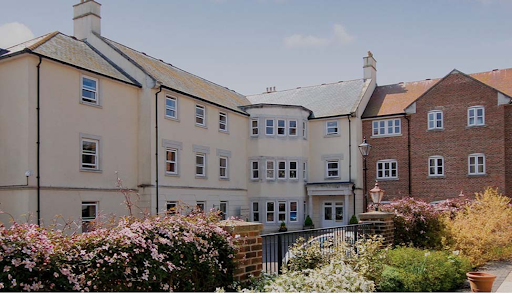
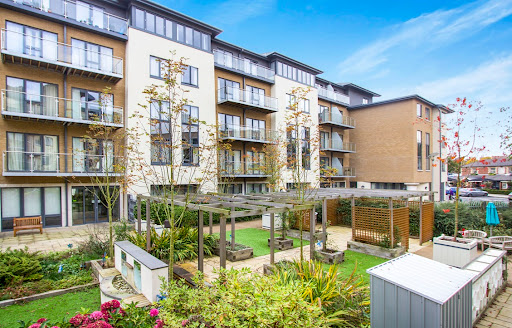
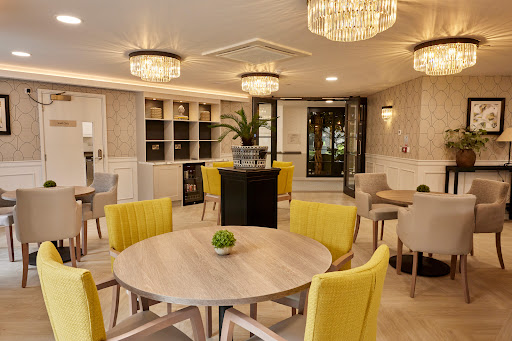
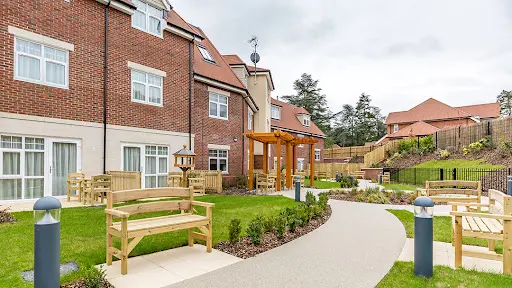
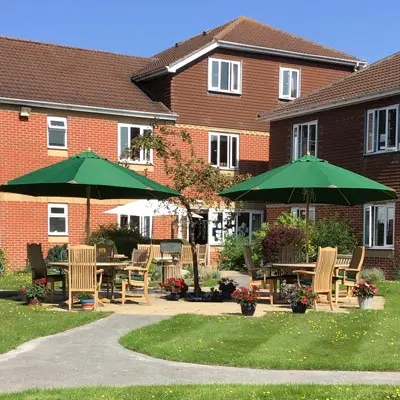
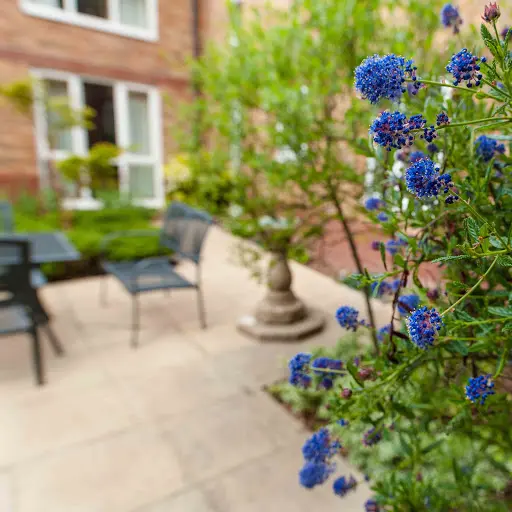
The food gets particular praise from families, who appreciate the variety and quality of meals. There's always something available for different dietary needs, with snacks on hand between mealtimes. The home itself is well-maintained and clean, creating a pleasant environment for daily life.
“It's worth visiting to see how they balance professional care with genuine warmth.”
DCC does not edit or curate content in this tab. For independently curated information, see The Evidence and DCC Verdict.