Castle Grange Care Home
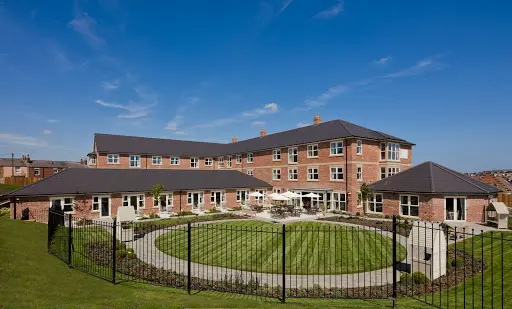
At a Glance
The information you need to decide whether this home warrants a closer look.
Residential homes
Staff warmth score
of reviewers answered yes
Good to know
- Registered beds86
- SpecialismsCaring for adults over 65 yrs, Caring for adults under 65 yrs, Dementia
- Last inspected2023-02-08
Save Castle Grange Care Home to your shortlist
Keep a running list, add visit notes, and compare homes side-by-side. Free account — it takes a minute.
STAGE 4 — RESEARCHING CARE HOMES
Visit homes. Compare them side by side. Choose with confidence.
Most of us will view care homes the way we view houses, impression, atmosphere, the feeling in the corridor. We go home, try to remember what we saw, and make a permanent decision from a blurred memory.

The DCC shortlist gives every home you visit a structured record: the same twelve questions, answered the same way, every time. When you’re ready to choose, pull any two homes side by side and compare them directly. Same criteria, same evidence, your notes and your scores.
The Evidence
What the review data, the inspection reports, and the dementia-care evidence base tell us about this home.
What families say
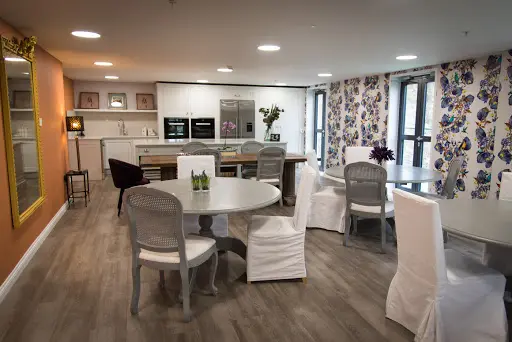
Families talk about the genuine friendliness they encounter here, with staff who take time to engage with residents rather than rushing through tasks. The communal areas feel welcoming and social, with a café space where people naturally gather.
The eight family priority themes
- Staff warmth72
- Compassion & dignity72
- Cleanliness70
- Activities & engagement65
- Food quality65
- Healthcare68
- Management & leadership74
- Resident happiness68
What inspectors found
Inspected 2023-02-08
Is this home safe?
Is the care effective?
The Effective domain was rated Good. This domain covers whether staff have the right training, whether care plans reflect what each person needs, whether residents are supported to eat and drink well, and whether the home works effectively with GPs and other health professionals. The home lists dementia as a specialism, which means inspectors would have looked at whether dementia-specific practices were in place. No specific training records, care plan examples, or descriptions of GP access arrangements are included in the published summary.Is this home caring?
The Caring domain was rated Good. This domain is assessed through inspector observations of staff interactions, conversations with residents and relatives, and review of how the home protects dignity and promotes independence. A Good rating means inspectors did not find evidence of poor treatment or disrespect. However, the published summary contains no direct quotes from residents or relatives and no specific descriptions of staff behaviour observed during the inspection. For a home of 86 beds with a dementia specialism, the quality of moment-to-moment interactions matters enormously.Is the home responsive?
The Responsive domain was rated Good. This domain covers whether the home offers activities that suit individual interests and abilities, whether it responds to complaints effectively, whether it supports people at the end of life, and whether it can meet the needs of people with dementia. No description of the activity programme, one-to-one engagement, or end-of-life care arrangements appears in the published summary. The home's specialism in dementia makes the question of how it supports people who cannot participate in group activities particularly important.Is the home well-led?
The Well-led domain was rated Good, improving from a previous Requires Improvement. The nominated individual responsible for the service is Mrs Kirsty Marie Crozier, and the home is run by St Mary's (ASC) Limited. A Good rating in Well-led means inspectors were satisfied that governance systems were working, that the culture supported good care, and that the home was learning from incidents and feedback. No specific examples of quality improvement, staff feedback mechanisms, or leadership observations are included in the published summary.
Source: CQC inspection report →
What the evidence base says
Castle Grange provides residential care for adults over 65, with specialist dementia support available. They also accommodate younger adults who need residential care. The home has dedicated dementia facilities, with families noting how well residents in these areas appear to be supported and engaged. All areas worth probing directly during a visit.
The DCC Verdict
Our editorial view, built from the three lenses: what families tell us, what inspectors record, and how the home sits against good dementia-care practice.
DCC Family Score
Castle Grange scored 72 out of 100. The home achieved a Good rating across all five inspection domains, improving from a previous Requires Improvement, but the published report text contains limited specific observations, quotes, or direct evidence to support scores above the mid-range.
Homes in Yorkshire & Humberside typically score 68–82.The three-lens summary
What families tell us
Families talk about the genuine friendliness they encounter here, with staff who take time to engage with residents rather than rushing through tasks. The communal areas feel welcoming and social, with a café space where people naturally gather.
What inspectors have recorded
Care staff consistently demonstrate real professionalism and warmth, spending unhurried time with residents and anticipating their needs. Families appreciate how staff provide practical support with equipment while maintaining that personal touch. There have been some concerns raised about management effectiveness, though the quality of frontline care remains strong.
How it sits against good practice
It's the kind of place where staff remember the little things that matter to each resident.
Worth a visit
Castle Grange, at 16A Scarborough, was rated Good across all five inspection domains at its inspection in January 2023, published in February 2023. This is a meaningful improvement: the home was previously rated Requires Improvement, so inspectors found sufficient positive change to lift every domain. The home is registered for 86 beds and lists dementia as one of its specialisms, alongside care for adults over and under 65. The main limitation for families is that the published inspection summary is brief and contains very little specific detail. There are no direct quotes from residents or relatives, no descriptions of staff interactions observed by inspectors, and no data on staffing ratios, agency use, or activity programmes. A Good rating tells you the basics were in order, but it does not tell you what day-to-day life actually looks like for your parent. Before deciding, visit in person, ask to see the staffing rota for a recent week (including nights), and ask specifically how the home supports people living with dementia who may not be able to join group activities.
The three questions to ask when you visitSave this home. Compare it against your shortlist.
Let our analysis show you how Castle Grange Care Home measures up against the other homes you’re considering. Free account.
In Their Own Words
How Castle Grange Care Home describes itself — collected from its own website. DCC has not edited or independently verified the content in this tab.
Where professional care meets genuine warmth every single day
Dedicated residential home Support in Scarborough
When families visit Castle Grange in Scarborough, they often notice how content their relatives seem — settled, comfortable, and treated with real dignity. This care home has built a reputation for staff who truly understand what good care looks like, creating an atmosphere where residents feel valued as individuals.
Who they care for
Castle Grange provides residential care for adults over 65, with specialist dementia support available. They also accommodate younger adults who need residential care.
The home has dedicated dementia facilities, with families noting how well residents in these areas appear to be supported and engaged.
“It's the kind of place where staff remember the little things that matter to each resident.”
DCC does not edit or curate content in this tab. For independently curated information, see The Evidence and DCC Verdict.
The DCC Verdict
Our editorial view, built from the three lenses: what families tell us, what inspectors record, and how the home sits against good dementia-care practice.
DCC Family Score
Castle Grange scored 72 out of 100. The home achieved a Good rating across all five inspection domains, improving from a previous Requires Improvement, but the published report text contains limited specific observations, quotes, or direct evidence to support scores above the mid-range.
Homes in Yorkshire & Humberside typically score 68–82.The three-lens summary
What families tell us
Families talk about the genuine friendliness they encounter here, with staff who take time to engage with residents rather than rushing through tasks. The communal areas feel welcoming and social, with a café space where people naturally gather.
What inspectors have recorded
Care staff consistently demonstrate real professionalism and warmth, spending unhurried time with residents and anticipating their needs. Families appreciate how staff provide practical support with equipment while maintaining that personal touch. There have been some concerns raised about management effectiveness, though the quality of frontline care remains strong.
How it sits against good practice
It's the kind of place where staff remember the little things that matter to each resident.
Worth a visit
Castle Grange, at 16A Scarborough, was rated Good across all five inspection domains at its inspection in January 2023, published in February 2023. This is a meaningful improvement: the home was previously rated Requires Improvement, so inspectors found sufficient positive change to lift every domain. The home is registered for 86 beds and lists dementia as one of its specialisms, alongside care for adults over and under 65. The main limitation for families is that the published inspection summary is brief and contains very little specific detail. There are no direct quotes from residents or relatives, no descriptions of staff interactions observed by inspectors, and no data on staffing ratios, agency use, or activity programmes. A Good rating tells you the basics were in order, but it does not tell you what day-to-day life actually looks like for your parent. Before deciding, visit in person, ask to see the staffing rota for a recent week (including nights), and ask specifically how the home supports people living with dementia who may not be able to join group activities.
The three questions to ask when you visitSave this home. Compare it against your shortlist.
Let our analysis show you how Castle Grange Care Home measures up against the other homes you’re considering. Free account.
In Their Own Words
How Castle Grange Care Home describes itself — collected from its own website. DCC has not edited or independently verified the content in this tab.
Where professional care meets genuine warmth every single day
Dedicated residential home Support in Scarborough
When families visit Castle Grange in Scarborough, they often notice how content their relatives seem — settled, comfortable, and treated with real dignity. This care home has built a reputation for staff who truly understand what good care looks like, creating an atmosphere where residents feel valued as individuals.
Who they care for
Castle Grange provides residential care for adults over 65, with specialist dementia support available. They also accommodate younger adults who need residential care.
The home has dedicated dementia facilities, with families noting how well residents in these areas appear to be supported and engaged.
Management & ethos
Care staff consistently demonstrate real professionalism and warmth, spending unhurried time with residents and anticipating their needs. Families appreciate how staff provide practical support with equipment while maintaining that personal touch. There have been some concerns raised about management effectiveness, though the quality of frontline care remains strong.
The home & environment
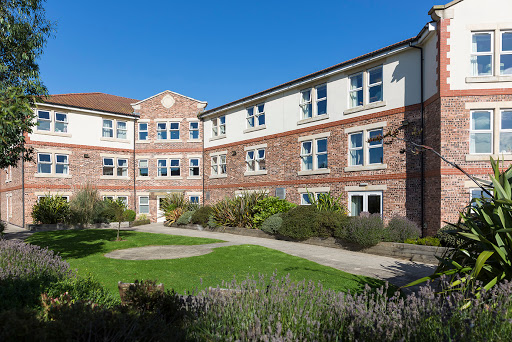
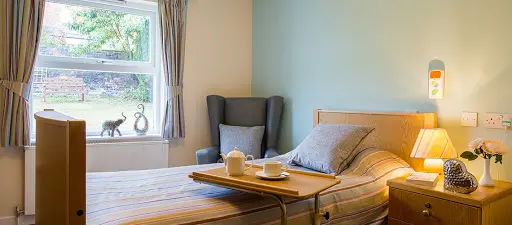
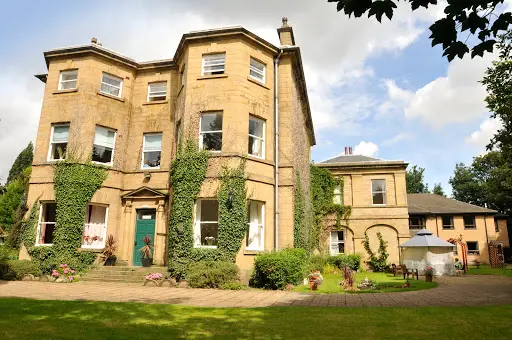
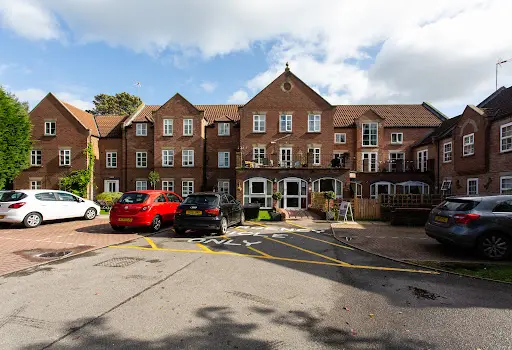
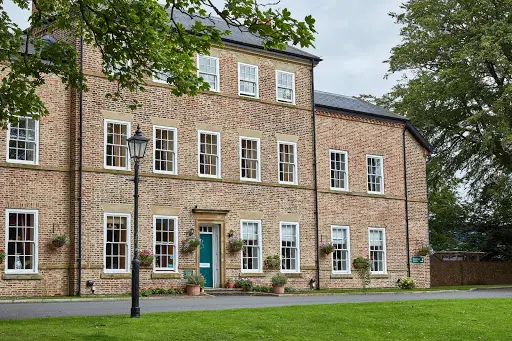
The home keeps everything clean and well-maintained, with comfortable spaces throughout. Meals get particular praise — families mention how appetising the food looks and how pleasant the dining experience feels, with proper attention to presentation and social atmosphere.
“It's the kind of place where staff remember the little things that matter to each resident.”
DCC does not edit or curate content in this tab. For independently curated information, see The Evidence and DCC Verdict.