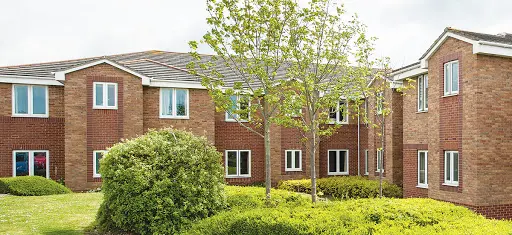
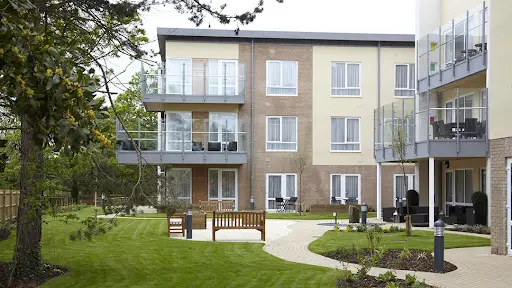
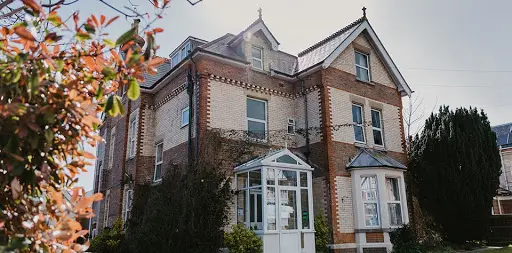
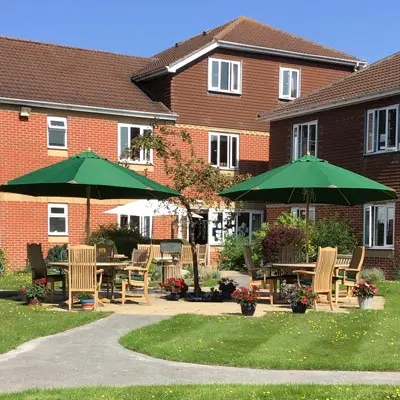
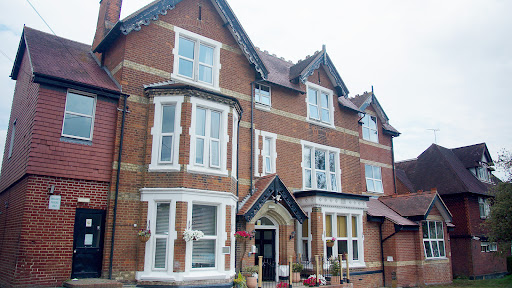
Weymouth Care Home

At a Glance
The information you need to decide whether this home warrants a closer look.
Nursing homes
Staff warmth score
of reviewers answered yes
Good to know
- Registered beds36
- SpecialismsCaring for adults over 65 yrs, Caring for adults under 65 yrs, Dementia, Physical disabilities
- Last inspected2018-09-27
Save Weymouth Care Home to your shortlist
Keep a running list, add visit notes, and compare homes side-by-side. Free account — it takes a minute.
STAGE 4 — RESEARCHING CARE HOMES
Visit homes. Compare them side by side. Choose with confidence.
Most of us will view care homes the way we view houses, impression, atmosphere, the feeling in the corridor. We go home, try to remember what we saw, and make a permanent decision from a blurred memory.

The DCC shortlist gives every home you visit a structured record: the same twelve questions, answered the same way, every time. When you’re ready to choose, pull any two homes side by side and compare them directly. Same criteria, same evidence, your notes and your scores.
The Evidence
What the review data, the inspection reports, and the dementia-care evidence base tell us about this home.
What families say
The eight family priority themes
- Staff warmth55
- Compassion & dignity55
- Cleanliness55
- Activities & engagement50
- Food quality50
- Healthcare55
- Management & leadership60
- Resident happiness55
What inspectors found
Inspected 2018-09-27
Is this home safe?
Is the care effective?
Effective was rated Good at the December 2020 inspection, covering care planning, training, healthcare access, and nutrition. Dementia is listed as a home specialism, meaning staff should be trained to understand dementia-specific needs. The published report does not describe the content or completion rates of dementia training, nor does it mention how often care plans are reviewed or whether GP access is prompt. Food quality and dietary support are not described in specific terms.Is this home caring?
Caring was rated Good at the December 2020 inspection. This domain covers staff warmth, dignity, respect, and how well the home supports your parent's independence. The published report provides no direct observations of staff-resident interactions, no quotes from residents or families, and no descriptions of how staff approach personal care, preferred names, or privacy. The Good rating stands, but it is not supported by visible specifics in the published text.Is the home responsive?
Responsive was rated Good at the December 2020 inspection. This covers how well the home tailors daily life, activities, and care to your parent as an individual. The published report does not describe specific activities, name any activity coordinator, or give examples of one-to-one engagement for residents who cannot join group sessions. Dementia is listed as a specialism, but the publication does not explain how the home meets the specific engagement needs of people at different stages of dementia.Is the home well-led?
Well-led was rated Good at the December 2020 inspection, with that position confirmed in a monitoring review in July 2023. A named registered manager, Miss Stacey Louise Williams, is recorded as being in post, and a nominated individual, Mr Stephen Paul Knell, provides additional accountability. The published report does not describe the manager's visibility on the floor, staff satisfaction, how complaints are handled, or how the home responds to incidents and learning. The management structure appears stable, but the inspection text does not give families enough to judge the day-to-day leadership culture.
Source: CQC inspection report →
What the evidence base says
The home cares for adults both under and over 65 with physical disabilities. They also provide specialist dementia support. For residents with dementia, the team brings experience in managing the daily challenges while maintaining dignity and comfort throughout the journey. All areas worth probing directly during a visit.
The DCC Verdict
Our editorial view, built from the three lenses: what families tell us, what inspectors record, and how the home sits against good dementia-care practice.
DCC Family Score
This home received a Good rating across all five domains at its last inspection in December 2020, but the published report contains very limited specific detail, which means scores reflect a generally positive but unverified picture. The Family Score of 68 reflects the overall Good rating while honestly acknowledging that the inspection findings provide little concrete evidence for families to rely on.
Homes in South West typically score 68–82.Worth a visit
Weymouth Care Home on Glendinning Avenue was rated Good across all five inspection domains at its last published inspection in December 2020, with that rating confirmed as still standing following a monitoring review in July 2023. The home is run by Altogether Care LLP, has a named registered manager, and cares for adults over and under 65 with dementia and physical disabilities across 36 beds. The honest caveat for families is that the published inspection text provides very little specific detail about what daily life actually looks like inside this home. A Good rating is a meaningful baseline, but it is now several years old, and the report does not include staff observations, resident quotes, or descriptions of care in action. Before making a decision, visit in person, ask to see last week's actual staffing rota (not a template), ask about dementia-specific training content, and spend time watching how staff interact with your parent on the unit.
The three questions to ask when you visitSave this home. Compare it against your shortlist.
Let our analysis show you how Weymouth Care Home measures up against the other homes you’re considering. Free account.
In Their Own Words
How Weymouth Care Home describes itself — collected from its own website. DCC has not edited or independently verified the content in this tab.
Where dignity matters most during life's hardest moments
Dedicated nursing home Support in Weymouth
When families face difficult end-of-life decisions, finding the right support becomes everything. Weymouth Care Home in Weymouth provides specialist care for people with dementia, physical disabilities and complex needs, with particular experience in palliative support. Families describe a place where staff understand what matters during these precious times.
Who they care for
The home cares for adults both under and over 65 with physical disabilities. They also provide specialist dementia support.
For residents with dementia, the team brings experience in managing the daily challenges while maintaining dignity and comfort throughout the journey.
“Sometimes what matters most is knowing your loved one will be comfortable and cared for, especially near the end.”
DCC does not edit or curate content in this tab. For independently curated information, see The Evidence and DCC Verdict.
The DCC Verdict
Our editorial view, built from the three lenses: what families tell us, what inspectors record, and how the home sits against good dementia-care practice.
DCC Family Score
This home received a Good rating across all five domains at its last inspection in December 2020, but the published report contains very limited specific detail, which means scores reflect a generally positive but unverified picture. The Family Score of 68 reflects the overall Good rating while honestly acknowledging that the inspection findings provide little concrete evidence for families to rely on.
Homes in South West typically score 68–82.Worth a visit
Weymouth Care Home on Glendinning Avenue was rated Good across all five inspection domains at its last published inspection in December 2020, with that rating confirmed as still standing following a monitoring review in July 2023. The home is run by Altogether Care LLP, has a named registered manager, and cares for adults over and under 65 with dementia and physical disabilities across 36 beds. The honest caveat for families is that the published inspection text provides very little specific detail about what daily life actually looks like inside this home. A Good rating is a meaningful baseline, but it is now several years old, and the report does not include staff observations, resident quotes, or descriptions of care in action. Before making a decision, visit in person, ask to see last week's actual staffing rota (not a template), ask about dementia-specific training content, and spend time watching how staff interact with your parent on the unit.
The three questions to ask when you visitSave this home. Compare it against your shortlist.
Let our analysis show you how Weymouth Care Home measures up against the other homes you’re considering. Free account.
In Their Own Words
How Weymouth Care Home describes itself — collected from its own website. DCC has not edited or independently verified the content in this tab.
Where dignity matters most during life's hardest moments
Dedicated nursing home Support in Weymouth
When families face difficult end-of-life decisions, finding the right support becomes everything. Weymouth Care Home in Weymouth provides specialist care for people with dementia, physical disabilities and complex needs, with particular experience in palliative support. Families describe a place where staff understand what matters during these precious times.
Who they care for
The home cares for adults both under and over 65 with physical disabilities. They also provide specialist dementia support.
For residents with dementia, the team brings experience in managing the daily challenges while maintaining dignity and comfort throughout the journey.
Management & ethos
What stands out is how staff handle the toughest moments. Families talk about the team knowing their roles well and staying consistent in their approach. During end-of-life care, they focus on keeping residents comfortable while supporting the whole family through it.
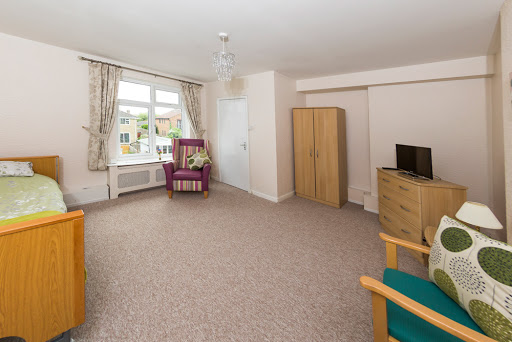
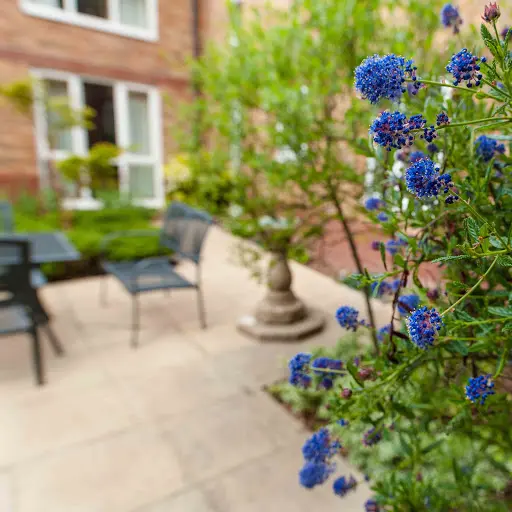
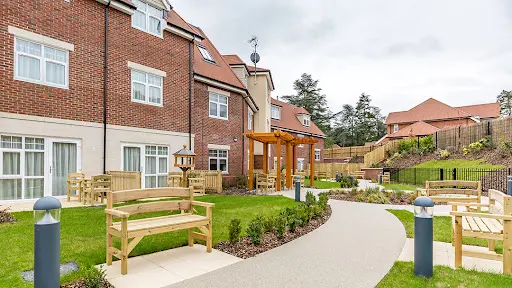
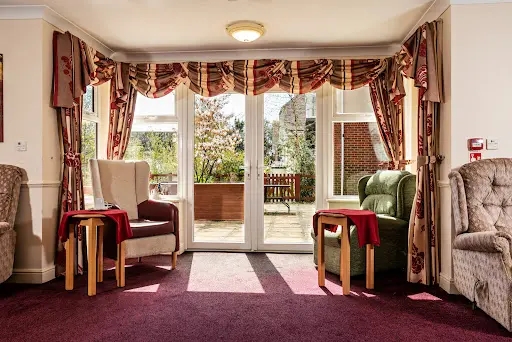
The home & environment
The kitchen here seems to get things right — families mention residents actually enjoy the meals, which anyone who knows care homes will tell you isn't always the case. There's transport available for trips out, plus regular activities to keep days interesting.
“Sometimes what matters most is knowing your loved one will be comfortable and cared for, especially near the end.”
DCC does not edit or curate content in this tab. For independently curated information, see The Evidence and DCC Verdict.