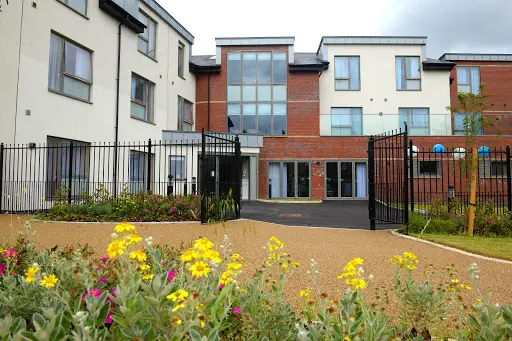
Phoenix Centre

At a Glance
The information you need to decide whether this home warrants a closer look.
Residential homes, Homecare agencies, Shared lives, Supported living
Staff warmth score
of reviewers answered yes
Good to know
- Registered beds6
- SpecialismsCaring for adults over 65 yrs, Caring for adults under 65 yrs, Caring for children, Dementia, Eating disorders, Learning disabilities, Mental health conditions, Physical disabilities, Substance misuse problems
- Last inspected2019-01-30
Save Phoenix Centre to your shortlist
Keep a running list, add visit notes, and compare homes side-by-side. Free account — it takes a minute.
STAGE 4 — RESEARCHING CARE HOMES
Visit homes. Compare them side by side. Choose with confidence.
Most of us will view care homes the way we view houses, impression, atmosphere, the feeling in the corridor. We go home, try to remember what we saw, and make a permanent decision from a blurred memory.

The DCC shortlist gives every home you visit a structured record: the same twelve questions, answered the same way, every time. When you’re ready to choose, pull any two homes side by side and compare them directly. Same criteria, same evidence, your notes and your scores.
The Evidence
What the review data, the inspection reports, and the dementia-care evidence base tell us about this home.
What families say
People who've stayed here talk about finding real stability after turbulent times. Several residents describe how the atmosphere helped them feel secure and protected when they needed it most. The staff seem to have a knack for sitting with residents during difficult moments, whether that's watching films together or just being present when things feel overwhelming.
The eight family priority themes
- Staff warmth55
- Compassion & dignity55
- Cleanliness55
- Activities & engagement50
- Food quality50
- Healthcare55
- Management & leadership60
- Resident happiness55
What inspectors found
Inspected 2019-01-30
Is this home safe?
Is the care effective?
The home was rated Good for effectiveness at its January 2019 inspection. No specific findings about care planning, dementia training content, GP access, or food quality are recorded in the published report. The service lists dementia as a specialism alongside eating disorders, learning disabilities, substance misuse, and caring for children, a very wide range for a six-bed home. The monitoring review in July 2023 did not identify concerns, but equally did not add new detail.Is this home caring?
The home was rated Good for caring at its January 2019 inspection. No inspector observations about staff interactions, use of preferred names, response to distress, or respect for dignity are recorded in the published report. No resident or family quotes are included in the published findings. The monitoring review in July 2023 did not identify concerns in this area.Is the home responsive?
The home was rated Good for responsiveness at its January 2019 inspection. No specific findings about activity programmes, individual engagement, or end-of-life planning are recorded in the published report. The home lists an exceptionally broad range of specialisms for a six-bed service, which raises a practical question about how individual preferences and needs are genuinely accommodated across such different client groups. The monitoring review in July 2023 did not identify concerns.Is the home well-led?
The home was rated Good for leadership at its January 2019 inspection. The registration record lists four named registered managers, including Miss Julie Morris, Mr Colin George F Rodgers, Ms Angela Timmins, and Mrs Helen Sigley, alongside a nominated individual, Mr Nick Henson. The presence of multiple registered managers on a six-bed service is unusual and worth clarifying. No specific findings about management culture, staff empowerment, or governance systems are recorded in the published report.
Source: CQC inspection report →
What the evidence base says
The Phoenix Centre supports people across different life stages and conditions — from children through to older adults. They're equipped to help with learning disabilities, physical disabilities, mental health conditions, substance misuse issues, and eating disorders. While dementia is listed among their specialisms, the centre primarily focuses on mental health and disability support across all age groups. They have experience supporting older adults with dementia alongside their broader mental health services. All areas worth probing directly during a visit.
The DCC Verdict
Our editorial view, built from the three lenses: what families tell us, what inspectors record, and how the home sits against good dementia-care practice.
DCC Family Score
Every domain was rated Good at the January 2019 inspection, but the published report contains almost no specific observations, quotes, or detailed findings to support those ratings. The scores reflect the positive formal outcome while being honest that the evidence base behind them is very thin.
Homes in North West typically score 68–82.The three-lens summary
What families tell us
People who've stayed here talk about finding real stability after turbulent times. Several residents describe how the atmosphere helped them feel secure and protected when they needed it most. The staff seem to have a knack for sitting with residents during difficult moments, whether that's watching films together or just being present when things feel overwhelming.
What inspectors have recorded
The care staff get consistent praise for being genuinely empathetic and responsive to individual needs. There's been some feedback suggesting the management structure could be smoother, though the duty managers and frontline teams clearly work hard to create a supportive environment where people feel heard.
How it sits against good practice
It's worth visiting to get a feel for whether their approach to recovery and support matches what your loved one needs.
Worth a visit
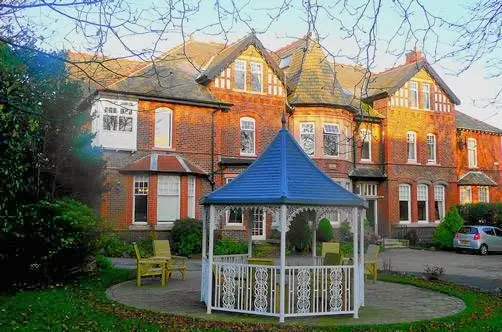
The Phoenix Centre, run by Blackpool Borough Council at Stratford Place in Blackpool, was rated Good across all five inspection domains at its only published inspection in January 2019. A monitoring review carried out in July 2023 found no evidence to trigger a reassessment of that rating, meaning the Good rating remains formally current. The home is a very small service with six beds and covers a notably wide range of specialisms, including dementia, learning disabilities, mental health conditions, and caring for children alongside older adults. The main uncertainty here is significant: the published inspection report contains almost no detail about what inspectors actually observed, heard from residents and families, or found in records. A Good rating without supporting specifics is harder to interpret than one backed by direct observations and testimony. Before making a decision, visit in person, speak to the manager about staffing levels, dementia training, and how care plans are written, and ask how they support each resident individually given the very broad range of needs the home claims to meet.
The three questions to ask when you visitSave this home. Compare it against your shortlist.
Let our analysis show you how Phoenix Centre measures up against the other homes you’re considering. Free account.
In Their Own Words
How Phoenix Centre describes itself — collected from its own website. DCC has not edited or independently verified the content in this tab.
A safe harbour for people facing life's toughest battles
Residential home,homecare agency,shared lives,supported living in Blackpool: True Peace of Mind
When someone you care about needs specialist mental health support, finding the right place feels overwhelming. The Phoenix Centre in Blackpool offers residential care for people of all ages dealing with complex challenges — from mental health conditions and learning disabilities to substance misuse and eating disorders. What sets this place apart is how residents describe feeling genuinely supported through their darkest moments.
Who they care for
The Phoenix Centre supports people across different life stages and conditions — from children through to older adults. They're equipped to help with learning disabilities, physical disabilities, mental health conditions, substance misuse issues, and eating disorders.
While dementia is listed among their specialisms, the centre primarily focuses on mental health and disability support across all age groups. They have experience supporting older adults with dementia alongside their broader mental health services.
“It's worth visiting to get a feel for whether their approach to recovery and support matches what your loved one needs.”
DCC does not edit or curate content in this tab. For independently curated information, see The Evidence and DCC Verdict.
The DCC Verdict
Our editorial view, built from the three lenses: what families tell us, what inspectors record, and how the home sits against good dementia-care practice.
DCC Family Score
Every domain was rated Good at the January 2019 inspection, but the published report contains almost no specific observations, quotes, or detailed findings to support those ratings. The scores reflect the positive formal outcome while being honest that the evidence base behind them is very thin.
Homes in North West typically score 68–82.The three-lens summary
What families tell us
People who've stayed here talk about finding real stability after turbulent times. Several residents describe how the atmosphere helped them feel secure and protected when they needed it most. The staff seem to have a knack for sitting with residents during difficult moments, whether that's watching films together or just being present when things feel overwhelming.
What inspectors have recorded
The care staff get consistent praise for being genuinely empathetic and responsive to individual needs. There's been some feedback suggesting the management structure could be smoother, though the duty managers and frontline teams clearly work hard to create a supportive environment where people feel heard.
How it sits against good practice
It's worth visiting to get a feel for whether their approach to recovery and support matches what your loved one needs.
Worth a visit
The Phoenix Centre, run by Blackpool Borough Council at Stratford Place in Blackpool, was rated Good across all five inspection domains at its only published inspection in January 2019. A monitoring review carried out in July 2023 found no evidence to trigger a reassessment of that rating, meaning the Good rating remains formally current. The home is a very small service with six beds and covers a notably wide range of specialisms, including dementia, learning disabilities, mental health conditions, and caring for children alongside older adults. The main uncertainty here is significant: the published inspection report contains almost no detail about what inspectors actually observed, heard from residents and families, or found in records. A Good rating without supporting specifics is harder to interpret than one backed by direct observations and testimony. Before making a decision, visit in person, speak to the manager about staffing levels, dementia training, and how care plans are written, and ask how they support each resident individually given the very broad range of needs the home claims to meet.
The three questions to ask when you visitSave this home. Compare it against your shortlist.
Let our analysis show you how Phoenix Centre measures up against the other homes you’re considering. Free account.
In Their Own Words
How Phoenix Centre describes itself — collected from its own website. DCC has not edited or independently verified the content in this tab.
A safe harbour for people facing life's toughest battles
Residential home,homecare agency,shared lives,supported living in Blackpool: True Peace of Mind
When someone you care about needs specialist mental health support, finding the right place feels overwhelming. The Phoenix Centre in Blackpool offers residential care for people of all ages dealing with complex challenges — from mental health conditions and learning disabilities to substance misuse and eating disorders. What sets this place apart is how residents describe feeling genuinely supported through their darkest moments.
Who they care for
The Phoenix Centre supports people across different life stages and conditions — from children through to older adults. They're equipped to help with learning disabilities, physical disabilities, mental health conditions, substance misuse issues, and eating disorders.
While dementia is listed among their specialisms, the centre primarily focuses on mental health and disability support across all age groups. They have experience supporting older adults with dementia alongside their broader mental health services.
Management & ethos
The care staff get consistent praise for being genuinely empathetic and responsive to individual needs. There's been some feedback suggesting the management structure could be smoother, though the duty managers and frontline teams clearly work hard to create a supportive environment where people feel heard.
The home & environment
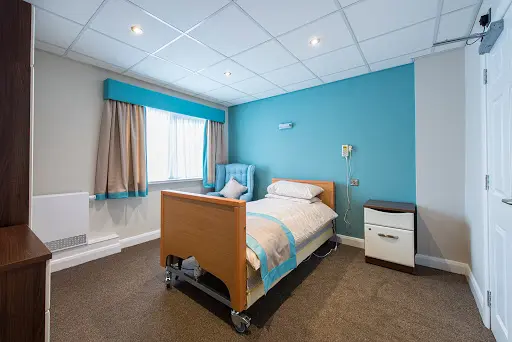
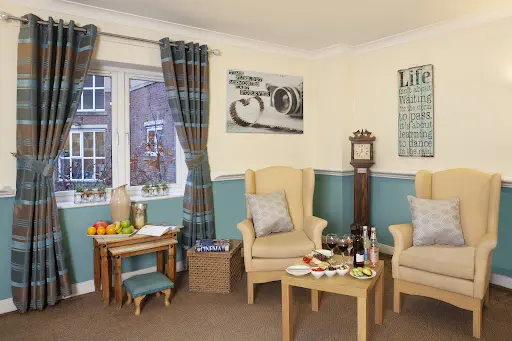
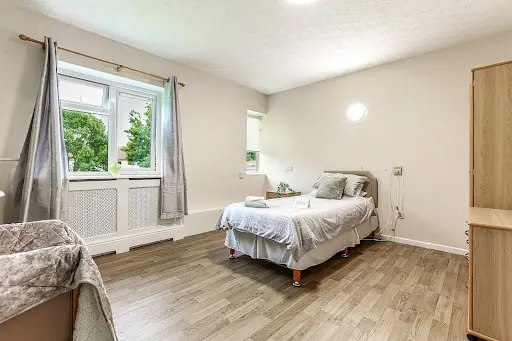
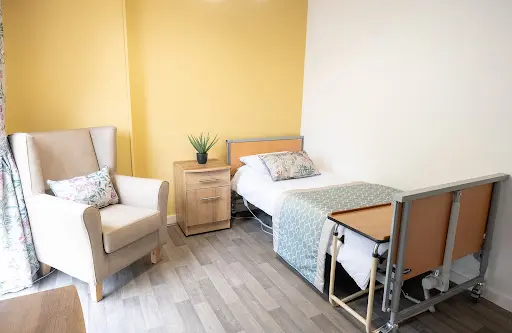
Everyone gets their own private room with an en-suite bathroom and a lock on the door — something residents really value for maintaining dignity and privacy. Meals are provided throughout the day, and there's space for activities and socialising when people feel ready for it.
“It's worth visiting to get a feel for whether their approach to recovery and support matches what your loved one needs.”
DCC does not edit or curate content in this tab. For independently curated information, see The Evidence and DCC Verdict.