Cedars Care Home
At a Glance
The information you need to decide whether this home warrants a closer look.
Residential homes
Staff warmth score
of reviewers answered yes
Good to know
- Registered beds15
- SpecialismsCaring for adults over 65 yrs, Dementia
- Last inspected2019-01-04
Save Cedars Care Home to your shortlist
Keep a running list, add visit notes, and compare homes side-by-side. Free account — it takes a minute.
STAGE 4 — RESEARCHING CARE HOMES
Visit homes. Compare them side by side. Choose with confidence.
Most of us will view care homes the way we view houses, impression, atmosphere, the feeling in the corridor. We go home, try to remember what we saw, and make a permanent decision from a blurred memory.

The DCC shortlist gives every home you visit a structured record: the same twelve questions, answered the same way, every time. When you’re ready to choose, pull any two homes side by side and compare them directly. Same criteria, same evidence, your notes and your scores.
The Evidence
What the review data, the inspection reports, and the dementia-care evidence base tell us about this home.
What families say
Families talk about the patience here — how staff take time with each person, encouraging without rushing, keeping dignity intact even on difficult days. There's a real structure to activities too, from singing sessions to gentle exercise, all pitched at the right level for each resident.
The eight family priority themes
- Staff warmth55
- Compassion & dignity55
- Cleanliness55
- Activities & engagement50
- Food quality50
- Healthcare52
- Management & leadership60
- Resident happiness52
What inspectors found
Inspected 2019-01-04
Is this home safe?
Is the care effective?
The home was rated Good for Effective at its most recent inspection. This domain covers training, care planning, access to healthcare professionals, nutrition and hydration, and consent. The home is registered as specialising in dementia care, which implies staff training in this area was considered. However, the published inspection text does not record specific detail about training content, care plan quality, GP access arrangements, or how the home monitors and responds to changes in your parent's health.Is this home caring?
The Cedars Care Home received a Good rating in the Caring domain at its most recent inspection. This domain covers whether staff treat the people in their care with warmth, dignity, and respect, and whether individuals are supported to remain as independent as possible. The published report text does not include inspector observations of staff interactions, quotes from residents or relatives, or specific examples of person-centred practice such as use of preferred names or unhurried support.Is the home responsive?
The home was rated Good for Responsive at its most recent inspection. This domain covers whether care is tailored to individuals, whether there is a meaningful range of activities, and how the home handles complaints and end-of-life care. The published inspection text does not describe the activities programme, record any specific examples of individualised engagement, or detail how the home supports people who cannot participate in group activities. The home's small size, 15 beds, could support more individual attention but this is not confirmed by the available evidence.Is the home well-led?
The Cedars Care Home was rated Good for Well-led at its most recent inspection. A named registered manager, Miss Katarzyna Magdalena Nasiadka, and a nominated individual, Mr Amit Parkash, are registered with the regulator. A Good Well-led rating indicates inspectors found governance structures, oversight, and staff culture to be satisfactory. The published report text does not record how long the current manager has been in post, what quality assurance processes are used, or how staff are supported to raise concerns.
Source: CQC inspection report →
What the evidence base says
The Cedars specialises in dementia care for people over 65, with staff who understand how to adapt their approach as needs change. Their dementia support includes proper cognitive activities — not just entertainment but occupational therapy, crafts and movement sessions designed to engage at different ability levels. Families particularly value how staff recognise and respond to the subtle changes that come with dementia progression. All areas worth probing directly during a visit.
The DCC Verdict
Our editorial view, built from the three lenses: what families tell us, what inspectors record, and how the home sits against good dementia-care practice.
DCC Family Score
The Cedars Care Home holds a Good rating across all five inspection domains, but the published report contains very little specific detail about day-to-day life. Scores reflect the positive overall rating while honestly reflecting the thin evidence base available to families.
Homes in South East typically score 68–82.The three-lens summary
What families tell us
Families talk about the patience here — how staff take time with each person, encouraging without rushing, keeping dignity intact even on difficult days. There's a real structure to activities too, from singing sessions to gentle exercise, all pitched at the right level for each resident.
What inspectors have recorded
What stands out is how closely staff monitor each resident's wellbeing. Family members describe weekly health checks and a care manager who really tracks how everyone's doing. The staff-to-resident ratio means there's always someone available, and that shows in the unhurried, respectful way they go about daily care.
How it sits against good practice
Sometimes the best care shows in the quiet moments — a gentle encouragement, an unhurried conversation, remembering how someone likes their tea.
Worth a visit
The Cedars Care Home, at 16 Fordbridge Road, Ashford, was rated Good across all five inspection domains at its most recent inspection, published in April 2021. The home is registered to provide care for adults over 65 and for people living with dementia, and has a named registered manager and nominated individual in place. A Good rating across every domain is a positive baseline and suggests inspectors found no significant concerns about safety, staffing, care planning, or leadership at the time of the visit. The main limitation for families is that the published inspection text contains very little specific detail about day-to-day life inside the home. There are no recorded observations of staff interactions, no direct quotes from your parent's future neighbours or their relatives, and no specifics about food, activities, or the physical environment. The inspection also took place in March 2021, which means the findings are now more than four years old. A lot can change in that time, including staffing, management, and the overall culture of a home. Before making a decision, visit in person, ask to see recent staffing rotas, request the current activities schedule, and speak directly to the manager about how the team supports people living with dementia day to day.
The three questions to ask when you visitSave this home. Compare it against your shortlist.
Let our analysis show you how Cedars Care Home measures up against the other homes you’re considering. Free account.
In Their Own Words
How Cedars Care Home describes itself — collected from its own website. DCC has not edited or independently verified the content in this tab.
Where gentle dementia care meets everyday dignity and connection
Residential home in Ashford: True Peace of Mind
When dementia changes everything, finding the right support matters more than ever. The Cedars in Ashford offers something families describe as genuinely thoughtful — a place where staff know residents well enough to spot the smallest changes, and where daily life still includes proper choices and meaningful moments. It's the kind of care that helps worried families breathe a little easier.
Who they care for
The Cedars specialises in dementia care for people over 65, with staff who understand how to adapt their approach as needs change.
Their dementia support includes proper cognitive activities — not just entertainment but occupational therapy, crafts and movement sessions designed to engage at different ability levels. Families particularly value how staff recognise and respond to the subtle changes that come with dementia progression.
“Sometimes the best care shows in the quiet moments — a gentle encouragement, an unhurried conversation, remembering how someone likes their tea.”
DCC does not edit or curate content in this tab. For independently curated information, see The Evidence and DCC Verdict.
The DCC Verdict
Our editorial view, built from the three lenses: what families tell us, what inspectors record, and how the home sits against good dementia-care practice.
DCC Family Score
The Cedars Care Home holds a Good rating across all five inspection domains, but the published report contains very little specific detail about day-to-day life. Scores reflect the positive overall rating while honestly reflecting the thin evidence base available to families.
Homes in South East typically score 68–82.The three-lens summary
What families tell us
Families talk about the patience here — how staff take time with each person, encouraging without rushing, keeping dignity intact even on difficult days. There's a real structure to activities too, from singing sessions to gentle exercise, all pitched at the right level for each resident.
What inspectors have recorded
What stands out is how closely staff monitor each resident's wellbeing. Family members describe weekly health checks and a care manager who really tracks how everyone's doing. The staff-to-resident ratio means there's always someone available, and that shows in the unhurried, respectful way they go about daily care.
How it sits against good practice
Sometimes the best care shows in the quiet moments — a gentle encouragement, an unhurried conversation, remembering how someone likes their tea.
Worth a visit
The Cedars Care Home, at 16 Fordbridge Road, Ashford, was rated Good across all five inspection domains at its most recent inspection, published in April 2021. The home is registered to provide care for adults over 65 and for people living with dementia, and has a named registered manager and nominated individual in place. A Good rating across every domain is a positive baseline and suggests inspectors found no significant concerns about safety, staffing, care planning, or leadership at the time of the visit. The main limitation for families is that the published inspection text contains very little specific detail about day-to-day life inside the home. There are no recorded observations of staff interactions, no direct quotes from your parent's future neighbours or their relatives, and no specifics about food, activities, or the physical environment. The inspection also took place in March 2021, which means the findings are now more than four years old. A lot can change in that time, including staffing, management, and the overall culture of a home. Before making a decision, visit in person, ask to see recent staffing rotas, request the current activities schedule, and speak directly to the manager about how the team supports people living with dementia day to day.
The three questions to ask when you visitSave this home. Compare it against your shortlist.
Let our analysis show you how Cedars Care Home measures up against the other homes you’re considering. Free account.
In Their Own Words
How Cedars Care Home describes itself — collected from its own website. DCC has not edited or independently verified the content in this tab.
Where gentle dementia care meets everyday dignity and connection
Residential home in Ashford: True Peace of Mind
When dementia changes everything, finding the right support matters more than ever. The Cedars in Ashford offers something families describe as genuinely thoughtful — a place where staff know residents well enough to spot the smallest changes, and where daily life still includes proper choices and meaningful moments. It's the kind of care that helps worried families breathe a little easier.
Who they care for
The Cedars specialises in dementia care for people over 65, with staff who understand how to adapt their approach as needs change.
Their dementia support includes proper cognitive activities — not just entertainment but occupational therapy, crafts and movement sessions designed to engage at different ability levels. Families particularly value how staff recognise and respond to the subtle changes that come with dementia progression.
Management & ethos
What stands out is how closely staff monitor each resident's wellbeing. Family members describe weekly health checks and a care manager who really tracks how everyone's doing. The staff-to-resident ratio means there's always someone available, and that shows in the unhurried, respectful way they go about daily care.
The home & environment
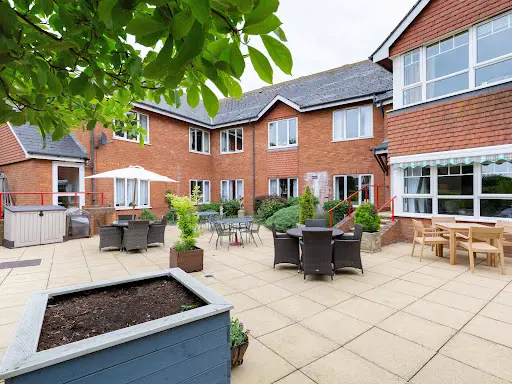
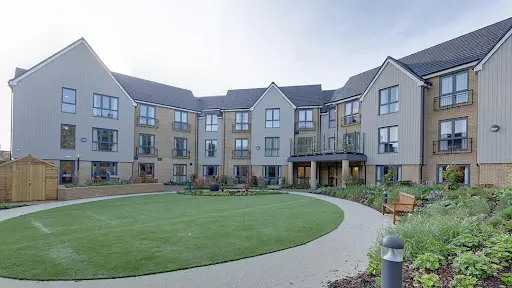
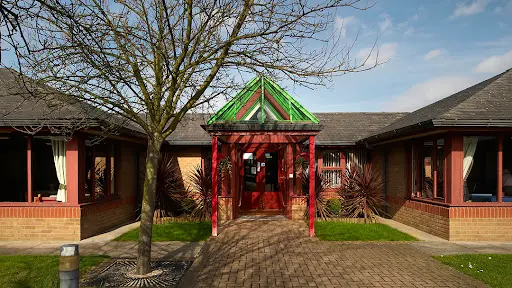
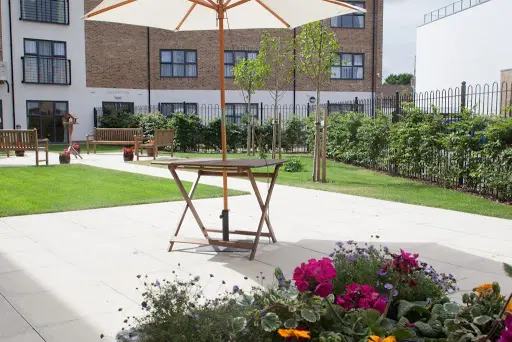
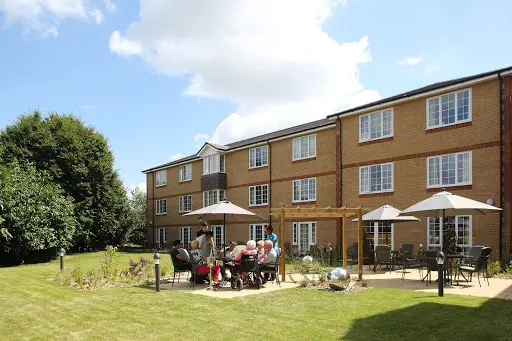
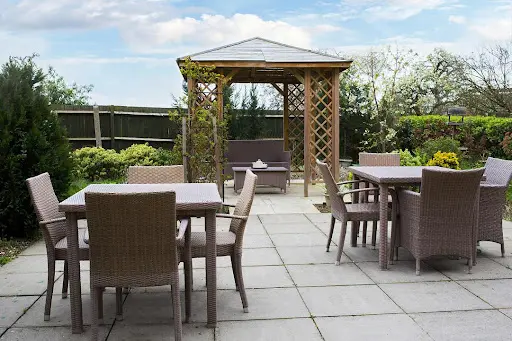
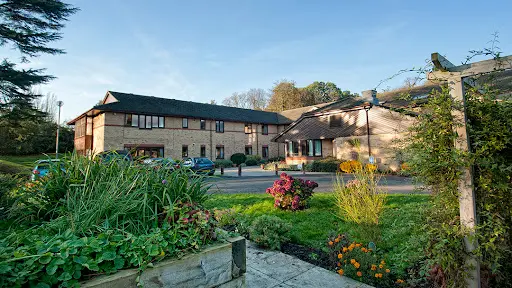
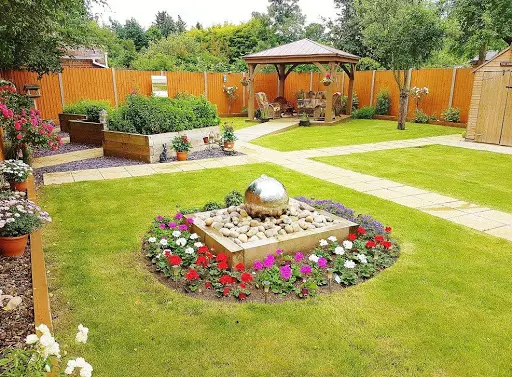
The food gets proper attention here, with home-cooked meals that actually offer choice — not just token options but real variety that respects what people fancy eating. Families mention how clean and well-kept everything is, with residents' own belongings making rooms feel personal rather than institutional.
“Sometimes the best care shows in the quiet moments — a gentle encouragement, an unhurried conversation, remembering how someone likes their tea.”
DCC does not edit or curate content in this tab. For independently curated information, see The Evidence and DCC Verdict.