Warren Lodge Care Home – Bupa

At a Glance
The information you need to decide whether this home warrants a closer look.
Nursing homes
Staff warmth score
of reviewers answered yes
Good to know
- Registered beds64
- SpecialismsCaring for adults over 65 yrs, Caring for adults under 65 yrs, Dementia
- Last inspected2023-05-11
Save Warren Lodge Care Home – Bupa to your shortlist
Keep a running list, add visit notes, and compare homes side-by-side. Free account — it takes a minute.
STAGE 4 — RESEARCHING CARE HOMES
Visit homes. Compare them side by side. Choose with confidence.
Most of us will view care homes the way we view houses, impression, atmosphere, the feeling in the corridor. We go home, try to remember what we saw, and make a permanent decision from a blurred memory.

The DCC shortlist gives every home you visit a structured record: the same twelve questions, answered the same way, every time. When you’re ready to choose, pull any two homes side by side and compare them directly. Same criteria, same evidence, your notes and your scores.
The Evidence
What the review data, the inspection reports, and the dementia-care evidence base tell us about this home.
What families say
What strikes families most is how staff adapt to each resident's changing needs. When someone struggles to communicate, carers find other ways to connect — through familiar songs, gentle touch, or simply sitting quietly together. The atmosphere feels purposeful rather than institutional, with activities woven through each day that match what residents can manage and enjoy.
The eight family priority themes
- Staff warmth72
- Compassion & dignity72
- Cleanliness70
- Activities & engagement65
- Food quality65
- Healthcare70
- Management & leadership74
- Resident happiness70
What inspectors found
Inspected 2023-05-11
Is this home safe?
Is the care effective?
The Effective domain was rated Good, covering training, care planning, healthcare access, and food quality. The home lists dementia as a specialism and cares for both adults over and under 65 years of age. No specific information about dementia training content, GP visit frequency, how care plans are structured, or what food provision looks like is recorded in the published findings. The Good rating indicates inspectors found no significant concerns in these areas.Is this home caring?
The Caring domain was rated Good, covering staff warmth, dignity, respect, and independence. This is one of the two domains most closely linked to family satisfaction in our review data. The published findings do not include direct observations of staff interactions, resident testimony about how they feel treated, or specific examples such as preferred names being used or residents being given time to make choices. A Good rating in this domain indicates inspectors did not find evidence of poor practice in these areas.Is the home responsive?
The Responsive domain was rated Good, covering activities, individual engagement, and end-of-life care. The home supports residents with dementia as well as those without, which means activities need to be genuinely varied and adapted to different levels of ability. No specific activities, individual engagement approaches, or end-of-life planning examples are recorded in the published findings. The Good rating indicates inspectors found no significant concerns in this area.Is the home well-led?
The Well-led domain was rated Good, and the home has a named registered manager (Mr Akinwale Adekunle Oyelekan) and a nominated individual (Mr Donald Day) recorded. The home is operated by Bupa Care Homes (ANS) Limited. The improvement from Requires Improvement to Good across all domains suggests the leadership team has addressed previous concerns identified by inspectors. The published findings do not describe the manager's visibility on the floor, how staff are supported, or how the home responds to concerns raised by families.
Source: CQC inspection report →
What the evidence base says
Warren Lodge cares for adults over 65, with particular expertise in dementia support. They also welcome younger adults who need residential care. The home's approach to dementia goes beyond basic care needs. Staff training focuses on understanding how to reach residents wherever they are in their journey, whether that's through music, movement, or quiet companionship. The building layout and daily rhythms are shaped around what helps residents feel secure and engaged. All areas worth probing directly during a visit.
The DCC Verdict
Our editorial view, built from the three lenses: what families tell us, what inspectors record, and how the home sits against good dementia-care practice.
DCC Family Score
Warren Lodge Care Home received a Good rating across all five inspection domains, having improved from Requires Improvement at its previous inspection. Scores reflect positive but largely general inspection evidence, with limited direct observations or resident testimony recorded in the published findings.
Homes in South East typically score 68–82.The three-lens summary
What families tell us
What strikes families most is how staff adapt to each resident's changing needs. When someone struggles to communicate, carers find other ways to connect — through familiar songs, gentle touch, or simply sitting quietly together. The atmosphere feels purposeful rather than institutional, with activities woven through each day that match what residents can manage and enjoy.
What inspectors have recorded
Staff consistency seems to make a real difference here. Families talk about seeing the same faces month after month — carers who remember not just medical needs but the small things that matter. When concerns arise, staff respond quickly, and the open visiting policy means families can drop by whenever worry strikes. During those final weeks that no one wants to think about, the team provides the kind of compassionate support that helps everyone through.
How it sits against good practice
Sometimes the best measure of a care home isn't in grand statements but in small moments — a cleaner who stops for a proper chat, a carer who remembers which songs make someone smile.
Worth a visit
Warren Lodge Care Home, on Warren Lane in Ashford, was rated Good across all five inspection domains at its assessment on 28 March 2023. This represents a meaningful improvement from its previous rating of Requires Improvement, and covers safety, effectiveness, care, responsiveness, and leadership. The home is run by Bupa Care Homes (ANS) Limited and has a named registered manager in post. The main limitation of this report is that the published findings are brief, and very little specific detail, such as direct observations, resident or family quotes, or concrete examples of practice, is recorded. A Good rating tells you the inspection found no significant concerns, but it does not on its own tell you whether your parent will feel known, engaged, and genuinely comfortable here. On a visit, ask to see a sample care plan, check the actual staffing rota for a recent week (including nights), ask how the home supports residents who cannot join group activities, and observe how staff interact with residents in corridors and communal areas without prompting.
The three questions to ask when you visitSave this home. Compare it against your shortlist.
Let our analysis show you how Warren Lodge Care Home – Bupa measures up against the other homes you’re considering. Free account.
In Their Own Words
How Warren Lodge Care Home – Bupa describes itself — collected from its own website. DCC has not edited or independently verified the content in this tab.
Where singing fills the corridors and no one faces dementia alone
Dedicated nursing home Support in Ashford
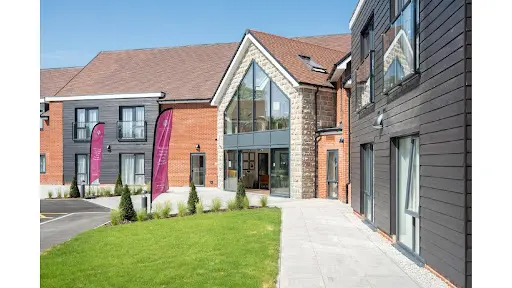
Families searching for dementia care in Ashford often describe Warren Lodge Care Home with relief in their voices. This purpose-built home has become known for something special — staff who sing with residents, hold their hands through difficult moments, and somehow make the hardest journey feel less frightening. It's the kind of place where cleaners stop to chat and kitchen staff know everyone's preferences.
Who they care for
Warren Lodge cares for adults over 65, with particular expertise in dementia support. They also welcome younger adults who need residential care.
The home's approach to dementia goes beyond basic care needs. Staff training focuses on understanding how to reach residents wherever they are in their journey, whether that's through music, movement, or quiet companionship. The building layout and daily rhythms are shaped around what helps residents feel secure and engaged.
“Sometimes the best measure of a care home isn't in grand statements but in small moments — a cleaner who stops for a proper chat, a carer who remembers which songs make someone smile.”
DCC does not edit or curate content in this tab. For independently curated information, see The Evidence and DCC Verdict.
The DCC Verdict
Our editorial view, built from the three lenses: what families tell us, what inspectors record, and how the home sits against good dementia-care practice.
DCC Family Score
Warren Lodge Care Home received a Good rating across all five inspection domains, having improved from Requires Improvement at its previous inspection. Scores reflect positive but largely general inspection evidence, with limited direct observations or resident testimony recorded in the published findings.
Homes in South East typically score 68–82.The three-lens summary
What families tell us
What strikes families most is how staff adapt to each resident's changing needs. When someone struggles to communicate, carers find other ways to connect — through familiar songs, gentle touch, or simply sitting quietly together. The atmosphere feels purposeful rather than institutional, with activities woven through each day that match what residents can manage and enjoy.
What inspectors have recorded
Staff consistency seems to make a real difference here. Families talk about seeing the same faces month after month — carers who remember not just medical needs but the small things that matter. When concerns arise, staff respond quickly, and the open visiting policy means families can drop by whenever worry strikes. During those final weeks that no one wants to think about, the team provides the kind of compassionate support that helps everyone through.
How it sits against good practice
Sometimes the best measure of a care home isn't in grand statements but in small moments — a cleaner who stops for a proper chat, a carer who remembers which songs make someone smile.
Worth a visit
Warren Lodge Care Home, on Warren Lane in Ashford, was rated Good across all five inspection domains at its assessment on 28 March 2023. This represents a meaningful improvement from its previous rating of Requires Improvement, and covers safety, effectiveness, care, responsiveness, and leadership. The home is run by Bupa Care Homes (ANS) Limited and has a named registered manager in post. The main limitation of this report is that the published findings are brief, and very little specific detail, such as direct observations, resident or family quotes, or concrete examples of practice, is recorded. A Good rating tells you the inspection found no significant concerns, but it does not on its own tell you whether your parent will feel known, engaged, and genuinely comfortable here. On a visit, ask to see a sample care plan, check the actual staffing rota for a recent week (including nights), ask how the home supports residents who cannot join group activities, and observe how staff interact with residents in corridors and communal areas without prompting.
The three questions to ask when you visitSave this home. Compare it against your shortlist.
Let our analysis show you how Warren Lodge Care Home – Bupa measures up against the other homes you’re considering. Free account.
In Their Own Words
How Warren Lodge Care Home – Bupa describes itself — collected from its own website. DCC has not edited or independently verified the content in this tab.
Where singing fills the corridors and no one faces dementia alone
Dedicated nursing home Support in Ashford
Families searching for dementia care in Ashford often describe Warren Lodge Care Home with relief in their voices. This purpose-built home has become known for something special — staff who sing with residents, hold their hands through difficult moments, and somehow make the hardest journey feel less frightening. It's the kind of place where cleaners stop to chat and kitchen staff know everyone's preferences.
Who they care for
Warren Lodge cares for adults over 65, with particular expertise in dementia support. They also welcome younger adults who need residential care.
The home's approach to dementia goes beyond basic care needs. Staff training focuses on understanding how to reach residents wherever they are in their journey, whether that's through music, movement, or quiet companionship. The building layout and daily rhythms are shaped around what helps residents feel secure and engaged.
Management & ethos
Staff consistency seems to make a real difference here. Families talk about seeing the same faces month after month — carers who remember not just medical needs but the small things that matter. When concerns arise, staff respond quickly, and the open visiting policy means families can drop by whenever worry strikes. During those final weeks that no one wants to think about, the team provides the kind of compassionate support that helps everyone through.
The home & environment
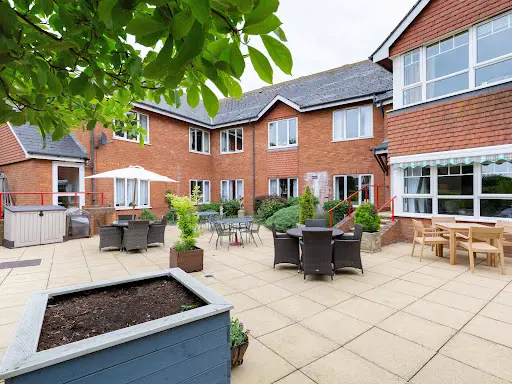
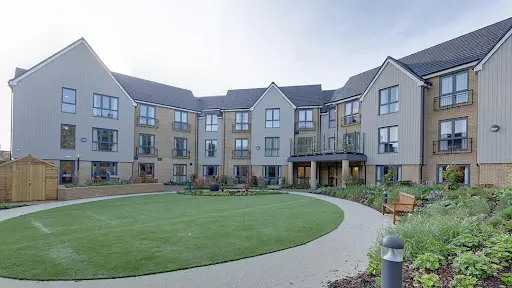
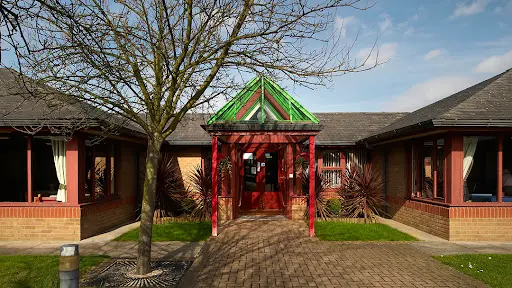
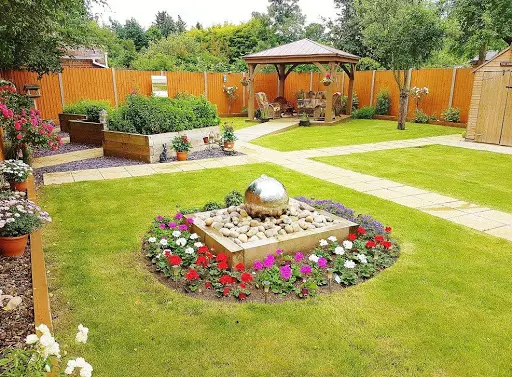
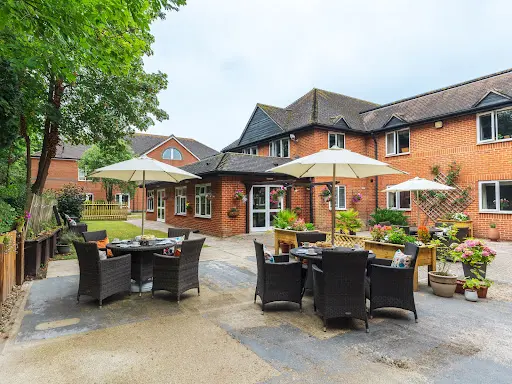
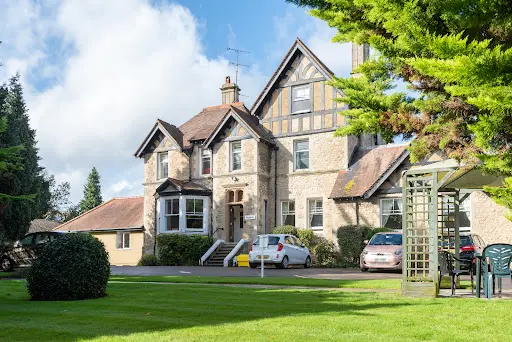
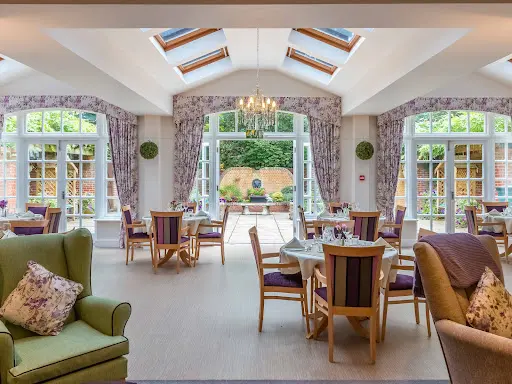
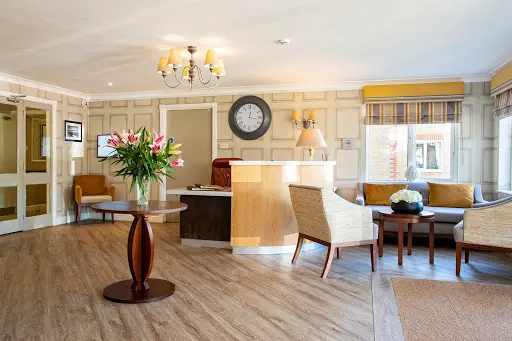
The home itself reflects thoughtful design for dementia care. Each resident has their own en-suite room, offering privacy when needed and easy access to communal spaces when company feels right. Families mention finding the building consistently clean and well-maintained, with spaces that feel calm rather than clinical.
“Sometimes the best measure of a care home isn't in grand statements but in small moments — a cleaner who stops for a proper chat, a carer who remembers which songs make someone smile.”
DCC does not edit or curate content in this tab. For independently curated information, see The Evidence and DCC Verdict.