Montfort Manor Care Home – Care UK
At a Glance
The information you need to decide whether this home warrants a closer look.
Nursing homes
Staff warmth score
of reviewers answered yes
Good to know
- Registered beds68
- SpecialismsCaring for adults over 65 yrs, Caring for adults under 65 yrs, Dementia, Physical disabilities
- Last inspected2021-11-19
Save Montfort Manor Care Home – Care UK to your shortlist
Keep a running list, add visit notes, and compare homes side-by-side. Free account — it takes a minute.
STAGE 4 — RESEARCHING CARE HOMES
Visit homes. Compare them side by side. Choose with confidence.
Most of us will view care homes the way we view houses, impression, atmosphere, the feeling in the corridor. We go home, try to remember what we saw, and make a permanent decision from a blurred memory.

The DCC shortlist gives every home you visit a structured record: the same twelve questions, answered the same way, every time. When you’re ready to choose, pull any two homes side by side and compare them directly. Same criteria, same evidence, your notes and your scores.
The Evidence
What the review data, the inspection reports, and the dementia-care evidence base tell us about this home.
What families say
Families consistently describe finding their relatives relaxed and content here, participating in everything from film afternoons to exercise classes. The programme of activities — concerts, crafts, outings — appears to keep residents genuinely involved rather than just occupied. Small touches like memory boxes and attention to individual preferences help maintain each person's sense of identity.
The eight family priority themes
- Staff warmth75
- Compassion & dignity75
- Cleanliness72
- Activities & engagement45
- Food quality60
- Healthcare72
- Management & leadership75
- Resident happiness65
What inspectors found
Inspected 2021-11-19
Is this home safe?
Is the care effective?
Effective was rated Good at the October 2021 inspection. This domain covers whether staff have the right training and skills, whether care plans are detailed and kept up to date, and whether your parent's health needs, including GP access and medicines management, are properly handled. The home has a nursing specialism, which means a qualified nurse should be available at all times. No specific detail about training content, care plan review frequency, or food quality appears in the published summary. The Good rating indicates inspectors were satisfied with the overall standard.Is this home caring?
Caring was rated Good at the October 2021 inspection. This is the domain that most directly covers whether staff are kind, whether your parent's dignity is protected, and whether they are treated as an individual rather than a task. No specific inspector observations, staff interactions, or resident or family quotes are reproduced in the published summary. The Good rating indicates inspectors were satisfied, but the absence of detail makes it impossible to say what specifically impressed them or what could be stronger.Is the home responsive?
Responsive was rated Requires Improvement at the October 2021 inspection. This is the domain that covers whether your parent will have a meaningful daily life: activities, individual engagement, personalised care, and end-of-life planning. This is the only domain where the home did not meet the expected standard. The published summary does not describe what specifically inspectors found lacking, what the home was asked to improve, or what action has since been taken. A subsequent review in July 2023 found no evidence requiring a reassessment of the rating, but this does not confirm the issues have been fully resolved.Is the home well-led?
Well-led was rated Good at the October 2021 inspection. A named registered manager, Mrs Joanne Geraldine Eaton, and a nominated individual, Ms Rachel Louise Harvey, are recorded as accountable leaders. The home is operated by Care UK Community Partnerships Ltd, a large national provider. A Good rating in this domain indicates inspectors were satisfied with governance, oversight, and the culture of the home at the time of inspection. No specific detail about manager visibility, staff culture, or how the home handles complaints is reproduced in the published summary.
Source: CQC inspection report →
What the evidence base says
The home provides care for adults both over and under 65, including those living with dementia and physical disabilities. While the home welcomes people living with dementia, families haven't shared specific details about memory care approaches. The general atmosphere of engagement and the use of memory boxes suggest an understanding of individual needs. All areas worth probing directly during a visit.
The DCC Verdict
Our editorial view, built from the three lenses: what families tell us, what inspectors record, and how the home sits against good dementia-care practice.
DCC Family Score
Montfort Manor scores well across safety, caring, and leadership, but the Requires Improvement rating in Responsive pulls the overall score down, signalling that individual engagement and activity provision need closer scrutiny before you commit.
Homes in South East typically score 68–82.The three-lens summary
What families tell us
Families consistently describe finding their relatives relaxed and content here, participating in everything from film afternoons to exercise classes. The programme of activities — concerts, crafts, outings — appears to keep residents genuinely involved rather than just occupied. Small touches like memory boxes and attention to individual preferences help maintain each person's sense of identity.
What inspectors have recorded
Staff come across as genuinely cheerful and attentive in their interactions with residents. Families notice the small kindnesses — remembering how someone likes their tea, taking time for a chat, responding quickly when help is needed. While one family raised concerns about management communication, the overwhelming picture is of staff who treat residents with real warmth and respect.
How it sits against good practice
Sometimes you can sense when staff genuinely care about the people they look after — that seems to be what families find here.
Worth a visit
Montfort Manor on Kennington Road in Ashford was rated Good overall at its inspection in October 2021, with Good ratings across Safe, Effective, Caring, and Well-led. The home is run by Care UK Community Partnerships Ltd, a large provider, and has a named registered manager in post. Four of the five inspection domains met the standard inspectors expected, and the home cares for people living with dementia, physical disabilities, and nursing needs across 68 beds. The one area that did not meet the expected standard was Responsive, which covers whether your parent will have a meaningful life at the home: activities, individual engagement, and how well the home adapts to personal preferences. This rating is the most important outstanding question you need to explore. The inspection summary published online contains very little specific detail about what inspectors actually saw or heard, so you will need to gather much of this information yourself on a visit. Ask to see real activity records, speak to a member of the activities team, and observe how staff interact with residents who are sitting quietly or appear withdrawn. The inspection is also now over three years old, which means staffing, management, and culture may have changed since.
The three questions to ask when you visitSave this home. Compare it against your shortlist.
Let our analysis show you how Montfort Manor Care Home – Care UK measures up against the other homes you’re considering. Free account.
In Their Own Words
How Montfort Manor Care Home – Care UK describes itself — collected from its own website. DCC has not edited or independently verified the content in this tab.
Where daily life carries on with dignity and genuine warmth
Montfort Manor – Your Trusted nursing home
For many families, Montfort Manor in Ashford represents something increasingly rare — a care home where residents stay actively engaged in life rather than simply being looked after. The combination of thoughtful activities, proper facilities, and staff who seem to genuinely enjoy their work creates an atmosphere where people continue to thrive.
Who they care for
The home provides care for adults both over and under 65, including those living with dementia and physical disabilities.
While the home welcomes people living with dementia, families haven't shared specific details about memory care approaches. The general atmosphere of engagement and the use of memory boxes suggest an understanding of individual needs.
“Sometimes you can sense when staff genuinely care about the people they look after — that seems to be what families find here.”
DCC does not edit or curate content in this tab. For independently curated information, see The Evidence and DCC Verdict.
The DCC Verdict
Our editorial view, built from the three lenses: what families tell us, what inspectors record, and how the home sits against good dementia-care practice.
DCC Family Score
Montfort Manor scores well across safety, caring, and leadership, but the Requires Improvement rating in Responsive pulls the overall score down, signalling that individual engagement and activity provision need closer scrutiny before you commit.
Homes in South East typically score 68–82.The three-lens summary
What families tell us
Families consistently describe finding their relatives relaxed and content here, participating in everything from film afternoons to exercise classes. The programme of activities — concerts, crafts, outings — appears to keep residents genuinely involved rather than just occupied. Small touches like memory boxes and attention to individual preferences help maintain each person's sense of identity.
What inspectors have recorded
Staff come across as genuinely cheerful and attentive in their interactions with residents. Families notice the small kindnesses — remembering how someone likes their tea, taking time for a chat, responding quickly when help is needed. While one family raised concerns about management communication, the overwhelming picture is of staff who treat residents with real warmth and respect.
How it sits against good practice
Sometimes you can sense when staff genuinely care about the people they look after — that seems to be what families find here.
Worth a visit
Montfort Manor on Kennington Road in Ashford was rated Good overall at its inspection in October 2021, with Good ratings across Safe, Effective, Caring, and Well-led. The home is run by Care UK Community Partnerships Ltd, a large provider, and has a named registered manager in post. Four of the five inspection domains met the standard inspectors expected, and the home cares for people living with dementia, physical disabilities, and nursing needs across 68 beds. The one area that did not meet the expected standard was Responsive, which covers whether your parent will have a meaningful life at the home: activities, individual engagement, and how well the home adapts to personal preferences. This rating is the most important outstanding question you need to explore. The inspection summary published online contains very little specific detail about what inspectors actually saw or heard, so you will need to gather much of this information yourself on a visit. Ask to see real activity records, speak to a member of the activities team, and observe how staff interact with residents who are sitting quietly or appear withdrawn. The inspection is also now over three years old, which means staffing, management, and culture may have changed since.
The three questions to ask when you visitSave this home. Compare it against your shortlist.
Let our analysis show you how Montfort Manor Care Home – Care UK measures up against the other homes you’re considering. Free account.
In Their Own Words
How Montfort Manor Care Home – Care UK describes itself — collected from its own website. DCC has not edited or independently verified the content in this tab.
Where daily life carries on with dignity and genuine warmth
Montfort Manor – Your Trusted nursing home
For many families, Montfort Manor in Ashford represents something increasingly rare — a care home where residents stay actively engaged in life rather than simply being looked after. The combination of thoughtful activities, proper facilities, and staff who seem to genuinely enjoy their work creates an atmosphere where people continue to thrive.
Who they care for
The home provides care for adults both over and under 65, including those living with dementia and physical disabilities.
While the home welcomes people living with dementia, families haven't shared specific details about memory care approaches. The general atmosphere of engagement and the use of memory boxes suggest an understanding of individual needs.
Management & ethos
Staff come across as genuinely cheerful and attentive in their interactions with residents. Families notice the small kindnesses — remembering how someone likes their tea, taking time for a chat, responding quickly when help is needed. While one family raised concerns about management communication, the overwhelming picture is of staff who treat residents with real warmth and respect.
The home & environment
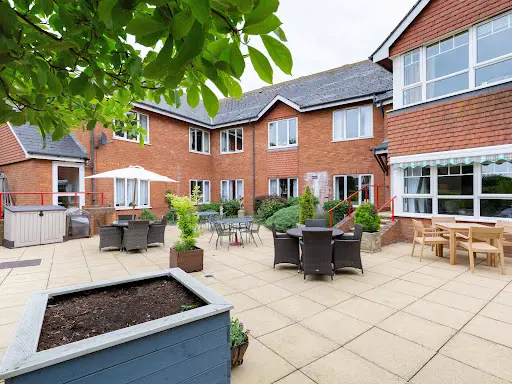
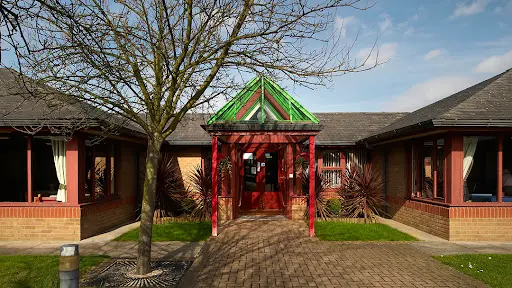
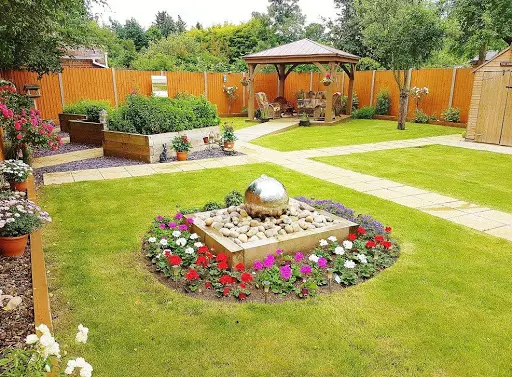
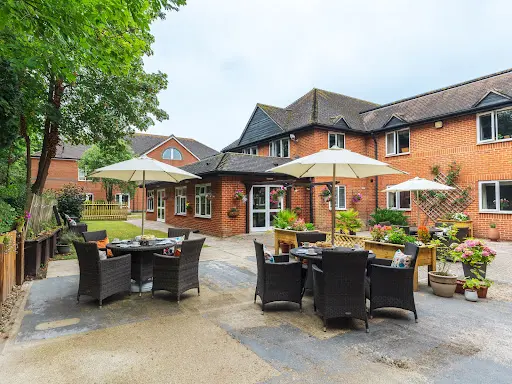
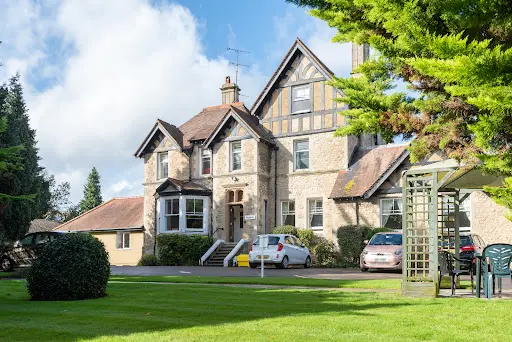
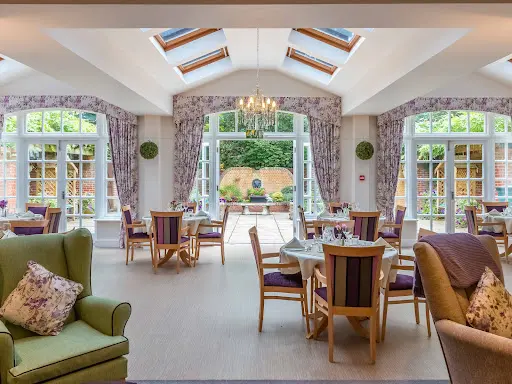
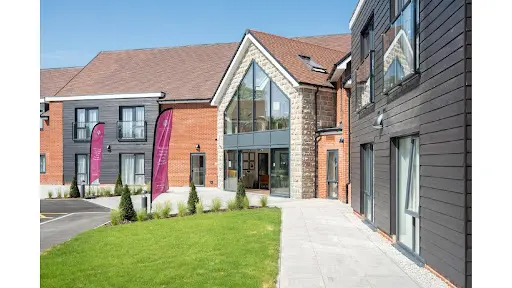
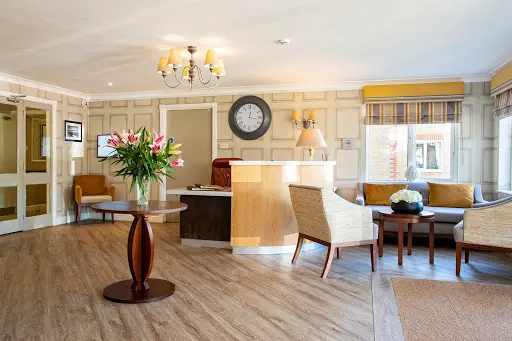
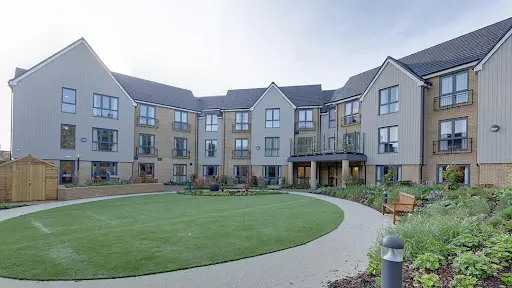
The physical environment strikes visitors as both practical and dignified. Beyond clean, bright rooms, there's a real café, a working bar, a hair salon, and even a cinema. These aren't just amenities — they help residents feel they're living somewhere normal rather than institutional. The food consistently draws praise too, with proper choice and flexibility around personal preferences.
“Sometimes you can sense when staff genuinely care about the people they look after — that seems to be what families find here.”
DCC does not edit or curate content in this tab. For independently curated information, see The Evidence and DCC Verdict.