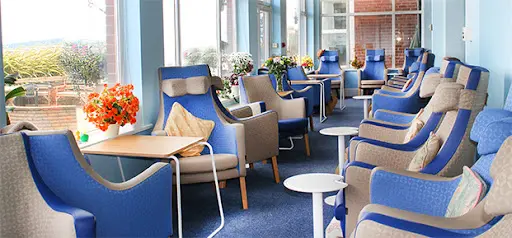
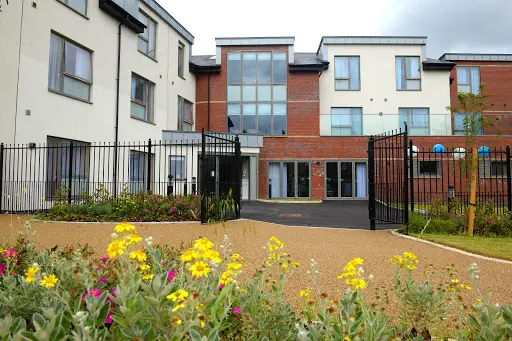
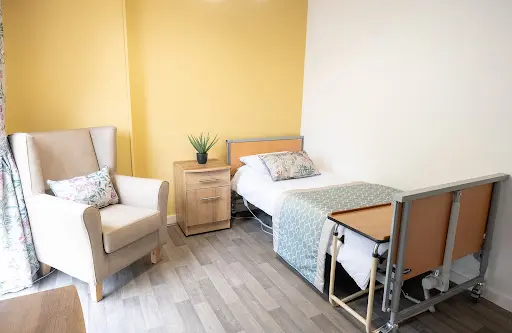
Ryecourt Nursing Home

At a Glance
The information you need to decide whether this home warrants a closer look.
Nursing homes
Staff warmth score
of reviewers answered yes
Good to know
- Registered beds35
- SpecialismsCaring for adults over 65 yrs, Caring for adults under 65 yrs, Dementia, Learning disabilities, Physical disabilities
- Last inspected2018-08-11
Save Ryecourt Nursing Home to your shortlist
Keep a running list, add visit notes, and compare homes side-by-side. Free account — it takes a minute.
STAGE 4 — RESEARCHING CARE HOMES
Visit homes. Compare them side by side. Choose with confidence.
Most of us will view care homes the way we view houses, impression, atmosphere, the feeling in the corridor. We go home, try to remember what we saw, and make a permanent decision from a blurred memory.

The DCC shortlist gives every home you visit a structured record: the same twelve questions, answered the same way, every time. When you’re ready to choose, pull any two homes side by side and compare them directly. Same criteria, same evidence, your notes and your scores.
The Evidence
What the review data, the inspection reports, and the dementia-care evidence base tell us about this home.
What families say
Families describe the staff as genuinely caring and helpful. There's a sense that the team really gets to know residents and works hard to support them through difficult times.
The eight family priority themes
- Staff warmth88
- Compassion & dignity90
- Cleanliness72
- Activities & engagement82
- Food quality70
- Healthcare85
- Management & leadership90
- Resident happiness82
What inspectors found
Inspected 2018-08-11
Is this home safe?
Is the care effective?
Effective was rated Outstanding, the highest possible rating, at the May 2018 inspection. In a nursing home context, Outstanding Effective means inspectors found strong, specific evidence of well-trained staff, detailed and person-centred care plans, good healthcare access including regular GP and specialist involvement, and effective nutritional care. The home lists dementia, learning disabilities, and physical disabilities among its specialisms, so inspectors would have looked at whether training matched the complexity of the people living there. The published summary does not itemise specific training programmes or describe individual care plan content.Is this home caring?
Caring was rated Outstanding at the May 2018 inspection, the domain most directly relevant to how your parent will experience daily life. Outstanding Caring requires inspectors to find specific, observed evidence of warm and dignified interactions, not just policy statements. This means they would have watched staff at work, spoken with residents and relatives, and reviewed records. The home's combined specialisms in dementia, physical disability, and learning disability mean inspectors would have assessed whether care was adapted to individual communication and support needs. The published summary does not reproduce the direct observations made, but the Outstanding rating confirms the evidence was strong.Is the home responsive?
Responsive was rated Outstanding at the May 2018 inspection. This domain covers whether care is tailored to the individual, whether activities are meaningful and accessible, whether complaints are handled well, and whether end-of-life care is planned and compassionate. Outstanding Responsive in a home with dementia and disability specialisms is a strong signal that inspectors found evidence of genuinely individualised care rather than a one-size-fits-all approach. The published summary does not describe specific activities, visiting arrangements, or complaint outcomes in detail.Is the home well-led?
Well-led was rated Outstanding at the May 2018 inspection. This domain covers whether the home has stable, visible leadership, a positive culture, robust governance, and a track record of learning from mistakes. Outstanding Well-led requires inspectors to find evidence that staff feel supported and empowered to raise concerns, that management is present and known to residents and families, and that quality monitoring is active rather than reactive. The home has a named registered manager and a nominated individual on record. The published summary does not confirm whether the same manager is currently in post.
Source: CQC inspection report →
What the evidence base says
The home cares for adults both under and over 65, with particular expertise in dementia, learning disabilities, and physical disabilities. The team has experience with complex dementia cases, working closely with residents who need specialised approaches. Staff show patience and understanding when supporting people through the challenges dementia brings. All areas worth probing directly during a visit.
The DCC Verdict
Our editorial view, built from the three lenses: what families tell us, what inspectors record, and how the home sits against good dementia-care practice.
DCC Family Score
Ryecourt Nursing Home received an Outstanding overall rating at its last inspection, with four of five domains rated Outstanding. The score reflects strong evidence of exceptional caring, effective practice, and leadership, tempered by the fact that the inspection took place in May 2018 and some specific detail is limited in the published summary.
Homes in North West typically score 68–82.The three-lens summary
What families tell us
Families describe the staff as genuinely caring and helpful. There's a sense that the team really gets to know residents and works hard to support them through difficult times.
What inspectors have recorded
The care team shows real dedication, particularly when supporting residents with complex dementia. Staff take time to understand individual needs and provide attentive, personalised support.
How it sits against good practice
Getting to know Ryecourt properly means seeing how the team works with your loved one.
Worth a visit
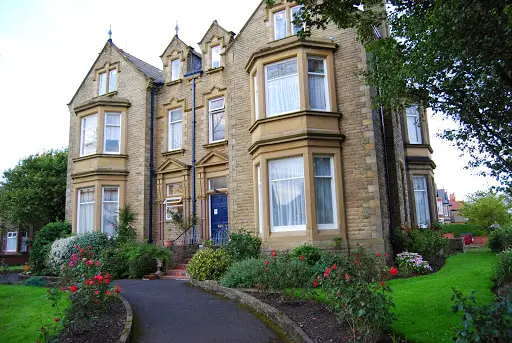
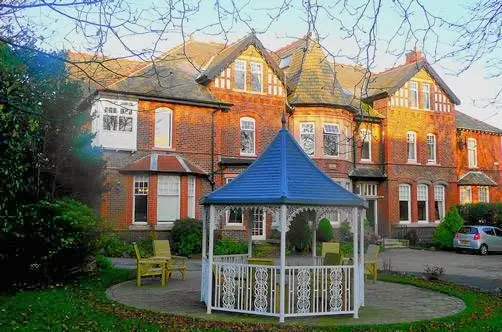
Ryecourt Nursing Home on Queens Promenade, Blackpool, was rated Outstanding overall at its last inspection in May 2018, one of the highest ratings a care home can receive. Four of the five inspection domains, Effective, Caring, Responsive, and Well-led, were rated Outstanding, with Safe rated Good. This puts Ryecourt in the top tier of care homes nationally. The inspection confirmed strong, accountable leadership from a named registered manager, and the pattern of Outstanding ratings across caring and responsive domains indicates inspectors found real, specific evidence of dignified, person-centred care rather than paper compliance. The main uncertainty is time: this inspection took place in May 2018, more than six years before this report was produced, and the home was reviewed in July 2023 without a full re-inspection at that point. A lot can change in a care home over six years, including management, staffing, and culture. Before making a decision, ask the current manager how long they have been in post, whether the same registered manager is still in role, and request the most recent infection control and governance audit. Ask specifically how many permanent staff work nights, and whether the home uses agency cover regularly. Visit in person and watch how staff interact with residents in corridors and communal areas, not just in formal meetings.
The three questions to ask when you visitSave this home. Compare it against your shortlist.
Let our analysis show you how Ryecourt Nursing Home measures up against the other homes you’re considering. Free account.
In Their Own Words
How Ryecourt Nursing Home describes itself — collected from its own website. DCC has not edited or independently verified the content in this tab.
Where caring staff understand complex needs in Blackpool
Ryecourt Nursing Home – Your Trusted nursing home
When someone you love needs specialised care, finding the right place feels overwhelming. Ryecourt Nursing Home in Blackpool brings together experienced staff who work with adults of all ages, including those living with dementia, learning disabilities, and physical disabilities. The team here focuses on understanding each person's unique needs.
Who they care for
The home cares for adults both under and over 65, with particular expertise in dementia, learning disabilities, and physical disabilities.
The team has experience with complex dementia cases, working closely with residents who need specialised approaches. Staff show patience and understanding when supporting people through the challenges dementia brings.
“Getting to know Ryecourt properly means seeing how the team works with your loved one.”
DCC does not edit or curate content in this tab. For independently curated information, see The Evidence and DCC Verdict.
The DCC Verdict
Our editorial view, built from the three lenses: what families tell us, what inspectors record, and how the home sits against good dementia-care practice.
DCC Family Score
Ryecourt Nursing Home received an Outstanding overall rating at its last inspection, with four of five domains rated Outstanding. The score reflects strong evidence of exceptional caring, effective practice, and leadership, tempered by the fact that the inspection took place in May 2018 and some specific detail is limited in the published summary.
Homes in North West typically score 68–82.The three-lens summary
What families tell us
Families describe the staff as genuinely caring and helpful. There's a sense that the team really gets to know residents and works hard to support them through difficult times.
What inspectors have recorded
The care team shows real dedication, particularly when supporting residents with complex dementia. Staff take time to understand individual needs and provide attentive, personalised support.
How it sits against good practice
Getting to know Ryecourt properly means seeing how the team works with your loved one.
Worth a visit
Ryecourt Nursing Home on Queens Promenade, Blackpool, was rated Outstanding overall at its last inspection in May 2018, one of the highest ratings a care home can receive. Four of the five inspection domains, Effective, Caring, Responsive, and Well-led, were rated Outstanding, with Safe rated Good. This puts Ryecourt in the top tier of care homes nationally. The inspection confirmed strong, accountable leadership from a named registered manager, and the pattern of Outstanding ratings across caring and responsive domains indicates inspectors found real, specific evidence of dignified, person-centred care rather than paper compliance. The main uncertainty is time: this inspection took place in May 2018, more than six years before this report was produced, and the home was reviewed in July 2023 without a full re-inspection at that point. A lot can change in a care home over six years, including management, staffing, and culture. Before making a decision, ask the current manager how long they have been in post, whether the same registered manager is still in role, and request the most recent infection control and governance audit. Ask specifically how many permanent staff work nights, and whether the home uses agency cover regularly. Visit in person and watch how staff interact with residents in corridors and communal areas, not just in formal meetings.
The three questions to ask when you visitSave this home. Compare it against your shortlist.
Let our analysis show you how Ryecourt Nursing Home measures up against the other homes you’re considering. Free account.
In Their Own Words
How Ryecourt Nursing Home describes itself — collected from its own website. DCC has not edited or independently verified the content in this tab.
Where caring staff understand complex needs in Blackpool
Ryecourt Nursing Home – Your Trusted nursing home
When someone you love needs specialised care, finding the right place feels overwhelming. Ryecourt Nursing Home in Blackpool brings together experienced staff who work with adults of all ages, including those living with dementia, learning disabilities, and physical disabilities. The team here focuses on understanding each person's unique needs.
Who they care for
The home cares for adults both under and over 65, with particular expertise in dementia, learning disabilities, and physical disabilities.
The team has experience with complex dementia cases, working closely with residents who need specialised approaches. Staff show patience and understanding when supporting people through the challenges dementia brings.
Management & ethos
The care team shows real dedication, particularly when supporting residents with complex dementia. Staff take time to understand individual needs and provide attentive, personalised support.
“Getting to know Ryecourt properly means seeing how the team works with your loved one.”
DCC does not edit or curate content in this tab. For independently curated information, see The Evidence and DCC Verdict.