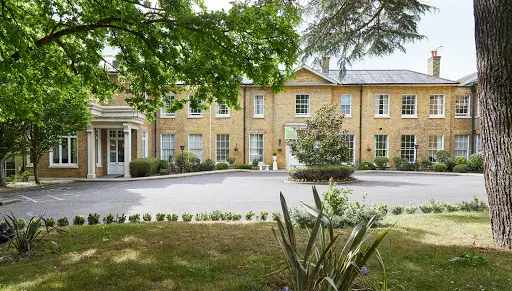
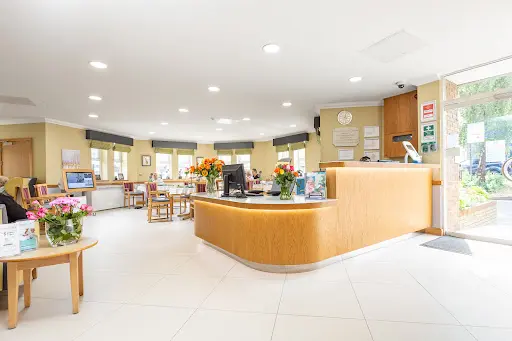
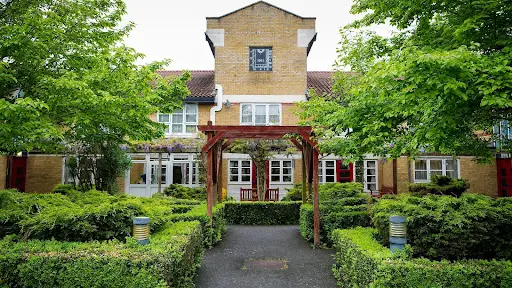
Rosedene Nursing Home
At a Glance
The information you need to decide whether this home warrants a closer look.
Nursing homes
Staff warmth score
of reviewers answered yes
Good to know
- Registered beds67
- SpecialismsCaring for adults over 65 yrs, Caring for adults under 65 yrs, Dementia, Learning disabilities, Mental health conditions
- Last inspected2023-12-23
Save Rosedene Nursing Home to your shortlist
Keep a running list, add visit notes, and compare homes side-by-side. Free account — it takes a minute.
STAGE 4 — RESEARCHING CARE HOMES
Visit homes. Compare them side by side. Choose with confidence.
Most of us will view care homes the way we view houses, impression, atmosphere, the feeling in the corridor. We go home, try to remember what we saw, and make a permanent decision from a blurred memory.

The DCC shortlist gives every home you visit a structured record: the same twelve questions, answered the same way, every time. When you’re ready to choose, pull any two homes side by side and compare them directly. Same criteria, same evidence, your notes and your scores.
The Evidence
What the review data, the inspection reports, and the dementia-care evidence base tell us about this home.
What families say
Families describe structured daily activities that help residents stay engaged, from regular outings to birthday celebrations. Staff are noted for encouraging participation while respecting when someone prefers not to join in. During restricted visiting periods, the team kept families connected through phone updates and video calls.
The eight family priority themes
- Staff warmth65
- Compassion & dignity65
- Cleanliness60
- Activities & engagement55
- Food quality55
- Healthcare60
- Management & leadership45
- Resident happiness60
What inspectors found
Inspected 2023-12-23
Is this home safe?
Is the care effective?
The Effective domain was rated Good at the September 2025 inspection. This covers training, care planning, healthcare access, and nutrition. A Good rating here suggests inspectors were satisfied that staff have the skills to meet residents' needs and that care is planned around the individual. The home supports a wide range of conditions including dementia and mental health needs, so an Effective rating is encouraging. However, the published report does not include specific detail about care plan quality, dementia training content, GP access arrangements, or how food and nutrition are managed.Is this home caring?
The Caring domain was rated Good at the September 2025 inspection. This domain assesses whether staff treat people with kindness, respect their dignity, and support their independence. A Good rating here is one of the most meaningful findings for families because it reflects inspector observations of real interactions. However, the published report text does not include specific quotes from residents or relatives, nor direct descriptions of what inspectors observed. The home supports people with dementia and mental health conditions, where caring interactions require particular skill and patience.Is the home responsive?
The Responsive domain was rated Good at the September 2025 inspection. This covers how well the home tailors care to individual needs, including activities, engagement, and end-of-life planning. A Good rating here suggests inspectors were satisfied that the home responds to residents as individuals rather than applying a one-size approach. The home's specialism list includes dementia, learning disabilities, and mental health conditions, all of which require responsive, personalised approaches. Specific detail about the activity programme, end-of-life planning, or how the home handles complaints is not available in the published report text.Is the home well-led?
The Well-led domain was rated Requires Improvement at the September 2025 inspection. This is a significant finding alongside the Requires Improvement in Safe. Well-led covers management visibility, governance, how the home learns from incidents, and whether staff feel supported to raise concerns. A registered manager, Ms Veronica Evonnies Edwards, is named and in post, which is a positive baseline. However, a Requires Improvement here suggests inspectors found gaps in oversight, accountability, or the systems that keep care consistently good. The published report does not detail the specific findings.
Source: CQC inspection report →
What the evidence base says
The home provides nursing care for adults under and over 65, with particular experience supporting people with dementia, learning disabilities and mental health conditions. For residents living with dementia, the team has shown patience when supporting those experiencing distress or displaying challenging behaviours. Staff work to build trust and help residents feel secure. All areas worth probing directly during a visit.
The DCC Verdict
Our editorial view, built from the three lenses: what families tell us, what inspectors record, and how the home sits against good dementia-care practice.
DCC Family Score
Rosedene Nursing Home scores in the moderate range, reflecting genuine improvement from a previous Requires Improvement rating to Good in three domains, but tempered by ongoing Requires Improvement findings in both Safe and Well-led. There is encouraging progress here, but important gaps remain that families should probe directly before making a decision.
Homes in London typically score 68–82.The three-lens summary
What families tell us
Families describe structured daily activities that help residents stay engaged, from regular outings to birthday celebrations. Staff are noted for encouraging participation while respecting when someone prefers not to join in. During restricted visiting periods, the team kept families connected through phone updates and video calls.
What inspectors have recorded
How it sits against good practice
If you're considering Rosedene, visiting at different times of day can help you get a fuller picture of daily life there.
Worth a visit
Rosedene Nursing Home, at 141-147 Trinity Road in Tooting, was assessed in September 2025 with the report published in January 2026. The home improved from its previous Requires Improvement rating, achieving Good in three domains: Effective, Caring, and Responsive. That is a meaningful step forward and suggests the registered manager and staff team have addressed some earlier concerns. A registered manager is named and in post, which matters for day-to-day continuity. However, two domains, Safe and Well-led, remain rated Requires Improvement at the most recent inspection. This combination is the one families need to take most seriously. Safety concerns and leadership weaknesses together can undermine even genuinely kind care. The published report text does not include specific inspector observations, quotes, or detail about what went wrong in those domains, so the picture here is incomplete. Before visiting, ask the manager directly what the Requires Improvement findings were, what has changed since September 2025, and whether a follow-up inspection has been scheduled. On the visit itself, pay close attention to night staffing numbers, how incidents are recorded, and whether staff can tell you your parent's preferred name and daily routine without checking a file.
The three questions to ask when you visitSave this home. Compare it against your shortlist.
Let our analysis show you how Rosedene Nursing Home measures up against the other homes you’re considering. Free account.
In Their Own Words
How Rosedene Nursing Home describes itself — collected from its own website. DCC has not edited or independently verified the content in this tab.
Long-established nursing home where many residents stay for years
Rosedene Nursing Home – Expert Care in London
Rosedene Nursing Home in London has been caring for residents with complex needs for many years. The home supports adults of all ages, including those living with dementia, learning disabilities and mental health conditions. Several families have seen their loved ones remain settled here for extended periods, with the same staff members getting to know residents well over time.
Who they care for
The home provides nursing care for adults under and over 65, with particular experience supporting people with dementia, learning disabilities and mental health conditions.
For residents living with dementia, the team has shown patience when supporting those experiencing distress or displaying challenging behaviours. Staff work to build trust and help residents feel secure.
“If you're considering Rosedene, visiting at different times of day can help you get a fuller picture of daily life there.”
DCC does not edit or curate content in this tab. For independently curated information, see The Evidence and DCC Verdict.
The DCC Verdict
Our editorial view, built from the three lenses: what families tell us, what inspectors record, and how the home sits against good dementia-care practice.
DCC Family Score
Rosedene Nursing Home scores in the moderate range, reflecting genuine improvement from a previous Requires Improvement rating to Good in three domains, but tempered by ongoing Requires Improvement findings in both Safe and Well-led. There is encouraging progress here, but important gaps remain that families should probe directly before making a decision.
Homes in London typically score 68–82.The three-lens summary
What families tell us
Families describe structured daily activities that help residents stay engaged, from regular outings to birthday celebrations. Staff are noted for encouraging participation while respecting when someone prefers not to join in. During restricted visiting periods, the team kept families connected through phone updates and video calls.
What inspectors have recorded
How it sits against good practice
If you're considering Rosedene, visiting at different times of day can help you get a fuller picture of daily life there.
Worth a visit
Rosedene Nursing Home, at 141-147 Trinity Road in Tooting, was assessed in September 2025 with the report published in January 2026. The home improved from its previous Requires Improvement rating, achieving Good in three domains: Effective, Caring, and Responsive. That is a meaningful step forward and suggests the registered manager and staff team have addressed some earlier concerns. A registered manager is named and in post, which matters for day-to-day continuity. However, two domains, Safe and Well-led, remain rated Requires Improvement at the most recent inspection. This combination is the one families need to take most seriously. Safety concerns and leadership weaknesses together can undermine even genuinely kind care. The published report text does not include specific inspector observations, quotes, or detail about what went wrong in those domains, so the picture here is incomplete. Before visiting, ask the manager directly what the Requires Improvement findings were, what has changed since September 2025, and whether a follow-up inspection has been scheduled. On the visit itself, pay close attention to night staffing numbers, how incidents are recorded, and whether staff can tell you your parent's preferred name and daily routine without checking a file.
The three questions to ask when you visitSave this home. Compare it against your shortlist.
Let our analysis show you how Rosedene Nursing Home measures up against the other homes you’re considering. Free account.
In Their Own Words
How Rosedene Nursing Home describes itself — collected from its own website. DCC has not edited or independently verified the content in this tab.
Long-established nursing home where many residents stay for years
Rosedene Nursing Home – Expert Care in London
Rosedene Nursing Home in London has been caring for residents with complex needs for many years. The home supports adults of all ages, including those living with dementia, learning disabilities and mental health conditions. Several families have seen their loved ones remain settled here for extended periods, with the same staff members getting to know residents well over time.
Who they care for
The home provides nursing care for adults under and over 65, with particular experience supporting people with dementia, learning disabilities and mental health conditions.
For residents living with dementia, the team has shown patience when supporting those experiencing distress or displaying challenging behaviours. Staff work to build trust and help residents feel secure.
“If you're considering Rosedene, visiting at different times of day can help you get a fuller picture of daily life there.”
DCC does not edit or curate content in this tab. For independently curated information, see The Evidence and DCC Verdict.