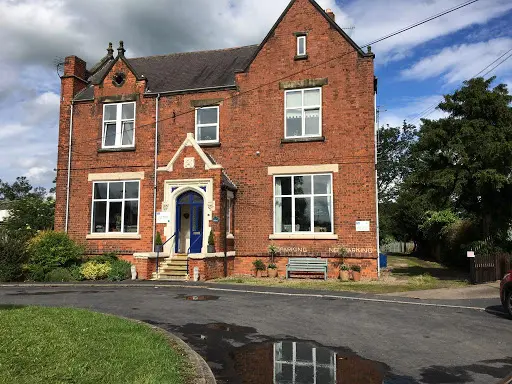
Oak Tree House Care Home
At a Glance
The information you need to decide whether this home warrants a closer look.
Residential homes
Staff warmth score
of reviewers answered yes
Good to know
- Registered beds20
- SpecialismsCaring for adults over 65 yrs, Caring for adults under 65 yrs, Dementia
- Last inspected2022-04-21
Save Oak Tree House Care Home to your shortlist
Keep a running list, add visit notes, and compare homes side-by-side. Free account — it takes a minute.
STAGE 4 — RESEARCHING CARE HOMES
Visit homes. Compare them side by side. Choose with confidence.
Most of us will view care homes the way we view houses, impression, atmosphere, the feeling in the corridor. We go home, try to remember what we saw, and make a permanent decision from a blurred memory.

The DCC shortlist gives every home you visit a structured record: the same twelve questions, answered the same way, every time. When you’re ready to choose, pull any two homes side by side and compare them directly. Same criteria, same evidence, your notes and your scores.
The Evidence
What the review data, the inspection reports, and the dementia-care evidence base tell us about this home.
What families say
Families often mention how content the staff seem here — patient with residents who prefer different daily rhythms, whether that's sleeping late or staying up into the evening. The atmosphere feels relaxed rather than institutional, with staff taking time to know each person's preferences.
The eight family priority themes
- Staff warmth72
- Compassion & dignity72
- Cleanliness70
- Activities & engagement60
- Food quality60
- Healthcare65
- Management & leadership75
- Resident happiness68
What inspectors found
Inspected 2022-04-21
Is this home safe?
Is the care effective?
The Effective domain was rated Good at the April 2022 inspection. Dementia is listed as a specialism, which implies some level of dementia-specific training and care planning is in place. The published summary contains no specific information about care plan content, GP access arrangements, medication management, or the depth of dementia training staff have received. The improvement from the previous rating suggests earlier gaps in this area have been addressed.Is this home caring?
The Caring domain was rated Good at the April 2022 inspection. This domain covers staff warmth, dignity, respect, and whether people are treated as individuals. The published summary does not include inspector observations of staff interactions, quotes from residents or relatives, or specific examples of dignified practice. A Good rating indicates inspectors were satisfied with what they observed, but the detail behind that judgement is not available in the published text.Is the home responsive?
The Responsive domain was rated Good at the April 2022 inspection. This domain covers how well the home adapts to individual needs, the quality of the activities programme, and end-of-life planning. The published summary contains no specific information about the type or frequency of activities on offer, whether one-to-one engagement is available for people with advanced dementia, or how end-of-life wishes are recorded and respected. A Good rating indicates inspectors were satisfied overall.Is the home well-led?
The Well-led domain was rated Good at the April 2022 inspection, improving from a previous Requires Improvement rating. The home is operated by Bethel Healthcare (Hull) Limited, with Mrs Lyndsey Marie Wood as registered manager and Ms Rowena Santos Viernes as nominated individual. Having named, registered leadership in place is a positive indicator. The published summary does not describe the manager's visibility on the floor, staff culture, how the home handles complaints, or what governance systems are used to monitor quality.
Source: CQC inspection report →
What the evidence base says
Oak Tree House cares for adults both under and over 65, with particular experience in dementia care. The team understands that dementia affects everyone differently, adapting their approach to each resident's needs and preferences. Staff work with natural rhythms rather than forcing rigid schedules. All areas worth probing directly during a visit.
The DCC Verdict
Our editorial view, built from the three lenses: what families tell us, what inspectors record, and how the home sits against good dementia-care practice.
DCC Family Score
Oak Tree House scores 72 out of 100, reflecting a genuine improvement from a previous Requires Improvement rating to Good across all five inspection domains. The score is held back by limited specific detail in the published report, meaning several important areas cannot be independently verified and will need to be explored directly with the home.
Homes in Yorkshire & Humberside typically score 68–82.The three-lens summary
What families tell us
Families often mention how content the staff seem here — patient with residents who prefer different daily rhythms, whether that's sleeping late or staying up into the evening. The atmosphere feels relaxed rather than institutional, with staff taking time to know each person's preferences.
What inspectors have recorded
Staff here show genuine patience and understanding, especially with residents who need flexible routines. When families have faced difficult times, including end-of-life care, they've found the team provides consistent emotional support alongside practical care.
How it sits against good practice
If you're looking for somewhere smaller and more personal than the big chains, Oak Tree House offers that quieter, steadier approach.
Worth a visit
Oak Tree House Residential Care Home in Hull was rated Good at its inspection in April 2022, with Good ratings in all five domains: safe, effective, caring, responsive, and well-led. This is a meaningful improvement from a previous Requires Improvement rating and suggests the management team has addressed earlier concerns. The home is registered for 20 beds and lists dementia, adults over 65, and adults under 65 among its specialisms. The main limitation for families is that the published inspection summary is brief and contains very little specific detail about what inspectors actually observed. Scores for warmth, activities, food, and clinical care are based on the domain ratings rather than on named examples or direct testimony. This is not a concern about quality, but it does mean you will need to find out more for yourself. When you visit, ask to see last month's actual staffing rotas (not the template), spend time in a communal area before and after lunch to observe pace and interaction, and ask the manager directly about night staffing numbers and how the team has changed since the previous inspection.
The three questions to ask when you visitSave this home. Compare it against your shortlist.
Let our analysis show you how Oak Tree House Care Home measures up against the other homes you’re considering. Free account.
In Their Own Words
How Oak Tree House Care Home describes itself — collected from its own website. DCC has not edited or independently verified the content in this tab.
Where fresh cooking meets flexible care in Hull
Compassionate Care in Hull at Oak Tree House Residential Care Home
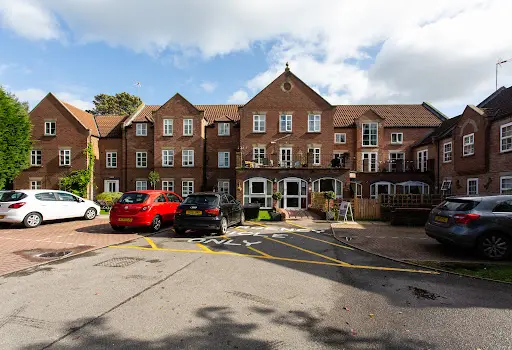
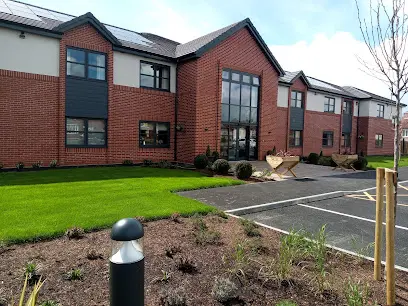
Finding somewhere that treats residents as individuals can feel impossible, but Oak Tree House in Hull takes a refreshingly personal approach. The home has recently been refurbished under new ownership, creating a welcoming space where people can maintain their own routines. Located in Yorkshire & Humberside, this residential care home offers a calmer alternative to larger corporate settings.
Who they care for
Oak Tree House cares for adults both under and over 65, with particular experience in dementia care.
The team understands that dementia affects everyone differently, adapting their approach to each resident's needs and preferences. Staff work with natural rhythms rather than forcing rigid schedules.
“If you're looking for somewhere smaller and more personal than the big chains, Oak Tree House offers that quieter, steadier approach.”
DCC does not edit or curate content in this tab. For independently curated information, see The Evidence and DCC Verdict.
The DCC Verdict
Our editorial view, built from the three lenses: what families tell us, what inspectors record, and how the home sits against good dementia-care practice.
DCC Family Score
Oak Tree House scores 72 out of 100, reflecting a genuine improvement from a previous Requires Improvement rating to Good across all five inspection domains. The score is held back by limited specific detail in the published report, meaning several important areas cannot be independently verified and will need to be explored directly with the home.
Homes in Yorkshire & Humberside typically score 68–82.The three-lens summary
What families tell us
Families often mention how content the staff seem here — patient with residents who prefer different daily rhythms, whether that's sleeping late or staying up into the evening. The atmosphere feels relaxed rather than institutional, with staff taking time to know each person's preferences.
What inspectors have recorded
Staff here show genuine patience and understanding, especially with residents who need flexible routines. When families have faced difficult times, including end-of-life care, they've found the team provides consistent emotional support alongside practical care.
How it sits against good practice
If you're looking for somewhere smaller and more personal than the big chains, Oak Tree House offers that quieter, steadier approach.
Worth a visit
Oak Tree House Residential Care Home in Hull was rated Good at its inspection in April 2022, with Good ratings in all five domains: safe, effective, caring, responsive, and well-led. This is a meaningful improvement from a previous Requires Improvement rating and suggests the management team has addressed earlier concerns. The home is registered for 20 beds and lists dementia, adults over 65, and adults under 65 among its specialisms. The main limitation for families is that the published inspection summary is brief and contains very little specific detail about what inspectors actually observed. Scores for warmth, activities, food, and clinical care are based on the domain ratings rather than on named examples or direct testimony. This is not a concern about quality, but it does mean you will need to find out more for yourself. When you visit, ask to see last month's actual staffing rotas (not the template), spend time in a communal area before and after lunch to observe pace and interaction, and ask the manager directly about night staffing numbers and how the team has changed since the previous inspection.
The three questions to ask when you visitSave this home. Compare it against your shortlist.
Let our analysis show you how Oak Tree House Care Home measures up against the other homes you’re considering. Free account.
In Their Own Words
How Oak Tree House Care Home describes itself — collected from its own website. DCC has not edited or independently verified the content in this tab.
Where fresh cooking meets flexible care in Hull
Compassionate Care in Hull at Oak Tree House Residential Care Home
Finding somewhere that treats residents as individuals can feel impossible, but Oak Tree House in Hull takes a refreshingly personal approach. The home has recently been refurbished under new ownership, creating a welcoming space where people can maintain their own routines. Located in Yorkshire & Humberside, this residential care home offers a calmer alternative to larger corporate settings.
Who they care for
Oak Tree House cares for adults both under and over 65, with particular experience in dementia care.
The team understands that dementia affects everyone differently, adapting their approach to each resident's needs and preferences. Staff work with natural rhythms rather than forcing rigid schedules.
Management & ethos
Staff here show genuine patience and understanding, especially with residents who need flexible routines. When families have faced difficult times, including end-of-life care, they've found the team provides consistent emotional support alongside practical care.
The home & environment
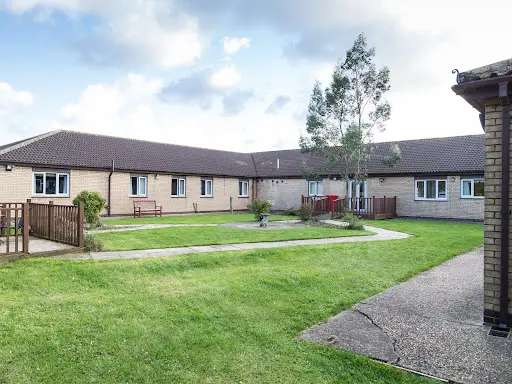
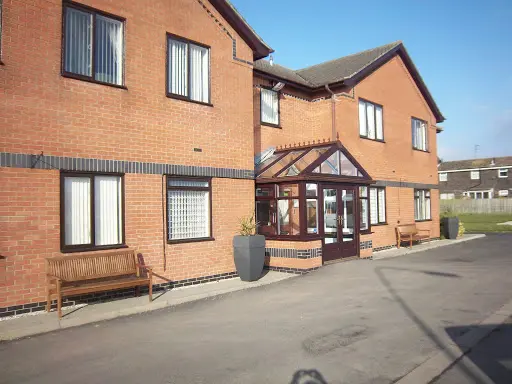
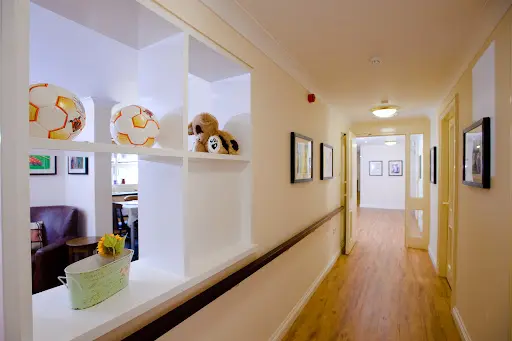
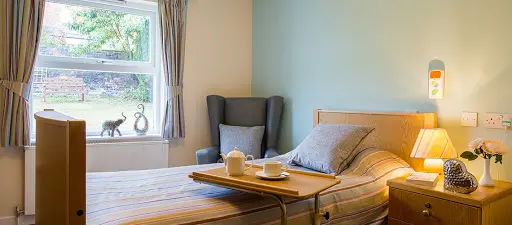
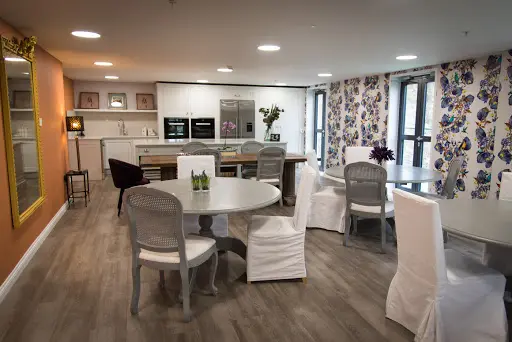
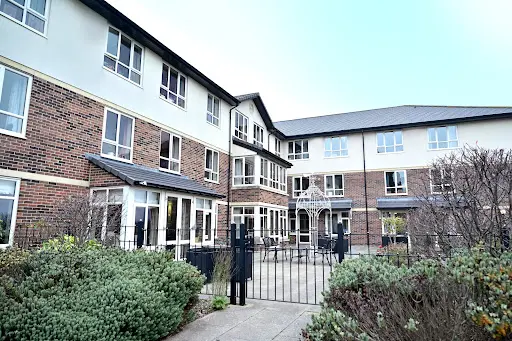
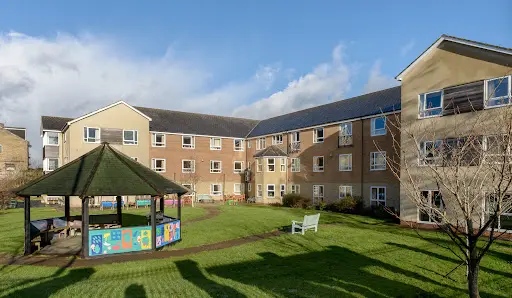
The kitchen is the heart of Oak Tree House, with an in-house chef preparing traditional meals from scratch every day. Families particularly appreciate this fresh approach compared to pre-prepared corporate catering. The home maintains high cleanliness standards throughout, with the recent refurbishment creating bright, comfortable spaces.
“If you're looking for somewhere smaller and more personal than the big chains, Oak Tree House offers that quieter, steadier approach.”
DCC does not edit or curate content in this tab. For independently curated information, see The Evidence and DCC Verdict.