Berkeley House Care Home – Bupa

At a Glance
The information you need to decide whether this home warrants a closer look.
Residential homes
Staff warmth score
of reviewers answered yes
Good to know
- Registered beds84
- SpecialismsCaring for adults over 65 yrs, Dementia
- Last inspected2022-09-01
Save Berkeley House Care Home – Bupa to your shortlist
Keep a running list, add visit notes, and compare homes side-by-side. Free account — it takes a minute.
STAGE 4 — RESEARCHING CARE HOMES
Visit homes. Compare them side by side. Choose with confidence.
Most of us will view care homes the way we view houses, impression, atmosphere, the feeling in the corridor. We go home, try to remember what we saw, and make a permanent decision from a blurred memory.

The DCC shortlist gives every home you visit a structured record: the same twelve questions, answered the same way, every time. When you’re ready to choose, pull any two homes side by side and compare them directly. Same criteria, same evidence, your notes and your scores.
The Evidence
What the review data, the inspection reports, and the dementia-care evidence base tell us about this home.
What families say
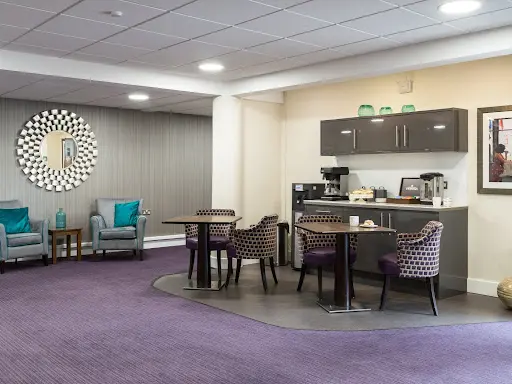
Families describe walking into spaces that feel genuinely cared for — clean, fresh, and welcoming. They talk about watching their relatives rediscover confidence, joining in with daily activities and actually chatting with other residents again.
The eight family priority themes
- Staff warmth55
- Compassion & dignity60
- Cleanliness58
- Activities & engagement52
- Food quality52
- Healthcare50
- Management & leadership65
- Resident happiness55
What inspectors found
Inspected 2022-09-01
Is this home safe?
Is the care effective?
The Effective domain was rated Good at the July 2022 inspection. This domain typically covers care planning, staff training, healthcare access, nutritional support, and how well the home understands and meets individual needs. The published inspection summary does not record specific observations, staff testimony, or examples of good practice in this area. The Good rating indicates inspectors were broadly satisfied, but the absence of detail means the published record does not tell us much beyond that.Is this home caring?
The Caring domain was rated Good at the July 2022 inspection. This domain covers how staff treat residents, whether dignity and privacy are respected, whether people are supported to maintain independence, and whether staff are genuinely kind rather than task-focused. The published summary records no specific inspector observations, no quotes from residents or relatives, and no examples of caring interactions. The rating is positive, but the evidence base behind it is not visible in the published text.Is the home responsive?
The Responsive domain was rated Good at the July 2022 inspection. This domain covers whether the home tailors its care to individuals, whether activities are meaningful and varied, whether residents can pursue the things that matter to them, and whether end-of-life wishes are recorded and respected. As with the other domains, the published inspection summary provides the rating but no specific examples, observations, or resident testimony to illustrate what Good looks like in practice at Berkeley House.Is the home well-led?
The Well-Led domain was rated Good at the July 2022 inspection, and a monitoring review in July 2023 found no evidence requiring a change to that rating. Berkeley House is operated by Bupa Care Homes (HH Hull) Limited, with a nominated individual named in the registration. The home improved from Requires Improvement to Good overall between inspections, which suggests the leadership team responded to earlier concerns. The published summary provides no specific detail about how the manager operates day to day, how staff are supported, or how the home handles complaints and feedback.
Source: CQC inspection report →
What the evidence base says
The home provides residential care for people over 65, with particular expertise in dementia support. Staff show real understanding of how to support someone through dementia's daily challenges. They know how to provide reassurance when confusion strikes, adapting their approach to each resident's individual needs. All areas worth probing directly during a visit.
The DCC Verdict
Our editorial view, built from the three lenses: what families tell us, what inspectors record, and how the home sits against good dementia-care practice.
DCC Family Score
Berkeley House scores 68 out of 100. The overall Good rating and improvement from Requires Improvement are encouraging signs, but the Safety domain still requires improvement, and the inspection report contains very little specific detail across most areas, which limits how confident we can be.
Homes in Yorkshire & Humberside typically score 68–82.The three-lens summary
What families tell us
Families describe walking into spaces that feel genuinely cared for — clean, fresh, and welcoming. They talk about watching their relatives rediscover confidence, joining in with daily activities and actually chatting with other residents again.
What inspectors have recorded
Staff here work with the kind of efficiency that comes from really knowing what they're doing. They're described as hardworking and organised, staying on top of residents' needs even when the care sector's staffing challenges affect everyone. Families talk about feeling their relatives are in capable hands.
How it sits against good practice
After experiences elsewhere that left them worried, families here talk about finally feeling that knot of anxiety start to ease.
Worth a visit
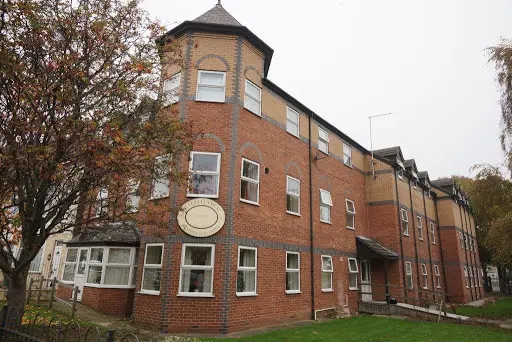
Berkeley House, on the outskirts of Hull, was rated Good overall at its last inspection in July 2022, an improvement on a previous rating of Requires Improvement. The home is run by Bupa Care Homes, has 84 beds, and specialises in dementia and older adult care. Inspectors were satisfied with how the home is led, how care is delivered, and how staff treat the people who live there. That trajectory from a lower rating to Good is a positive sign and suggests the management team responded to earlier concerns. The important caveat is that the Safety domain was still rated Requires Improvement at the same inspection, and the published inspection summary contains very little specific detail about what inspectors actually saw or heard. That makes it genuinely difficult to form a confident picture of day-to-day life for your parent. On your visit, ask the manager to explain what the Safety concerns were and what has changed since. Also ask to see the current night staffing rota, and find out how much of the rota is covered by permanent staff rather than agency workers.
The three questions to ask when you visitSave this home. Compare it against your shortlist.
Let our analysis show you how Berkeley House Care Home – Bupa measures up against the other homes you’re considering. Free account.
In Their Own Words
How Berkeley House Care Home – Bupa describes itself — collected from its own website. DCC has not edited or independently verified the content in this tab.
Where confused moments meet patient understanding in Hull
Berkeley House – Expert Care in Hull
When dementia changes everything familiar, finding somewhere that truly understands can feel impossible. Berkeley House in Hull has become that place for families who'd started to lose hope. Here, when confusion strikes or distress takes hold, staff respond with the kind of patience that makes all the difference.
Who they care for
The home provides residential care for people over 65, with particular expertise in dementia support.
Staff show real understanding of how to support someone through dementia's daily challenges. They know how to provide reassurance when confusion strikes, adapting their approach to each resident's individual needs.
“After experiences elsewhere that left them worried, families here talk about finally feeling that knot of anxiety start to ease.”
DCC does not edit or curate content in this tab. For independently curated information, see The Evidence and DCC Verdict.
The DCC Verdict
Our editorial view, built from the three lenses: what families tell us, what inspectors record, and how the home sits against good dementia-care practice.
DCC Family Score
Berkeley House scores 68 out of 100. The overall Good rating and improvement from Requires Improvement are encouraging signs, but the Safety domain still requires improvement, and the inspection report contains very little specific detail across most areas, which limits how confident we can be.
Homes in Yorkshire & Humberside typically score 68–82.The three-lens summary
What families tell us
Families describe walking into spaces that feel genuinely cared for — clean, fresh, and welcoming. They talk about watching their relatives rediscover confidence, joining in with daily activities and actually chatting with other residents again.
What inspectors have recorded
Staff here work with the kind of efficiency that comes from really knowing what they're doing. They're described as hardworking and organised, staying on top of residents' needs even when the care sector's staffing challenges affect everyone. Families talk about feeling their relatives are in capable hands.
How it sits against good practice
After experiences elsewhere that left them worried, families here talk about finally feeling that knot of anxiety start to ease.
Worth a visit
Berkeley House, on the outskirts of Hull, was rated Good overall at its last inspection in July 2022, an improvement on a previous rating of Requires Improvement. The home is run by Bupa Care Homes, has 84 beds, and specialises in dementia and older adult care. Inspectors were satisfied with how the home is led, how care is delivered, and how staff treat the people who live there. That trajectory from a lower rating to Good is a positive sign and suggests the management team responded to earlier concerns. The important caveat is that the Safety domain was still rated Requires Improvement at the same inspection, and the published inspection summary contains very little specific detail about what inspectors actually saw or heard. That makes it genuinely difficult to form a confident picture of day-to-day life for your parent. On your visit, ask the manager to explain what the Safety concerns were and what has changed since. Also ask to see the current night staffing rota, and find out how much of the rota is covered by permanent staff rather than agency workers.
The three questions to ask when you visitSave this home. Compare it against your shortlist.
Let our analysis show you how Berkeley House Care Home – Bupa measures up against the other homes you’re considering. Free account.
In Their Own Words
How Berkeley House Care Home – Bupa describes itself — collected from its own website. DCC has not edited or independently verified the content in this tab.
Where confused moments meet patient understanding in Hull
Berkeley House – Expert Care in Hull
When dementia changes everything familiar, finding somewhere that truly understands can feel impossible. Berkeley House in Hull has become that place for families who'd started to lose hope. Here, when confusion strikes or distress takes hold, staff respond with the kind of patience that makes all the difference.
Who they care for
The home provides residential care for people over 65, with particular expertise in dementia support.
Staff show real understanding of how to support someone through dementia's daily challenges. They know how to provide reassurance when confusion strikes, adapting their approach to each resident's individual needs.
Management & ethos
Staff here work with the kind of efficiency that comes from really knowing what they're doing. They're described as hardworking and organised, staying on top of residents' needs even when the care sector's staffing challenges affect everyone. Families talk about feeling their relatives are in capable hands.
The home & environment
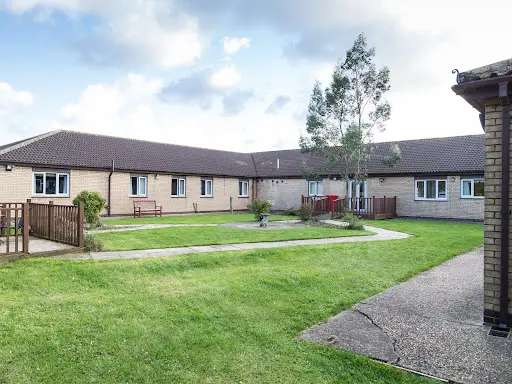
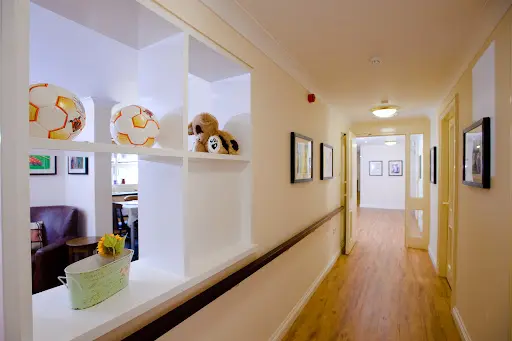
The physical environment here gets noticed by visitors — rooms are kept spotless, and there's a real attention to creating pleasant, well-maintained spaces throughout. Daily activities give structure to residents' days, with opportunities to socialise and stay engaged.
“After experiences elsewhere that left them worried, families here talk about finally feeling that knot of anxiety start to ease.”
DCC does not edit or curate content in this tab. For independently curated information, see The Evidence and DCC Verdict.