Priory Grange Care Home
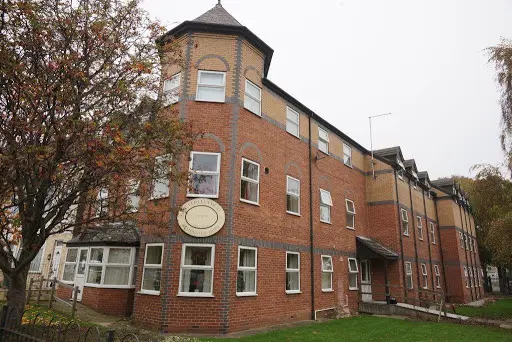
At a Glance
The information you need to decide whether this home warrants a closer look.
Residential homes
Staff warmth score
of reviewers answered yes
Good to know
- Registered beds41
- SpecialismsCaring for adults over 65 yrs, Dementia
- Last inspected2023-04-28
Save Priory Grange Care Home to your shortlist
Keep a running list, add visit notes, and compare homes side-by-side. Free account — it takes a minute.
STAGE 4 — RESEARCHING CARE HOMES
Visit homes. Compare them side by side. Choose with confidence.
Most of us will view care homes the way we view houses, impression, atmosphere, the feeling in the corridor. We go home, try to remember what we saw, and make a permanent decision from a blurred memory.

The DCC shortlist gives every home you visit a structured record: the same twelve questions, answered the same way, every time. When you’re ready to choose, pull any two homes side by side and compare them directly. Same criteria, same evidence, your notes and your scores.
The Evidence
What the review data, the inspection reports, and the dementia-care evidence base tell us about this home.
What families say
Many families speak warmly about how staff interact with residents, describing them as caring and responsive. The home runs various activities that residents can join, and several people mention that their relatives settled in well after the initial adjustment period.
The eight family priority themes
- Staff warmth72
- Compassion & dignity72
- Cleanliness70
- Activities & engagement62
- Food quality60
- Healthcare65
- Management & leadership75
- Resident happiness68
What inspectors found
Inspected 2023-04-28
Is this home safe?
Is the care effective?
The Effective domain was rated Good. This covers training, care planning, healthcare access, nutrition, and how well the home acts on assessment information. The home specialises in dementia care, so inspectors would have considered whether staff have the skills and knowledge to support people at different stages of dementia. No specific detail about training content, care plan quality, GP visiting arrangements, or food provision is reproduced in the published summary.Is this home caring?
The Caring domain was rated Good. This is the domain most closely aligned with what families tell us they care about most: warmth, dignity, respect, and unhurried interactions. Inspectors judge this domain by observation, by speaking with residents, and by reviewing how the home protects privacy and supports independence. The home's improvement from Requires Improvement to Good suggests that any previous concerns in this area have been addressed. No direct inspector observations or resident or relative quotes are reproduced in the published summary.Is the home responsive?
The Responsive domain was rated Good. This covers activities, individual engagement, response to complaints, and end-of-life care. For a dementia-specialist home, responsiveness includes whether the home adapts its routines and environment to each person's needs and history, rather than offering a one-size-fits-all programme. No specific activities, individual engagement examples, or complaint-handling details are reproduced in the published summary.Is the home well-led?
The Well-led domain was rated Good, and the home has a named registered manager and a nominated individual recorded at the time of inspection. The improvement from a previous Requires Improvement rating across all five domains is the clearest evidence of effective leadership, as sustained improvement requires a manager who identifies problems, acts on them, and maintains change over time. No specific detail about management style, staff culture, governance processes, or family communication is reproduced in the published summary.
Source: CQC inspection report →
What the evidence base says
The home provides care for people with dementia and adults over 65. While the home accepts residents with dementia and some families report positive experiences, one detailed account described inadequate support leading to rapid decline. This highlights the importance of asking specific questions about dementia care approaches during your visit. All areas worth probing directly during a visit.
The DCC Verdict
Our editorial view, built from the three lenses: what families tell us, what inspectors record, and how the home sits against good dementia-care practice.
DCC Family Score
Priory Grange Care Home scored 72 out of 100, reflecting a solid Good rating across all five inspection domains and a meaningful improvement from its previous Requires Improvement rating. The score is held back by limited specific detail in the published inspection text, meaning several areas cannot be independently verified from the report alone.
Homes in Yorkshire & Humberside typically score 68–82.The three-lens summary
What families tell us
Many families speak warmly about how staff interact with residents, describing them as caring and responsive. The home runs various activities that residents can join, and several people mention that their relatives settled in well after the initial adjustment period.
What inspectors have recorded
Staff are often praised for their attentiveness and presence throughout the home. However, one family's experience raised serious concerns about isolation and care standards, particularly for someone with dementia, which resulted in health complications.
How it sits against good practice
With such varying experiences reported, taking time to visit and asking detailed questions about care practices will help you make the best decision for your family.
Worth a visit
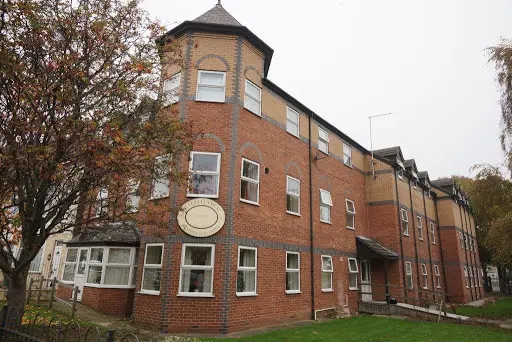
Priory Grange Care Home Limited, on Hessle Road in Hull, was rated Good across all five inspection domains at its April 2023 inspection. This is a meaningful result because the home had previously been rated Requires Improvement, meaning inspectors found sustained, real improvement across safety, staffing, care quality, activities, and leadership. The home supports 41 residents, specialising in dementia care and general residential care for adults over 65, and is run by a named registered manager. The main limitation for families is that only a brief published summary is available, rather than a full detailed narrative. This means the Good ratings are confirmed but the specific evidence behind them, such as staffing ratios, activity descriptions, food quality, and family communication arrangements, cannot be independently verified from the text alone. On a visit, ask to see last week's actual staffing rota, ask how many staff are on the dementia unit after 8pm, and spend time in a communal area to observe how staff interact with your parent's potential neighbours.
The three questions to ask when you visitSave this home. Compare it against your shortlist.
Let our analysis show you how Priory Grange Care Home measures up against the other homes you’re considering. Free account.
In Their Own Words
How Priory Grange Care Home describes itself — collected from its own website. DCC has not edited or independently verified the content in this tab.
Finding the right balance between care and comfort in Hull
Priory Grange Care Home Limited – Your Trusted residential home
Choosing dementia care involves weighing many factors, and Priory Grange Care Home in Hull presents a mixed picture. The home cares for adults over 65, with several families praising the caring nature of staff and the effort put into activities. However, some concerns have been raised about care standards that families should explore further.
Who they care for
The home provides care for people with dementia and adults over 65.
While the home accepts residents with dementia and some families report positive experiences, one detailed account described inadequate support leading to rapid decline. This highlights the importance of asking specific questions about dementia care approaches during your visit.
“With such varying experiences reported, taking time to visit and asking detailed questions about care practices will help you make the best decision for your family.”
DCC does not edit or curate content in this tab. For independently curated information, see The Evidence and DCC Verdict.
The DCC Verdict
Our editorial view, built from the three lenses: what families tell us, what inspectors record, and how the home sits against good dementia-care practice.
DCC Family Score
Priory Grange Care Home scored 72 out of 100, reflecting a solid Good rating across all five inspection domains and a meaningful improvement from its previous Requires Improvement rating. The score is held back by limited specific detail in the published inspection text, meaning several areas cannot be independently verified from the report alone.
Homes in Yorkshire & Humberside typically score 68–82.The three-lens summary
What families tell us
Many families speak warmly about how staff interact with residents, describing them as caring and responsive. The home runs various activities that residents can join, and several people mention that their relatives settled in well after the initial adjustment period.
What inspectors have recorded
Staff are often praised for their attentiveness and presence throughout the home. However, one family's experience raised serious concerns about isolation and care standards, particularly for someone with dementia, which resulted in health complications.
How it sits against good practice
With such varying experiences reported, taking time to visit and asking detailed questions about care practices will help you make the best decision for your family.
Worth a visit
Priory Grange Care Home Limited, on Hessle Road in Hull, was rated Good across all five inspection domains at its April 2023 inspection. This is a meaningful result because the home had previously been rated Requires Improvement, meaning inspectors found sustained, real improvement across safety, staffing, care quality, activities, and leadership. The home supports 41 residents, specialising in dementia care and general residential care for adults over 65, and is run by a named registered manager. The main limitation for families is that only a brief published summary is available, rather than a full detailed narrative. This means the Good ratings are confirmed but the specific evidence behind them, such as staffing ratios, activity descriptions, food quality, and family communication arrangements, cannot be independently verified from the text alone. On a visit, ask to see last week's actual staffing rota, ask how many staff are on the dementia unit after 8pm, and spend time in a communal area to observe how staff interact with your parent's potential neighbours.
The three questions to ask when you visitSave this home. Compare it against your shortlist.
Let our analysis show you how Priory Grange Care Home measures up against the other homes you’re considering. Free account.
In Their Own Words
How Priory Grange Care Home describes itself — collected from its own website. DCC has not edited or independently verified the content in this tab.
Finding the right balance between care and comfort in Hull
Priory Grange Care Home Limited – Your Trusted residential home
Choosing dementia care involves weighing many factors, and Priory Grange Care Home in Hull presents a mixed picture. The home cares for adults over 65, with several families praising the caring nature of staff and the effort put into activities. However, some concerns have been raised about care standards that families should explore further.
Who they care for
The home provides care for people with dementia and adults over 65.
While the home accepts residents with dementia and some families report positive experiences, one detailed account described inadequate support leading to rapid decline. This highlights the importance of asking specific questions about dementia care approaches during your visit.
Management & ethos
Staff are often praised for their attentiveness and presence throughout the home. However, one family's experience raised serious concerns about isolation and care standards, particularly for someone with dementia, which resulted in health complications.
The home & environment
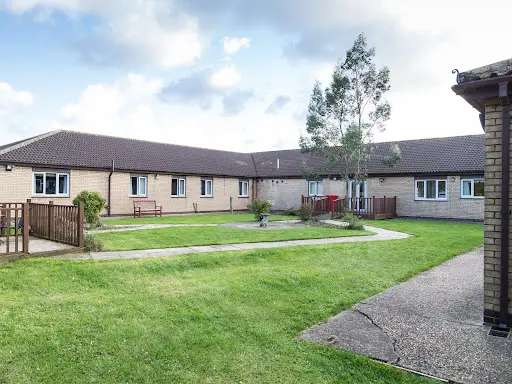
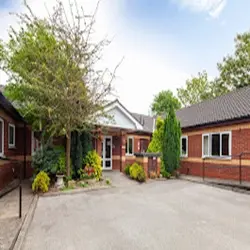
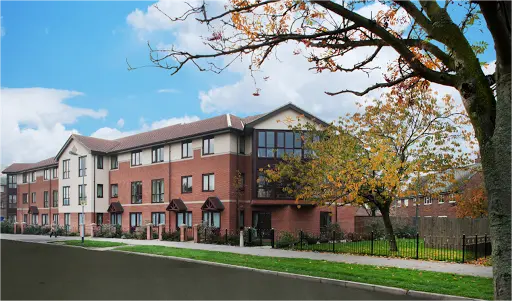
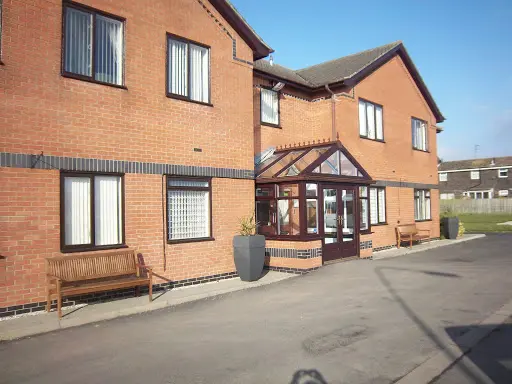
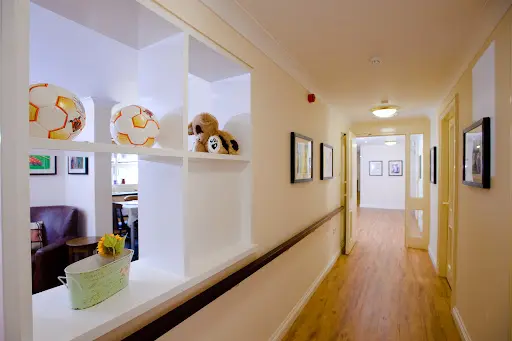
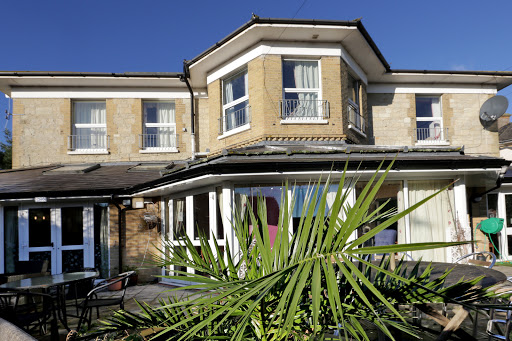
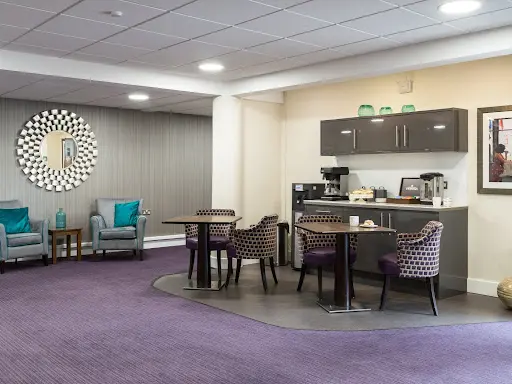
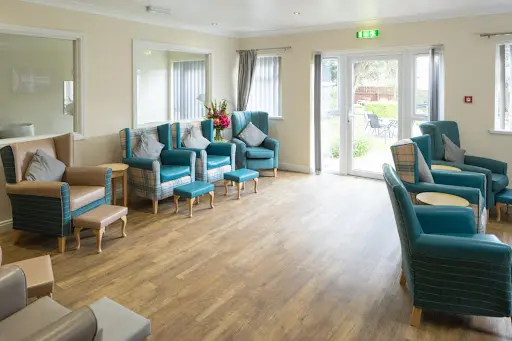
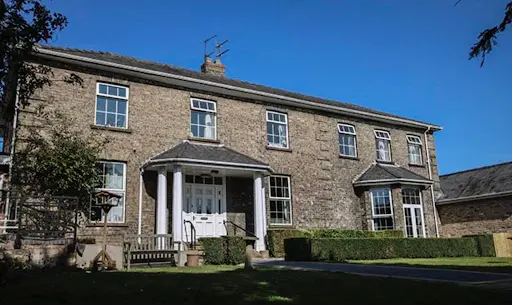
The home is generally described as clean and well-maintained, with satisfactory meals provided. Some feel the building creates a homely atmosphere, though others suggest the décor could benefit from updating.
“With such varying experiences reported, taking time to visit and asking detailed questions about care practices will help you make the best decision for your family.”
DCC does not edit or curate content in this tab. For independently curated information, see The Evidence and DCC Verdict.