Kesteven Grange Care Home
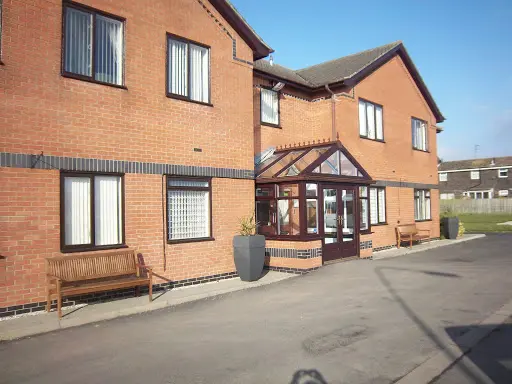
At a Glance
The information you need to decide whether this home warrants a closer look.
Residential homes
Staff warmth score
of reviewers answered yes
Good to know
- Registered beds54
- SpecialismsCaring for adults over 65 yrs, Caring for adults under 65 yrs, Dementia
- Last inspected2017-10-11
Save Kesteven Grange Care Home to your shortlist
Keep a running list, add visit notes, and compare homes side-by-side. Free account — it takes a minute.
STAGE 4 — RESEARCHING CARE HOMES
Visit homes. Compare them side by side. Choose with confidence.
Most of us will view care homes the way we view houses, impression, atmosphere, the feeling in the corridor. We go home, try to remember what we saw, and make a permanent decision from a blurred memory.

The DCC shortlist gives every home you visit a structured record: the same twelve questions, answered the same way, every time. When you’re ready to choose, pull any two homes side by side and compare them directly. Same criteria, same evidence, your notes and your scores.
The Evidence
What the review data, the inspection reports, and the dementia-care evidence base tell us about this home.
What families say
Families visiting the dementia unit find a calm, settled atmosphere where their relatives seem content. Staff greet visitors warmly and take time to chat about how residents are doing day to day. There's a reassuring sense that the team genuinely knows each person in their care.
The eight family priority themes
- Staff warmth55
- Compassion & dignity55
- Cleanliness55
- Activities & engagement50
- Food quality50
- Healthcare55
- Management & leadership55
- Resident happiness55
What inspectors found
Inspected 2017-10-11
Is this home safe?
Is the care effective?
The home was rated Good for effectiveness at the August 2017 inspection. The published report does not describe care plan content, review frequency, dementia training programmes, GP access arrangements, or food quality and choice. No detail about how the home supports people with dementia to maintain skills or manage health conditions is included.Is this home caring?
Kesteven Grange received a Good rating for caring at its August 2017 inspection. The report does not include direct inspector observations of staff interactions, descriptions of how staff addressed residents, or testimony from residents or relatives about warmth, dignity, or respect. The rating indicates inspectors were satisfied, but the evidence base behind it is not published in detail.Is the home responsive?
Kesteven Grange was rated Good for responsiveness at the August 2017 inspection. The published report does not describe the activity programme, how activities are tailored to individuals including people with advanced dementia, how the home responds to individual preferences, or how complaints are handled. End-of-life care planning is also not mentioned.Is the home well-led?
Kesteven Grange was rated Good for leadership and governance at the August 2017 inspection. The nominated individual is named as Anna Gretchen Selby. The published report does not describe the manager's visibility, staff culture, how the home handles complaints or incidents, or how governance systems operate in practice. The July 2023 regulatory review found no evidence requiring a reassessment.
Source: CQC inspection report →
What the evidence base says
The home cares for adults over 65 and under 65, with particular expertise in dementia care. The dedicated dementia unit occupies its own secure floor with controlled access, creating a safe environment where residents can move freely. Staff here understand the importance of routine and familiarity in dementia care. All areas worth probing directly during a visit.
The DCC Verdict
Our editorial view, built from the three lenses: what families tell us, what inspectors record, and how the home sits against good dementia-care practice.
DCC Family Score
Kesteven Grange holds a Good rating across all five domains, but the inspection report published in October 2017 contains very little specific detail, observations, or resident testimony. Every score reflects a positive but unverified baseline: Good means something, but without specifics, families cannot yet confirm what life here actually looks like day to day.
Homes in Yorkshire & Humberside typically score 68–82.The three-lens summary
What families tell us
Families visiting the dementia unit find a calm, settled atmosphere where their relatives seem content. Staff greet visitors warmly and take time to chat about how residents are doing day to day. There's a reassuring sense that the team genuinely knows each person in their care.
What inspectors have recorded
The care staff work hard to keep residents looking smart and feeling comfortable, with families often commenting on how well-presented their relatives are. When incidents happen, staff communicate promptly with families to keep them informed.
How it sits against good practice
For families facing tough decisions about dementia care, seeing a loved one settled and well-cared for makes all the difference.
Worth a visit
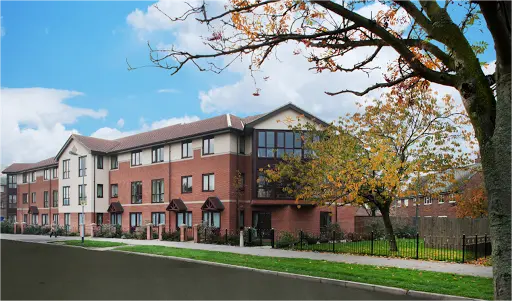
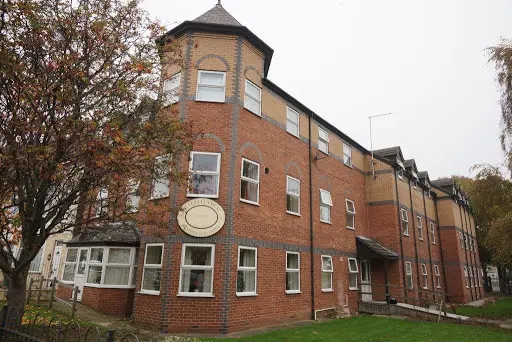
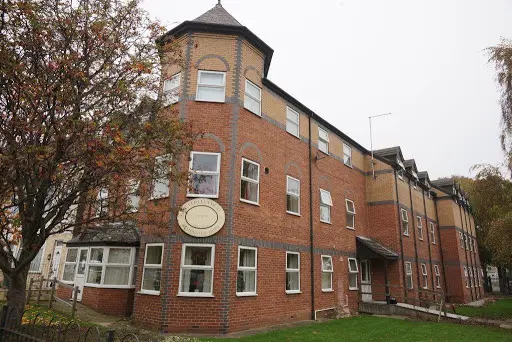
Kesteven Grange, on Kesteven Way in Hull, was rated Good across all five inspection domains when it was last assessed in August 2017. A regulatory review in July 2023 found no evidence requiring a change to that rating, which means the home has not triggered concern in the years since the inspection. Those are positive baseline facts worth noting. However, the published inspection report contains almost no specific detail: no direct observations, no resident or family quotes, and no concrete descriptions of daily life. A Good rating from 2017 tells you the home met the standard at that point in time, but it does not tell you what your parent would experience there today. Before visiting, prepare a list of specific questions covering night staffing numbers, how often care plans are reviewed with family input, what dementia-specific training staff have completed, and how the home stays in contact with families after any incident. On the visit itself, watch how staff speak to residents in corridors and communal areas, particularly whether they use preferred names and whether they seem rushed.
The three questions to ask when you visitSave this home. Compare it against your shortlist.
Let our analysis show you how Kesteven Grange Care Home measures up against the other homes you’re considering. Free account.
In Their Own Words
How Kesteven Grange Care Home describes itself — collected from its own website. DCC has not edited or independently verified the content in this tab.
Dedicated dementia care with secure spaces and attentive staff
Dedicated residential home Support in Hull
When dementia changes everything, families need to know their loved ones are safe and well cared for. Kesteven Grange in Hull offers specialised dementia support on a secure floor, where staff focus on keeping residents comfortable, engaged and looking their best. The team here understands that small details matter — from making sure clothes are clean and well-fitted to offering favourite snacks between meals.
Who they care for
The home cares for adults over 65 and under 65, with particular expertise in dementia care.
The dedicated dementia unit occupies its own secure floor with controlled access, creating a safe environment where residents can move freely. Staff here understand the importance of routine and familiarity in dementia care.
“For families facing tough decisions about dementia care, seeing a loved one settled and well-cared for makes all the difference.”
DCC does not edit or curate content in this tab. For independently curated information, see The Evidence and DCC Verdict.
The DCC Verdict
Our editorial view, built from the three lenses: what families tell us, what inspectors record, and how the home sits against good dementia-care practice.
DCC Family Score
Kesteven Grange holds a Good rating across all five domains, but the inspection report published in October 2017 contains very little specific detail, observations, or resident testimony. Every score reflects a positive but unverified baseline: Good means something, but without specifics, families cannot yet confirm what life here actually looks like day to day.
Homes in Yorkshire & Humberside typically score 68–82.The three-lens summary
What families tell us
Families visiting the dementia unit find a calm, settled atmosphere where their relatives seem content. Staff greet visitors warmly and take time to chat about how residents are doing day to day. There's a reassuring sense that the team genuinely knows each person in their care.
What inspectors have recorded
The care staff work hard to keep residents looking smart and feeling comfortable, with families often commenting on how well-presented their relatives are. When incidents happen, staff communicate promptly with families to keep them informed.
How it sits against good practice
For families facing tough decisions about dementia care, seeing a loved one settled and well-cared for makes all the difference.
Worth a visit
Kesteven Grange, on Kesteven Way in Hull, was rated Good across all five inspection domains when it was last assessed in August 2017. A regulatory review in July 2023 found no evidence requiring a change to that rating, which means the home has not triggered concern in the years since the inspection. Those are positive baseline facts worth noting. However, the published inspection report contains almost no specific detail: no direct observations, no resident or family quotes, and no concrete descriptions of daily life. A Good rating from 2017 tells you the home met the standard at that point in time, but it does not tell you what your parent would experience there today. Before visiting, prepare a list of specific questions covering night staffing numbers, how often care plans are reviewed with family input, what dementia-specific training staff have completed, and how the home stays in contact with families after any incident. On the visit itself, watch how staff speak to residents in corridors and communal areas, particularly whether they use preferred names and whether they seem rushed.
The three questions to ask when you visitSave this home. Compare it against your shortlist.
Let our analysis show you how Kesteven Grange Care Home measures up against the other homes you’re considering. Free account.
In Their Own Words
How Kesteven Grange Care Home describes itself — collected from its own website. DCC has not edited or independently verified the content in this tab.
Dedicated dementia care with secure spaces and attentive staff
Dedicated residential home Support in Hull
When dementia changes everything, families need to know their loved ones are safe and well cared for. Kesteven Grange in Hull offers specialised dementia support on a secure floor, where staff focus on keeping residents comfortable, engaged and looking their best. The team here understands that small details matter — from making sure clothes are clean and well-fitted to offering favourite snacks between meals.
Who they care for
The home cares for adults over 65 and under 65, with particular expertise in dementia care.
The dedicated dementia unit occupies its own secure floor with controlled access, creating a safe environment where residents can move freely. Staff here understand the importance of routine and familiarity in dementia care.
Management & ethos
The care staff work hard to keep residents looking smart and feeling comfortable, with families often commenting on how well-presented their relatives are. When incidents happen, staff communicate promptly with families to keep them informed.
The home & environment
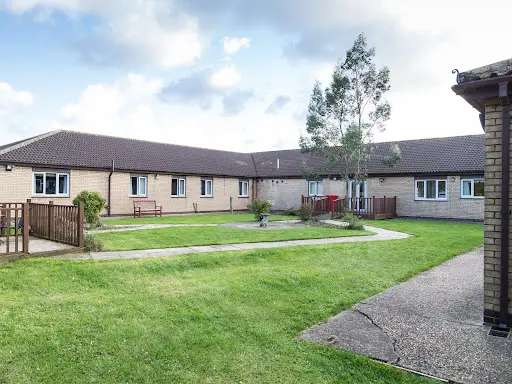
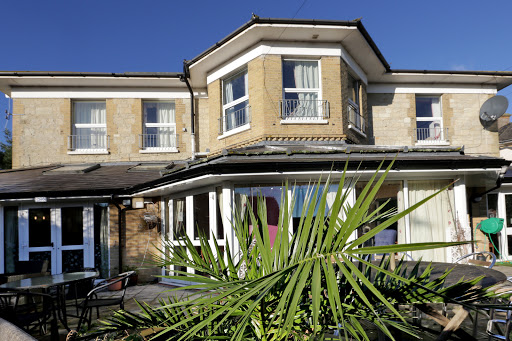
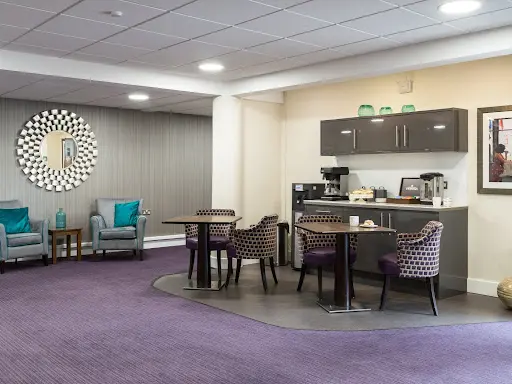
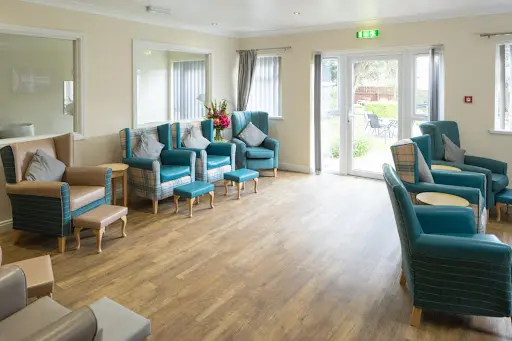
Mealtimes bring real enthusiasm here, with residents clearly enjoying their food and looking forward to regular snacks throughout the day. The secure dementia floor has keycode access with staff always present. Something rather special — they keep rabbits and kittens that residents can spend time with, bringing moments of joy and connection.
“For families facing tough decisions about dementia care, seeing a loved one settled and well-cared for makes all the difference.”
DCC does not edit or curate content in this tab. For independently curated information, see The Evidence and DCC Verdict.