Newgrove House Residential Home

At a Glance
The information you need to decide whether this home warrants a closer look.
Residential homes
Staff warmth score
of reviewers answered yes
Good to know
- Registered beds39
- SpecialismsCaring for adults over 65 yrs, Caring for adults under 65 yrs, Dementia
- Last inspected2018-05-01
Save Newgrove House Residential Home to your shortlist
Keep a running list, add visit notes, and compare homes side-by-side. Free account — it takes a minute.
STAGE 4 — RESEARCHING CARE HOMES
Visit homes. Compare them side by side. Choose with confidence.
Most of us will view care homes the way we view houses, impression, atmosphere, the feeling in the corridor. We go home, try to remember what we saw, and make a permanent decision from a blurred memory.

The DCC shortlist gives every home you visit a structured record: the same twelve questions, answered the same way, every time. When you’re ready to choose, pull any two homes side by side and compare them directly. Same criteria, same evidence, your notes and your scores.
The Evidence
What the review data, the inspection reports, and the dementia-care evidence base tell us about this home.
What families say
Visitors describe carers who are genuinely engaged with residents' individual needs. People notice how staff deliver care with real respect and consideration, helping residents maintain their dignity through daily routines.
The eight family priority themes
- Staff warmth55
- Compassion & dignity55
- Cleanliness55
- Activities & engagement50
- Food quality50
- Healthcare55
- Management & leadership42
- Resident happiness55
What inspectors found
Inspected 2018-05-01
Is this home safe?
Is the care effective?
Inspectors rated Effective as Good. This domain covers care planning, staff training, access to healthcare professionals such as GPs and district nurses, and food and nutrition. The published summary does not include specific detail about any of these areas. There is no recorded information about how often care plans are reviewed, whether families are involved, what dementia training staff have completed, or how the home manages the nutritional needs of residents living with dementia.Is this home caring?
Inspectors rated the Caring domain as Good. This covers whether staff treat residents with kindness, respect their dignity and privacy, and support their independence. The published summary records this rating but includes no specific observations, no quotes from residents or relatives, and no description of what inspectors saw during the inspection. This is the domain that matters most to families: staff warmth alone accounts for 57.3% of positive mentions in our family review data.Is the home responsive?
Inspectors rated Responsive as Good. This domain covers whether the home offers meaningful activities, responds to individual preferences, supports residents to maintain their identity, and has plans in place for end of life. The published summary does not record what activities are available, whether one-to-one engagement is offered to residents who cannot join group activities, or how the home supports people at the end of their lives. No specific examples or resident or family quotes are included.Is the home well-led?
Inspectors rated Well-led as Requires Improvement. This is the only domain that did not reach Good at the February 2022 inspection. Well-led covers the quality of leadership, governance processes, whether the home learns from incidents and complaints, and whether staff feel able to speak up. The registered manager is listed as Mr Ben Christopher Evardson and the nominated individual as Mrs Laxmi Avtar Kaur Khuana. The published summary does not explain what specific weaknesses were identified or what the home was required to improve.
Source: CQC inspection report →
What the evidence base says
Newgrove House supports adults of all ages, including younger adults under 65 who need residential care. The team has specific experience caring for people living with dementia. For residents with dementia, the attentive approach really comes into its own. Staff take time to understand each person's unique needs and preferences, adapting their care accordingly. All areas worth probing directly during a visit.
The DCC Verdict
Our editorial view, built from the three lenses: what families tell us, what inspectors record, and how the home sits against good dementia-care practice.
DCC Family Score
Newgrove House scores in the mid-range because the inspection confirms a Good rating across most areas but provides very limited specific detail, and the Well-led domain remains at Requires Improvement, which introduces genuine uncertainty about leadership stability and accountability.
Homes in Yorkshire & Humberside typically score 68–82.The three-lens summary
What families tell us
Visitors describe carers who are genuinely engaged with residents' individual needs. People notice how staff deliver care with real respect and consideration, helping residents maintain their dignity through daily routines.
What inspectors have recorded
The care manager oversees standards across several properties, bringing consistent leadership to the team. While most families speak positively about the home's cleanliness and care approach, there has been a concerning account about hygiene standards that stands at odds with other experiences.
How it sits against good practice
While the décor might feel a bit dated to some, most families find the quality of personal care matters far more than modern furnishings.
Worth a visit
Newgrove House Care Home in Grimsby was rated Good overall at its last inspection in February 2022, a significant improvement from a previous rating of Inadequate. Inspectors judged the home to be Good in four of the five domains: Safe, Effective, Caring, and Responsive. That trajectory from Inadequate to Good is genuinely encouraging and shows the home has made meaningful changes. The main uncertainty is the Well-led domain, which remains at Requires Improvement. Leadership and governance are the foundation everything else rests on, and an unresolved weakness here means you should probe carefully on your visit. The published inspection summary contains very little specific detail about what inspectors actually saw, heard, or recorded, so much of what matters for your parent is still unknown from the written record alone. Ask to meet the registered manager, find out how long they have been in post, and ask the home to walk you through what has changed since the Inadequate rating and what is still being worked on.
The three questions to ask when you visitSave this home. Compare it against your shortlist.
Let our analysis show you how Newgrove House Residential Home measures up against the other homes you’re considering. Free account.
In Their Own Words
How Newgrove House Residential Home describes itself — collected from its own website. DCC has not edited or independently verified the content in this tab.
Attentive carers who put dignity first in clean, welcoming spaces
Newgrove House Care Home – Your Trusted residential home
When families visit Newgrove House Care Home in Grimsby, they often comment on how carers take time to really know each resident. It's this personal touch that helps people feel settled in their new surroundings. The home welcomes adults of all ages, with particular experience in supporting those living with dementia.
Who they care for
Newgrove House supports adults of all ages, including younger adults under 65 who need residential care. The team has specific experience caring for people living with dementia.
For residents with dementia, the attentive approach really comes into its own. Staff take time to understand each person's unique needs and preferences, adapting their care accordingly.
“While the décor might feel a bit dated to some, most families find the quality of personal care matters far more than modern furnishings.”
DCC does not edit or curate content in this tab. For independently curated information, see The Evidence and DCC Verdict.
The DCC Verdict
Our editorial view, built from the three lenses: what families tell us, what inspectors record, and how the home sits against good dementia-care practice.
DCC Family Score
Newgrove House scores in the mid-range because the inspection confirms a Good rating across most areas but provides very limited specific detail, and the Well-led domain remains at Requires Improvement, which introduces genuine uncertainty about leadership stability and accountability.
Homes in Yorkshire & Humberside typically score 68–82.The three-lens summary
What families tell us
Visitors describe carers who are genuinely engaged with residents' individual needs. People notice how staff deliver care with real respect and consideration, helping residents maintain their dignity through daily routines.
What inspectors have recorded
The care manager oversees standards across several properties, bringing consistent leadership to the team. While most families speak positively about the home's cleanliness and care approach, there has been a concerning account about hygiene standards that stands at odds with other experiences.
How it sits against good practice
While the décor might feel a bit dated to some, most families find the quality of personal care matters far more than modern furnishings.
Worth a visit
Newgrove House Care Home in Grimsby was rated Good overall at its last inspection in February 2022, a significant improvement from a previous rating of Inadequate. Inspectors judged the home to be Good in four of the five domains: Safe, Effective, Caring, and Responsive. That trajectory from Inadequate to Good is genuinely encouraging and shows the home has made meaningful changes. The main uncertainty is the Well-led domain, which remains at Requires Improvement. Leadership and governance are the foundation everything else rests on, and an unresolved weakness here means you should probe carefully on your visit. The published inspection summary contains very little specific detail about what inspectors actually saw, heard, or recorded, so much of what matters for your parent is still unknown from the written record alone. Ask to meet the registered manager, find out how long they have been in post, and ask the home to walk you through what has changed since the Inadequate rating and what is still being worked on.
The three questions to ask when you visitSave this home. Compare it against your shortlist.
Let our analysis show you how Newgrove House Residential Home measures up against the other homes you’re considering. Free account.
In Their Own Words
How Newgrove House Residential Home describes itself — collected from its own website. DCC has not edited or independently verified the content in this tab.
Attentive carers who put dignity first in clean, welcoming spaces
Newgrove House Care Home – Your Trusted residential home
When families visit Newgrove House Care Home in Grimsby, they often comment on how carers take time to really know each resident. It's this personal touch that helps people feel settled in their new surroundings. The home welcomes adults of all ages, with particular experience in supporting those living with dementia.
Who they care for
Newgrove House supports adults of all ages, including younger adults under 65 who need residential care. The team has specific experience caring for people living with dementia.
For residents with dementia, the attentive approach really comes into its own. Staff take time to understand each person's unique needs and preferences, adapting their care accordingly.
Management & ethos
The care manager oversees standards across several properties, bringing consistent leadership to the team. While most families speak positively about the home's cleanliness and care approach, there has been a concerning account about hygiene standards that stands at odds with other experiences.
The home & environment
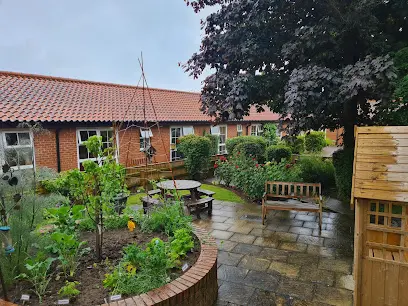
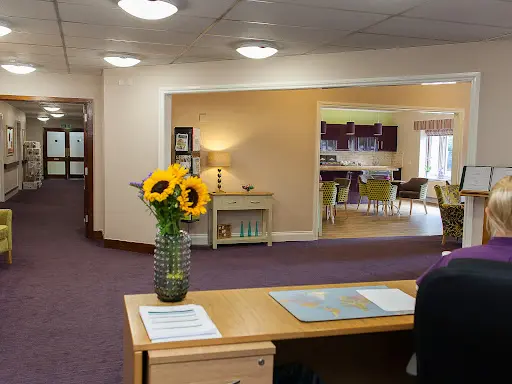
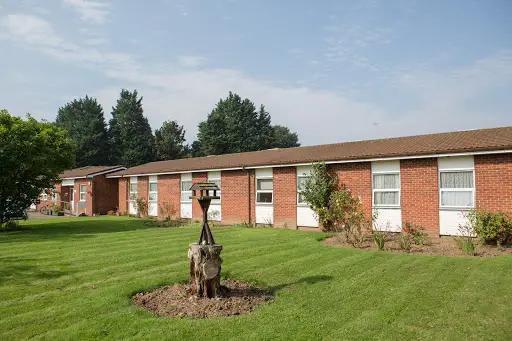
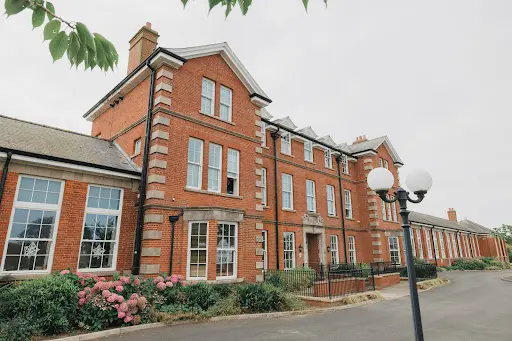
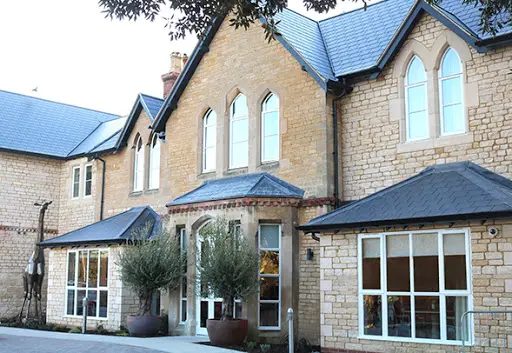
The home maintains clean, bright spaces that feel safe and well-kept. Several people have mentioned how the domestic team clearly takes pride in their work, keeping everything fresh and tidy throughout the building.
“While the décor might feel a bit dated to some, most families find the quality of personal care matters far more than modern furnishings.”
DCC does not edit or curate content in this tab. For independently curated information, see The Evidence and DCC Verdict.