Grove Lodge and Courtyard
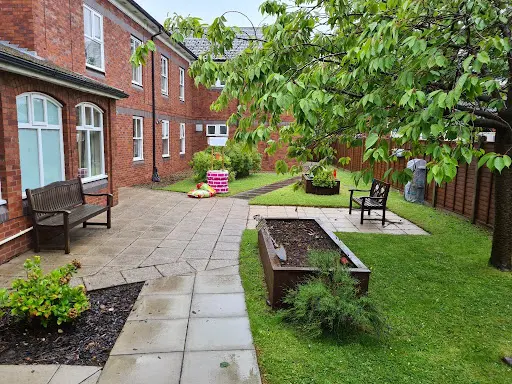
At a Glance
The information you need to decide whether this home warrants a closer look.
Residential homes
Staff warmth score
of reviewers answered yes
Good to know
- Registered beds57
- SpecialismsCaring for adults over 65 yrs, Dementia, Mental health conditions
- Last inspected2021-05-20
Save Grove Lodge and Courtyard to your shortlist
Keep a running list, add visit notes, and compare homes side-by-side. Free account — it takes a minute.
STAGE 4 — RESEARCHING CARE HOMES
Visit homes. Compare them side by side. Choose with confidence.
Most of us will view care homes the way we view houses, impression, atmosphere, the feeling in the corridor. We go home, try to remember what we saw, and make a permanent decision from a blurred memory.

The DCC shortlist gives every home you visit a structured record: the same twelve questions, answered the same way, every time. When you’re ready to choose, pull any two homes side by side and compare them directly. Same criteria, same evidence, your notes and your scores.
The Evidence
What the review data, the inspection reports, and the dementia-care evidence base tell us about this home.
What families say
People describe staff who really tune in to what each resident needs emotionally. When someone's having a tough time, the team picks up on it quickly and provides the right kind of support. There's a balance here between encouraging independence and being available when residents need that extra help.
The eight family priority themes
- Staff warmth72
- Compassion & dignity72
- Cleanliness68
- Activities & engagement60
- Food quality60
- Healthcare65
- Management & leadership75
- Resident happiness68
What inspectors found
Inspected 2021-05-20
Is this home safe?
Is the care effective?
The Effective domain was rated Good at the April 2021 inspection. This domain covers care planning, staff training, healthcare access, nutrition, and hydration. The home lists dementia as a specialism, which requires specific training and assessment approaches. No specific information about dementia training content, care plan review frequency, GP access arrangements, or nutrition monitoring is reproduced in the available published text.Is this home caring?
The Caring domain was rated Good at the April 2021 inspection. This domain covers staff warmth, dignity, respect, privacy, and whether people are treated as individuals. The home specialises in dementia care, which requires staff to be skilled in non-verbal communication and reading distress signals. No specific inspector observations, resident accounts, or family quotes are reproduced in the available published text.Is the home responsive?
The Responsive domain was rated Good at the April 2021 inspection. This domain covers activities, individual engagement, response to changing needs, and complaints handling. The home supports people with dementia and mental health conditions alongside general older adult care, which requires a range of engagement approaches. No specific activity examples, schedules, or descriptions of one-to-one support are reproduced in the available published text.Is the home well-led?
The Well-led domain was rated Good at the April 2021 inspection, having previously been rated Requires Improvement. A named registered manager and nominated individual are recorded. The improvement across all five domains from the previous inspection suggests that leadership took the earlier concerns seriously and made measurable changes. No specific information about management visibility, staff culture, quality monitoring systems, or family involvement in governance is reproduced in the available published text.
Source: CQC inspection report →
What the evidence base says
The home provides specialist care for people with dementia and mental health conditions, alongside general support for adults over 65. Their recovery-focused approach helps residents work toward personal goals, whether that's regaining daily living skills or preparing for a return to community living. For those living with dementia, the team combines their mental health expertise with dementia-specific support. This integrated approach recognises that many people face both challenges together. All areas worth probing directly during a visit.
The DCC Verdict
Our editorial view, built from the three lenses: what families tell us, what inspectors record, and how the home sits against good dementia-care practice.
DCC Family Score
Grove Lodge and Courtyard achieved Good across all five inspection domains, improving from a previous Requires Improvement rating. However, the published report text contains very limited specific detail, so scores reflect confirmed ratings rather than granular observed evidence.
Homes in North East typically score 68–82.The three-lens summary
What families tell us
People describe staff who really tune in to what each resident needs emotionally. When someone's having a tough time, the team picks up on it quickly and provides the right kind of support. There's a balance here between encouraging independence and being available when residents need that extra help.
What inspectors have recorded
How it sits against good practice
It's worth noting that Grove Lodge takes a rehabilitation mindset that's helped several residents transition successfully back to independent living.
Worth a visit
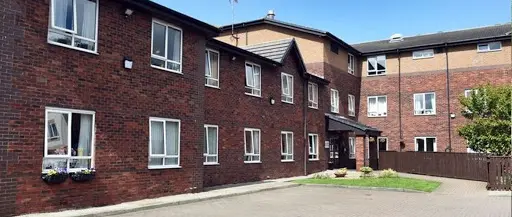
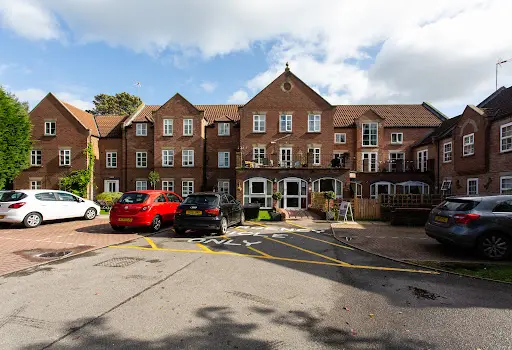
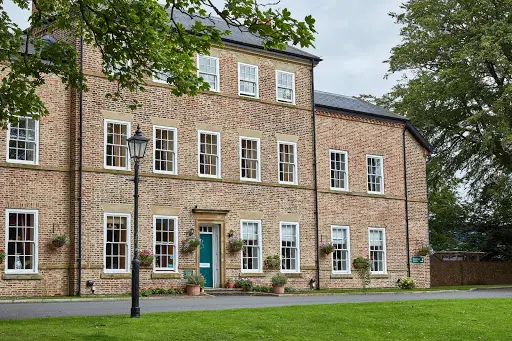
Grove Lodge and Courtyard, at 341 Marton Road, Middlesbrough, was rated Good across all five inspection domains at its last inspection in April 2021. This represented a meaningful improvement from its previous Requires Improvement rating, suggesting that the management team identified problems and addressed them. The home specialises in dementia and mental health conditions alongside general care for older adults, and caters for up to 57 residents. The main limitation of this report is that the published inspection text contains very little specific detail about what inspectors actually observed. Good ratings are meaningful, but they tell you that standards were met rather than painting a picture of daily life for your parent. The inspection is now more than three years old, and a 2023 monitoring review found no evidence requiring a reassessment. Before visiting, prepare a list of specific questions, especially about night staffing numbers, agency staff use, how the home supports someone with dementia who cannot join group activities, and how families are kept informed. Ask to see the staffing rota from a recent week rather than a template, and spend time in a communal area to watch how staff interact at an unhurried pace.
The three questions to ask when you visitSave this home. Compare it against your shortlist.
Let our analysis show you how Grove Lodge and Courtyard measures up against the other homes you’re considering. Free account.
In Their Own Words
How Grove Lodge and Courtyard describes itself — collected from its own website. DCC has not edited or independently verified the content in this tab.
Where mental health recovery meets genuine independence support
Dedicated residential home Support in Middlesbrough
Grove Lodge and Courtyard in Middlesbrough brings something distinctive to residential care — a real focus on helping people rebuild their independence. This North East home specialises in supporting adults over 65 with mental health conditions and dementia, taking a therapeutic approach that sees many residents progress toward greater self-sufficiency.
Who they care for
The home provides specialist care for people with dementia and mental health conditions, alongside general support for adults over 65. Their recovery-focused approach helps residents work toward personal goals, whether that's regaining daily living skills or preparing for a return to community living.
For those living with dementia, the team combines their mental health expertise with dementia-specific support. This integrated approach recognises that many people face both challenges together.
“It's worth noting that Grove Lodge takes a rehabilitation mindset that's helped several residents transition successfully back to independent living.”
DCC does not edit or curate content in this tab. For independently curated information, see The Evidence and DCC Verdict.
The DCC Verdict
Our editorial view, built from the three lenses: what families tell us, what inspectors record, and how the home sits against good dementia-care practice.
DCC Family Score
Grove Lodge and Courtyard achieved Good across all five inspection domains, improving from a previous Requires Improvement rating. However, the published report text contains very limited specific detail, so scores reflect confirmed ratings rather than granular observed evidence.
Homes in North East typically score 68–82.The three-lens summary
What families tell us
People describe staff who really tune in to what each resident needs emotionally. When someone's having a tough time, the team picks up on it quickly and provides the right kind of support. There's a balance here between encouraging independence and being available when residents need that extra help.
What inspectors have recorded
How it sits against good practice
It's worth noting that Grove Lodge takes a rehabilitation mindset that's helped several residents transition successfully back to independent living.
Worth a visit
Grove Lodge and Courtyard, at 341 Marton Road, Middlesbrough, was rated Good across all five inspection domains at its last inspection in April 2021. This represented a meaningful improvement from its previous Requires Improvement rating, suggesting that the management team identified problems and addressed them. The home specialises in dementia and mental health conditions alongside general care for older adults, and caters for up to 57 residents. The main limitation of this report is that the published inspection text contains very little specific detail about what inspectors actually observed. Good ratings are meaningful, but they tell you that standards were met rather than painting a picture of daily life for your parent. The inspection is now more than three years old, and a 2023 monitoring review found no evidence requiring a reassessment. Before visiting, prepare a list of specific questions, especially about night staffing numbers, agency staff use, how the home supports someone with dementia who cannot join group activities, and how families are kept informed. Ask to see the staffing rota from a recent week rather than a template, and spend time in a communal area to watch how staff interact at an unhurried pace.
The three questions to ask when you visitSave this home. Compare it against your shortlist.
Let our analysis show you how Grove Lodge and Courtyard measures up against the other homes you’re considering. Free account.
In Their Own Words
How Grove Lodge and Courtyard describes itself — collected from its own website. DCC has not edited or independently verified the content in this tab.
Where mental health recovery meets genuine independence support
Dedicated residential home Support in Middlesbrough
Grove Lodge and Courtyard in Middlesbrough brings something distinctive to residential care — a real focus on helping people rebuild their independence. This North East home specialises in supporting adults over 65 with mental health conditions and dementia, taking a therapeutic approach that sees many residents progress toward greater self-sufficiency.
Who they care for
The home provides specialist care for people with dementia and mental health conditions, alongside general support for adults over 65. Their recovery-focused approach helps residents work toward personal goals, whether that's regaining daily living skills or preparing for a return to community living.
For those living with dementia, the team combines their mental health expertise with dementia-specific support. This integrated approach recognises that many people face both challenges together.
The home & environment
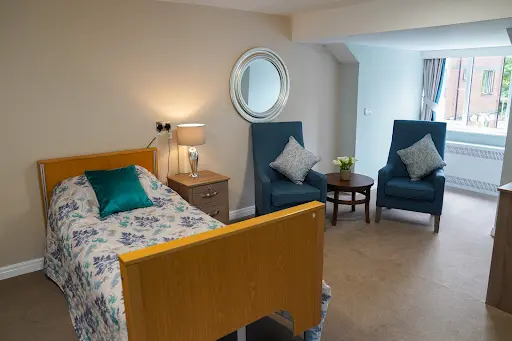
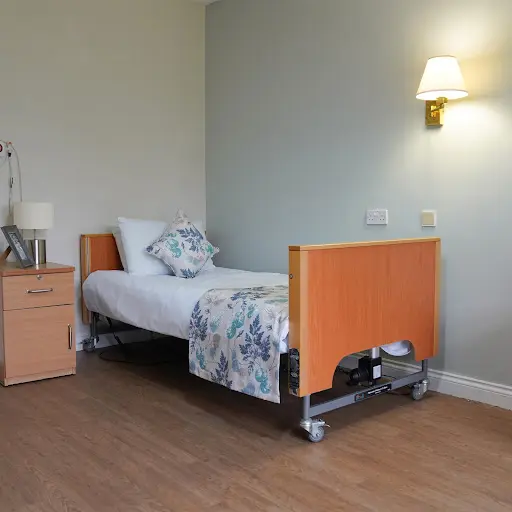
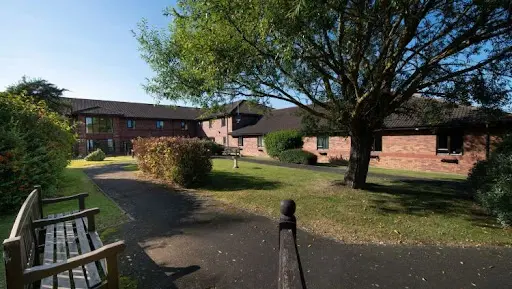
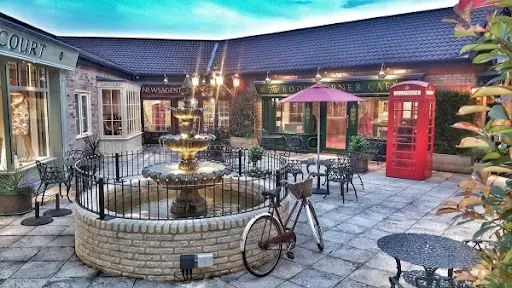
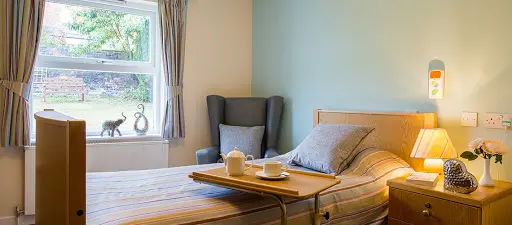
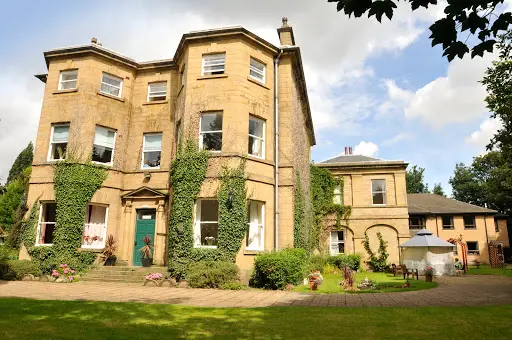
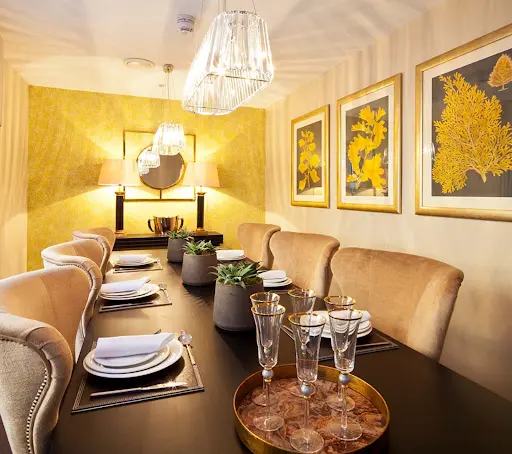
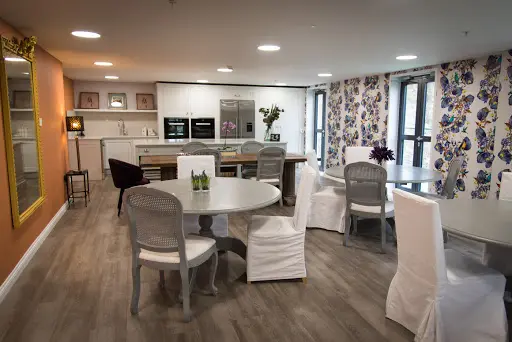
The kitchen team makes meal planning a collaborative process, sitting down with residents to develop menus that reflect what people actually want to eat. The home itself is kept spotlessly clean and well-maintained, creating an environment where visitors feel comfortable spending time.
“It's worth noting that Grove Lodge takes a rehabilitation mindset that's helped several residents transition successfully back to independent living.”
DCC does not edit or curate content in this tab. For independently curated information, see The Evidence and DCC Verdict.