Glen Tanar Rest Home

At a Glance
The information you need to decide whether this home warrants a closer look.
Residential homes
Staff warmth score
of reviewers answered yes
Good to know
- Registered beds21
- SpecialismsCaring for adults over 65 yrs, Caring for adults under 65 yrs, Dementia, Physical disabilities
- Last inspected2019-05-22
Save Glen Tanar Rest Home to your shortlist
Keep a running list, add visit notes, and compare homes side-by-side. Free account — it takes a minute.
STAGE 4 — RESEARCHING CARE HOMES
Visit homes. Compare them side by side. Choose with confidence.
Most of us will view care homes the way we view houses, impression, atmosphere, the feeling in the corridor. We go home, try to remember what we saw, and make a permanent decision from a blurred memory.

The DCC shortlist gives every home you visit a structured record: the same twelve questions, answered the same way, every time. When you’re ready to choose, pull any two homes side by side and compare them directly. Same criteria, same evidence, your notes and your scores.
The Evidence
What the review data, the inspection reports, and the dementia-care evidence base tell us about this home.
What families say
Families describe walking into a genuinely welcoming environment where staff know each resident's preferences and personality. The warmth feels authentic rather than practiced, with carers taking time to chat and connect throughout the day. Regular photos sent to families show residents engaged and content, offering reassurance between visits.
The eight family priority themes
- Staff warmth52
- Compassion & dignity52
- Cleanliness52
- Activities & engagement50
- Food quality50
- Healthcare50
- Management & leadership60
- Resident happiness52
What inspectors found
Inspected 2019-05-22
Is this home safe?
Is the care effective?
The Effective domain was rated Good at the April 2021 inspection. This domain covers staff training, care planning, healthcare access, and nutrition. The home lists dementia as a specialism, which implies staff should have specific training in dementia care. No detail about training content, care plan quality, GP access arrangements, or food provision is recorded in the published findings.Is this home caring?
The Caring domain was rated Good at the April 2021 inspection. This covers how staff treat residents, whether dignity and privacy are respected, and whether residents are supported to be as independent as possible. No direct observations of staff interactions, no resident or family quotes, and no specific examples of how dignity is upheld day to day are recorded in the published findings.Is the home responsive?
The Responsive domain was rated Good at the April 2021 inspection. This covers activities and engagement, how care is tailored to individual needs, and end-of-life care planning. No detail about the activities programme, individual engagement for residents who cannot join groups, or how the home supports people at the end of their life is recorded in the published findings.Is the home well-led?
The Well-led domain was rated Good at the April 2021 inspection. A named registered manager, Miss Helen Powell, and a nominated individual, Mrs Pamela Elizabeth Mathauda, are recorded. The home's improvement from Requires Improvement to Good across all domains is a positive signal about leadership effectiveness. No detail about management visibility, staff culture, governance systems, or how the home handles complaints is recorded in the published findings.
Source: CQC inspection report →
What the evidence base says
Glen Tanar provides residential care for adults both under and over 65, including those with physical disabilities. The home also offers specialist dementia care, supporting residents at various stages of their journey. For residents living with dementia, the team focuses on maintaining connections and capabilities. Staff work to understand each person's unique needs and responses, adapting their approach as those needs change over time. All areas worth probing directly during a visit.
The DCC Verdict
Our editorial view, built from the three lenses: what families tell us, what inspectors record, and how the home sits against good dementia-care practice.
DCC Family Score
Glen Tanar Rest Home holds a Good rating across all five domains, improved from a previous Requires Improvement, which is a meaningful step forward. However, the published inspection report contains very limited specific detail, so most scores sit in the 50-60 range, reflecting confirmed compliance without the observations, quotes, or individual examples that would push scores higher.
Homes in North West typically score 68–82.The three-lens summary
What families tell us
Families describe walking into a genuinely welcoming environment where staff know each resident's preferences and personality. The warmth feels authentic rather than practiced, with carers taking time to chat and connect throughout the day. Regular photos sent to families show residents engaged and content, offering reassurance between visits.
What inspectors have recorded
Communication stands out as a real strength here. Staff keep families properly informed without them having to chase for updates. When concerns arise, they're addressed directly rather than brushed aside. This open approach helps build the trust that makes such a difference during difficult transitions.
How it sits against good practice
Sometimes the smallest details reveal the most — like seeing a resident's face light up when staff remember their favourite song.
Worth a visit
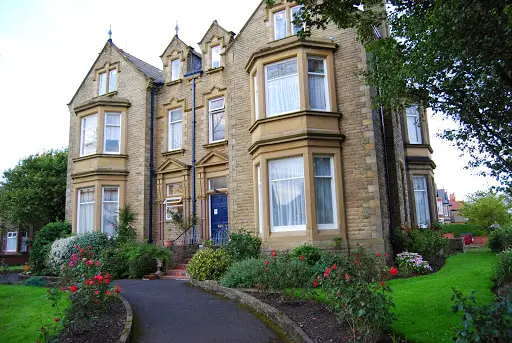
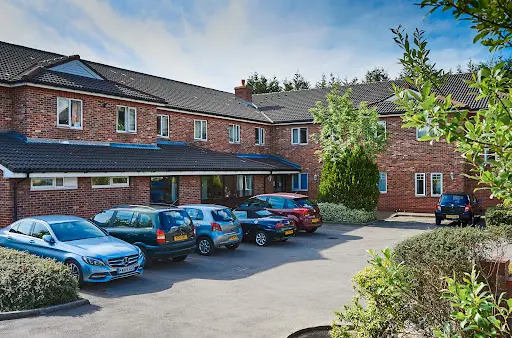
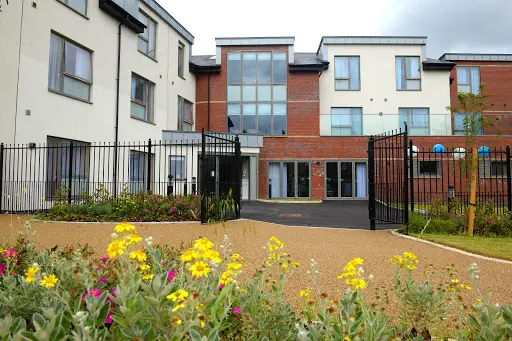
Glen Tanar Rest Home at 65 Cavendish Road, Blackpool was rated Good across all five inspection domains at its last full inspection in April 2021. Importantly, this represents an improvement from a previous rating of Requires Improvement, which tells you that the leadership team identified problems and fixed them. The home is a small, 21-bed residential service offering care for older adults, younger adults, people living with dementia, and people with physical disabilities. The main uncertainty here is the age and detail of the published inspection findings. The last full inspection took place in April 2021, which is now over four years ago, and a monitoring review in July 2023 found no reason to change the rating but did not add new detail. The published report contains very little specific evidence, no direct observations, no resident or family quotes, and no staffing figures. A Good rating matters, but it does not tell you what the home looks and feels like today. Before deciding, visit in person, ask to see the staffing rota for the past two weeks (including nights), ask what changed when the home moved from Requires Improvement to Good, and spend time in the communal areas to watch how staff interact with your parent.
The three questions to ask when you visitSave this home. Compare it against your shortlist.
Let our analysis show you how Glen Tanar Rest Home measures up against the other homes you’re considering. Free account.
In Their Own Words
How Glen Tanar Rest Home describes itself — collected from its own website. DCC has not edited or independently verified the content in this tab.
Where genuine warmth meets thoughtful daily care in Blackpool
Compassionate Care in Blackpool at Glen Tanar Rest Home
When families visit Glen Tanar Rest Home in Blackpool, they often arrive anxious and leave reassured. This care home has quietly built a reputation for helping residents not just cope with change, but genuinely thrive. The combination of attentive staff and a lively activity programme creates an atmosphere where people rediscover parts of themselves they thought were lost.
Who they care for
Glen Tanar provides residential care for adults both under and over 65, including those with physical disabilities. The home also offers specialist dementia care, supporting residents at various stages of their journey.
For residents living with dementia, the team focuses on maintaining connections and capabilities. Staff work to understand each person's unique needs and responses, adapting their approach as those needs change over time.
“Sometimes the smallest details reveal the most — like seeing a resident's face light up when staff remember their favourite song.”
DCC does not edit or curate content in this tab. For independently curated information, see The Evidence and DCC Verdict.
The DCC Verdict
Our editorial view, built from the three lenses: what families tell us, what inspectors record, and how the home sits against good dementia-care practice.
DCC Family Score
Glen Tanar Rest Home holds a Good rating across all five domains, improved from a previous Requires Improvement, which is a meaningful step forward. However, the published inspection report contains very limited specific detail, so most scores sit in the 50-60 range, reflecting confirmed compliance without the observations, quotes, or individual examples that would push scores higher.
Homes in North West typically score 68–82.The three-lens summary
What families tell us
Families describe walking into a genuinely welcoming environment where staff know each resident's preferences and personality. The warmth feels authentic rather than practiced, with carers taking time to chat and connect throughout the day. Regular photos sent to families show residents engaged and content, offering reassurance between visits.
What inspectors have recorded
Communication stands out as a real strength here. Staff keep families properly informed without them having to chase for updates. When concerns arise, they're addressed directly rather than brushed aside. This open approach helps build the trust that makes such a difference during difficult transitions.
How it sits against good practice
Sometimes the smallest details reveal the most — like seeing a resident's face light up when staff remember their favourite song.
Worth a visit
Glen Tanar Rest Home at 65 Cavendish Road, Blackpool was rated Good across all five inspection domains at its last full inspection in April 2021. Importantly, this represents an improvement from a previous rating of Requires Improvement, which tells you that the leadership team identified problems and fixed them. The home is a small, 21-bed residential service offering care for older adults, younger adults, people living with dementia, and people with physical disabilities. The main uncertainty here is the age and detail of the published inspection findings. The last full inspection took place in April 2021, which is now over four years ago, and a monitoring review in July 2023 found no reason to change the rating but did not add new detail. The published report contains very little specific evidence, no direct observations, no resident or family quotes, and no staffing figures. A Good rating matters, but it does not tell you what the home looks and feels like today. Before deciding, visit in person, ask to see the staffing rota for the past two weeks (including nights), ask what changed when the home moved from Requires Improvement to Good, and spend time in the communal areas to watch how staff interact with your parent.
The three questions to ask when you visitSave this home. Compare it against your shortlist.
Let our analysis show you how Glen Tanar Rest Home measures up against the other homes you’re considering. Free account.
In Their Own Words
How Glen Tanar Rest Home describes itself — collected from its own website. DCC has not edited or independently verified the content in this tab.
Where genuine warmth meets thoughtful daily care in Blackpool
Compassionate Care in Blackpool at Glen Tanar Rest Home
When families visit Glen Tanar Rest Home in Blackpool, they often arrive anxious and leave reassured. This care home has quietly built a reputation for helping residents not just cope with change, but genuinely thrive. The combination of attentive staff and a lively activity programme creates an atmosphere where people rediscover parts of themselves they thought were lost.
Who they care for
Glen Tanar provides residential care for adults both under and over 65, including those with physical disabilities. The home also offers specialist dementia care, supporting residents at various stages of their journey.
For residents living with dementia, the team focuses on maintaining connections and capabilities. Staff work to understand each person's unique needs and responses, adapting their approach as those needs change over time.
Management & ethos
Communication stands out as a real strength here. Staff keep families properly informed without them having to chase for updates. When concerns arise, they're addressed directly rather than brushed aside. This open approach helps build the trust that makes such a difference during difficult transitions.
The home & environment
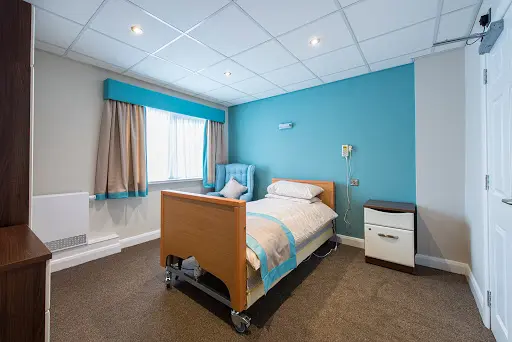
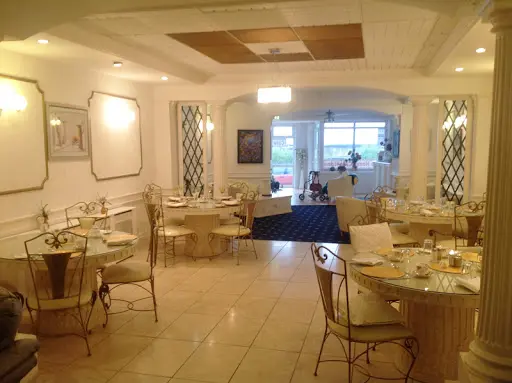
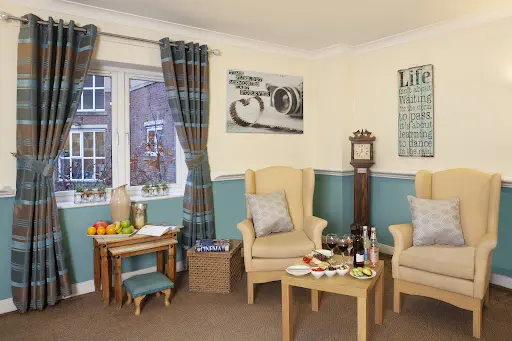
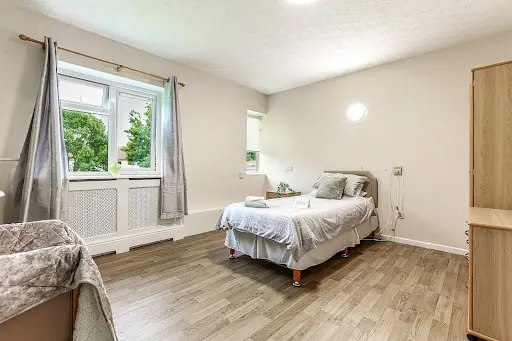
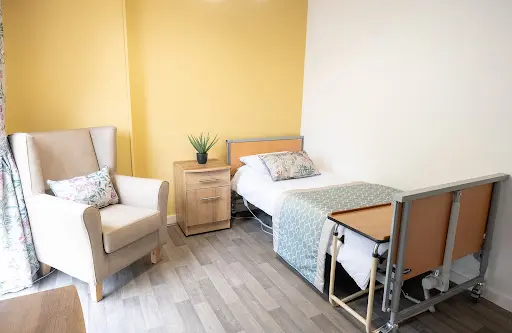
The kitchen serves freshly prepared meals with proper choice — the kind of food residents actually want to eat. Entertainment ranges from visiting performers to community outings, giving each day its own character. The home itself stays consistently clean and comfortable, creating spaces where residents feel settled rather than institutionalised.
“Sometimes the smallest details reveal the most — like seeing a resident's face light up when staff remember their favourite song.”
DCC does not edit or curate content in this tab. For independently curated information, see The Evidence and DCC Verdict.