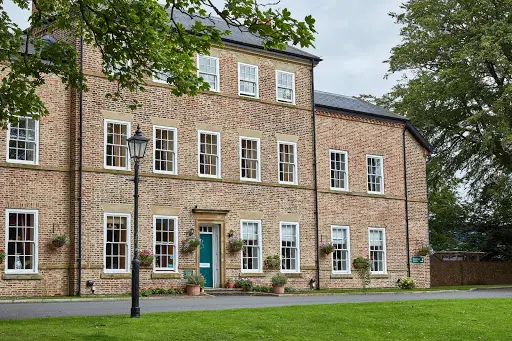
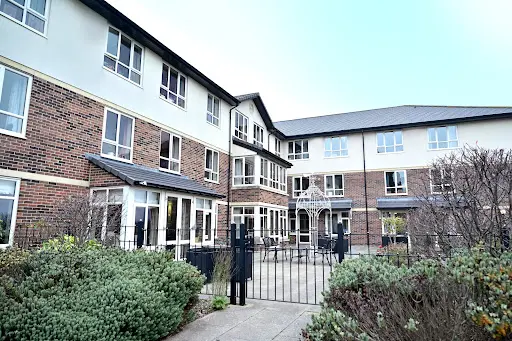
Aster Care Home

At a Glance
The information you need to decide whether this home warrants a closer look.
Nursing homes
Staff warmth score
of reviewers answered yes
Good to know
- Registered beds102
- SpecialismsCaring for adults over 65 yrs, Caring for adults under 65 yrs, Dementia, Learning disabilities, Mental health conditions, Physical disabilities, Substance misuse problems
- Last inspected2021-12-21
Save Aster Care Home to your shortlist
Keep a running list, add visit notes, and compare homes side-by-side. Free account — it takes a minute.
STAGE 4 — RESEARCHING CARE HOMES
Visit homes. Compare them side by side. Choose with confidence.
Most of us will view care homes the way we view houses, impression, atmosphere, the feeling in the corridor. We go home, try to remember what we saw, and make a permanent decision from a blurred memory.

The DCC shortlist gives every home you visit a structured record: the same twelve questions, answered the same way, every time. When you’re ready to choose, pull any two homes side by side and compare them directly. Same criteria, same evidence, your notes and your scores.
The Evidence
What the review data, the inspection reports, and the dementia-care evidence base tell us about this home.
What families say
Residents describe a community where everyone gets along, despite different backgrounds and needs. The atmosphere feels accepting, with people supporting each other through their individual journeys.
The eight family priority themes
- Staff warmth70
- Compassion & dignity70
- Cleanliness70
- Activities & engagement60
- Food quality60
- Healthcare68
- Management & leadership72
- Resident happiness65
What inspectors found
Inspected 2021-12-21
Is this home safe?
Is the care effective?
The Effective domain was rated Good at the November 2024 inspection. This domain covers whether staff have the training and knowledge to meet residents' needs, whether care plans are detailed and regularly reviewed, and whether residents have timely access to healthcare professionals including GPs and specialists. The published report does not describe specific training records, care plan content, or examples of healthcare coordination. Given the home's specialisms, including dementia, learning disabilities, and mental health conditions, the depth of staff training is a particularly important area for families to probe.Is this home caring?
The Caring domain was rated Good at the November 2024 inspection. This domain covers staff warmth, dignity, respect, and whether residents' independence is supported. No direct inspector observations, resident quotes, or relative testimonies are included in the published report. This absence makes it impossible to describe specific interactions that families could recognise and look for. The home serves a wide and complex resident group, and the quality of day-to-day caring interactions is the dimension families consistently rate as most important.Is the home responsive?
The Responsive domain was rated Good at the November 2024 inspection. This domain covers whether the home provides activities and engagement tailored to individual residents, whether complaints are handled well, and whether end-of-life care is planned and compassionate. The published report does not describe the activities programme, individual engagement for residents who cannot join groups, or end-of-life arrangements. For a home serving residents with dementia, learning disabilities, and mental health conditions, the range and adaptability of the activities offer is a significant quality indicator.Is the home well-led?
The Well-led domain was rated Good at the November 2024 inspection. A named registered manager, Mrs Julie Cattermole, is recorded as in post. The provider, Atlas Care Homes Limited, has a nominated individual, Mr Mohammad Afzal Ahmad, responsible for oversight. The home previously held a Requires Improvement rating, and the current Good rating across all domains suggests that leadership has driven meaningful change. The published report does not include specific observations about management visibility, staff culture, complaint handling, or how the home monitors and improves quality.
Source: CQC inspection report →
What the evidence base says
The home supports adults of all ages with complex needs including dementia, learning disabilities, mental health conditions, physical disabilities and substance misuse challenges. For those living with dementia, the staff show patience and understanding in their daily interactions. The home's experience with various conditions means they're equipped to handle the changing needs that dementia can bring. All areas worth probing directly during a visit.
The DCC Verdict
Our editorial view, built from the three lenses: what families tell us, what inspectors record, and how the home sits against good dementia-care practice.
DCC Family Score
Aster Care scores 72 out of 100, reflecting a genuine and encouraging improvement from its previous Requires Improvement rating to Good across all five domains. However, the published inspection report contains very little specific observational detail, which limits how confidently we can translate the findings into what daily life looks like for your parent.
Homes in North East typically score 68–82.The three-lens summary
What families tell us
Residents describe a community where everyone gets along, despite different backgrounds and needs. The atmosphere feels accepting, with people supporting each other through their individual journeys.
What inspectors have recorded
Staff here work hard to respond to individual needs, with residents describing them as friendly and attentive. They seem to understand when someone needs extra support or just a bit of space.
How it sits against good practice
Sometimes finding the right care setting takes time, but knowing there's a place that focuses on individual needs can make all the difference.
Worth a visit
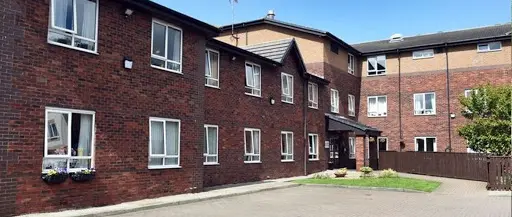
Aster Care at Belle Vue Grove, Middlesbrough, was assessed in November 2024 and the report was published in January 2025. Inspectors rated the home Good across all five domains, including Safe, Effective, Caring, Responsive, and Well-led. Importantly, the home had previously been rated Requires Improvement, so this represents a real upward shift. A named registered manager is in post, and the provider organisation has a nominated individual responsible for oversight. The honest limitation of this report is that the published text contains very little specific observational detail. No quotes from residents, relatives, or staff are included, and no specific examples of care practice, staffing arrangements, food, or activities are described. That means the Good rating is confirmed but the evidence behind it is not visible to families. Before visiting, prepare a list of questions drawn from the checklist above. On the visit itself, watch how staff interact with residents in corridors and communal areas, check whether the home smells clean and feels calm, and ask specifically about night staffing levels and how the home has sustained the improvements made since the previous Requires Improvement rating.
The three questions to ask when you visitSave this home. Compare it against your shortlist.
Let our analysis show you how Aster Care Home measures up against the other homes you’re considering. Free account.
In Their Own Words
How Aster Care Home describes itself — collected from its own website. DCC has not edited or independently verified the content in this tab.
A welcoming respite haven with dedicated staff who truly listen
Aster Care – Your Trusted nursing home
When you need a place that understands the importance of personal space and individual care, Aster Care in Middlesbrough offers something reassuring. This care home provides support for adults with a wide range of needs, from learning disabilities to mental health conditions. People who've stayed here talk about finding the refuge they needed, with staff who take time to understand what matters to each person.
Who they care for
The home supports adults of all ages with complex needs including dementia, learning disabilities, mental health conditions, physical disabilities and substance misuse challenges.
For those living with dementia, the staff show patience and understanding in their daily interactions. The home's experience with various conditions means they're equipped to handle the changing needs that dementia can bring.
“Sometimes finding the right care setting takes time, but knowing there's a place that focuses on individual needs can make all the difference.”
DCC does not edit or curate content in this tab. For independently curated information, see The Evidence and DCC Verdict.
The DCC Verdict
Our editorial view, built from the three lenses: what families tell us, what inspectors record, and how the home sits against good dementia-care practice.
DCC Family Score
Aster Care scores 72 out of 100, reflecting a genuine and encouraging improvement from its previous Requires Improvement rating to Good across all five domains. However, the published inspection report contains very little specific observational detail, which limits how confidently we can translate the findings into what daily life looks like for your parent.
Homes in North East typically score 68–82.The three-lens summary
What families tell us
Residents describe a community where everyone gets along, despite different backgrounds and needs. The atmosphere feels accepting, with people supporting each other through their individual journeys.
What inspectors have recorded
Staff here work hard to respond to individual needs, with residents describing them as friendly and attentive. They seem to understand when someone needs extra support or just a bit of space.
How it sits against good practice
Sometimes finding the right care setting takes time, but knowing there's a place that focuses on individual needs can make all the difference.
Worth a visit
Aster Care at Belle Vue Grove, Middlesbrough, was assessed in November 2024 and the report was published in January 2025. Inspectors rated the home Good across all five domains, including Safe, Effective, Caring, Responsive, and Well-led. Importantly, the home had previously been rated Requires Improvement, so this represents a real upward shift. A named registered manager is in post, and the provider organisation has a nominated individual responsible for oversight. The honest limitation of this report is that the published text contains very little specific observational detail. No quotes from residents, relatives, or staff are included, and no specific examples of care practice, staffing arrangements, food, or activities are described. That means the Good rating is confirmed but the evidence behind it is not visible to families. Before visiting, prepare a list of questions drawn from the checklist above. On the visit itself, watch how staff interact with residents in corridors and communal areas, check whether the home smells clean and feels calm, and ask specifically about night staffing levels and how the home has sustained the improvements made since the previous Requires Improvement rating.
The three questions to ask when you visitSave this home. Compare it against your shortlist.
Let our analysis show you how Aster Care Home measures up against the other homes you’re considering. Free account.
In Their Own Words
How Aster Care Home describes itself — collected from its own website. DCC has not edited or independently verified the content in this tab.
A welcoming respite haven with dedicated staff who truly listen
Aster Care – Your Trusted nursing home
When you need a place that understands the importance of personal space and individual care, Aster Care in Middlesbrough offers something reassuring. This care home provides support for adults with a wide range of needs, from learning disabilities to mental health conditions. People who've stayed here talk about finding the refuge they needed, with staff who take time to understand what matters to each person.
Who they care for
The home supports adults of all ages with complex needs including dementia, learning disabilities, mental health conditions, physical disabilities and substance misuse challenges.
For those living with dementia, the staff show patience and understanding in their daily interactions. The home's experience with various conditions means they're equipped to handle the changing needs that dementia can bring.
Management & ethos
Staff here work hard to respond to individual needs, with residents describing them as friendly and attentive. They seem to understand when someone needs extra support or just a bit of space.
The home & environment
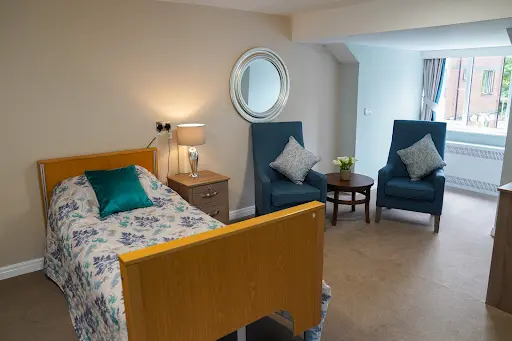
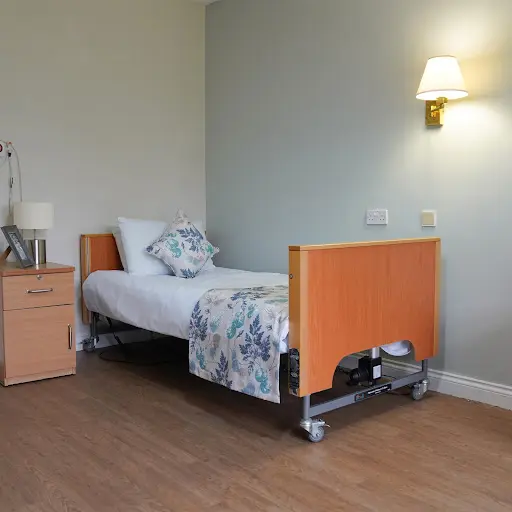
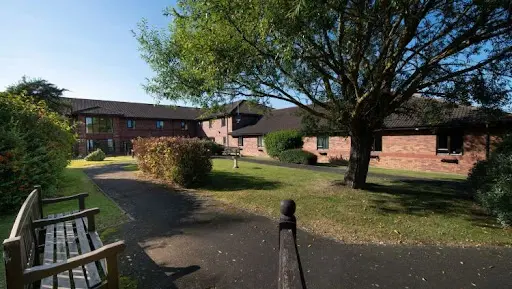
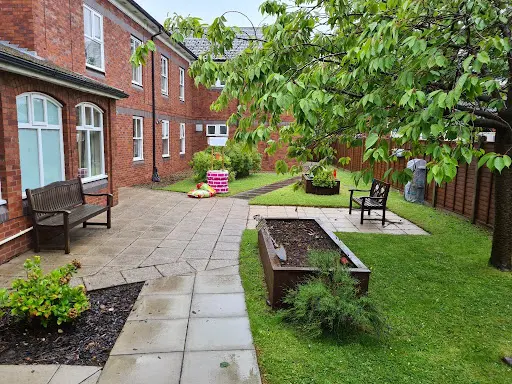
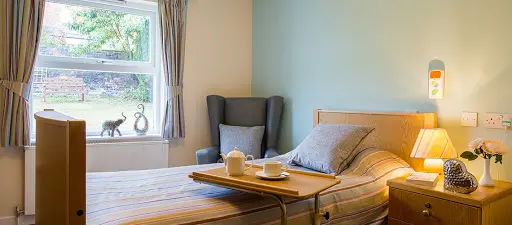
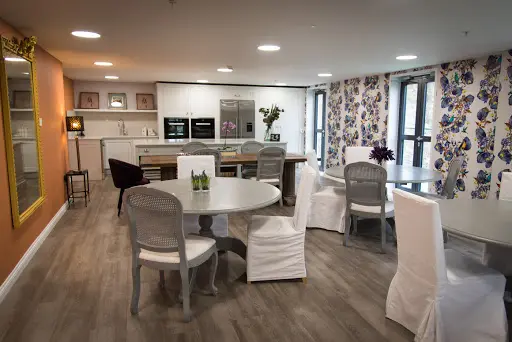
The home keeps everything fresh and clean, with regular housekeeping that residents really notice. Meals come in generous portions with enough variety to keep things interesting, and people appreciate having choices at mealtimes.
“Sometimes finding the right care setting takes time, but knowing there's a place that focuses on individual needs can make all the difference.”
DCC does not edit or curate content in this tab. For independently curated information, see The Evidence and DCC Verdict.