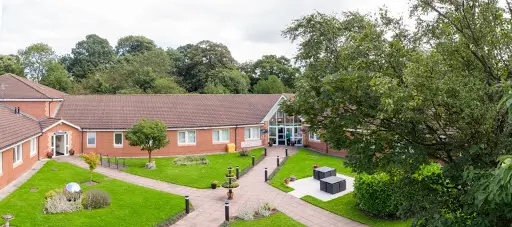
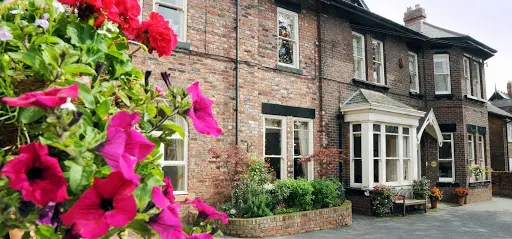
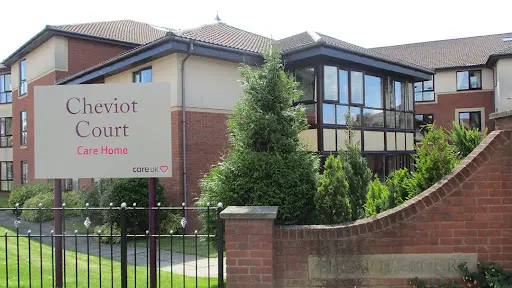
St. George’s Residential Care Home
At a Glance
The information you need to decide whether this home warrants a closer look.
Residential homes
Staff warmth score
of reviewers answered yes
Good to know
- Registered beds38
- SpecialismsCaring for adults over 65 yrs, Dementia
- Last inspected2023-05-19
Save St. George’s Residential Care Home to your shortlist
Keep a running list, add visit notes, and compare homes side-by-side. Free account — it takes a minute.
STAGE 4 — RESEARCHING CARE HOMES
Visit homes. Compare them side by side. Choose with confidence.
Most of us will view care homes the way we view houses, impression, atmosphere, the feeling in the corridor. We go home, try to remember what we saw, and make a permanent decision from a blurred memory.

The DCC shortlist gives every home you visit a structured record: the same twelve questions, answered the same way, every time. When you’re ready to choose, pull any two homes side by side and compare them directly. Same criteria, same evidence, your notes and your scores.
The Evidence
What the review data, the inspection reports, and the dementia-care evidence base tell us about this home.
What families say
Families talk about seeing their relatives engaged and content, participating in organised activities and outings that bring genuine enjoyment to their days. The sense of occupation and social connection seems to make a real difference, with relatives noticing positive changes they hadn't expected.
The eight family priority themes
- Staff warmth72
- Compassion & dignity72
- Cleanliness72
- Activities & engagement65
- Food quality65
- Healthcare70
- Management & leadership74
- Resident happiness70
What inspectors found
Inspected 2023-05-19
Is this home safe?
Is the care effective?
The Effective domain was rated Good at the May 2023 inspection. This domain covers training, care planning, healthcare access, nutrition, and how well the home applies its knowledge of each resident's needs. St Georges accepts people living with dementia, so dementia-specific training and personalised care plans are particularly relevant. The published summary does not describe the content of dementia training, the frequency of care plan reviews, or how the home manages GP access. A Good rating suggests these areas were broadly satisfactory at the time of inspection.Is this home caring?
The Caring domain was rated Good at the May 2023 inspection. This domain assesses how staff treat residents: whether they are kind, respectful, unhurried, and attentive to individual preferences. For people with dementia, this includes whether staff use preferred names, respond appropriately to distress, and support independence without taking over. The published inspection text does not include direct quotes from residents or relatives, nor specific inspector observations of interactions between staff and residents. The Good rating suggests inspectors did not identify significant concerns in this area.Is the home responsive?
The Responsive domain was rated Good at the May 2023 inspection. This domain covers whether the home tailors its care and activities to individual residents, responds promptly to changing needs, and supports people to maintain their identity and interests. The published text does not describe the activities programme, the availability of one-to-one support, or how the home involves residents and families in decisions. A Good rating indicates that inspectors did not find significant shortfalls in responsiveness at the time of the visit.Is the home well-led?
The Well-led domain was rated Good at the May 2023 inspection. The home is operated by Wellburn Care Homes Limited and has two named registered managers and a nominated individual recorded at the time of inspection. This structure suggests a degree of leadership oversight. The published summary does not describe the culture of the home, how staff are supported to raise concerns, or how the management team responds to incidents and complaints. A Good rating indicates inspectors found governance arrangements broadly satisfactory.
Source: CQC inspection report →
What the evidence base says
St Georges specialises in dementia care for adults over 65, with particular experience supporting those with Alzheimer's. The home focuses on creating an environment where residents with cognitive challenges can maintain dignity and quality of life. Families whose relatives have dementia or Alzheimer's speak of finding the specialist knowledge they were hoping for. The care approach seems to reduce anxiety for both residents and their families, with people noticing their loved ones becoming more settled and engaged than they'd been before the move. All areas worth probing directly during a visit.
The DCC Verdict
Our editorial view, built from the three lenses: what families tell us, what inspectors record, and how the home sits against good dementia-care practice.
DCC Family Score
St Georges Residential Home received a Good rating across all five inspection domains in May 2023, which is a positive baseline. However, the published inspection text provides limited specific detail, observations, and direct testimony, so scores sit in the mid-range rather than the top tier.
Homes in North East typically score 68–82.The three-lens summary
What families tell us
Families talk about seeing their relatives engaged and content, participating in organised activities and outings that bring genuine enjoyment to their days. The sense of occupation and social connection seems to make a real difference, with relatives noticing positive changes they hadn't expected.
What inspectors have recorded
What stands out in family feedback is the consistent professionalism of the staff — people describe them as respectful, attentive, and genuinely skilled in their approach to dementia care. There's a sense that staff understand both the practical and emotional aspects of what residents and families are going through.
How it sits against good practice
For families facing these decisions, hearing from others who've found what they needed here seems to bring genuine comfort.
Worth a visit
St Georges Residential Home, on Vigo Lane in Washington, was rated Good across all five inspection domains when assessed in May 2023. The home is run by Wellburn Care Homes Limited and supports up to 38 adults over 65, including people living with dementia. A Good rating in every domain is a solid result and indicates that inspectors found no significant failures in safety, care, training, responsiveness, or leadership at the time of the visit. The main limitation of this report is that the publicly available inspection text is brief and contains very little specific detail: no direct quotes from residents or relatives, no inspector observations of daily life, and no figures for staffing, activity provision, or food quality. That means families are working from a broadly positive but thin evidence base. Before visiting, prepare specific questions about night staffing numbers, how often agency staff are used, how care plans are reviewed, and what one-to-one support is available for residents who cannot join group activities. A visit at a mealtime or during an activity session will tell you more than any document.
The three questions to ask when you visitSave this home. Compare it against your shortlist.
Let our analysis show you how St. George’s Residential Care Home measures up against the other homes you’re considering. Free account.
In Their Own Words
How St. George’s Residential Care Home describes itself — collected from its own website. DCC has not edited or independently verified the content in this tab.
Where families find real reassurance for dementia care
St Georges Residential Home – Expert Care in Washington
When you're searching for dementia care that truly understands what your loved one needs, St Georges Residential Home in Washington offers something families consistently describe as genuinely reassuring. Families who've been through this difficult journey speak of finding confidence here — both in the specialist care their relatives receive and in the visible difference it makes to their wellbeing.
Who they care for
St Georges specialises in dementia care for adults over 65, with particular experience supporting those with Alzheimer's. The home focuses on creating an environment where residents with cognitive challenges can maintain dignity and quality of life.
Families whose relatives have dementia or Alzheimer's speak of finding the specialist knowledge they were hoping for. The care approach seems to reduce anxiety for both residents and their families, with people noticing their loved ones becoming more settled and engaged than they'd been before the move.
“For families facing these decisions, hearing from others who've found what they needed here seems to bring genuine comfort.”
DCC does not edit or curate content in this tab. For independently curated information, see The Evidence and DCC Verdict.
The DCC Verdict
Our editorial view, built from the three lenses: what families tell us, what inspectors record, and how the home sits against good dementia-care practice.
DCC Family Score
St Georges Residential Home received a Good rating across all five inspection domains in May 2023, which is a positive baseline. However, the published inspection text provides limited specific detail, observations, and direct testimony, so scores sit in the mid-range rather than the top tier.
Homes in North East typically score 68–82.The three-lens summary
What families tell us
Families talk about seeing their relatives engaged and content, participating in organised activities and outings that bring genuine enjoyment to their days. The sense of occupation and social connection seems to make a real difference, with relatives noticing positive changes they hadn't expected.
What inspectors have recorded
What stands out in family feedback is the consistent professionalism of the staff — people describe them as respectful, attentive, and genuinely skilled in their approach to dementia care. There's a sense that staff understand both the practical and emotional aspects of what residents and families are going through.
How it sits against good practice
For families facing these decisions, hearing from others who've found what they needed here seems to bring genuine comfort.
Worth a visit
St Georges Residential Home, on Vigo Lane in Washington, was rated Good across all five inspection domains when assessed in May 2023. The home is run by Wellburn Care Homes Limited and supports up to 38 adults over 65, including people living with dementia. A Good rating in every domain is a solid result and indicates that inspectors found no significant failures in safety, care, training, responsiveness, or leadership at the time of the visit. The main limitation of this report is that the publicly available inspection text is brief and contains very little specific detail: no direct quotes from residents or relatives, no inspector observations of daily life, and no figures for staffing, activity provision, or food quality. That means families are working from a broadly positive but thin evidence base. Before visiting, prepare specific questions about night staffing numbers, how often agency staff are used, how care plans are reviewed, and what one-to-one support is available for residents who cannot join group activities. A visit at a mealtime or during an activity session will tell you more than any document.
The three questions to ask when you visitSave this home. Compare it against your shortlist.
Let our analysis show you how St. George’s Residential Care Home measures up against the other homes you’re considering. Free account.
In Their Own Words
How St. George’s Residential Care Home describes itself — collected from its own website. DCC has not edited or independently verified the content in this tab.
Where families find real reassurance for dementia care
St Georges Residential Home – Expert Care in Washington
When you're searching for dementia care that truly understands what your loved one needs, St Georges Residential Home in Washington offers something families consistently describe as genuinely reassuring. Families who've been through this difficult journey speak of finding confidence here — both in the specialist care their relatives receive and in the visible difference it makes to their wellbeing.
Who they care for
St Georges specialises in dementia care for adults over 65, with particular experience supporting those with Alzheimer's. The home focuses on creating an environment where residents with cognitive challenges can maintain dignity and quality of life.
Families whose relatives have dementia or Alzheimer's speak of finding the specialist knowledge they were hoping for. The care approach seems to reduce anxiety for both residents and their families, with people noticing their loved ones becoming more settled and engaged than they'd been before the move.
Management & ethos
What stands out in family feedback is the consistent professionalism of the staff — people describe them as respectful, attentive, and genuinely skilled in their approach to dementia care. There's a sense that staff understand both the practical and emotional aspects of what residents and families are going through.
The home & environment
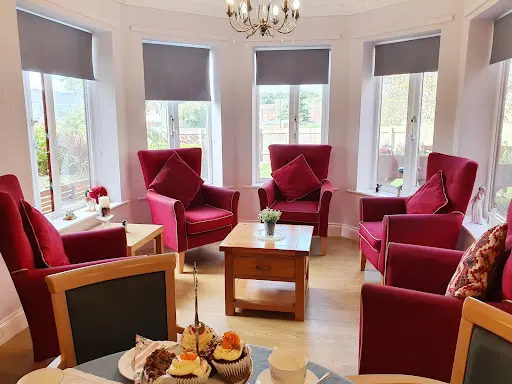
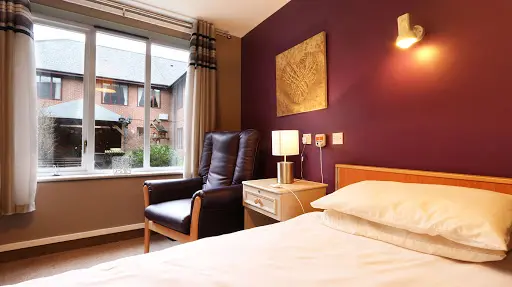
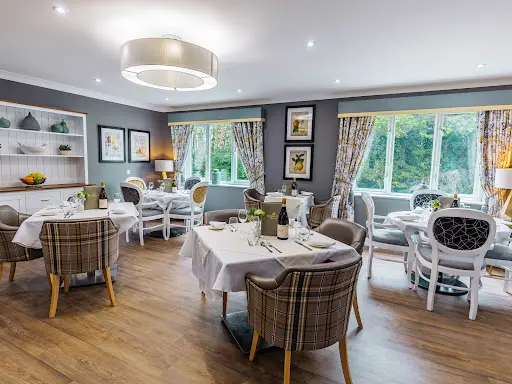
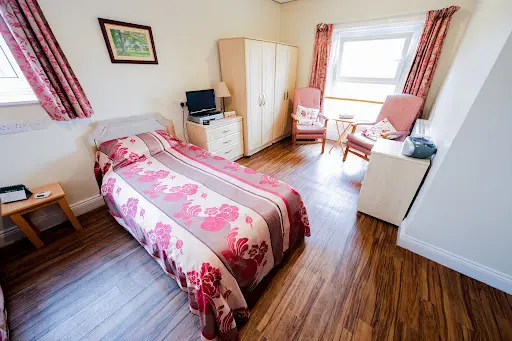
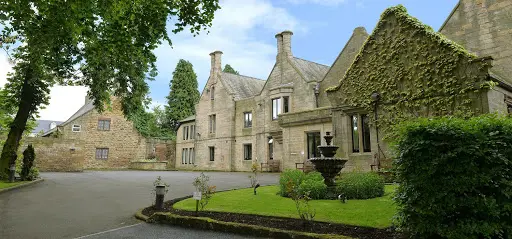
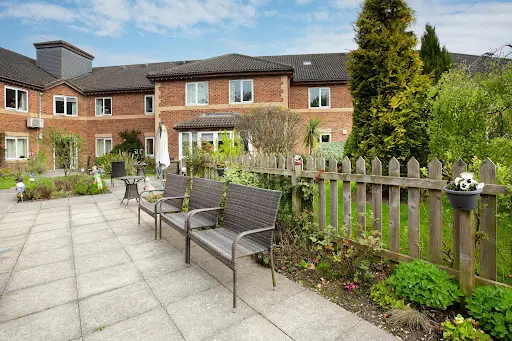
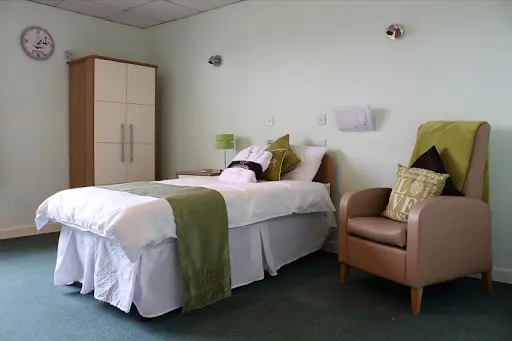
The physical environment at St Georges creates a comfortable backdrop for daily life, with pleasant surroundings and rooms that residents can settle into. The home's location in Washington makes it easy for families to visit regularly, which many find deeply reassuring as they watch their loved ones adapt and thrive.
“For families facing these decisions, hearing from others who've found what they needed here seems to bring genuine comfort.”
DCC does not edit or curate content in this tab. For independently curated information, see The Evidence and DCC Verdict.