Hampden Hall Care Centre
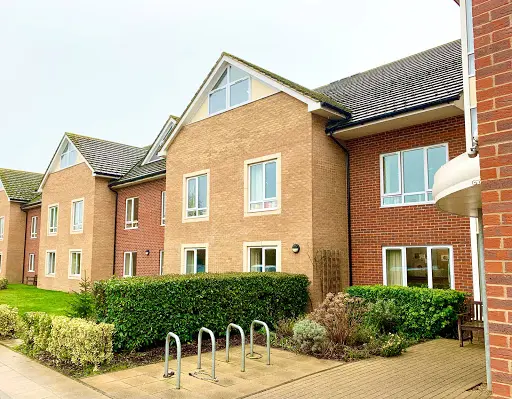
At a Glance
The information you need to decide whether this home warrants a closer look.
Nursing homes
Staff warmth score
of reviewers answered yes
Good to know
- Registered beds120
- SpecialismsCaring for adults over 65 yrs, Caring for adults under 65 yrs, Dementia, Physical disabilities, Sensory impairment
- Last inspected2021-10-12
Save Hampden Hall Care Centre to your shortlist
Keep a running list, add visit notes, and compare homes side-by-side. Free account — it takes a minute.
STAGE 4 — RESEARCHING CARE HOMES
Visit homes. Compare them side by side. Choose with confidence.
Most of us will view care homes the way we view houses, impression, atmosphere, the feeling in the corridor. We go home, try to remember what we saw, and make a permanent decision from a blurred memory.

The DCC shortlist gives every home you visit a structured record: the same twelve questions, answered the same way, every time. When you’re ready to choose, pull any two homes side by side and compare them directly. Same criteria, same evidence, your notes and your scores.
The Evidence
What the review data, the inspection reports, and the dementia-care evidence base tell us about this home.
What families say
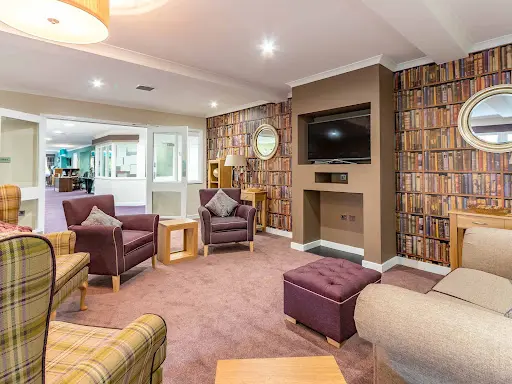
Families describe a warm welcome that goes beyond first impressions. Within hours of arrival, staff have typically learned residents' names and begun picking up on their preferences. The home maintains several different lounges, so residents can choose spaces that suit their mood, and the activity programme adapts to different abilities and interests.
The eight family priority themes
- Staff warmth72
- Compassion & dignity72
- Cleanliness70
- Activities & engagement65
- Food quality65
- Healthcare72
- Management & leadership75
- Resident happiness70
What inspectors found
Inspected 2021-10-12
Is this home safe?
Is the care effective?
The Effective domain was rated Good at the August 2021 inspection. This domain covers care planning, staff training, healthcare access, and food. Dementia is listed as a formal specialism, which means the home is registered to provide dementia-specific care and will have been assessed against that standard. No specific detail is available about the content of dementia training, how frequently care plans are reviewed, or how mealtimes are managed for people with swallowing difficulties or reduced appetite.Is this home caring?
The Caring domain was rated Good at the August 2021 inspection. This is the domain that most directly reflects how staff treat your parent day to day, covering warmth, dignity, respect, privacy, and independence. The published summary does not include any direct quotes from residents or relatives, and no specific inspector observations about interactions are recorded. The Good rating indicates inspectors were satisfied overall, but the detail behind that judgement is not available in the published text.Is the home responsive?
The Responsive domain was rated Good at the August 2021 inspection. This covers activities and engagement, how well the home responds to individual preferences, and end-of-life care planning. No specific activities, schedules, or examples of tailored individual engagement are described in the published summary. The home supports 120 residents across a range of needs including dementia, physical disabilities, and sensory impairment, which makes individually tailored programming both more important and more challenging to deliver consistently.Is the home well-led?
The Well-led domain was rated Good at the August 2021 inspection, improved from a previous Requires Improvement rating. Named leadership is confirmed: Miss Juliana Mensah is the registered manager and Dr Sanjiv Patel is the nominated individual. The home is operated by Westgate Healthcare (Aylesbury) Limited. The improvement across all five domains from the previous inspection is the strongest available evidence that leadership has driven meaningful change. No specific detail about management culture, staff empowerment, or governance processes is recorded in the published summary.
Source: CQC inspection report →
What the evidence base says
The centre provides care for adults both under and over 65, including those living with dementia, physical disabilities, and sensory impairments. For residents living with dementia, the team takes time to understand individual patterns and preferences. Staff adapt their approach based on each person's needs, helping maintain familiar routines where possible. All areas worth probing directly during a visit.
The DCC Verdict
Our editorial view, built from the three lenses: what families tell us, what inspectors record, and how the home sits against good dementia-care practice.
DCC Family Score
Hampden Hall Care Centre improved from Requires Improvement to Good across all five domains at its most recent inspection, which is a meaningful positive trend. However, the published inspection text provides limited specific detail, so scores reflect confirmed improvement without the granular evidence needed to rate higher.
Homes in South East typically score 68–82.The three-lens summary
What families tell us
Families describe a warm welcome that goes beyond first impressions. Within hours of arrival, staff have typically learned residents' names and begun picking up on their preferences. The home maintains several different lounges, so residents can choose spaces that suit their mood, and the activity programme adapts to different abilities and interests.
What inspectors have recorded
The care team stays in regular contact with families, providing updates and responding to any concerns that arise. Staff coordinate medical appointments and work closely with healthcare professionals to ensure continuity of care. When families need to reach the home urgently, management makes themselves available even outside standard hours.
How it sits against good practice
It's worth visiting to see how the different spaces work and meet the team who'd be caring for your loved one.
Worth a visit
Hampden Hall Care Centre, on Tamarisk Way in Aylesbury, was rated Good across all five inspection domains at its most recent inspection in August 2021. This is a notable improvement: the home had previously been rated Requires Improvement, meaning inspectors found real, measurable progress. With 120 beds and specialisms covering dementia, physical disabilities, and sensory impairment, it is a large home with a broad remit. Named leadership is in place, with a registered manager and a nominated individual both identified. The main limitation of this report is that the published inspection text is a summary only, with very little specific detail about what inspectors actually saw, heard, or recorded. The Good ratings are credible and the upward trend is encouraging, but no direct quotes, specific observations, or individual examples are available to help you build a picture of daily life. Before making a decision, visit the home in person. Ask to walk a dementia unit corridor at a mealtime, watch how staff interact with residents who are not joining in group activities, and request to see last week's actual staffing rota, not just the template, so you can see night shift numbers and how much agency cover is used.
The three questions to ask when you visitSave this home. Compare it against your shortlist.
Let our analysis show you how Hampden Hall Care Centre measures up against the other homes you’re considering. Free account.
In Their Own Words
How Hampden Hall Care Centre describes itself — collected from its own website. DCC has not edited or independently verified the content in this tab.
Where settling in feels natural and care adapts to you
Compassionate Care in Aylesbury at Hampden Hall Care Centre
When families visit Hampden Hall Care Centre in Aylesbury, they often comment on how quickly their loved ones settle into daily life. The care team here seems to have a knack for learning what matters to each resident — from meal preferences to favourite activities — and building routines around those individual needs.
Who they care for
The centre provides care for adults both under and over 65, including those living with dementia, physical disabilities, and sensory impairments.
For residents living with dementia, the team takes time to understand individual patterns and preferences. Staff adapt their approach based on each person's needs, helping maintain familiar routines where possible.
“It's worth visiting to see how the different spaces work and meet the team who'd be caring for your loved one.”
DCC does not edit or curate content in this tab. For independently curated information, see The Evidence and DCC Verdict.
The DCC Verdict
Our editorial view, built from the three lenses: what families tell us, what inspectors record, and how the home sits against good dementia-care practice.
DCC Family Score
Hampden Hall Care Centre improved from Requires Improvement to Good across all five domains at its most recent inspection, which is a meaningful positive trend. However, the published inspection text provides limited specific detail, so scores reflect confirmed improvement without the granular evidence needed to rate higher.
Homes in South East typically score 68–82.The three-lens summary
What families tell us
Families describe a warm welcome that goes beyond first impressions. Within hours of arrival, staff have typically learned residents' names and begun picking up on their preferences. The home maintains several different lounges, so residents can choose spaces that suit their mood, and the activity programme adapts to different abilities and interests.
What inspectors have recorded
The care team stays in regular contact with families, providing updates and responding to any concerns that arise. Staff coordinate medical appointments and work closely with healthcare professionals to ensure continuity of care. When families need to reach the home urgently, management makes themselves available even outside standard hours.
How it sits against good practice
It's worth visiting to see how the different spaces work and meet the team who'd be caring for your loved one.
Worth a visit
Hampden Hall Care Centre, on Tamarisk Way in Aylesbury, was rated Good across all five inspection domains at its most recent inspection in August 2021. This is a notable improvement: the home had previously been rated Requires Improvement, meaning inspectors found real, measurable progress. With 120 beds and specialisms covering dementia, physical disabilities, and sensory impairment, it is a large home with a broad remit. Named leadership is in place, with a registered manager and a nominated individual both identified. The main limitation of this report is that the published inspection text is a summary only, with very little specific detail about what inspectors actually saw, heard, or recorded. The Good ratings are credible and the upward trend is encouraging, but no direct quotes, specific observations, or individual examples are available to help you build a picture of daily life. Before making a decision, visit the home in person. Ask to walk a dementia unit corridor at a mealtime, watch how staff interact with residents who are not joining in group activities, and request to see last week's actual staffing rota, not just the template, so you can see night shift numbers and how much agency cover is used.
The three questions to ask when you visitSave this home. Compare it against your shortlist.
Let our analysis show you how Hampden Hall Care Centre measures up against the other homes you’re considering. Free account.
In Their Own Words
How Hampden Hall Care Centre describes itself — collected from its own website. DCC has not edited or independently verified the content in this tab.
Where settling in feels natural and care adapts to you
Compassionate Care in Aylesbury at Hampden Hall Care Centre
When families visit Hampden Hall Care Centre in Aylesbury, they often comment on how quickly their loved ones settle into daily life. The care team here seems to have a knack for learning what matters to each resident — from meal preferences to favourite activities — and building routines around those individual needs.
Who they care for
The centre provides care for adults both under and over 65, including those living with dementia, physical disabilities, and sensory impairments.
For residents living with dementia, the team takes time to understand individual patterns and preferences. Staff adapt their approach based on each person's needs, helping maintain familiar routines where possible.
Management & ethos
The care team stays in regular contact with families, providing updates and responding to any concerns that arise. Staff coordinate medical appointments and work closely with healthcare professionals to ensure continuity of care. When families need to reach the home urgently, management makes themselves available even outside standard hours.
The home & environment
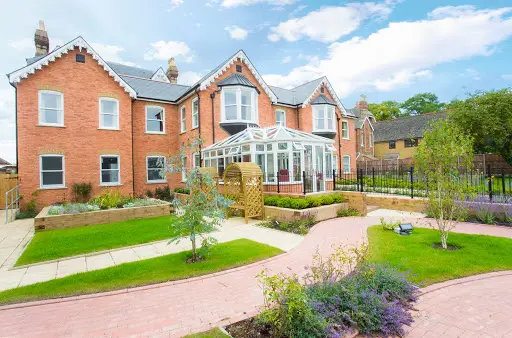
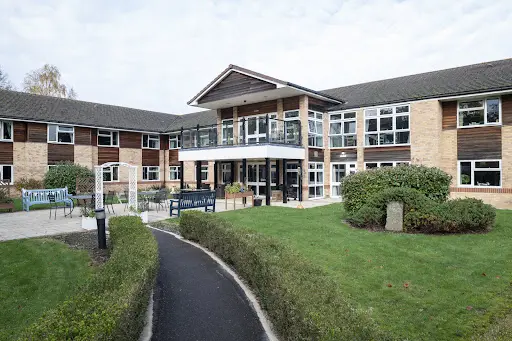
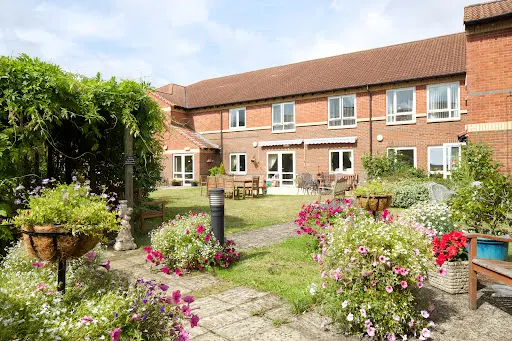
The centre keeps its spaces clean and well-maintained, with functioning outdoor areas where residents can spend time when weather permits. There's regular entertainment and structured activities throughout the week, plus visiting professionals who provide fitness support. Meals are prepared with individual dietary needs in mind, whether that's texture modifications or specific nutritional requirements.
“It's worth visiting to see how the different spaces work and meet the team who'd be caring for your loved one.”
DCC does not edit or curate content in this tab. For independently curated information, see The Evidence and DCC Verdict.