The Willows Care Home

At a Glance
The information you need to decide whether this home warrants a closer look.
Nursing homes
Staff warmth score
of reviewers answered yes
Good to know
- Registered beds130
- SpecialismsCaring for adults over 65 yrs, Caring for adults under 65 yrs, Dementia
- Last inspected2023-04-12
Save The Willows Care Home to your shortlist
Keep a running list, add visit notes, and compare homes side-by-side. Free account — it takes a minute.
STAGE 4 — RESEARCHING CARE HOMES
Visit homes. Compare them side by side. Choose with confidence.
Most of us will view care homes the way we view houses, impression, atmosphere, the feeling in the corridor. We go home, try to remember what we saw, and make a permanent decision from a blurred memory.

The DCC shortlist gives every home you visit a structured record: the same twelve questions, answered the same way, every time. When you’re ready to choose, pull any two homes side by side and compare them directly. Same criteria, same evidence, your notes and your scores.
The Evidence
What the review data, the inspection reports, and the dementia-care evidence base tell us about this home.
What families say
Families often mention the warm greetings they receive when visiting. There's a sense of genuine friendliness from staff who take time to smile and chat. Throughout the day, you'll find residents enjoying organized activities, music sessions, and visits from pets that bring real joy to the home.
The eight family priority themes
- Staff warmth55
- Compassion & dignity45
- Cleanliness65
- Activities & engagement60
- Food quality55
- Healthcare65
- Management & leadership70
- Resident happiness55
What inspectors found
Inspected 2023-04-12
Is this home safe?
Is the care effective?
The Effective domain was rated Good. This domain covers whether staff have the skills and knowledge to meet your parent's needs, including dementia training, care plan quality, and access to healthcare. The home lists dementia as a specialism. No specific detail about training content, care plan review frequency, or GP access arrangements is recorded in the published summary. The Effective rating suggests a baseline standard was met, but the depth of dementia-specific practice cannot be confirmed from the available findings.Is this home caring?
The Caring domain was rated Requires Improvement at the December 2024 inspection. This is the only domain where the home did not meet the required standard. Caring covers whether staff are kind and compassionate, whether your parent's privacy and dignity are respected, and whether they are supported to be as independent as possible. The published summary does not detail the specific concerns that led to this rating, which makes it essential to ask the manager directly what was found and what has changed since December 2024.Is the home responsive?
The Responsive domain was rated Good. This domain covers whether care is tailored to the individual, whether activities are meaningful, and whether the home responds to complaints and end-of-life needs. No specific detail about the activity programme, one-to-one engagement, or complaint handling is recorded in the published summary. The home provides care for people living with dementia, for whom responsive, individualised activity is particularly important given that group activities may not suit everyone.Is the home well-led?
The Well-led domain was rated Good. The registered manager is Mr Sahr Moseray, and the nominated individual is Mrs Sam Manning, both named in the published report. A Good rating in Well-led indicates inspectors were satisfied with governance, accountability, and the culture of the home. No specific detail about manager tenure, staff empowerment, or learning from incidents is recorded in the available summary. The home has been inspected five times since registration.
Source: CQC inspection report →
What the evidence base says
The Willows provides specialist dementia care alongside support for adults both over and under 65. This range means they work with people at different life stages and with varying needs. For those living with dementia, the home focuses on maintaining dignity and encouraging participation in daily life. The activity program helps residents stay engaged and connected. All areas worth probing directly during a visit.
The DCC Verdict
Our editorial view, built from the three lenses: what families tell us, what inspectors record, and how the home sits against good dementia-care practice.
DCC Family Score
The Willows Care Home scores 71 out of 100, reflecting a broadly positive inspection outcome in most areas but held back by a Requires Improvement rating for Caring, which covers the themes families weight most heavily: staff warmth and compassion toward your parent.
Homes in South East typically score 68–82.The three-lens summary
What families tell us
Families often mention the warm greetings they receive when visiting. There's a sense of genuine friendliness from staff who take time to smile and chat. Throughout the day, you'll find residents enjoying organized activities, music sessions, and visits from pets that bring real joy to the home.
What inspectors have recorded
Staff here tend to stay, building those crucial relationships that make such a difference to residents' wellbeing. Families have found the team approachable and willing to keep them updated about their loved ones. While there have been concerns raised about care standards in some cases, many families speak of compassionate support, particularly during end-of-life care.
How it sits against good practice
Every family's journey is different, and finding the right fit takes careful consideration.
Worth a visit
The Willows Care Home in Milton Keynes was assessed on 30 December 2024, with the report published on 9 April 2025. It is a large 130-bed nursing home caring for older adults and people living with dementia. Four of its five inspection domains, Safe, Effective, Responsive, and Well-led, were rated Good. The registered manager and nominated individual are named in the report, indicating clear accountability at the top of the organisation. The area that requires your closest attention is the Caring domain, which was rated Requires Improvement. This domain covers how staff treat your parent day to day: whether they are kind, unhurried, and respectful of privacy and dignity. It is the single most important domain for families in our review data, with staff warmth and compassion mentioned in over half of all positive reviews. Before you make a decision, visit at an unannounced time, observe how staff interact with residents in corridors and communal areas, and ask the manager specifically what actions have been taken since the inspection to address the Caring rating.
The three questions to ask when you visitSave this home. Compare it against your shortlist.
Let our analysis show you how The Willows Care Home measures up against the other homes you’re considering. Free account.
In Their Own Words
How The Willows Care Home describes itself — collected from its own website. DCC has not edited or independently verified the content in this tab.
Where kindness meets careful attention in Milton Keynes
The Willows Care Home – Expert Care in Milton Keynes
Finding somewhere that truly understands your loved one takes time and trust. The Willows Care Home in Milton Keynes has built its reputation through years of helping families navigate difficult transitions. Set in the South East, this established home specializes in supporting people with dementia alongside general care for adults over and under 65.
Who they care for
The Willows provides specialist dementia care alongside support for adults both over and under 65. This range means they work with people at different life stages and with varying needs.
For those living with dementia, the home focuses on maintaining dignity and encouraging participation in daily life. The activity program helps residents stay engaged and connected.
“Every family's journey is different, and finding the right fit takes careful consideration.”
DCC does not edit or curate content in this tab. For independently curated information, see The Evidence and DCC Verdict.
The DCC Verdict
Our editorial view, built from the three lenses: what families tell us, what inspectors record, and how the home sits against good dementia-care practice.
DCC Family Score
The Willows Care Home scores 71 out of 100, reflecting a broadly positive inspection outcome in most areas but held back by a Requires Improvement rating for Caring, which covers the themes families weight most heavily: staff warmth and compassion toward your parent.
Homes in South East typically score 68–82.The three-lens summary
What families tell us
Families often mention the warm greetings they receive when visiting. There's a sense of genuine friendliness from staff who take time to smile and chat. Throughout the day, you'll find residents enjoying organized activities, music sessions, and visits from pets that bring real joy to the home.
What inspectors have recorded
Staff here tend to stay, building those crucial relationships that make such a difference to residents' wellbeing. Families have found the team approachable and willing to keep them updated about their loved ones. While there have been concerns raised about care standards in some cases, many families speak of compassionate support, particularly during end-of-life care.
How it sits against good practice
Every family's journey is different, and finding the right fit takes careful consideration.
Worth a visit
The Willows Care Home in Milton Keynes was assessed on 30 December 2024, with the report published on 9 April 2025. It is a large 130-bed nursing home caring for older adults and people living with dementia. Four of its five inspection domains, Safe, Effective, Responsive, and Well-led, were rated Good. The registered manager and nominated individual are named in the report, indicating clear accountability at the top of the organisation. The area that requires your closest attention is the Caring domain, which was rated Requires Improvement. This domain covers how staff treat your parent day to day: whether they are kind, unhurried, and respectful of privacy and dignity. It is the single most important domain for families in our review data, with staff warmth and compassion mentioned in over half of all positive reviews. Before you make a decision, visit at an unannounced time, observe how staff interact with residents in corridors and communal areas, and ask the manager specifically what actions have been taken since the inspection to address the Caring rating.
The three questions to ask when you visitSave this home. Compare it against your shortlist.
Let our analysis show you how The Willows Care Home measures up against the other homes you’re considering. Free account.
In Their Own Words
How The Willows Care Home describes itself — collected from its own website. DCC has not edited or independently verified the content in this tab.
Where kindness meets careful attention in Milton Keynes
The Willows Care Home – Expert Care in Milton Keynes
Finding somewhere that truly understands your loved one takes time and trust. The Willows Care Home in Milton Keynes has built its reputation through years of helping families navigate difficult transitions. Set in the South East, this established home specializes in supporting people with dementia alongside general care for adults over and under 65.
Who they care for
The Willows provides specialist dementia care alongside support for adults both over and under 65. This range means they work with people at different life stages and with varying needs.
For those living with dementia, the home focuses on maintaining dignity and encouraging participation in daily life. The activity program helps residents stay engaged and connected.
Management & ethos
Staff here tend to stay, building those crucial relationships that make such a difference to residents' wellbeing. Families have found the team approachable and willing to keep them updated about their loved ones. While there have been concerns raised about care standards in some cases, many families speak of compassionate support, particularly during end-of-life care.
The home & environment
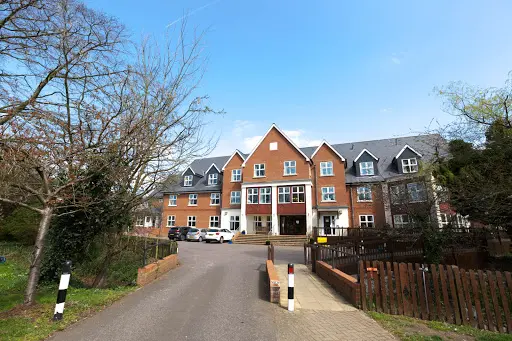
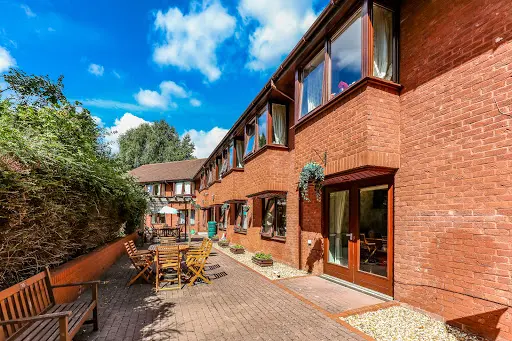
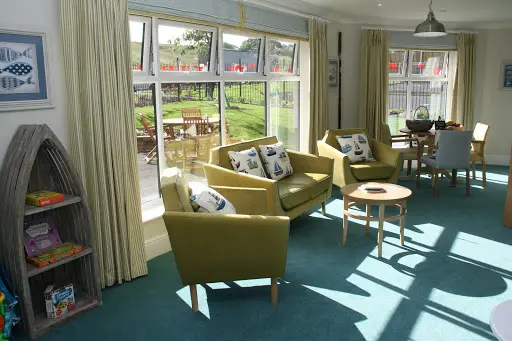
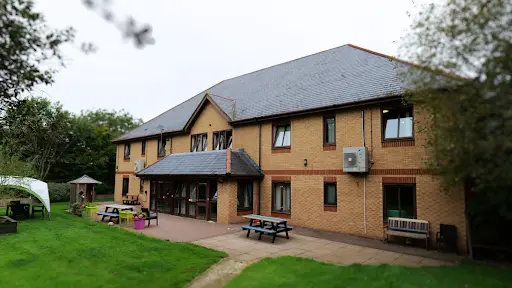
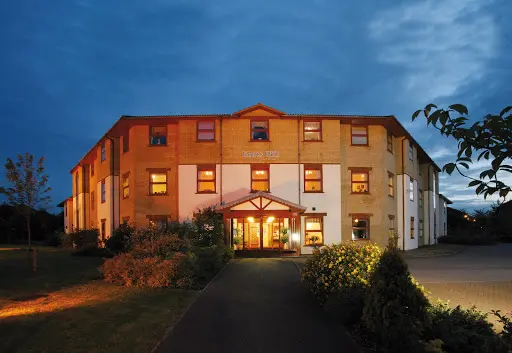
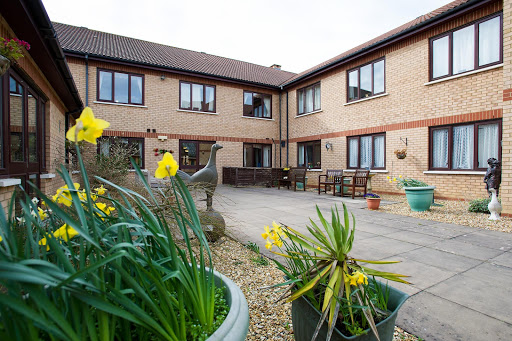
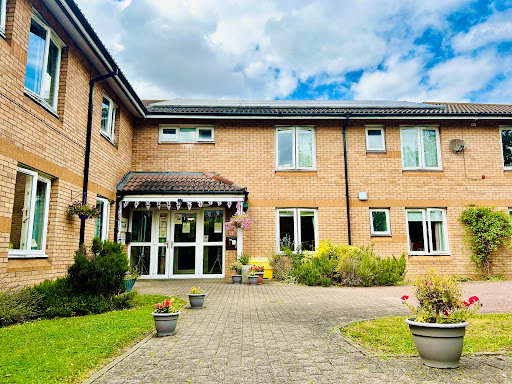
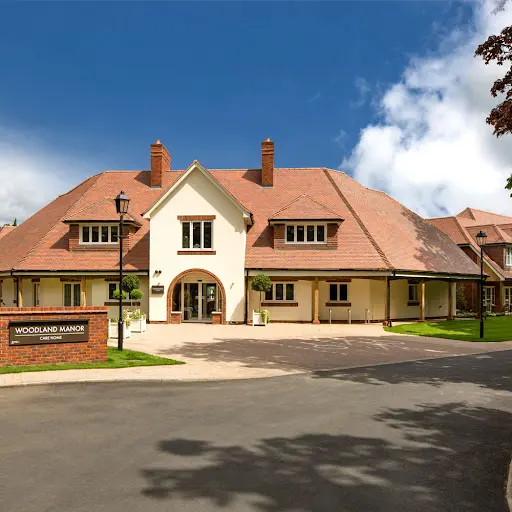
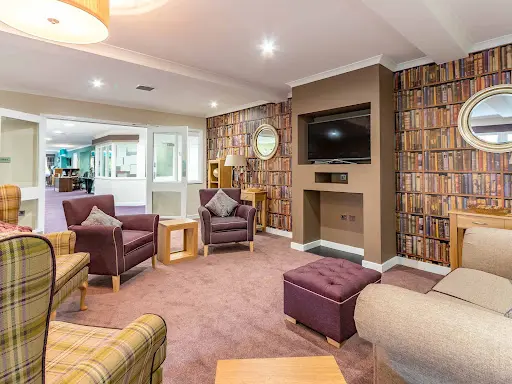
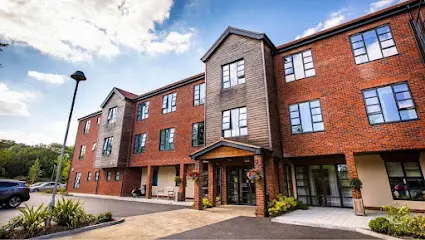
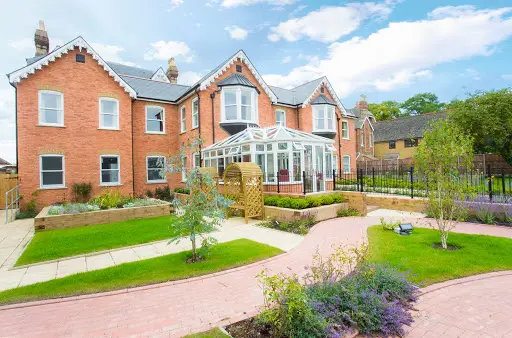
The home maintains high cleanliness standards that families and professionals alike have noticed. Bright, well-kept spaces create a pleasant environment for residents and visitors. The attention to maintenance shows in the details that make daily life more comfortable.
“Every family's journey is different, and finding the right fit takes careful consideration.”
DCC does not edit or curate content in this tab. For independently curated information, see The Evidence and DCC Verdict.