Castlemead Court Care Home
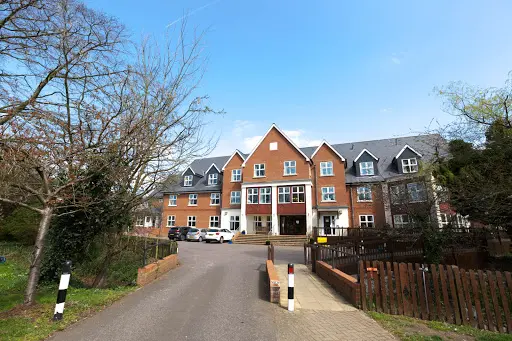
At a Glance
The information you need to decide whether this home warrants a closer look.
Nursing homes
Staff warmth score
of reviewers answered yes
Good to know
- Registered beds79
- SpecialismsCaring for adults over 65 yrs, Caring for adults under 65 yrs, Dementia
- Last inspected2020-02-06
Save Castlemead Court Care Home to your shortlist
Keep a running list, add visit notes, and compare homes side-by-side. Free account — it takes a minute.
STAGE 4 — RESEARCHING CARE HOMES
Visit homes. Compare them side by side. Choose with confidence.
Most of us will view care homes the way we view houses, impression, atmosphere, the feeling in the corridor. We go home, try to remember what we saw, and make a permanent decision from a blurred memory.

The DCC shortlist gives every home you visit a structured record: the same twelve questions, answered the same way, every time. When you’re ready to choose, pull any two homes side by side and compare them directly. Same criteria, same evidence, your notes and your scores.
The Evidence
What the review data, the inspection reports, and the dementia-care evidence base tell us about this home.
What families say
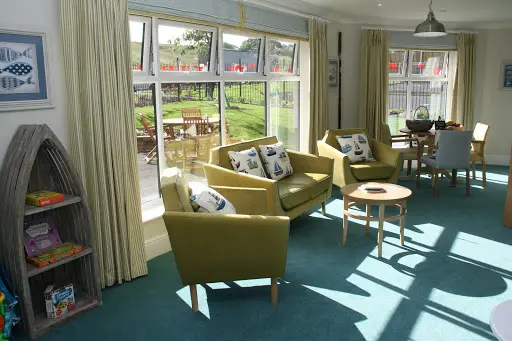
Families talk about the brightness here — not just the physical spaces after recent refurbishment, but the whole atmosphere. Residents join in with visiting community groups, head out on regular trips, and take part in arts activities that keep days interesting. What comes through most strongly is how staff take time with each person, especially during those moments when extra patience makes all the difference.
The eight family priority themes
- Staff warmth72
- Compassion & dignity72
- Cleanliness70
- Activities & engagement60
- Food quality58
- Healthcare70
- Management & leadership75
- Resident happiness68
What inspectors found
Inspected 2020-02-06
Is this home safe?
Is the care effective?
The Effective domain was rated Good at the October 2020 inspection. This domain covers staff training, care planning, healthcare access, nutrition, and how well the home meets the specific needs of people with dementia. The home is registered as a dementia specialist and is also registered to treat disease, disorder, or injury, meaning nursing care is available on site. No specific detail about dementia training content, care plan review frequency, or GP access arrangements is included in the published summary.Is this home caring?
The Caring domain was rated Good at the October 2020 inspection. This domain is where inspectors assess whether staff treat the people in their care with warmth, dignity, and genuine respect. It also covers how well the home supports independence and responds to emotional needs. No direct quotes from residents or relatives are included in the published summary, and no specific observations of staff interactions are recorded.Is the home responsive?
The Responsive domain was rated Good at the October 2020 inspection. This domain assesses whether the home meets people's individual needs, including through meaningful activities, a flexible daily routine, and appropriate end-of-life care planning. The home's dementia specialism means it is expected to provide activities and engagement suited to people at different stages of dementia, including those who can no longer participate in group programmes. No detail about the activities programme, activity staffing, or end-of-life planning is included in the published summary.Is the home well-led?
The Well-led domain was rated Good at the October 2020 inspection, up from a previous Requires Improvement. The inspection names both a registered manager (Ms Grace Madenyika) and a nominated individual (Mrs Sam Manning), indicating a defined leadership structure. The improvement from Requires Improvement across all five domains in a single inspection cycle suggests the leadership team identified problems and acted on them effectively. No detail about governance processes, staff culture, or family involvement in service development is included in the published summary.
Source: CQC inspection report →
What the evidence base says
The home cares for adults both under and over 65, with particular experience in dementia care. The environment and approach here work well for people living with dementia. Staff show patience around mealtimes and mobility, understanding that these daily moments need gentle support. The physical layout helps too, designed with dementia in mind. All areas worth probing directly during a visit.
The DCC Verdict
Our editorial view, built from the three lenses: what families tell us, what inspectors record, and how the home sits against good dementia-care practice.
DCC Family Score
Castlemead Court Care Home scores 72 out of 100, reflecting a solid Good rating across all five inspection domains and a meaningful improvement from a previous Requires Improvement rating. The score is held back by limited specific detail in the published inspection text, meaning several important areas cannot be independently verified from the report alone.
Homes in South East typically score 68–82.The three-lens summary
What families tell us
Families talk about the brightness here — not just the physical spaces after recent refurbishment, but the whole atmosphere. Residents join in with visiting community groups, head out on regular trips, and take part in arts activities that keep days interesting. What comes through most strongly is how staff take time with each person, especially during those moments when extra patience makes all the difference.
What inspectors have recorded
Staff here seem to understand that good care means keeping families involved. They consult on care plans, share updates when things change, and make relatives feel welcome whenever they visit. Professional visitors notice the positive atmosphere among the team — staff who engage willingly and maintain their patience even when days get stretched with complex resident needs.
How it sits against good practice
It's worth noting that while most families speak positively about care here, one recent account raised concerns about staff attention — something to explore when you visit.
Worth a visit
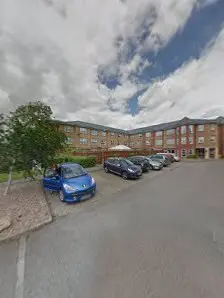
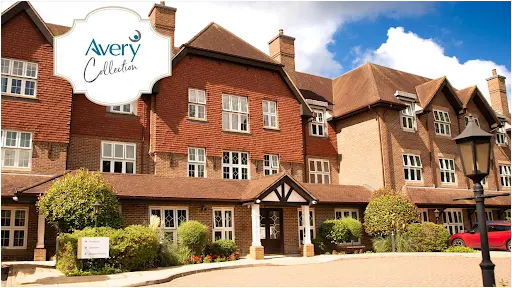
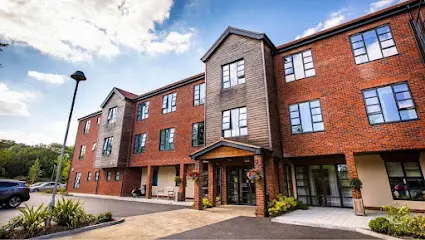
Castlemead Court Care Home, on Wolverton Road in Milton Keynes, was rated Good across all five inspection domains at its last published inspection in October 2020. That rating represented a genuine improvement from a previous Requires Improvement verdict, and the regulator reviewed available data in July 2023 and found no reason to change the rating. The home provides nursing care and specialises in dementia, with 79 beds serving both older adults and adults under 65. The main limitation of this report is that the published inspection text is brief and contains very little specific detail about what inspectors actually observed: no direct quotes from residents or relatives, no recorded observations of staff interactions, and no figures for staffing levels or agency use. The Good rating is meaningful, especially given the upward trend, but it tells you the floor rather than the ceiling. Before making a decision, visit in person at a mealtime, ask to see last month's actual staffing rotas (not the template), and ask specifically how many permanent care staff are on the dementia unit after 8pm.
The three questions to ask when you visitSave this home. Compare it against your shortlist.
Let our analysis show you how Castlemead Court Care Home measures up against the other homes you’re considering. Free account.
In Their Own Words
How Castlemead Court Care Home describes itself — collected from its own website. DCC has not edited or independently verified the content in this tab.
Where patience meets genuine care in Milton Keynes
Nursing home in Milton Keynes: True Peace of Mind
When families describe watching their loved ones relax into care, you know something special is happening. Castlemead Court Care Home in Milton Keynes creates that kind of environment — where residents with dementia find understanding, where complex needs are met with patience, and where the atmosphere feels genuinely welcoming. It's the kind of place where families notice real differences in their relatives' wellbeing.
Who they care for
The home cares for adults both under and over 65, with particular experience in dementia care.
The environment and approach here work well for people living with dementia. Staff show patience around mealtimes and mobility, understanding that these daily moments need gentle support. The physical layout helps too, designed with dementia in mind.
“It's worth noting that while most families speak positively about care here, one recent account raised concerns about staff attention — something to explore when you visit.”
DCC does not edit or curate content in this tab. For independently curated information, see The Evidence and DCC Verdict.
The DCC Verdict
Our editorial view, built from the three lenses: what families tell us, what inspectors record, and how the home sits against good dementia-care practice.
DCC Family Score
Castlemead Court Care Home scores 72 out of 100, reflecting a solid Good rating across all five inspection domains and a meaningful improvement from a previous Requires Improvement rating. The score is held back by limited specific detail in the published inspection text, meaning several important areas cannot be independently verified from the report alone.
Homes in South East typically score 68–82.The three-lens summary
What families tell us
Families talk about the brightness here — not just the physical spaces after recent refurbishment, but the whole atmosphere. Residents join in with visiting community groups, head out on regular trips, and take part in arts activities that keep days interesting. What comes through most strongly is how staff take time with each person, especially during those moments when extra patience makes all the difference.
What inspectors have recorded
Staff here seem to understand that good care means keeping families involved. They consult on care plans, share updates when things change, and make relatives feel welcome whenever they visit. Professional visitors notice the positive atmosphere among the team — staff who engage willingly and maintain their patience even when days get stretched with complex resident needs.
How it sits against good practice
It's worth noting that while most families speak positively about care here, one recent account raised concerns about staff attention — something to explore when you visit.
Worth a visit
Castlemead Court Care Home, on Wolverton Road in Milton Keynes, was rated Good across all five inspection domains at its last published inspection in October 2020. That rating represented a genuine improvement from a previous Requires Improvement verdict, and the regulator reviewed available data in July 2023 and found no reason to change the rating. The home provides nursing care and specialises in dementia, with 79 beds serving both older adults and adults under 65. The main limitation of this report is that the published inspection text is brief and contains very little specific detail about what inspectors actually observed: no direct quotes from residents or relatives, no recorded observations of staff interactions, and no figures for staffing levels or agency use. The Good rating is meaningful, especially given the upward trend, but it tells you the floor rather than the ceiling. Before making a decision, visit in person at a mealtime, ask to see last month's actual staffing rotas (not the template), and ask specifically how many permanent care staff are on the dementia unit after 8pm.
The three questions to ask when you visitSave this home. Compare it against your shortlist.
Let our analysis show you how Castlemead Court Care Home measures up against the other homes you’re considering. Free account.
In Their Own Words
How Castlemead Court Care Home describes itself — collected from its own website. DCC has not edited or independently verified the content in this tab.
Where patience meets genuine care in Milton Keynes
Nursing home in Milton Keynes: True Peace of Mind
When families describe watching their loved ones relax into care, you know something special is happening. Castlemead Court Care Home in Milton Keynes creates that kind of environment — where residents with dementia find understanding, where complex needs are met with patience, and where the atmosphere feels genuinely welcoming. It's the kind of place where families notice real differences in their relatives' wellbeing.
Who they care for
The home cares for adults both under and over 65, with particular experience in dementia care.
The environment and approach here work well for people living with dementia. Staff show patience around mealtimes and mobility, understanding that these daily moments need gentle support. The physical layout helps too, designed with dementia in mind.
Management & ethos
Staff here seem to understand that good care means keeping families involved. They consult on care plans, share updates when things change, and make relatives feel welcome whenever they visit. Professional visitors notice the positive atmosphere among the team — staff who engage willingly and maintain their patience even when days get stretched with complex resident needs.
The home & environment
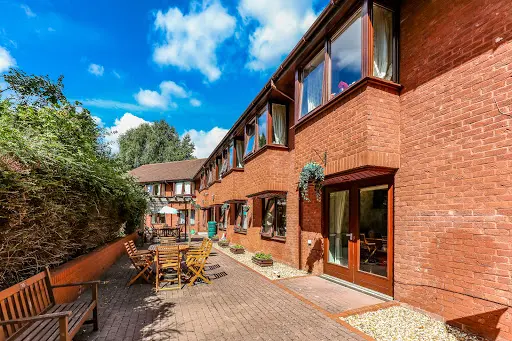
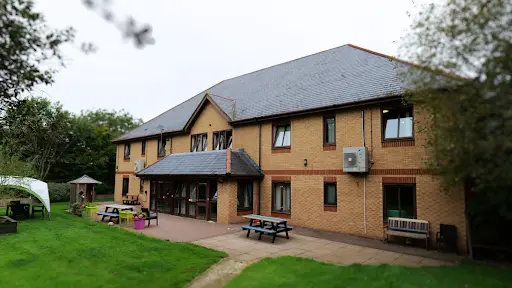
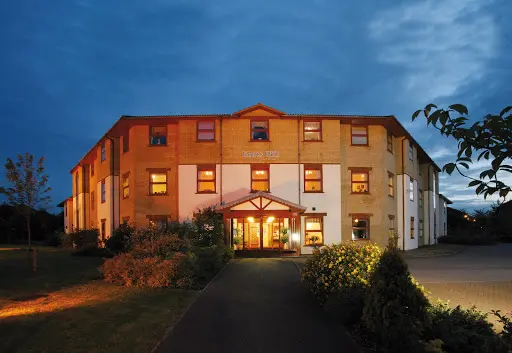
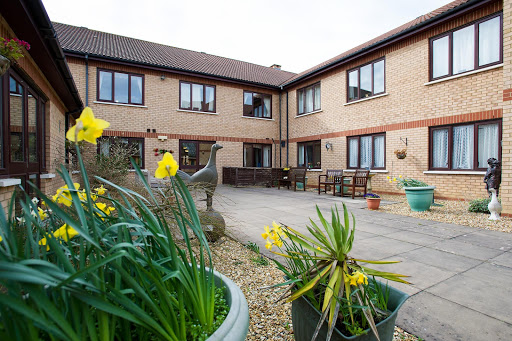
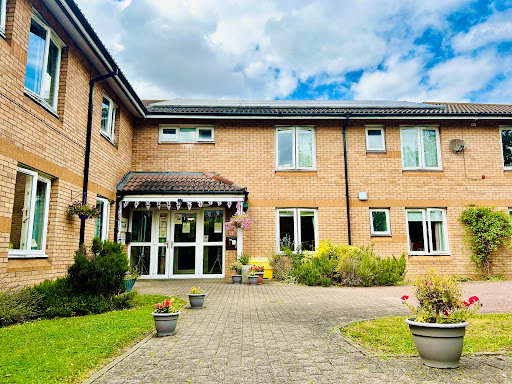
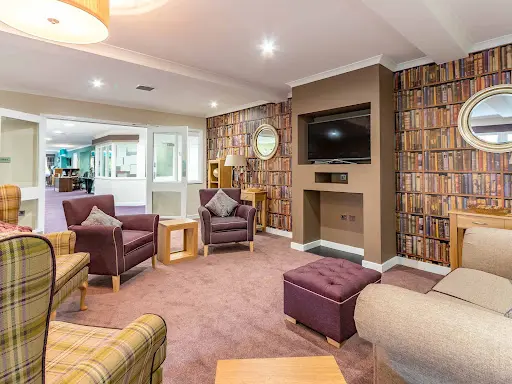
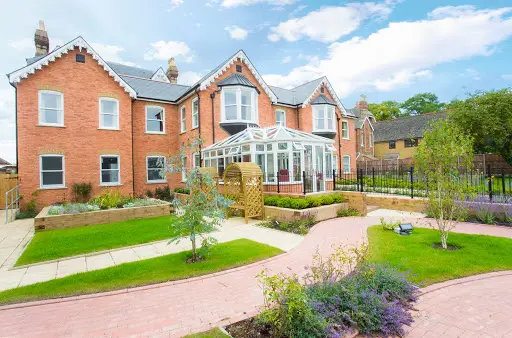
The home keeps everything clean and comfortable, with communal areas that feel inviting and private spaces that residents can make their own. Families mention the attention to physical comfort throughout, from well-maintained rooms to thoughtfully arranged shared spaces. There's outdoor space too, giving residents options for where to spend their time.
“It's worth noting that while most families speak positively about care here, one recent account raised concerns about staff attention — something to explore when you visit.”
DCC does not edit or curate content in this tab. For independently curated information, see The Evidence and DCC Verdict.