Beaconsfield Heights Care Home – Avery Collection
At a Glance
The information you need to decide whether this home warrants a closer look.
Residential homes
Staff warmth score
of reviewers answered yes
Good to know
- Registered beds95
- SpecialismsCaring for adults over 65 yrs, Caring for adults under 65 yrs, Dementia
- Last inspected2018-10-05
Save Beaconsfield Heights Care Home – Avery Collection to your shortlist
Keep a running list, add visit notes, and compare homes side-by-side. Free account — it takes a minute.
STAGE 4 — RESEARCHING CARE HOMES
Visit homes. Compare them side by side. Choose with confidence.
Most of us will view care homes the way we view houses, impression, atmosphere, the feeling in the corridor. We go home, try to remember what we saw, and make a permanent decision from a blurred memory.

The DCC shortlist gives every home you visit a structured record: the same twelve questions, answered the same way, every time. When you’re ready to choose, pull any two homes side by side and compare them directly. Same criteria, same evidence, your notes and your scores.
The Evidence
What the review data, the inspection reports, and the dementia-care evidence base tell us about this home.
What families say
Visitors notice how residents appear genuinely happy here, taking part in activities and spending time outdoors when the weather's nice. The staff create a warm atmosphere — they're cheerful with residents and take time to learn what each person enjoys. Families mention feeling reassured when they see their relatives looking relaxed and settled, rather than anxious or withdrawn.
The eight family priority themes
- Staff warmth72
- Compassion & dignity72
- Cleanliness70
- Activities & engagement68
- Food quality68
- Healthcare68
- Management & leadership72
- Resident happiness70
What inspectors found
Inspected 2018-10-05
Is this home safe?
Is the care effective?
The Effective domain was rated Good at the September 2018 inspection. This domain covers care planning, staff training, healthcare access, nutrition, and how well the home applies best practice. No specific findings were published: there are no details about dementia training content, care plan review frequency, GP access arrangements, or food quality. The published report does not record whether families were involved in care planning or whether plans were treated as living documents.Is this home caring?
The Caring domain was rated Good at the September 2018 inspection. Caring covers staff warmth, dignity, respect, privacy, and whether residents are supported to maintain independence. No inspector observations were published: there are no descriptions of how staff addressed residents, whether people were rushed, or how staff responded to distress. The absence of specific evidence means the Good rating is the only signal available from this inspection.Is the home responsive?
The Responsive domain was rated Good at the September 2018 inspection. This domain covers how well the home tailors care and activities to individual needs, including end-of-life care and how complaints are handled. No specific activities, individual engagement examples, or end-of-life arrangements were described in the published text. There is no information about whether one-to-one activities are available for residents who cannot join group sessions.Is the home well-led?
The Well-led domain was rated Good at the September 2018 inspection. This domain covers management culture, governance, staff empowerment, and whether the home learns from incidents and feedback. The nominated individual recorded at the time of registration was Mrs Natasha Southall. No specific detail about management visibility, staff culture, or governance systems was published in the inspection text. Given that the inspection took place in 2018, leadership continuity since then is unknown.
Source: CQC inspection report →
What the evidence base says
The home cares for adults over 65, younger adults with care needs, and people living with dementia. They can support various health conditions and mobility levels, with step-free access throughout. The staff show real understanding of how dementia affects people day to day. They adapt their approach to each resident's needs, helping them feel safe and valued rather than confused or upset. All areas worth probing directly during a visit.
The DCC Verdict
Our editorial view, built from the three lenses: what families tell us, what inspectors record, and how the home sits against good dementia-care practice.
DCC Family Score
Beaconsfield Heights Care Home received a Good rating across all five inspection domains in September 2018. However, the published inspection text contains almost no specific observations, quotes, or detail beyond the headline ratings, so scores reflect the floor of what a Good rating implies rather than confirmed strengths.
Homes in South East typically score 68–82.The three-lens summary
What families tell us
Visitors notice how residents appear genuinely happy here, taking part in activities and spending time outdoors when the weather's nice. The staff create a warm atmosphere — they're cheerful with residents and take time to learn what each person enjoys. Families mention feeling reassured when they see their relatives looking relaxed and settled, rather than anxious or withdrawn.
What inspectors have recorded
Staff here understand dementia care — they work with memory difficulties patiently and know how to help residents feel secure. Families trust the medical oversight, saying staff monitor health conditions carefully and manage medications well. The team responds to individual preferences and keeps families updated about their relatives' wellbeing. One family did experience poor communication during the assessment process, which left them frustrated, though this stands out as unusual given how responsive staff are once residents move in.
How it sits against good practice
If you'd like to see how settled residents seem here, arranging a visit would give you a proper sense of the atmosphere.
Worth a visit
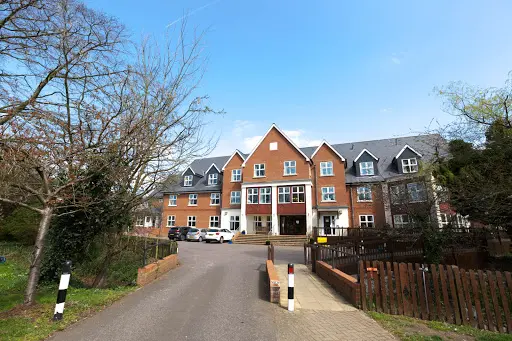
Beaconsfield Heights Care Home, on Station Road in Beaconsfield, was rated Good across all five inspection domains at its last inspection in September 2018. The home has 95 beds and specialises in dementia care alongside general residential care for adults over and under 65. A Good rating across all domains is a meaningful baseline: inspectors were satisfied with safety, care practice, staff conduct, responsiveness to residents, and leadership. The main limitation here is that the published inspection text contains almost no specific detail beyond the headline ratings. There are no recorded observations, no resident or family quotes, and no description of what inspectors actually saw. That matters for two reasons. First, the inspection took place in September 2018, which means the findings are now over six years old. A great deal can change in that time, including the staff team, the management, and the physical environment. Second, without specific evidence, it is impossible to confirm what a Good rating looks like day to day at this home. Before visiting, prepare a list of concrete questions, and use the checklist below as your starting point. On arrival, pay close attention to how staff interact with residents in corridors and communal spaces, how quickly call bells are answered, and whether the manager is visibly present.
The three questions to ask when you visitSave this home. Compare it against your shortlist.
Let our analysis show you how Beaconsfield Heights Care Home – Avery Collection measures up against the other homes you’re considering. Free account.
In Their Own Words
How Beaconsfield Heights Care Home – Avery Collection describes itself — collected from its own website. DCC has not edited or independently verified the content in this tab.
Where residents settle in quickly and families feel genuinely reassured
Beaconsfield Heights Care Home – Expert Care in Beaconsfield
When you visit Beaconsfield Heights Care Home in Beaconsfield, you'll often find residents chatting in the gardens or joining in activities that match what they can manage. Families talk about how their loved ones seem content here — not just cared for, but actually settled and engaged with life around them. The home supports people over 65, younger adults with care needs, and those living with dementia.
Who they care for
The home cares for adults over 65, younger adults with care needs, and people living with dementia. They can support various health conditions and mobility levels, with step-free access throughout.
The staff show real understanding of how dementia affects people day to day. They adapt their approach to each resident's needs, helping them feel safe and valued rather than confused or upset.
“If you'd like to see how settled residents seem here, arranging a visit would give you a proper sense of the atmosphere.”
DCC does not edit or curate content in this tab. For independently curated information, see The Evidence and DCC Verdict.
The DCC Verdict
Our editorial view, built from the three lenses: what families tell us, what inspectors record, and how the home sits against good dementia-care practice.
DCC Family Score
Beaconsfield Heights Care Home received a Good rating across all five inspection domains in September 2018. However, the published inspection text contains almost no specific observations, quotes, or detail beyond the headline ratings, so scores reflect the floor of what a Good rating implies rather than confirmed strengths.
Homes in South East typically score 68–82.The three-lens summary
What families tell us
Visitors notice how residents appear genuinely happy here, taking part in activities and spending time outdoors when the weather's nice. The staff create a warm atmosphere — they're cheerful with residents and take time to learn what each person enjoys. Families mention feeling reassured when they see their relatives looking relaxed and settled, rather than anxious or withdrawn.
What inspectors have recorded
Staff here understand dementia care — they work with memory difficulties patiently and know how to help residents feel secure. Families trust the medical oversight, saying staff monitor health conditions carefully and manage medications well. The team responds to individual preferences and keeps families updated about their relatives' wellbeing. One family did experience poor communication during the assessment process, which left them frustrated, though this stands out as unusual given how responsive staff are once residents move in.
How it sits against good practice
If you'd like to see how settled residents seem here, arranging a visit would give you a proper sense of the atmosphere.
Worth a visit
Beaconsfield Heights Care Home, on Station Road in Beaconsfield, was rated Good across all five inspection domains at its last inspection in September 2018. The home has 95 beds and specialises in dementia care alongside general residential care for adults over and under 65. A Good rating across all domains is a meaningful baseline: inspectors were satisfied with safety, care practice, staff conduct, responsiveness to residents, and leadership. The main limitation here is that the published inspection text contains almost no specific detail beyond the headline ratings. There are no recorded observations, no resident or family quotes, and no description of what inspectors actually saw. That matters for two reasons. First, the inspection took place in September 2018, which means the findings are now over six years old. A great deal can change in that time, including the staff team, the management, and the physical environment. Second, without specific evidence, it is impossible to confirm what a Good rating looks like day to day at this home. Before visiting, prepare a list of concrete questions, and use the checklist below as your starting point. On arrival, pay close attention to how staff interact with residents in corridors and communal spaces, how quickly call bells are answered, and whether the manager is visibly present.
The three questions to ask when you visitSave this home. Compare it against your shortlist.
Let our analysis show you how Beaconsfield Heights Care Home – Avery Collection measures up against the other homes you’re considering. Free account.
In Their Own Words
How Beaconsfield Heights Care Home – Avery Collection describes itself — collected from its own website. DCC has not edited or independently verified the content in this tab.
Where residents settle in quickly and families feel genuinely reassured
Beaconsfield Heights Care Home – Expert Care in Beaconsfield
When you visit Beaconsfield Heights Care Home in Beaconsfield, you'll often find residents chatting in the gardens or joining in activities that match what they can manage. Families talk about how their loved ones seem content here — not just cared for, but actually settled and engaged with life around them. The home supports people over 65, younger adults with care needs, and those living with dementia.
Who they care for
The home cares for adults over 65, younger adults with care needs, and people living with dementia. They can support various health conditions and mobility levels, with step-free access throughout.
The staff show real understanding of how dementia affects people day to day. They adapt their approach to each resident's needs, helping them feel safe and valued rather than confused or upset.
Management & ethos
Staff here understand dementia care — they work with memory difficulties patiently and know how to help residents feel secure. Families trust the medical oversight, saying staff monitor health conditions carefully and manage medications well. The team responds to individual preferences and keeps families updated about their relatives' wellbeing. One family did experience poor communication during the assessment process, which left them frustrated, though this stands out as unusual given how responsive staff are once residents move in.
The home & environment
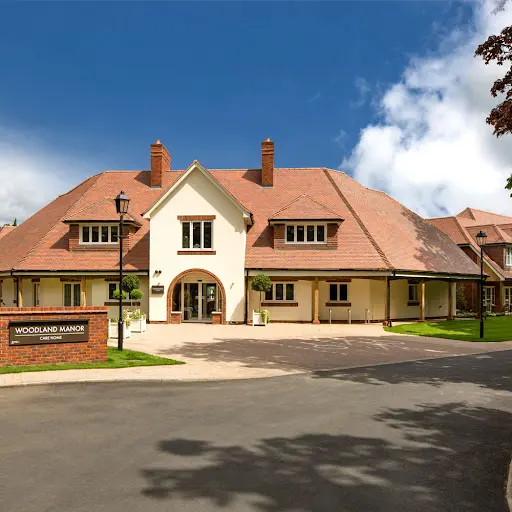
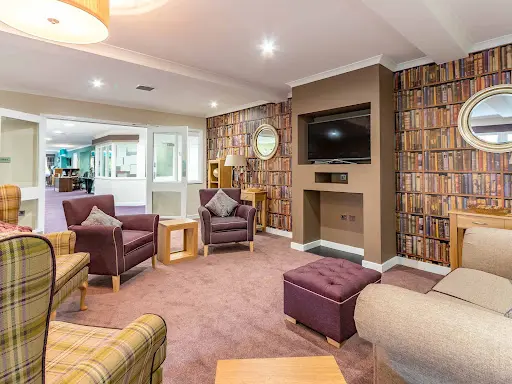
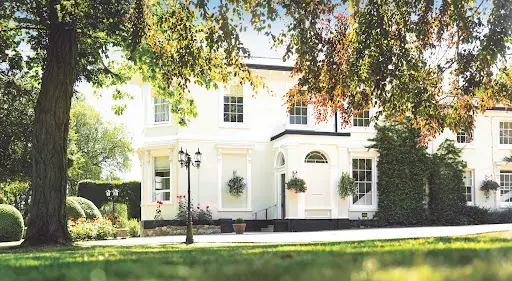
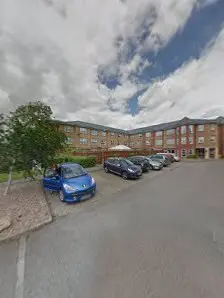
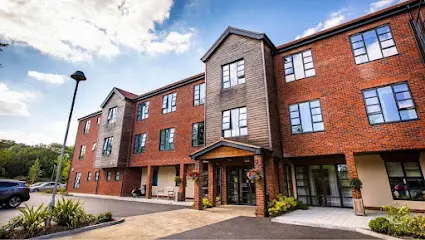
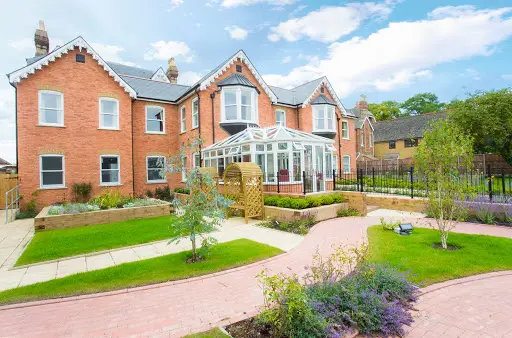
The home keeps everywhere clean and well-maintained, with modern lifts making it easy for everyone to get around. There's a pleasant garden where residents can sit outside or join outdoor activities. The activity programme offers real variety — families see their relatives enjoying different things throughout the week, with staff making sure everyone can join in at their own level.
“If you'd like to see how settled residents seem here, arranging a visit would give you a proper sense of the atmosphere.”
DCC does not edit or curate content in this tab. For independently curated information, see The Evidence and DCC Verdict.