Stone House
At a Glance
The information you need to decide whether this home warrants a closer look.
Nursing homes
Staff warmth score
of reviewers answered yes
Good to know
- Registered beds35
- SpecialismsCaring for adults over 65 yrs, Dementia, Learning disabilities, Physical disabilities, Sensory impairment
- Last inspected2019-04-10
Save Stone House to your shortlist
Keep a running list, add visit notes, and compare homes side-by-side. Free account — it takes a minute.
STAGE 4 — RESEARCHING CARE HOMES
Visit homes. Compare them side by side. Choose with confidence.
Most of us will view care homes the way we view houses, impression, atmosphere, the feeling in the corridor. We go home, try to remember what we saw, and make a permanent decision from a blurred memory.

The DCC shortlist gives every home you visit a structured record: the same twelve questions, answered the same way, every time. When you’re ready to choose, pull any two homes side by side and compare them directly. Same criteria, same evidence, your notes and your scores.
The Evidence
What the review data, the inspection reports, and the dementia-care evidence base tell us about this home.
What families say
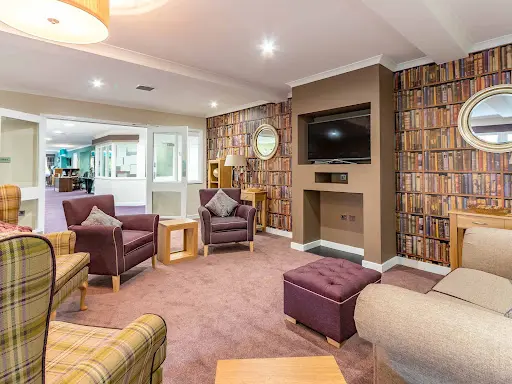
Families describe walking into bright, welcoming spaces where staff greet both residents and visitors with genuine warmth. Many notice how their relatives seem visibly content and engaged, whether they're participating in activities or enjoying quieter moments in the communal areas. The atmosphere feels calm and purposeful, with residents appearing comfortable in their surroundings.
The eight family priority themes
- Staff warmth72
- Compassion & dignity74
- Cleanliness70
- Activities & engagement82
- Food quality65
- Healthcare70
- Management & leadership72
- Resident happiness75
What inspectors found
Inspected 2019-04-10
Is this home safe?
Is the care effective?
The home was rated Good for effectiveness at the May 2022 inspection. This domain covers whether staff have the right training, whether care plans genuinely reflect each person's health and personal needs, and whether residents have reliable access to GPs and other healthcare professionals. The home specialises in dementia care, learning disabilities, and physical disabilities, which requires specific staff competencies beyond standard care training. The published summary does not include detail about training content, care plan review cycles, or how healthcare professionals are involved in the home.Is this home caring?
Inspectors rated the home Good for caring at the May 2022 inspection. This domain covers whether staff treat residents with warmth, whether privacy and dignity are maintained, and whether people's independence is supported. The published summary does not include specific inspector observations of staff interactions, resident quotes about how they feel treated, or examples of how dignity is protected in practice. A Good rating indicates inspectors were satisfied, but the evidence base available to families is thin.Is the home responsive?
Stone House Nursing Home received an Outstanding rating for its Responsive domain, the strongest finding in this inspection. The Responsive domain assesses how well a home tailors care and activities to individual needs, responds to complaints, and supports people approaching the end of life. Outstanding is awarded to fewer than one in ten care homes nationally. The published summary does not include specific examples of how this was achieved, such as particular activities, individual care approaches, or complaint handling processes, which limits what families can verify without visiting.Is the home well-led?
The home was rated Good for leadership at the May 2022 inspection. The inspection records a named registered manager (Ms Hope Timbe) and a nominated individual (Mr Anil Dhanani), indicating a clear accountability structure was in place. The Well-led domain assesses whether management is visible and approachable, whether staff feel supported and able to raise concerns, and whether the home uses feedback and incident data to improve. The published summary does not include specific detail about management visibility, staff culture, or governance processes.
Source: CQC inspection report →
What the evidence base says
The home provides specialist support for residents with sensory impairments, dementia, learning disabilities, and physical disabilities. They focus on caring for adults over 65, tailoring their approach to meet complex and varying needs. For residents living with dementia, the team works to maintain familiar routines and preferences that help preserve dignity and comfort. The varied activity programme and accessible outdoor spaces provide opportunities for engagement at different stages of the condition. All areas worth probing directly during a visit.
The DCC Verdict
Our editorial view, built from the three lenses: what families tell us, what inspectors record, and how the home sits against good dementia-care practice.
DCC Family Score
Stone House Nursing Home scores 74 out of 100, reflecting a solid Good rating across most areas and an Outstanding rating for responsiveness to residents' individual needs. The score is held back by limited specific detail in the published inspection text across several themes, meaning some important questions remain open for families to explore directly.
Homes in South East typically score 68–82.The three-lens summary
What families tell us
Families describe walking into bright, welcoming spaces where staff greet both residents and visitors with genuine warmth. Many notice how their relatives seem visibly content and engaged, whether they're participating in activities or enjoying quieter moments in the communal areas. The atmosphere feels calm and purposeful, with residents appearing comfortable in their surroundings.
What inspectors have recorded
Staff here seem to genuinely understand each resident as an individual, adapting their support to personal preferences and established routines. Families appreciate how team members listen and respond to specific needs rather than following rigid protocols. The workforce appears notably stable, with one visitor observing that low staff turnover suggests the home takes care of its team as well as its residents.
How it sits against good practice
Set in the Aylesbury countryside, Stone House offers both the therapeutic benefits of rural surroundings and the reassurance of attentive, individualized care.
Worth a visit
Stone House Nursing Home, at 44 Bishopstone Road, Aylesbury, was rated Good overall at its most recent inspection in May 2022, with an Outstanding rating specifically for how well the home responds to the individual needs of the people who live there. The home cares for up to 35 people, including those living with dementia, learning disabilities, and physical disabilities, and inspectors were satisfied across all five inspection domains. The Outstanding Responsive rating is genuinely significant: it is awarded to fewer than one in ten care homes nationally and suggests the home goes beyond simply meeting needs to tailoring care and activities in ways that reflect who each person actually is. The main limitation for families reading this report is that the published inspection summary contains very limited specific detail. Ratings alone cannot tell you whether your parent's preferred name will be used, whether a key worker will know their life history, or how many staff are on overnight. The inspection was also conducted in May 2022, which means the findings are now over two years old and staff or management may have changed since then. On a visit, focus on whether staff interact with residents in an unhurried, personal way, ask to see the actual staffing rota for the past week rather than a template, and ask the manager directly about night staffing numbers and how much the home relies on agency cover.
The three questions to ask when you visitSave this home. Compare it against your shortlist.
Let our analysis show you how Stone House measures up against the other homes you’re considering. Free account.
In Their Own Words
How Stone House describes itself — collected from its own website. DCC has not edited or independently verified the content in this tab.
Where contentment and countryside meet for older adults
Compassionate Care in Aylesbury at Stone House Nursing Home
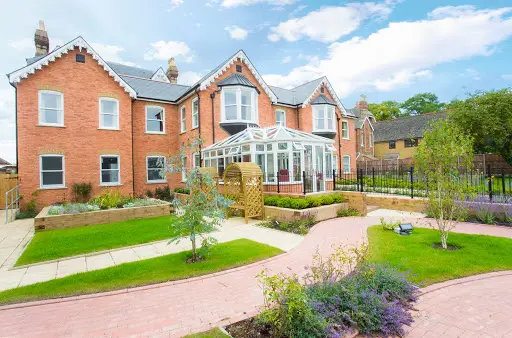
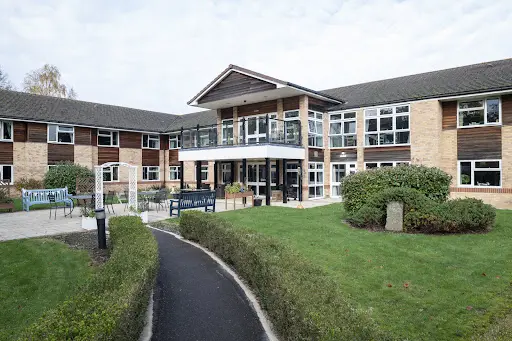
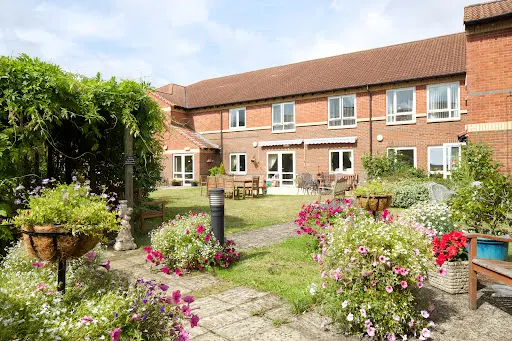
When families visit Stone House Nursing Home in Aylesbury, they often find their relatives enjoying the gardens or engaged in activities that bring genuine smiles. This established home in the South East countryside has built its reputation on understanding what makes each resident feel at home — whether that's time in the sun lounge, joining in with animal therapy sessions, or simply having their daily routines respected.
Who they care for
The home provides specialist support for residents with sensory impairments, dementia, learning disabilities, and physical disabilities. They focus on caring for adults over 65, tailoring their approach to meet complex and varying needs.
For residents living with dementia, the team works to maintain familiar routines and preferences that help preserve dignity and comfort. The varied activity programme and accessible outdoor spaces provide opportunities for engagement at different stages of the condition.
“Set in the Aylesbury countryside, Stone House offers both the therapeutic benefits of rural surroundings and the reassurance of attentive, individualized care.”
DCC does not edit or curate content in this tab. For independently curated information, see The Evidence and DCC Verdict.
The DCC Verdict
Our editorial view, built from the three lenses: what families tell us, what inspectors record, and how the home sits against good dementia-care practice.
DCC Family Score
Stone House Nursing Home scores 74 out of 100, reflecting a solid Good rating across most areas and an Outstanding rating for responsiveness to residents' individual needs. The score is held back by limited specific detail in the published inspection text across several themes, meaning some important questions remain open for families to explore directly.
Homes in South East typically score 68–82.The three-lens summary
What families tell us
Families describe walking into bright, welcoming spaces where staff greet both residents and visitors with genuine warmth. Many notice how their relatives seem visibly content and engaged, whether they're participating in activities or enjoying quieter moments in the communal areas. The atmosphere feels calm and purposeful, with residents appearing comfortable in their surroundings.
What inspectors have recorded
Staff here seem to genuinely understand each resident as an individual, adapting their support to personal preferences and established routines. Families appreciate how team members listen and respond to specific needs rather than following rigid protocols. The workforce appears notably stable, with one visitor observing that low staff turnover suggests the home takes care of its team as well as its residents.
How it sits against good practice
Set in the Aylesbury countryside, Stone House offers both the therapeutic benefits of rural surroundings and the reassurance of attentive, individualized care.
Worth a visit
Stone House Nursing Home, at 44 Bishopstone Road, Aylesbury, was rated Good overall at its most recent inspection in May 2022, with an Outstanding rating specifically for how well the home responds to the individual needs of the people who live there. The home cares for up to 35 people, including those living with dementia, learning disabilities, and physical disabilities, and inspectors were satisfied across all five inspection domains. The Outstanding Responsive rating is genuinely significant: it is awarded to fewer than one in ten care homes nationally and suggests the home goes beyond simply meeting needs to tailoring care and activities in ways that reflect who each person actually is. The main limitation for families reading this report is that the published inspection summary contains very limited specific detail. Ratings alone cannot tell you whether your parent's preferred name will be used, whether a key worker will know their life history, or how many staff are on overnight. The inspection was also conducted in May 2022, which means the findings are now over two years old and staff or management may have changed since then. On a visit, focus on whether staff interact with residents in an unhurried, personal way, ask to see the actual staffing rota for the past week rather than a template, and ask the manager directly about night staffing numbers and how much the home relies on agency cover.
The three questions to ask when you visitSave this home. Compare it against your shortlist.
Let our analysis show you how Stone House measures up against the other homes you’re considering. Free account.
In Their Own Words
How Stone House describes itself — collected from its own website. DCC has not edited or independently verified the content in this tab.
Where contentment and countryside meet for older adults
Compassionate Care in Aylesbury at Stone House Nursing Home
When families visit Stone House Nursing Home in Aylesbury, they often find their relatives enjoying the gardens or engaged in activities that bring genuine smiles. This established home in the South East countryside has built its reputation on understanding what makes each resident feel at home — whether that's time in the sun lounge, joining in with animal therapy sessions, or simply having their daily routines respected.
Who they care for
The home provides specialist support for residents with sensory impairments, dementia, learning disabilities, and physical disabilities. They focus on caring for adults over 65, tailoring their approach to meet complex and varying needs.
For residents living with dementia, the team works to maintain familiar routines and preferences that help preserve dignity and comfort. The varied activity programme and accessible outdoor spaces provide opportunities for engagement at different stages of the condition.
Management & ethos
Staff here seem to genuinely understand each resident as an individual, adapting their support to personal preferences and established routines. Families appreciate how team members listen and respond to specific needs rather than following rigid protocols. The workforce appears notably stable, with one visitor observing that low staff turnover suggests the home takes care of its team as well as its residents.
The home & environment
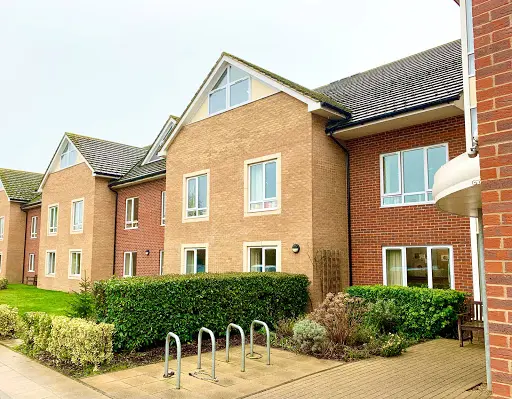
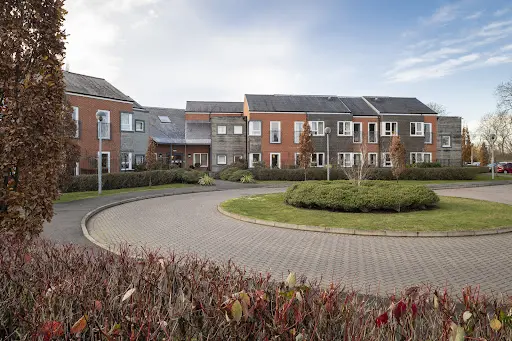
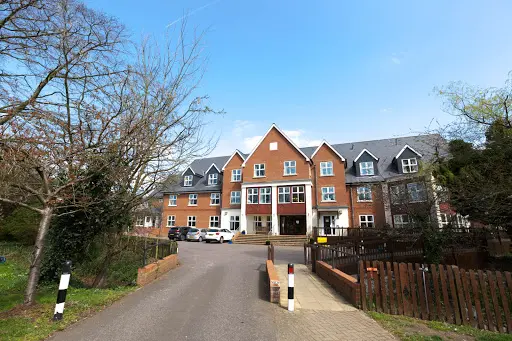
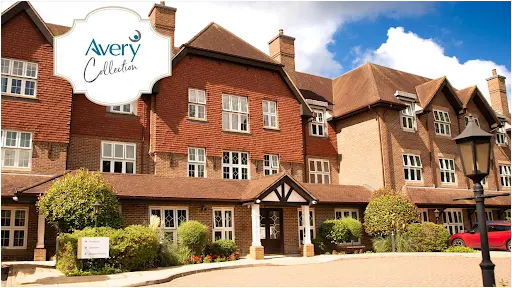
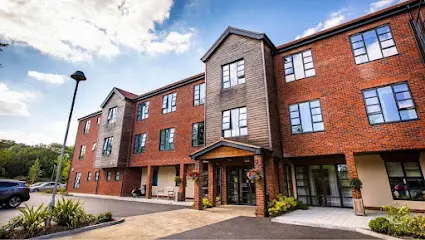
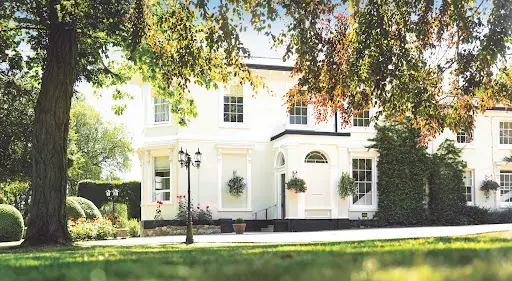
The home maintains spotless facilities throughout, from the communal spaces to individual rooms. Extensive grounds and gardens give residents plenty of outdoor options, while inside, the sun lounge provides a peaceful spot for relaxation. Activities range from painting and scrapbooking sessions to therapeutic visits from animals, offering variety for different interests and abilities.
“Set in the Aylesbury countryside, Stone House offers both the therapeutic benefits of rural surroundings and the reassurance of attentive, individualized care.”
DCC does not edit or curate content in this tab. For independently curated information, see The Evidence and DCC Verdict.