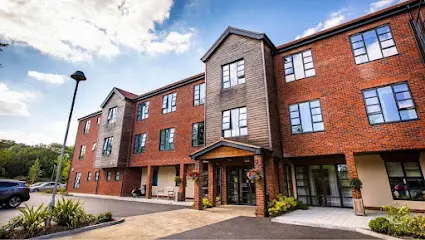
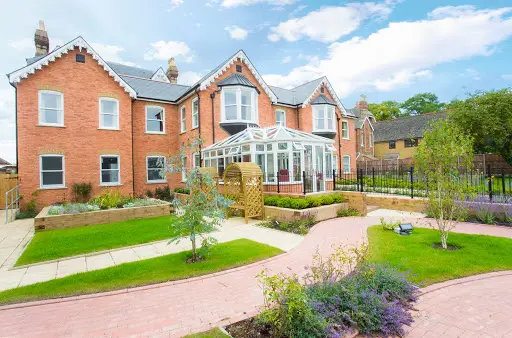
Barchester – Ashby House Care Home

At a Glance
The information you need to decide whether this home warrants a closer look.
Nursing homes
Staff warmth score
of reviewers answered yes
Good to know
- Registered beds64
- SpecialismsCaring for adults over 65 yrs, Caring for adults under 65 yrs, Dementia
- Last inspected2022-07-30
Save Barchester – Ashby House Care Home to your shortlist
Keep a running list, add visit notes, and compare homes side-by-side. Free account — it takes a minute.
STAGE 4 — RESEARCHING CARE HOMES
Visit homes. Compare them side by side. Choose with confidence.
Most of us will view care homes the way we view houses, impression, atmosphere, the feeling in the corridor. We go home, try to remember what we saw, and make a permanent decision from a blurred memory.

The DCC shortlist gives every home you visit a structured record: the same twelve questions, answered the same way, every time. When you’re ready to choose, pull any two homes side by side and compare them directly. Same criteria, same evidence, your notes and your scores.
The Evidence
What the review data, the inspection reports, and the dementia-care evidence base tell us about this home.
What families say
The warmth here comes through in everyday moments — carers who remember dietary preferences, activities staff who know what makes each person smile, managers who check in regularly. Families describe feeling welcomed not just as visitors, but as partners in their loved one's care. There's a sense that staff genuinely enjoy their work, and that shows in how they interact with residents.
The eight family priority themes
- Staff warmth72
- Compassion & dignity72
- Cleanliness72
- Activities & engagement68
- Food quality68
- Healthcare72
- Management & leadership75
- Resident happiness70
What inspectors found
Inspected 2022-07-30
Is this home safe?
Is the care effective?
Ashby House received a Good rating for effectiveness at the July 2022 inspection. The published text does not include specific information about care plan quality, GP access arrangements, dementia training content, or food provision. As a nursing home with a dementia specialism, the quality of clinical oversight and the depth of dementia-specific staff training are central to this domain. The inspection indicates standards were met but provides no detailed evidence for families to assess the depth of that effectiveness.Is this home caring?
Ashby House was rated Good for caring at the July 2022 inspection. The published report does not include direct observations of staff interactions, quotes from residents or relatives about how they are treated, or specific examples of dignity and respect in practice. A Good rating indicates inspectors were satisfied, but families should note the absence of descriptive evidence in the available text. The caring domain is where staff warmth and compassion either show up clearly or reveal themselves as absent.Is the home responsive?
Ashby House received a Good rating for responsiveness at the July 2022 inspection. The published text does not describe the activities programme, individual engagement for people with advanced dementia, or how the home responds to changing care needs. As a home specialising in dementia care, responsiveness to individual preferences and the quality of daily life for residents who cannot communicate verbally are especially important. No specific detail is available from the published findings.Is the home well-led?
Ashby House was rated Good for leadership at the July 2022 inspection, improving from a previous Requires Improvement rating. A named nominated individual is registered with the regulator. The home is operated by Barchester Healthcare Homes Limited, a large national provider. The published text does not describe the manager's tenure, their visibility on the floor, staff morale, or how the home uses feedback from residents and families to drive improvement. The improvement from Requires Improvement is the most meaningful piece of evidence available.
Source: CQC inspection report →
What the evidence base says
The home cares for adults both under and over 65, with particular experience in dementia care. They also have strong rehabilitation support, with families reporting genuine progress in mobility and independence through coordinated physiotherapy and care. While the home has long experience with dementia care and staff who understand the condition well, families have raised concerns about the physical environment in the specialist dementia unit compared to other areas of the home. The team's knowledge and compassion remain consistent throughout, but the dementia unit facilities may not match the standards seen elsewhere in the building. All areas worth probing directly during a visit.
The DCC Verdict
Our editorial view, built from the three lenses: what families tell us, what inspectors record, and how the home sits against good dementia-care practice.
DCC Family Score
Ashby House scores 73 out of 100, reflecting a home that has genuinely improved from Requires Improvement to Good across all five inspection domains. The score sits in the positive-but-general band because the published inspection text does not contain specific observations, direct quotes, or detailed examples to confirm the rating with precision.
Homes in South East typically score 68–82.The three-lens summary
What families tell us
The warmth here comes through in everyday moments — carers who remember dietary preferences, activities staff who know what makes each person smile, managers who check in regularly. Families describe feeling welcomed not just as visitors, but as partners in their loved one's care. There's a sense that staff genuinely enjoy their work, and that shows in how they interact with residents.
What inspectors have recorded
The management team stands out for their approachability, particularly during those difficult early days when families are making care decisions. They offer virtual tours, take time to explain options, and stay in regular contact. Staff throughout the home are described as attentive and responsive, though families have mentioned that the dementia unit could benefit from increased staffing to better support residents who need extra reassurance.
How it sits against good practice
For families seeking rehabilitation support or navigating end-of-life care, Ashby House offers genuine warmth and clinical progress. Those considering dementia care might want to specifically ask about recent improvements to the specialist unit during their visit.
Worth a visit
Ashby House in Milton Keynes was rated Good at its last inspection in July 2022, with Good ratings across all five domains: safe, effective, caring, responsive, and well-led. This is a meaningful improvement from a previous Requires Improvement rating, and a monitoring review in July 2023 found no evidence to change that assessment. The home is a 64-bed nursing home run by Barchester Healthcare Homes Limited, registered to support older adults, adults under 65, and people living with dementia. The main uncertainty is that the published inspection text contains very limited specific detail. There are no direct observations of staff behaviour, no resident or family quotes, and no concrete examples of how care is delivered day to day. A Good rating is a positive signal, particularly given the improvement trajectory, but it tells you the home met the standard at the time of inspection, not what your parent will experience on a Tuesday afternoon. Visit in person, ask the concrete questions listed in this report, and pay particular attention to night staffing levels, agency staff use, and how staff interact with residents in corridors and communal spaces without prompting.
The three questions to ask when you visitSave this home. Compare it against your shortlist.
Let our analysis show you how Barchester – Ashby House Care Home measures up against the other homes you’re considering. Free account.
In Their Own Words
How Barchester – Ashby House Care Home describes itself — collected from its own website. DCC has not edited or independently verified the content in this tab.
Where rehabilitation meets real kindness in Milton Keynes
Nursing home in Milton Keynes: True Peace of Mind
When families talk about Ashby House in Milton Keynes, they describe staff who take time to really listen during those first overwhelming conversations about care. The home specialises in supporting people through transitions — whether that's regaining independence after illness or navigating the complexities of dementia. Families consistently mention how supported they feel, right from that initial phone call.
Who they care for
The home cares for adults both under and over 65, with particular experience in dementia care. They also have strong rehabilitation support, with families reporting genuine progress in mobility and independence through coordinated physiotherapy and care.
While the home has long experience with dementia care and staff who understand the condition well, families have raised concerns about the physical environment in the specialist dementia unit compared to other areas of the home. The team's knowledge and compassion remain consistent throughout, but the dementia unit facilities may not match the standards seen elsewhere in the building.
“For families seeking rehabilitation support or navigating end-of-life care, Ashby House offers genuine warmth and clinical progress. Those considering dementia care might want to specifically ask about recent improvements to the specialist unit during their visit.”
DCC does not edit or curate content in this tab. For independently curated information, see The Evidence and DCC Verdict.
The DCC Verdict
Our editorial view, built from the three lenses: what families tell us, what inspectors record, and how the home sits against good dementia-care practice.
DCC Family Score
Ashby House scores 73 out of 100, reflecting a home that has genuinely improved from Requires Improvement to Good across all five inspection domains. The score sits in the positive-but-general band because the published inspection text does not contain specific observations, direct quotes, or detailed examples to confirm the rating with precision.
Homes in South East typically score 68–82.The three-lens summary
What families tell us
The warmth here comes through in everyday moments — carers who remember dietary preferences, activities staff who know what makes each person smile, managers who check in regularly. Families describe feeling welcomed not just as visitors, but as partners in their loved one's care. There's a sense that staff genuinely enjoy their work, and that shows in how they interact with residents.
What inspectors have recorded
The management team stands out for their approachability, particularly during those difficult early days when families are making care decisions. They offer virtual tours, take time to explain options, and stay in regular contact. Staff throughout the home are described as attentive and responsive, though families have mentioned that the dementia unit could benefit from increased staffing to better support residents who need extra reassurance.
How it sits against good practice
For families seeking rehabilitation support or navigating end-of-life care, Ashby House offers genuine warmth and clinical progress. Those considering dementia care might want to specifically ask about recent improvements to the specialist unit during their visit.
Worth a visit
Ashby House in Milton Keynes was rated Good at its last inspection in July 2022, with Good ratings across all five domains: safe, effective, caring, responsive, and well-led. This is a meaningful improvement from a previous Requires Improvement rating, and a monitoring review in July 2023 found no evidence to change that assessment. The home is a 64-bed nursing home run by Barchester Healthcare Homes Limited, registered to support older adults, adults under 65, and people living with dementia. The main uncertainty is that the published inspection text contains very limited specific detail. There are no direct observations of staff behaviour, no resident or family quotes, and no concrete examples of how care is delivered day to day. A Good rating is a positive signal, particularly given the improvement trajectory, but it tells you the home met the standard at the time of inspection, not what your parent will experience on a Tuesday afternoon. Visit in person, ask the concrete questions listed in this report, and pay particular attention to night staffing levels, agency staff use, and how staff interact with residents in corridors and communal spaces without prompting.
The three questions to ask when you visitSave this home. Compare it against your shortlist.
Let our analysis show you how Barchester – Ashby House Care Home measures up against the other homes you’re considering. Free account.
In Their Own Words
How Barchester – Ashby House Care Home describes itself — collected from its own website. DCC has not edited or independently verified the content in this tab.
Where rehabilitation meets real kindness in Milton Keynes
Nursing home in Milton Keynes: True Peace of Mind
When families talk about Ashby House in Milton Keynes, they describe staff who take time to really listen during those first overwhelming conversations about care. The home specialises in supporting people through transitions — whether that's regaining independence after illness or navigating the complexities of dementia. Families consistently mention how supported they feel, right from that initial phone call.
Who they care for
The home cares for adults both under and over 65, with particular experience in dementia care. They also have strong rehabilitation support, with families reporting genuine progress in mobility and independence through coordinated physiotherapy and care.
While the home has long experience with dementia care and staff who understand the condition well, families have raised concerns about the physical environment in the specialist dementia unit compared to other areas of the home. The team's knowledge and compassion remain consistent throughout, but the dementia unit facilities may not match the standards seen elsewhere in the building.
Management & ethos
The management team stands out for their approachability, particularly during those difficult early days when families are making care decisions. They offer virtual tours, take time to explain options, and stay in regular contact. Staff throughout the home are described as attentive and responsive, though families have mentioned that the dementia unit could benefit from increased staffing to better support residents who need extra reassurance.
The home & environment
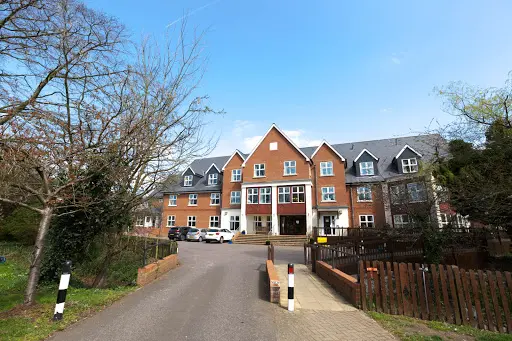
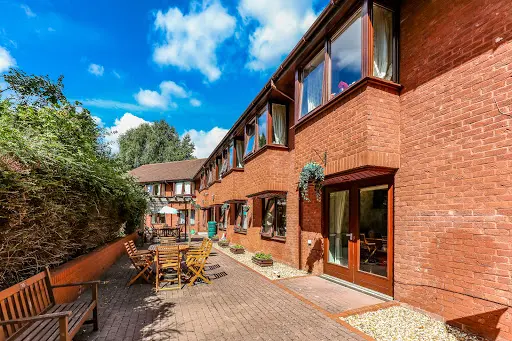
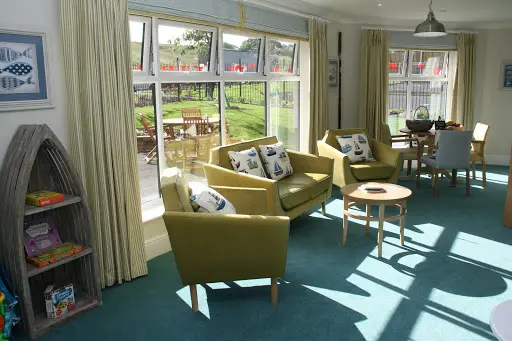
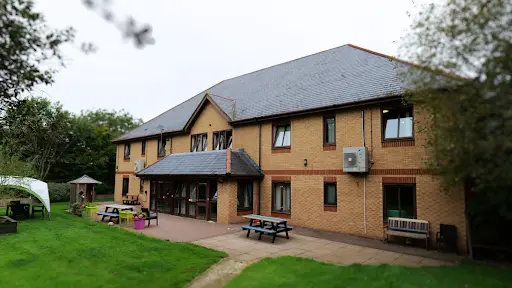
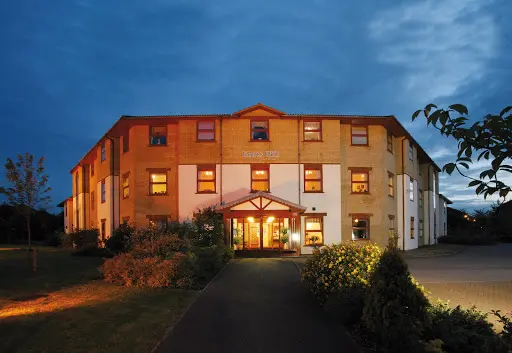
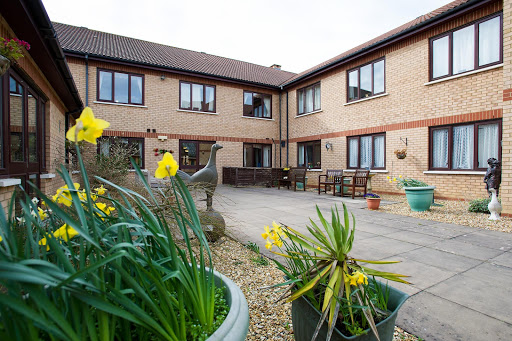
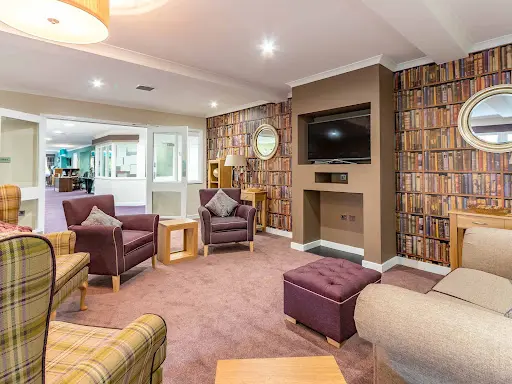
The main areas of the home feel light and fresh, with comfortable lounges and a dining room that families describe as pleasant spaces to spend time. There's an on-site hair salon, and the kitchen team works hard to accommodate different dietary needs and preferences. However, families have noted that the dementia unit needs attention — one relative described concerns about odours and worn furnishings in that area, contrasting with the well-maintained main residential spaces.
“For families seeking rehabilitation support or navigating end-of-life care, Ashby House offers genuine warmth and clinical progress. Those considering dementia care might want to specifically ask about recent improvements to the specialist unit during their visit.”
DCC does not edit or curate content in this tab. For independently curated information, see The Evidence and DCC Verdict.