Barchester – Shelburne Lodge Care Home
At a Glance
The information you need to decide whether this home warrants a closer look.
Nursing homes
Staff warmth score
of reviewers answered yes
Good to know
- Registered beds51
- SpecialismsCaring for adults over 65 yrs, Caring for adults under 65 yrs, Dementia
- Last inspected2018-08-01
Save Barchester – Shelburne Lodge Care Home to your shortlist
Keep a running list, add visit notes, and compare homes side-by-side. Free account — it takes a minute.
STAGE 4 — RESEARCHING CARE HOMES
Visit homes. Compare them side by side. Choose with confidence.
Most of us will view care homes the way we view houses, impression, atmosphere, the feeling in the corridor. We go home, try to remember what we saw, and make a permanent decision from a blurred memory.

The DCC shortlist gives every home you visit a structured record: the same twelve questions, answered the same way, every time. When you’re ready to choose, pull any two homes side by side and compare them directly. Same criteria, same evidence, your notes and your scores.
The Evidence
What the review data, the inspection reports, and the dementia-care evidence base tell us about this home.
What families say
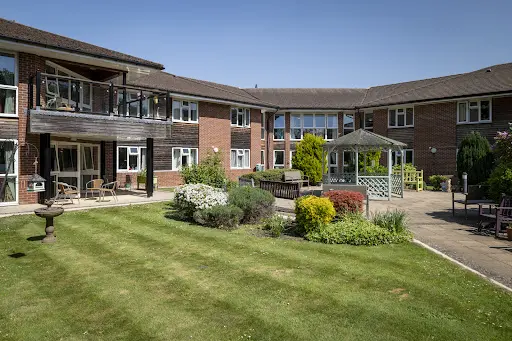
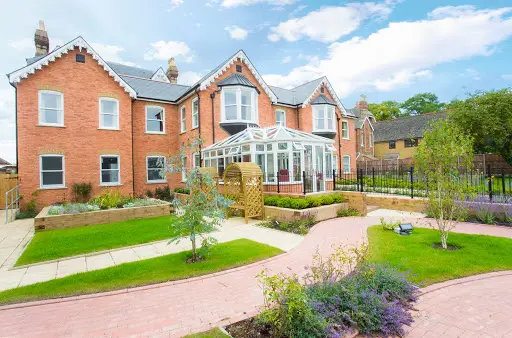
What strikes visitors most is how content residents seem here. You'll spot people chatting over tea, joining in with activities, or simply enjoying the sunshine in the garden. The whole team, right up to the manager, makes time to chat with families and genuinely seems to enjoy what they do. It's the kind of atmosphere where residents smile when staff walk by.
The eight family priority themes
- Staff warmth70
- Compassion & dignity72
- Cleanliness65
- Activities & engagement60
- Food quality60
- Healthcare55
- Management & leadership72
- Resident happiness68
What inspectors found
Inspected 2018-08-01
Is this home safe?
Is the care effective?
The Effective domain was rated Good at the May 2018 inspection. This domain covers care planning, staff training, healthcare access, nutrition, and how well the home translates knowledge into consistent practice. Dementia is listed as a specialism, which means inspectors would have looked at whether staff have appropriate training and whether care is delivered in a way that meets the specific needs of people living with dementia. No specific detail about training content, GP access arrangements, or care plan quality is available in the published summary.Is this home caring?
The Caring domain was rated Good at the May 2018 inspection. This domain covers staff warmth, dignity, respect, privacy, and whether people are supported to remain as independent as possible. A Good rating requires inspectors to have found positive evidence across these areas. However, the published summary provides no specific observations, quotes from residents or relatives, or examples of caring interactions. The home provides care for both older adults and adults under 65, including people with dementia, meaning staff need to be skilled at adapting their approach to a wide range of individual needs.Is the home responsive?
The Responsive domain was rated Good at the May 2018 inspection. This domain covers whether the home meets individual needs, whether activities are meaningful and varied, how complaints are handled, and whether end-of-life care is planned and personalised. No specific detail about the activity programme, individual engagement, complaints outcomes, or end-of-life care arrangements is available in the published summary. The home's specialism in dementia care makes the quality of individual activity provision particularly relevant, as people with advanced dementia often cannot participate in group activities without one-to-one support.Is the home well-led?
The Well-Led domain was rated Good at the May 2018 inspection, representing an improvement from a previous Requires Improvement rating overall. A named registered manager and a nominated individual are recorded, indicating a defined leadership structure. The Well-Led domain covers governance, audit, learning from incidents, staff culture, and whether the manager is visible and known to residents and staff. No specific detail about management visibility, staff feedback mechanisms, or audit processes is available in the published summary. The overall improvement from Requires Improvement to Good suggests that meaningful changes were made between inspections.
Source: CQC inspection report →
What the evidence base says
Shelburne Lodge welcomes adults of all ages who need residential support, with particular expertise in dementia care. They also provide compassionate care for older residents facing various health challenges. The team works closely with local dementia awareness groups to stay current with best practices. Activities are shaped around what works for each resident, helping them stay engaged and connected in ways that feel natural and enjoyable. All areas worth probing directly during a visit.
The DCC Verdict
Our editorial view, built from the three lenses: what families tell us, what inspectors record, and how the home sits against good dementia-care practice.
DCC Family Score
Shelburne Lodge scores in the mid-seventies overall, reflecting genuine strengths in caring and leadership alongside a real concern in the Safe domain, which was rated Requires Improvement at the last inspection. The published report contains very limited specific detail, so several scores are held at cautious mid-range levels rather than elevated without evidence.
Homes in South East typically score 68–82.The three-lens summary
What families tell us
What strikes visitors most is how content residents seem here. You'll spot people chatting over tea, joining in with activities, or simply enjoying the sunshine in the garden. The whole team, right up to the manager, makes time to chat with families and genuinely seems to enjoy what they do. It's the kind of atmosphere where residents smile when staff walk by.
What inspectors have recorded
The team here understands that good care goes beyond the practical stuff. When residents reach their final days, staff support not just them but their families too, creating peaceful moments when they matter most. They've built connections with local dementia organisations, bringing fresh ideas and support into the home. It's thoughtful care that families really notice.
How it sits against good practice
Sometimes you just know when a place has got it right — and at Shelburne Lodge, that feeling comes through in every conversation with families who've found what they were looking for.
Worth a visit
Shelburne Lodge, on Rutland Street in High Wycombe, was rated Good overall at its most recent official inspection in May 2018, an improvement on a previous Requires Improvement rating. The Caring, Effective, Responsive, and Well-Led domains all achieved Good ratings, indicating that inspectors were satisfied with staff kindness, care planning, activities, and leadership at the time. The home provides nursing care for up to 51 people, including those living with dementia, and is operated by Barchester Healthcare Homes Limited. The main concern to take into your visit is that the Safe domain was rated Requires Improvement at that same inspection. The published report provides very little specific detail about what drove that rating or what improvements were required, which means you cannot rely on the summary alone to assess safety. The inspection was also conducted in May 2018, making the findings over six years old at the time of publication of this report: a great deal can change in that time. Before making a decision, ask the manager directly what the Requires Improvement finding related to, what was done to address it, and whether there has been a more recent inspection. Ask to see the night-time staffing rota and the agency usage figures for the past three months.
The three questions to ask when you visitSave this home. Compare it against your shortlist.
Let our analysis show you how Barchester – Shelburne Lodge Care Home measures up against the other homes you’re considering. Free account.
In Their Own Words
How Barchester – Shelburne Lodge Care Home describes itself — collected from its own website. DCC has not edited or independently verified the content in this tab.
Where kindness meets purpose in Buckinghamshire dementia care
Shelburne Lodge – Expert Care in High Wycombe
Step through the doors of Shelburne Lodge in High Wycombe and you'll find something special happening. This isn't just about excellent dementia care — it's about creating moments of genuine happiness for residents who need extra support. Families talk about the difference they see in their loved ones here, from the warm greetings at reception to the laughter drifting from the activities room.
Who they care for
Shelburne Lodge welcomes adults of all ages who need residential support, with particular expertise in dementia care. They also provide compassionate care for older residents facing various health challenges.
The team works closely with local dementia awareness groups to stay current with best practices. Activities are shaped around what works for each resident, helping them stay engaged and connected in ways that feel natural and enjoyable.
“Sometimes you just know when a place has got it right — and at Shelburne Lodge, that feeling comes through in every conversation with families who've found what they were looking for.”
DCC does not edit or curate content in this tab. For independently curated information, see The Evidence and DCC Verdict.
The DCC Verdict
Our editorial view, built from the three lenses: what families tell us, what inspectors record, and how the home sits against good dementia-care practice.
DCC Family Score
Shelburne Lodge scores in the mid-seventies overall, reflecting genuine strengths in caring and leadership alongside a real concern in the Safe domain, which was rated Requires Improvement at the last inspection. The published report contains very limited specific detail, so several scores are held at cautious mid-range levels rather than elevated without evidence.
Homes in South East typically score 68–82.The three-lens summary
What families tell us
What strikes visitors most is how content residents seem here. You'll spot people chatting over tea, joining in with activities, or simply enjoying the sunshine in the garden. The whole team, right up to the manager, makes time to chat with families and genuinely seems to enjoy what they do. It's the kind of atmosphere where residents smile when staff walk by.
What inspectors have recorded
The team here understands that good care goes beyond the practical stuff. When residents reach their final days, staff support not just them but their families too, creating peaceful moments when they matter most. They've built connections with local dementia organisations, bringing fresh ideas and support into the home. It's thoughtful care that families really notice.
How it sits against good practice
Sometimes you just know when a place has got it right — and at Shelburne Lodge, that feeling comes through in every conversation with families who've found what they were looking for.
Worth a visit
Shelburne Lodge, on Rutland Street in High Wycombe, was rated Good overall at its most recent official inspection in May 2018, an improvement on a previous Requires Improvement rating. The Caring, Effective, Responsive, and Well-Led domains all achieved Good ratings, indicating that inspectors were satisfied with staff kindness, care planning, activities, and leadership at the time. The home provides nursing care for up to 51 people, including those living with dementia, and is operated by Barchester Healthcare Homes Limited. The main concern to take into your visit is that the Safe domain was rated Requires Improvement at that same inspection. The published report provides very little specific detail about what drove that rating or what improvements were required, which means you cannot rely on the summary alone to assess safety. The inspection was also conducted in May 2018, making the findings over six years old at the time of publication of this report: a great deal can change in that time. Before making a decision, ask the manager directly what the Requires Improvement finding related to, what was done to address it, and whether there has been a more recent inspection. Ask to see the night-time staffing rota and the agency usage figures for the past three months.
The three questions to ask when you visitSave this home. Compare it against your shortlist.
Let our analysis show you how Barchester – Shelburne Lodge Care Home measures up against the other homes you’re considering. Free account.
In Their Own Words
How Barchester – Shelburne Lodge Care Home describes itself — collected from its own website. DCC has not edited or independently verified the content in this tab.
Where kindness meets purpose in Buckinghamshire dementia care
Shelburne Lodge – Expert Care in High Wycombe
Step through the doors of Shelburne Lodge in High Wycombe and you'll find something special happening. This isn't just about excellent dementia care — it's about creating moments of genuine happiness for residents who need extra support. Families talk about the difference they see in their loved ones here, from the warm greetings at reception to the laughter drifting from the activities room.
Who they care for
Shelburne Lodge welcomes adults of all ages who need residential support, with particular expertise in dementia care. They also provide compassionate care for older residents facing various health challenges.
The team works closely with local dementia awareness groups to stay current with best practices. Activities are shaped around what works for each resident, helping them stay engaged and connected in ways that feel natural and enjoyable.
Management & ethos
The team here understands that good care goes beyond the practical stuff. When residents reach their final days, staff support not just them but their families too, creating peaceful moments when they matter most. They've built connections with local dementia organisations, bringing fresh ideas and support into the home. It's thoughtful care that families really notice.
The home & environment
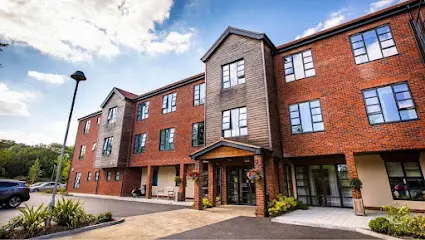
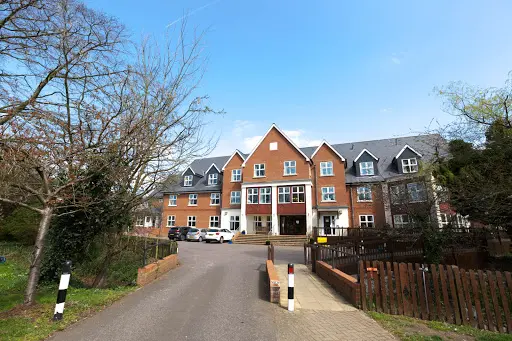
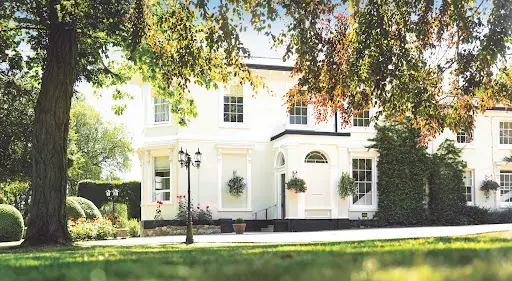
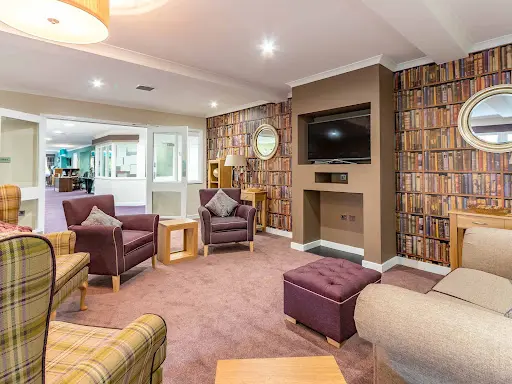
The home keeps everything spotless without feeling clinical — more like a well-loved family house than an institution. Mealtimes bring proper home cooking to the table, with the head chef taking time to learn what each resident enjoys. Whether it's the summer BBQ on the patio or Silver Sunday celebrations, there's always something happening to brighten the day.
“Sometimes you just know when a place has got it right — and at Shelburne Lodge, that feeling comes through in every conversation with families who've found what they were looking for.”
DCC does not edit or curate content in this tab. For independently curated information, see The Evidence and DCC Verdict.