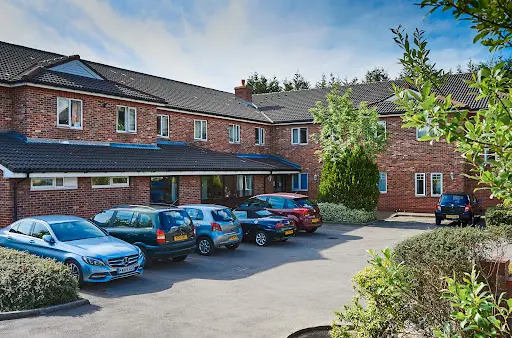
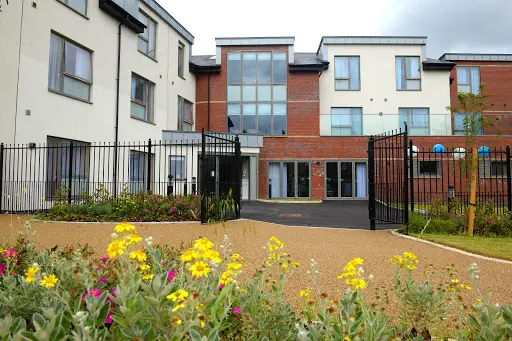
Belsfield House

At a Glance
The information you need to decide whether this home warrants a closer look.
Nursing homes
Staff warmth score
of reviewers answered yes
Good to know
- Registered beds40
- SpecialismsCaring for adults over 65 yrs, Caring for adults under 65 yrs, Dementia, Learning disabilities, Mental health conditions, Physical disabilities
- Last inspected2022-10-01
Save Belsfield House to your shortlist
Keep a running list, add visit notes, and compare homes side-by-side. Free account — it takes a minute.
STAGE 4 — RESEARCHING CARE HOMES
Visit homes. Compare them side by side. Choose with confidence.
Most of us will view care homes the way we view houses, impression, atmosphere, the feeling in the corridor. We go home, try to remember what we saw, and make a permanent decision from a blurred memory.

The DCC shortlist gives every home you visit a structured record: the same twelve questions, answered the same way, every time. When you’re ready to choose, pull any two homes side by side and compare them directly. Same criteria, same evidence, your notes and your scores.
The Evidence
What the review data, the inspection reports, and the dementia-care evidence base tell us about this home.
What families say
Visitors often comment on the calm atmosphere throughout the home. Staff communicate quietly with residents and each other, working as a genuine team without the tension you sometimes see elsewhere. There's a sense that everyone here understands their role in maintaining residents' dignity.
The eight family priority themes
- Staff warmth75
- Compassion & dignity90
- Cleanliness70
- Activities & engagement70
- Food quality65
- Healthcare75
- Management & leadership75
- Resident happiness70
What inspectors found
Inspected 2022-10-01
Is this home safe?
Is the care effective?
The August 2025 inspection rated Belsfield House as Good for effective. This domain covers training, care planning, GP and healthcare access, nutrition, and how well the home understands and meets individual needs. No specific detail about training content, care plan quality, or healthcare access is available in the published summary. The home's specialism list includes dementia, learning disabilities, and mental health conditions, which each require distinct staff skills and care planning approaches.Is this home caring?
The August 2025 inspection rated Belsfield House as Outstanding for caring. This is the highest possible rating and is given to homes where inspectors find exceptional evidence of warmth, dignity, respect, and person-centred relationships between staff and residents. Outstanding is awarded to a very small proportion of care homes. No specific observations, quotes, or examples are available in the published summary, but the rating itself is a strong positive signal.Is the home responsive?
The August 2025 inspection rated Belsfield House as Good for responsive. This domain covers how well the home tailors activities, daily routines, and care to individual needs and preferences, including end-of-life care and how complaints are handled. No specific detail about the activity programme, individual engagement, or end-of-life provision is available in the published summary. The home's mixed specialism profile, covering dementia, learning disabilities, physical disabilities, and mental health, means responsiveness to individual need is particularly complex to achieve.Is the home well-led?
The August 2025 inspection rated Belsfield House as Good for well-led. Mrs Paula Bell is the registered manager and Mr Darren Keith Bell is the nominated individual; both are named in the inspection record, indicating a defined leadership structure. The home is operated by Ryecourt Limited. No specific observations about management visibility, staff culture, governance processes, or how the home handles complaints are available in the published summary.
Source: CQC inspection report →
What the evidence base says
Belsfield House supports adults both under and over 65 with various needs including dementia, learning disabilities, mental health conditions and physical disabilities. This breadth of experience means they're equipped to handle complex or changing care requirements. For those living with dementia, the home takes a sensitive approach from the very first visit. Families dealing with early-stage dementia have found the admission process handled with particular care and understanding. All areas worth probing directly during a visit.
The DCC Verdict
Our editorial view, built from the three lenses: what families tell us, what inspectors record, and how the home sits against good dementia-care practice.
DCC Family Score
Belsfield House scores well above average, driven by an Outstanding rating for caring, which is the single most important theme for families. Most other domains are rated Good, though the absence of detailed inspection narrative means several areas cannot be scored with full confidence.
Homes in North West typically score 68–82.The three-lens summary
What families tell us
Visitors often comment on the calm atmosphere throughout the home. Staff communicate quietly with residents and each other, working as a genuine team without the tension you sometimes see elsewhere. There's a sense that everyone here understands their role in maintaining residents' dignity.
What inspectors have recorded
The management team knows each resident personally — their conditions, medications, and individual needs. Families find them approachable and knowledgeable when questions arise. Staff are consistently present with residents rather than disappearing to other duties, showing the kind of attentive supervision that gives families confidence.
How it sits against good practice
Sometimes the smallest details reveal the most — like staff who work together without complaint, or the way privacy and preferences matter here as much as medical needs.
Worth a visit
Belsfield House in Blackpool was assessed in August 2025, with the report published in December 2025. The home received a Good overall rating, with the standout result being an Outstanding rating for caring, the domain that covers staff warmth, dignity, and respect. The remaining four domains, safe, effective, responsive, and well-led, were each rated Good. This is a meaningful result: Outstanding for caring is awarded to a small minority of homes, and caring is the theme that matters most to families in our review data, appearing in 57.3 per cent of positive reviews. The main limitation of this report is that the published summary contains very little narrative detail. Domain ratings are confirmed, but specific observations, resident quotes, and evidence of how care is delivered day to day are not available in what has been shared. Before visiting, prepare a list of specific questions covering night staffing numbers, agency use, dementia training content, and how the home communicates with families when something changes. When you visit, arrive at a mealtime if possible and spend time in communal areas observing how staff interact with residents, particularly those who are less able to express themselves.
The three questions to ask when you visitSave this home. Compare it against your shortlist.
Let our analysis show you how Belsfield House measures up against the other homes you’re considering. Free account.
In Their Own Words
How Belsfield House describes itself — collected from its own website. DCC has not edited or independently verified the content in this tab.
Where respect and genuine care shape everyday life in Blackpool
Nursing home in Blackpool: True Peace of Mind
Finding the right care home means looking for somewhere that treats your loved one as an individual, not just another resident. Belsfield House in Blackpool stands out for its approach to dignity and respect. Families visiting here notice how staff work together calmly, creating an atmosphere where residents feel valued rather than processed through routines.
Who they care for
Belsfield House supports adults both under and over 65 with various needs including dementia, learning disabilities, mental health conditions and physical disabilities. This breadth of experience means they're equipped to handle complex or changing care requirements.
For those living with dementia, the home takes a sensitive approach from the very first visit. Families dealing with early-stage dementia have found the admission process handled with particular care and understanding.
“Sometimes the smallest details reveal the most — like staff who work together without complaint, or the way privacy and preferences matter here as much as medical needs.”
DCC does not edit or curate content in this tab. For independently curated information, see The Evidence and DCC Verdict.
The DCC Verdict
Our editorial view, built from the three lenses: what families tell us, what inspectors record, and how the home sits against good dementia-care practice.
DCC Family Score
Belsfield House scores well above average, driven by an Outstanding rating for caring, which is the single most important theme for families. Most other domains are rated Good, though the absence of detailed inspection narrative means several areas cannot be scored with full confidence.
Homes in North West typically score 68–82.The three-lens summary
What families tell us
Visitors often comment on the calm atmosphere throughout the home. Staff communicate quietly with residents and each other, working as a genuine team without the tension you sometimes see elsewhere. There's a sense that everyone here understands their role in maintaining residents' dignity.
What inspectors have recorded
The management team knows each resident personally — their conditions, medications, and individual needs. Families find them approachable and knowledgeable when questions arise. Staff are consistently present with residents rather than disappearing to other duties, showing the kind of attentive supervision that gives families confidence.
How it sits against good practice
Sometimes the smallest details reveal the most — like staff who work together without complaint, or the way privacy and preferences matter here as much as medical needs.
Worth a visit
Belsfield House in Blackpool was assessed in August 2025, with the report published in December 2025. The home received a Good overall rating, with the standout result being an Outstanding rating for caring, the domain that covers staff warmth, dignity, and respect. The remaining four domains, safe, effective, responsive, and well-led, were each rated Good. This is a meaningful result: Outstanding for caring is awarded to a small minority of homes, and caring is the theme that matters most to families in our review data, appearing in 57.3 per cent of positive reviews. The main limitation of this report is that the published summary contains very little narrative detail. Domain ratings are confirmed, but specific observations, resident quotes, and evidence of how care is delivered day to day are not available in what has been shared. Before visiting, prepare a list of specific questions covering night staffing numbers, agency use, dementia training content, and how the home communicates with families when something changes. When you visit, arrive at a mealtime if possible and spend time in communal areas observing how staff interact with residents, particularly those who are less able to express themselves.
The three questions to ask when you visitSave this home. Compare it against your shortlist.
Let our analysis show you how Belsfield House measures up against the other homes you’re considering. Free account.
In Their Own Words
How Belsfield House describes itself — collected from its own website. DCC has not edited or independently verified the content in this tab.
Where respect and genuine care shape everyday life in Blackpool
Nursing home in Blackpool: True Peace of Mind
Finding the right care home means looking for somewhere that treats your loved one as an individual, not just another resident. Belsfield House in Blackpool stands out for its approach to dignity and respect. Families visiting here notice how staff work together calmly, creating an atmosphere where residents feel valued rather than processed through routines.
Who they care for
Belsfield House supports adults both under and over 65 with various needs including dementia, learning disabilities, mental health conditions and physical disabilities. This breadth of experience means they're equipped to handle complex or changing care requirements.
For those living with dementia, the home takes a sensitive approach from the very first visit. Families dealing with early-stage dementia have found the admission process handled with particular care and understanding.
Management & ethos
The management team knows each resident personally — their conditions, medications, and individual needs. Families find them approachable and knowledgeable when questions arise. Staff are consistently present with residents rather than disappearing to other duties, showing the kind of attentive supervision that gives families confidence.
The home & environment
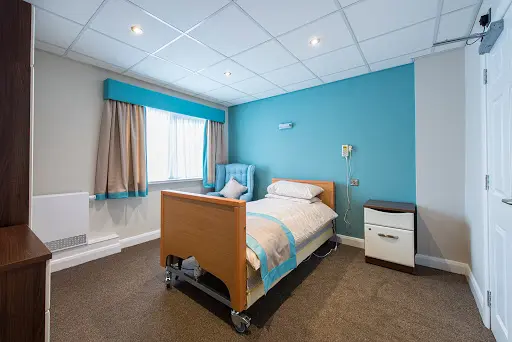
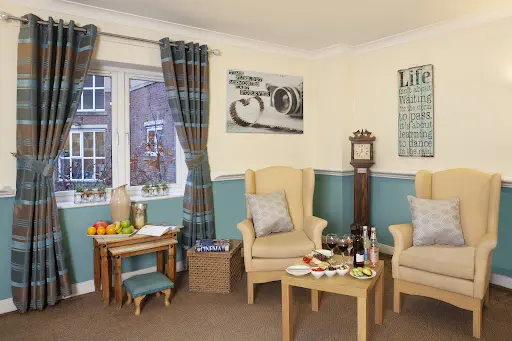
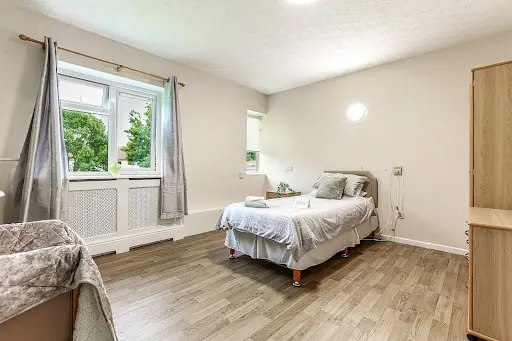
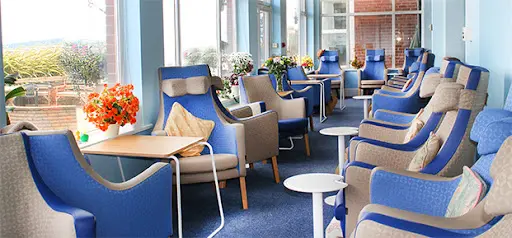
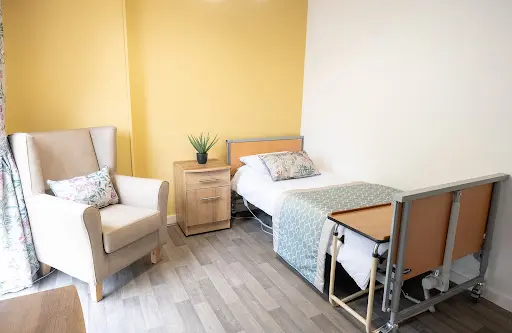
The home maintains high standards of cleanliness throughout, with both communal areas and private rooms kept tidy and fresh. Residents enjoy trips out with carers, getting beyond the four walls for activities and outings that keep them connected to the wider world.
“Sometimes the smallest details reveal the most — like staff who work together without complaint, or the way privacy and preferences matter here as much as medical needs.”
DCC does not edit or curate content in this tab. For independently curated information, see The Evidence and DCC Verdict.