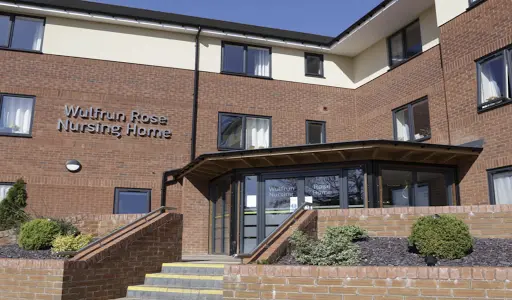
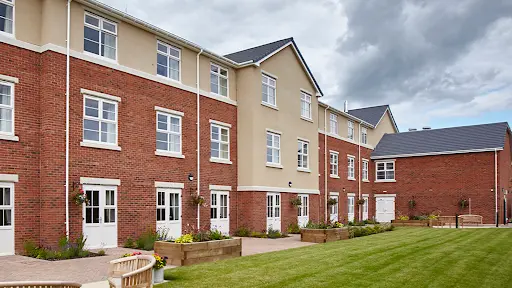
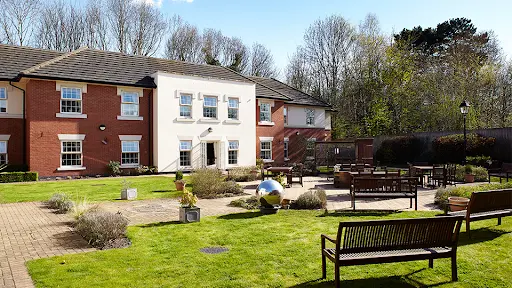
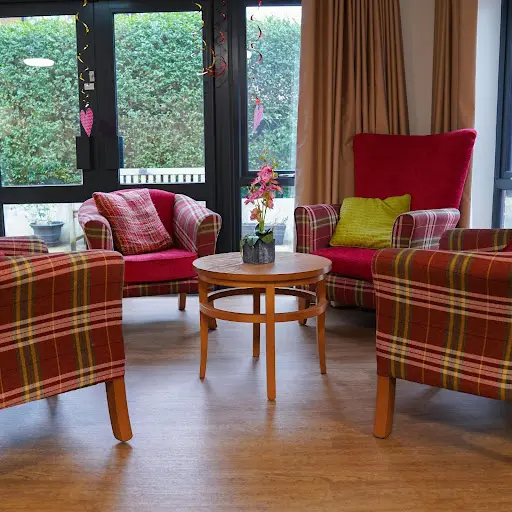
Hempstalls Hall Care Home
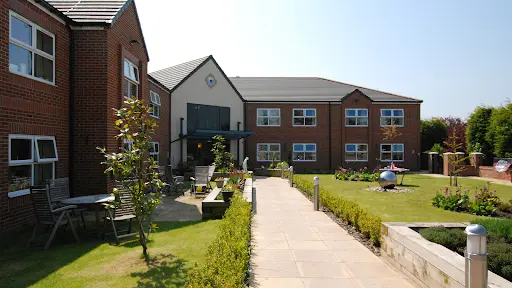
At a Glance
The information you need to decide whether this home warrants a closer look.
Residential homes
Staff warmth score
of reviewers answered yes
Good to know
- Registered beds40
- SpecialismsCaring for adults over 65 yrs, Caring for adults under 65 yrs, Dementia, Physical disabilities
- Last inspected2019-07-17
Save Hempstalls Hall Care Home to your shortlist
Keep a running list, add visit notes, and compare homes side-by-side. Free account — it takes a minute.
STAGE 4 — RESEARCHING CARE HOMES
Visit homes. Compare them side by side. Choose with confidence.
Most of us will view care homes the way we view houses, impression, atmosphere, the feeling in the corridor. We go home, try to remember what we saw, and make a permanent decision from a blurred memory.

The DCC shortlist gives every home you visit a structured record: the same twelve questions, answered the same way, every time. When you’re ready to choose, pull any two homes side by side and compare them directly. Same criteria, same evidence, your notes and your scores.
The Evidence
What the review data, the inspection reports, and the dementia-care evidence base tell us about this home.
What families say
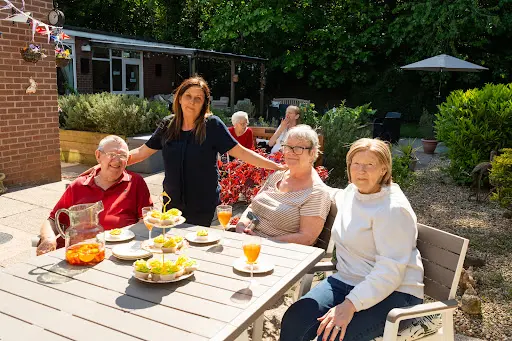
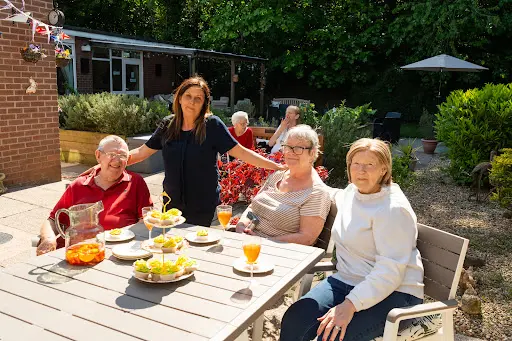
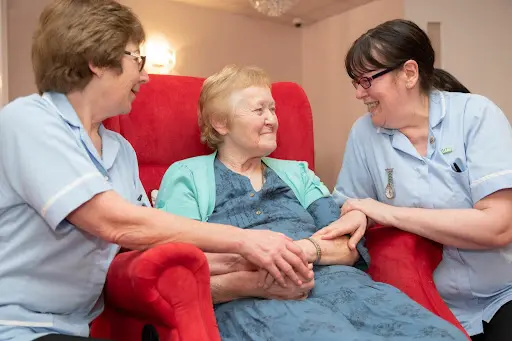
Families talk about the genuine warmth that helps residents settle in, even those who were initially reluctant about the move. There's a real focus on helping people connect with each other — some residents even volunteer as buddies to welcome newcomers. The variety of activities and entertainment seems to spark something in people, with families surprised and delighted to see their relatives joining in and making friends.
The eight family priority themes
- Staff warmth55
- Compassion & dignity55
- Cleanliness55
- Activities & engagement50
- Food quality50
- Healthcare55
- Management & leadership60
- Resident happiness55
What inspectors found
Inspected 2019-07-17
Is this home safe?
Is the care effective?
The Effective domain was rated Good at the June 2019 inspection. This domain covers training, care planning, access to healthcare, and food quality. The home lists dementia as a specialism, which implies relevant training is expected. No specific detail about training content, care plan personalisation, GP access arrangements, or food quality is included in the published text.Is this home caring?
The Caring domain was rated Good at the June 2019 inspection. This covers staff warmth, dignity, respect, and support for independence. Staff warmth is the single biggest driver of positive family reviews in our data, mentioned in 57.3% of positive Google reviews across UK care homes. The published text includes no direct inspector observations about how staff interact with residents, no quotes from residents or relatives, and no specific examples of dignity practices.Is the home responsive?
The Responsive domain was rated Good at the June 2019 inspection. This covers activities, individual engagement, and end-of-life care. The home is registered to support people with dementia, physical disabilities, and adults of varying ages, which implies a need for varied and tailored approaches to activity. No specific detail about the activity programme, one-to-one engagement, or end-of-life planning is included in the published text.Is the home well-led?
The Well-led domain was rated Good at the June 2019 inspection. The inspection records a named registered manager, Mrs Lisa Bailey, and a nominated individual, Mrs Natasha Southall. The home is operated by Avery Homes Newcastle UL Limited. No information is available about how long the current manager has been in post, what the staff culture is like, or how the home handles complaints and feedback.
Source: CQC inspection report →
What the evidence base says
The home welcomes younger adults under 65 alongside older residents, creating an unusually diverse community. They're equipped to support people with physical disabilities and those living with dementia. For residents with dementia, the secure environment gives families real reassurance. Staff clearly understand how to support people who might wander or become confused, keeping them safe while still encouraging independence where possible. All areas worth probing directly during a visit.
The DCC Verdict
Our editorial view, built from the three lenses: what families tell us, what inspectors record, and how the home sits against good dementia-care practice.
DCC Family Score
Hempstalls Hall Care Home holds a Good rating across all five inspection domains, but the published report text contains very little specific detail to substantiate individual scores. The ratings reflect official inspection outcomes rather than granular evidence of what daily life looks like for your mum or dad.
Homes in West Midlands typically score 68–82.The three-lens summary
What families tell us
Families talk about the genuine warmth that helps residents settle in, even those who were initially reluctant about the move. There's a real focus on helping people connect with each other — some residents even volunteer as buddies to welcome newcomers. The variety of activities and entertainment seems to spark something in people, with families surprised and delighted to see their relatives joining in and making friends.
What inspectors have recorded
The staff strike families as genuinely professional and attentive, treating residents with real dignity and respect. They seem to understand what each person needs, whether that's gentle encouragement to join activities or simply knowing when someone needs quiet time. Families particularly value the secure environment and careful supervision that keeps vulnerable residents safe without feeling restrictive.
How it sits against good practice
It's worth visiting to see how the atmosphere helps people reconnect with life in ways their families hadn't expected.
Worth a visit
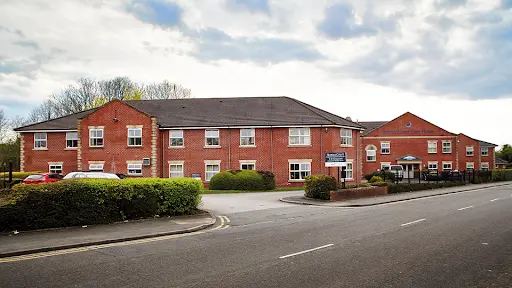
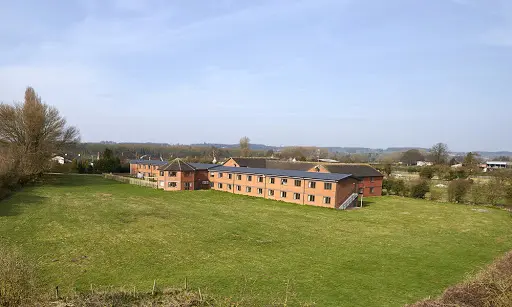
Hempstalls Hall Care Home, on Hempstalls Lane in Newcastle-under-Lyme, was rated Good across all five inspection domains at its last inspection in June 2019. The home is registered for 40 beds and supports adults over and under 65, including people living with dementia and physical disabilities. A named registered manager and nominated individual are recorded, suggesting a formal leadership structure. The rating has been reviewed remotely in July 2023, with no evidence found to require reassessment at that stage. The main limitation here is that the published inspection report contains very little specific evidence about what daily life looks like for your mum or dad. Good ratings are a positive foundation, but the inspection took place more than five years ago and the detailed findings are not available in the published text. Before visiting, prepare a shortlist of direct questions: how many permanent staff are on the dementia unit after 8pm, how recently care plans are reviewed, and what one-to-one activities are available for residents who cannot join group sessions. A visit at an unannounced time, ideally around a mealtime, will tell you more than the inspection text can.
The three questions to ask when you visitSave this home. Compare it against your shortlist.
Let our analysis show you how Hempstalls Hall Care Home measures up against the other homes you’re considering. Free account.
In Their Own Words
How Hempstalls Hall Care Home describes itself — collected from its own website. DCC has not edited or independently verified the content in this tab.
Where residents rediscover friendship and find their confidence again
Dedicated residential home Support in Newcastle Under Lyme
For families worried about isolation and decline, Hempstalls Hall Care Home in Newcastle Under Lyme offers something genuinely heartening. Families consistently describe watching their loved ones transform from withdrawn and anxious to engaged and sociable, finding new friendships and rediscovering interests they thought were lost.
Who they care for
The home welcomes younger adults under 65 alongside older residents, creating an unusually diverse community. They're equipped to support people with physical disabilities and those living with dementia.
For residents with dementia, the secure environment gives families real reassurance. Staff clearly understand how to support people who might wander or become confused, keeping them safe while still encouraging independence where possible.
“It's worth visiting to see how the atmosphere helps people reconnect with life in ways their families hadn't expected.”
DCC does not edit or curate content in this tab. For independently curated information, see The Evidence and DCC Verdict.
The DCC Verdict
Our editorial view, built from the three lenses: what families tell us, what inspectors record, and how the home sits against good dementia-care practice.
DCC Family Score
Hempstalls Hall Care Home holds a Good rating across all five inspection domains, but the published report text contains very little specific detail to substantiate individual scores. The ratings reflect official inspection outcomes rather than granular evidence of what daily life looks like for your mum or dad.
Homes in West Midlands typically score 68–82.The three-lens summary
What families tell us
Families talk about the genuine warmth that helps residents settle in, even those who were initially reluctant about the move. There's a real focus on helping people connect with each other — some residents even volunteer as buddies to welcome newcomers. The variety of activities and entertainment seems to spark something in people, with families surprised and delighted to see their relatives joining in and making friends.
What inspectors have recorded
The staff strike families as genuinely professional and attentive, treating residents with real dignity and respect. They seem to understand what each person needs, whether that's gentle encouragement to join activities or simply knowing when someone needs quiet time. Families particularly value the secure environment and careful supervision that keeps vulnerable residents safe without feeling restrictive.
How it sits against good practice
It's worth visiting to see how the atmosphere helps people reconnect with life in ways their families hadn't expected.
Worth a visit
Hempstalls Hall Care Home, on Hempstalls Lane in Newcastle-under-Lyme, was rated Good across all five inspection domains at its last inspection in June 2019. The home is registered for 40 beds and supports adults over and under 65, including people living with dementia and physical disabilities. A named registered manager and nominated individual are recorded, suggesting a formal leadership structure. The rating has been reviewed remotely in July 2023, with no evidence found to require reassessment at that stage. The main limitation here is that the published inspection report contains very little specific evidence about what daily life looks like for your mum or dad. Good ratings are a positive foundation, but the inspection took place more than five years ago and the detailed findings are not available in the published text. Before visiting, prepare a shortlist of direct questions: how many permanent staff are on the dementia unit after 8pm, how recently care plans are reviewed, and what one-to-one activities are available for residents who cannot join group sessions. A visit at an unannounced time, ideally around a mealtime, will tell you more than the inspection text can.
The three questions to ask when you visitSave this home. Compare it against your shortlist.
Let our analysis show you how Hempstalls Hall Care Home measures up against the other homes you’re considering. Free account.
In Their Own Words
How Hempstalls Hall Care Home describes itself — collected from its own website. DCC has not edited or independently verified the content in this tab.
Where residents rediscover friendship and find their confidence again
Dedicated residential home Support in Newcastle Under Lyme
For families worried about isolation and decline, Hempstalls Hall Care Home in Newcastle Under Lyme offers something genuinely heartening. Families consistently describe watching their loved ones transform from withdrawn and anxious to engaged and sociable, finding new friendships and rediscovering interests they thought were lost.
Who they care for
The home welcomes younger adults under 65 alongside older residents, creating an unusually diverse community. They're equipped to support people with physical disabilities and those living with dementia.
For residents with dementia, the secure environment gives families real reassurance. Staff clearly understand how to support people who might wander or become confused, keeping them safe while still encouraging independence where possible.
Management & ethos
The staff strike families as genuinely professional and attentive, treating residents with real dignity and respect. They seem to understand what each person needs, whether that's gentle encouragement to join activities or simply knowing when someone needs quiet time. Families particularly value the secure environment and careful supervision that keeps vulnerable residents safe without feeling restrictive.
The home & environment
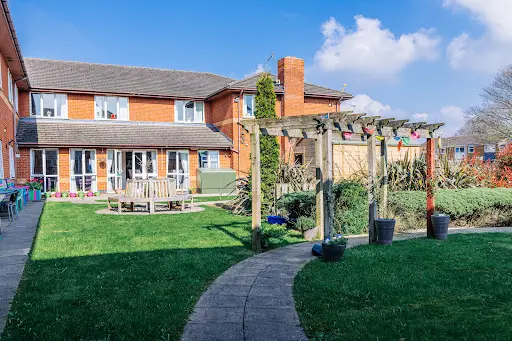
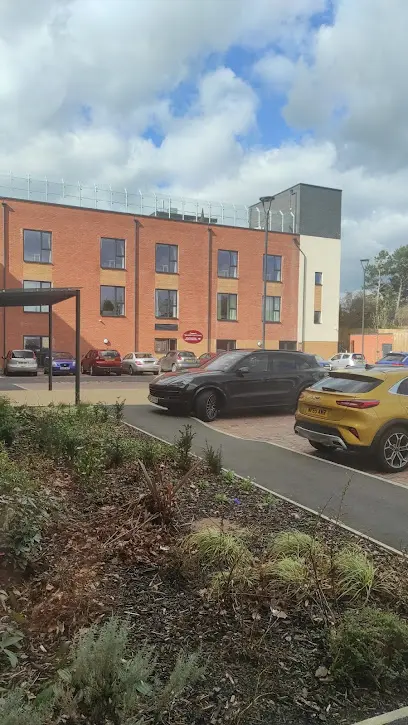
The home has thoughtfully adapted bathrooms and mobility aids throughout, making daily life easier for residents with physical challenges. Families mention the kitchen's flexibility with dietary needs, working around individual preferences and requirements.
“It's worth visiting to see how the atmosphere helps people reconnect with life in ways their families hadn't expected.”
DCC does not edit or curate content in this tab. For independently curated information, see The Evidence and DCC Verdict.