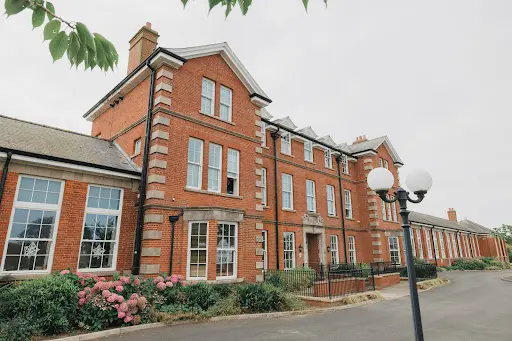
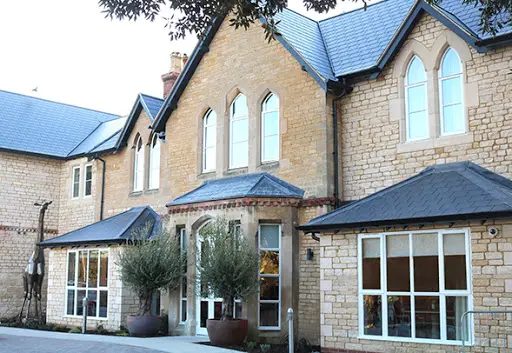
Ladysmith Care Home
At a Glance
The information you need to decide whether this home warrants a closer look.
Residential homes
Staff warmth score
of reviewers answered yes
Good to know
- Registered beds89
- SpecialismsCaring for adults over 65 yrs, Caring for adults under 65 yrs, Dementia, Mental health conditions, Physical disabilities, Sensory impairment
- Last inspected2022-06-24
Save Ladysmith Care Home to your shortlist
Keep a running list, add visit notes, and compare homes side-by-side. Free account — it takes a minute.
STAGE 4 — RESEARCHING CARE HOMES
Visit homes. Compare them side by side. Choose with confidence.
Most of us will view care homes the way we view houses, impression, atmosphere, the feeling in the corridor. We go home, try to remember what we saw, and make a permanent decision from a blurred memory.

The DCC shortlist gives every home you visit a structured record: the same twelve questions, answered the same way, every time. When you’re ready to choose, pull any two homes side by side and compare them directly. Same criteria, same evidence, your notes and your scores.
The Evidence
What the review data, the inspection reports, and the dementia-care evidence base tell us about this home.
What families say
Families describe a welcoming atmosphere where staff are kind and approachable with visitors. Several relatives have noticed how residents form strong bonds with particular staff members, which seems to make a real difference in helping people feel at home. The consistent warmth shown to both residents and their families comes through in many accounts.
The eight family priority themes
- Staff warmth70
- Compassion & dignity70
- Cleanliness70
- Activities & engagement65
- Food quality65
- Healthcare68
- Management & leadership70
- Resident happiness68
What inspectors found
Inspected 2022-06-24
Is this home safe?
Is the care effective?
The Effective domain was rated Good in May 2022. This domain covers care planning, dementia-specific training, healthcare access including GP and specialist referrals, and nutritional care. No specific examples of care plan content, training records, or healthcare arrangements are described in the available published text. The home lists dementia, mental health conditions, physical disabilities, and sensory impairment as specialisms, which implies a need for a particularly skilled and well-trained staff team.Is this home caring?
The Caring domain was rated Good in May 2022. This is the domain that covers staff warmth, dignity, respect, and support for independence. No direct quotes from residents or relatives are available in the published report text, and no specific inspector observations about staff interactions are described. The absence of specific evidence does not indicate poor care, but it does mean you are working from a headline rating rather than a detailed picture.Is the home responsive?
The Responsive domain was rated Good in May 2022. This domain covers activities, meaningful engagement, individuality, and end-of-life care. No specific activity programmes, examples of individualised engagement, or information about how the home supports people who cannot join group activities are described in the available published text. For a home supporting people living with dementia and mental health conditions, the quality of daily engagement matters considerably to your parent's quality of life.Is the home well-led?
The Well-led domain was rated Good in May 2022. This domain covers management visibility, staff culture, governance, and the home's ability to learn from incidents. No specific detail about the manager, their tenure, staff feedback mechanisms, or how the home handles complaints is available in the published text. Critically, this home has been deregistered as of March 2026, which means the leadership and governance picture may have changed substantially since the inspection.
Source: CQC inspection report →
What the evidence base says
The home cares for adults of all ages with various needs, including sensory impairments, physical disabilities, and mental health conditions. They also provide specialist dementia support. For residents with dementia, the staff focus on building meaningful connections that help with wellbeing and settlement. The team understands how important these relationships are for residents living with dementia. All areas worth probing directly during a visit.
The DCC Verdict
Our editorial view, built from the three lenses: what families tell us, what inspectors record, and how the home sits against good dementia-care practice.
DCC Family Score
Ladysmith Care Home was rated Good across all five inspection domains in May 2022, which is a genuinely positive baseline. However, the published report contains very little specific detail, so scores reflect the rating itself rather than rich observational evidence.
Homes in Yorkshire & Humberside typically score 68–82.The three-lens summary
What families tell us
Families describe a welcoming atmosphere where staff are kind and approachable with visitors. Several relatives have noticed how residents form strong bonds with particular staff members, which seems to make a real difference in helping people feel at home. The consistent warmth shown to both residents and their families comes through in many accounts.
What inspectors have recorded
Staff show particular dedication during difficult times, with families noting the quality of end-of-life care provided. The team's commitment extends around the clock, with relatives observing how staff maintain consistent, attentive care throughout their shifts. One family mentioned some variance in staff approach, though most accounts emphasise the caring nature of the team.
How it sits against good practice
If you're looking for care in the Grimsby area, visiting Ladysmith could help you get a feel for their approach to resident care.
Worth a visit
Ladysmith Care Home on Patrick Street in Grimsby was rated Good across all five inspection domains at its last inspection in May 2022. That is a positive baseline: inspectors were satisfied with safety, care planning, staff approach, activities, and leadership. The home supports adults over and under 65, including people living with dementia, mental health conditions, physical disabilities, and sensory impairment, across 89 beds. The most important thing to understand before visiting is that the published report contains very little specific evidence. A Good rating tells you inspectors found no serious concerns, but it does not tell you what a Tuesday afternoon looks like for your parent on the dementia unit, how many staff are on at night, or how the home communicates with families when something changes. The home was also deregistered as of March 2026, which means it is no longer operating under its registration with the regulator. Before making any decisions, confirm the current status of the home directly, ask who now runs it and under what registration, and treat the 2022 findings as background context rather than a current guarantee.
The three questions to ask when you visitSave this home. Compare it against your shortlist.
Let our analysis show you how Ladysmith Care Home measures up against the other homes you’re considering. Free account.
In Their Own Words
How Ladysmith Care Home describes itself — collected from its own website. DCC has not edited or independently verified the content in this tab.
Where dedicated staff help residents feel truly settled and cared for
Compassionate Care in Grimsby at Ladysmith Care Home
When families need residential care, finding somewhere that feels genuinely caring matters most. Ladysmith Care Home in Grimsby has built a reputation for helping residents settle well, with staff who take time to build real relationships. The home provides support for various needs, including dementia care, mental health conditions, and physical disabilities.
Who they care for
The home cares for adults of all ages with various needs, including sensory impairments, physical disabilities, and mental health conditions. They also provide specialist dementia support.
For residents with dementia, the staff focus on building meaningful connections that help with wellbeing and settlement. The team understands how important these relationships are for residents living with dementia.
“If you're looking for care in the Grimsby area, visiting Ladysmith could help you get a feel for their approach to resident care.”
DCC does not edit or curate content in this tab. For independently curated information, see The Evidence and DCC Verdict.
The DCC Verdict
Our editorial view, built from the three lenses: what families tell us, what inspectors record, and how the home sits against good dementia-care practice.
DCC Family Score
Ladysmith Care Home was rated Good across all five inspection domains in May 2022, which is a genuinely positive baseline. However, the published report contains very little specific detail, so scores reflect the rating itself rather than rich observational evidence.
Homes in Yorkshire & Humberside typically score 68–82.The three-lens summary
What families tell us
Families describe a welcoming atmosphere where staff are kind and approachable with visitors. Several relatives have noticed how residents form strong bonds with particular staff members, which seems to make a real difference in helping people feel at home. The consistent warmth shown to both residents and their families comes through in many accounts.
What inspectors have recorded
Staff show particular dedication during difficult times, with families noting the quality of end-of-life care provided. The team's commitment extends around the clock, with relatives observing how staff maintain consistent, attentive care throughout their shifts. One family mentioned some variance in staff approach, though most accounts emphasise the caring nature of the team.
How it sits against good practice
If you're looking for care in the Grimsby area, visiting Ladysmith could help you get a feel for their approach to resident care.
Worth a visit
Ladysmith Care Home on Patrick Street in Grimsby was rated Good across all five inspection domains at its last inspection in May 2022. That is a positive baseline: inspectors were satisfied with safety, care planning, staff approach, activities, and leadership. The home supports adults over and under 65, including people living with dementia, mental health conditions, physical disabilities, and sensory impairment, across 89 beds. The most important thing to understand before visiting is that the published report contains very little specific evidence. A Good rating tells you inspectors found no serious concerns, but it does not tell you what a Tuesday afternoon looks like for your parent on the dementia unit, how many staff are on at night, or how the home communicates with families when something changes. The home was also deregistered as of March 2026, which means it is no longer operating under its registration with the regulator. Before making any decisions, confirm the current status of the home directly, ask who now runs it and under what registration, and treat the 2022 findings as background context rather than a current guarantee.
The three questions to ask when you visitSave this home. Compare it against your shortlist.
Let our analysis show you how Ladysmith Care Home measures up against the other homes you’re considering. Free account.
In Their Own Words
How Ladysmith Care Home describes itself — collected from its own website. DCC has not edited or independently verified the content in this tab.
Where dedicated staff help residents feel truly settled and cared for
Compassionate Care in Grimsby at Ladysmith Care Home
When families need residential care, finding somewhere that feels genuinely caring matters most. Ladysmith Care Home in Grimsby has built a reputation for helping residents settle well, with staff who take time to build real relationships. The home provides support for various needs, including dementia care, mental health conditions, and physical disabilities.
Who they care for
The home cares for adults of all ages with various needs, including sensory impairments, physical disabilities, and mental health conditions. They also provide specialist dementia support.
For residents with dementia, the staff focus on building meaningful connections that help with wellbeing and settlement. The team understands how important these relationships are for residents living with dementia.
Management & ethos
Staff show particular dedication during difficult times, with families noting the quality of end-of-life care provided. The team's commitment extends around the clock, with relatives observing how staff maintain consistent, attentive care throughout their shifts. One family mentioned some variance in staff approach, though most accounts emphasise the caring nature of the team.
The home & environment
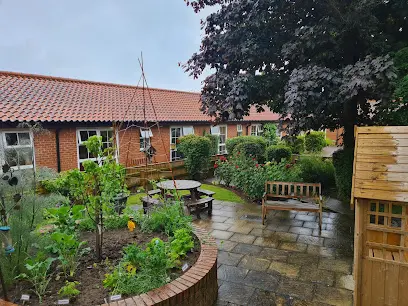
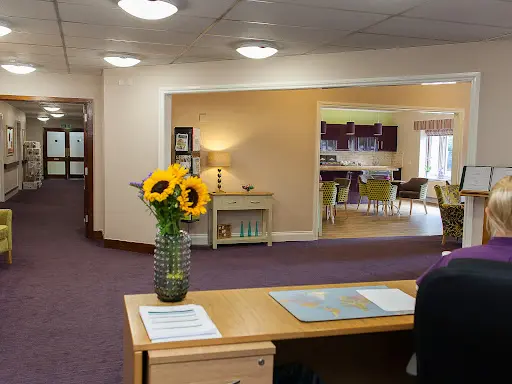
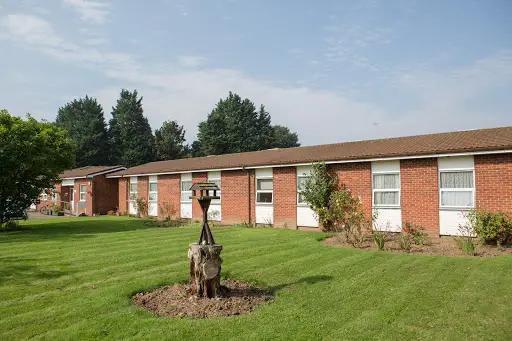
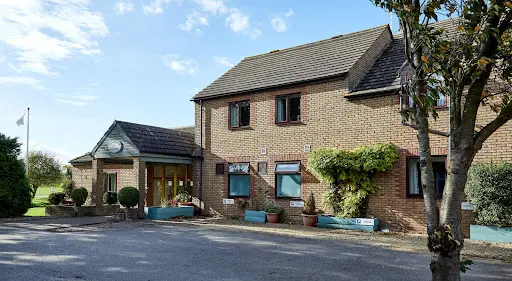
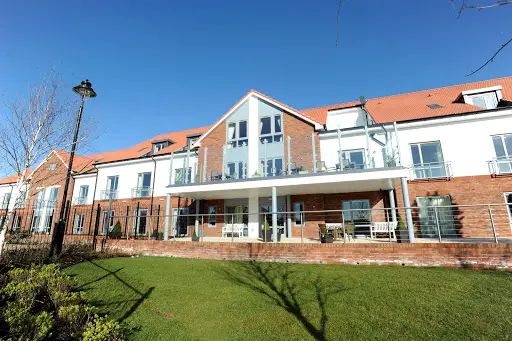
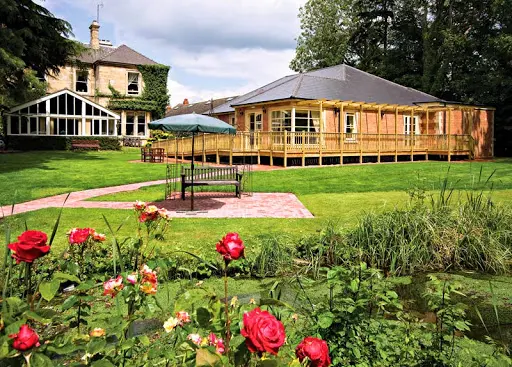
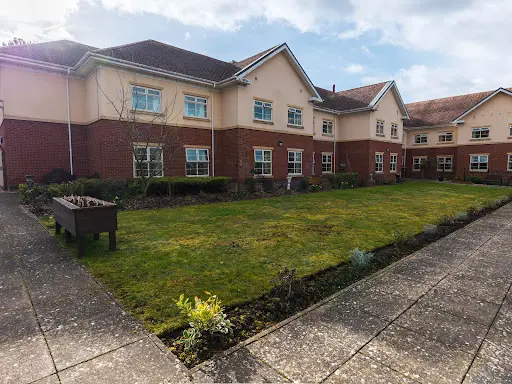
The home maintains high standards of cleanliness throughout, something families consistently notice during visits. Everything is kept tidy and well-maintained, creating a pleasant environment for residents.
“If you're looking for care in the Grimsby area, visiting Ladysmith could help you get a feel for their approach to resident care.”
DCC does not edit or curate content in this tab. For independently curated information, see The Evidence and DCC Verdict.