OSJCT Lent Rise House
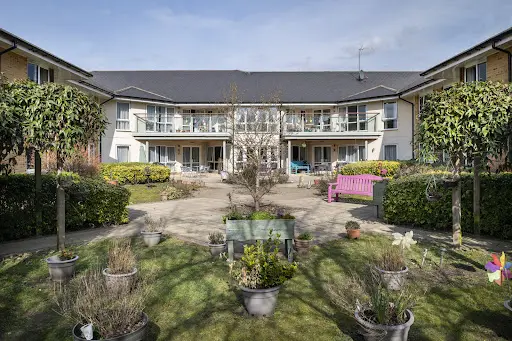
At a Glance
The information you need to decide whether this home warrants a closer look.
Nursing homes
Staff warmth score
of reviewers answered yes
Good to know
- Registered beds60
- SpecialismsCaring for adults over 65 yrs, Dementia, Learning disabilities
- Last inspected2019-07-06
Save OSJCT Lent Rise House to your shortlist
Keep a running list, add visit notes, and compare homes side-by-side. Free account — it takes a minute.
STAGE 4 — RESEARCHING CARE HOMES
Visit homes. Compare them side by side. Choose with confidence.
Most of us will view care homes the way we view houses, impression, atmosphere, the feeling in the corridor. We go home, try to remember what we saw, and make a permanent decision from a blurred memory.

The DCC shortlist gives every home you visit a structured record: the same twelve questions, answered the same way, every time. When you’re ready to choose, pull any two homes side by side and compare them directly. Same criteria, same evidence, your notes and your scores.
The Evidence
What the review data, the inspection reports, and the dementia-care evidence base tell us about this home.
What families say
People talk about staff who really get to know residents — their past interests, what makes them smile, how they liked to spend their days before. Families mention being able to drop by whenever they want, finding their relatives engaged in activities that feel right for them.
The eight family priority themes
- Staff warmth72
- Compassion & dignity72
- Cleanliness70
- Activities & engagement65
- Food quality65
- Healthcare70
- Management & leadership75
- Resident happiness70
What inspectors found
Inspected 2019-07-06
Is this home safe?
Is the care effective?
The Effective domain was rated Good at the June 2019 inspection. This domain covers care planning, staff training, healthcare access, food and nutrition, and whether care reflects each person's individual needs. The home lists dementia as a specialism, which implies some level of specific staff training and care pathway. No detail is available in the published summary about how frequently care plans are reviewed, whether families are included in reviews, or what dementia training staff receive. Food quality and dietary management are not specifically described.Is this home caring?
The Caring domain was rated Good at the June 2019 inspection. This domain assesses whether staff are kind, whether residents' dignity and privacy are respected, and whether people are treated as individuals rather than as tasks to be completed. A Good rating here means inspectors were satisfied with what they observed, but the published summary contains no direct observations, no resident quotes, and no specific examples of how staff interacted with people during the visit. The improvement from a previous Requires Improvement rating suggests earlier concerns in this area were addressed.Is the home responsive?
The Responsive domain was rated Good at the June 2019 inspection. This domain covers whether the home responds to individual needs, whether activities are meaningful and varied, and whether end-of-life care is planned with dignity. The home lists dementia and learning disabilities as specialisms alongside older adult care, which suggests some tailored approach to diverse needs. No activity programme details, individual engagement examples, or end-of-life care information are recorded in the published summary. Family communication and involvement in care decisions are also not described.Is the home well-led?
The Well-led domain was rated Good at the June 2019 inspection, and the home is managed by a named registered manager, Mrs Louise Rebecca Foyle-York, with a nominated individual, Ms Caroline Dunagan. The home is operated by The Fremantle Trust. The improvement from a previous Requires Improvement rating across all five domains suggests that leadership took accountability seriously after the earlier inspection and made meaningful changes. No information is available about management visibility, staff culture, how concerns are raised, or how the home monitors quality on an ongoing basis.
Source: CQC inspection report →
What the evidence base says
The home cares for people over 65, with particular experience in dementia and learning disabilities. Families describe staff who understand the realities of Alzheimer's and advanced dementia. The team seems to balance medical needs with maintaining dignity, helping residents stay connected to who they were through activities like gardening. All areas worth probing directly during a visit.
The DCC Verdict
Our editorial view, built from the three lenses: what families tell us, what inspectors record, and how the home sits against good dementia-care practice.
DCC Family Score
Lent Rise House improved from Requires Improvement to Good across all five domains at its last inspection, which is a meaningful positive trend. However, the published report contains very little specific detail, so most scores reflect a confirmed Good rating rather than rich, observed evidence.
Homes in South East typically score 68–82.The three-lens summary
What families tell us
People talk about staff who really get to know residents — their past interests, what makes them smile, how they liked to spend their days before. Families mention being able to drop by whenever they want, finding their relatives engaged in activities that feel right for them.
What inspectors have recorded
Staff come across as approachable and consistent in their approach. Several families mention how the team handles the challenges of dementia with real understanding, especially during those difficult final stages when good nursing care matters most.
How it sits against good practice
It's worth chatting with the team about their approach to care and seeing the gardens for yourself.
Worth a visit
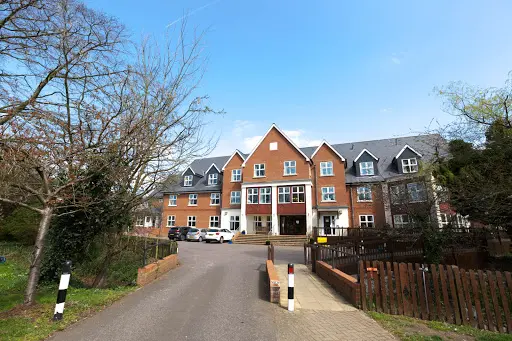
Lent Rise House, on Coulson Way in Slough, was rated Good across all five inspection domains at its last inspection in June 2019. This is a positive result, and importantly it represents an improvement from a previous Requires Improvement rating, which tells you the home identified problems and addressed them. The registered manager is named and in post, and the home is run by The Fremantle Trust. It has 60 beds and specialises in dementia, older adults, and learning disabilities. The main limitation here is that the published inspection summary contains very little specific detail. There are no direct observations about how staff interact with residents, no quotes from your mum or dad's perspective, and no information about staffing ratios, night cover, agency use, or activities. A Good rating is genuinely meaningful, but it tells you the minimum threshold was met, not necessarily that everything was excellent. Before visiting, prepare three specific questions: how many permanent staff worked nights last week; what one-to-one activity support is available for someone who cannot join group sessions; and how families are kept informed and involved in care reviews.
The three questions to ask when you visitSave this home. Compare it against your shortlist.
Let our analysis show you how OSJCT Lent Rise House measures up against the other homes you’re considering. Free account.
In Their Own Words
How OSJCT Lent Rise House describes itself — collected from its own website. DCC has not edited or independently verified the content in this tab.
Where gardening and gentle care help residents feel at ease
Dedicated nursing home Support in Slough
Families describe how Lent Rise House in Slough creates moments of connection through familiar activities. Whether it's tending plants in the garden or simply sitting together, the care home seems to understand what brings comfort to residents living with dementia.
Who they care for
The home cares for people over 65, with particular experience in dementia and learning disabilities.
Families describe staff who understand the realities of Alzheimer's and advanced dementia. The team seems to balance medical needs with maintaining dignity, helping residents stay connected to who they were through activities like gardening.
“It's worth chatting with the team about their approach to care and seeing the gardens for yourself.”
DCC does not edit or curate content in this tab. For independently curated information, see The Evidence and DCC Verdict.
The DCC Verdict
Our editorial view, built from the three lenses: what families tell us, what inspectors record, and how the home sits against good dementia-care practice.
DCC Family Score
Lent Rise House improved from Requires Improvement to Good across all five domains at its last inspection, which is a meaningful positive trend. However, the published report contains very little specific detail, so most scores reflect a confirmed Good rating rather than rich, observed evidence.
Homes in South East typically score 68–82.The three-lens summary
What families tell us
People talk about staff who really get to know residents — their past interests, what makes them smile, how they liked to spend their days before. Families mention being able to drop by whenever they want, finding their relatives engaged in activities that feel right for them.
What inspectors have recorded
Staff come across as approachable and consistent in their approach. Several families mention how the team handles the challenges of dementia with real understanding, especially during those difficult final stages when good nursing care matters most.
How it sits against good practice
It's worth chatting with the team about their approach to care and seeing the gardens for yourself.
Worth a visit
Lent Rise House, on Coulson Way in Slough, was rated Good across all five inspection domains at its last inspection in June 2019. This is a positive result, and importantly it represents an improvement from a previous Requires Improvement rating, which tells you the home identified problems and addressed them. The registered manager is named and in post, and the home is run by The Fremantle Trust. It has 60 beds and specialises in dementia, older adults, and learning disabilities. The main limitation here is that the published inspection summary contains very little specific detail. There are no direct observations about how staff interact with residents, no quotes from your mum or dad's perspective, and no information about staffing ratios, night cover, agency use, or activities. A Good rating is genuinely meaningful, but it tells you the minimum threshold was met, not necessarily that everything was excellent. Before visiting, prepare three specific questions: how many permanent staff worked nights last week; what one-to-one activity support is available for someone who cannot join group sessions; and how families are kept informed and involved in care reviews.
The three questions to ask when you visitSave this home. Compare it against your shortlist.
Let our analysis show you how OSJCT Lent Rise House measures up against the other homes you’re considering. Free account.
In Their Own Words
How OSJCT Lent Rise House describes itself — collected from its own website. DCC has not edited or independently verified the content in this tab.
Where gardening and gentle care help residents feel at ease
Dedicated nursing home Support in Slough
Families describe how Lent Rise House in Slough creates moments of connection through familiar activities. Whether it's tending plants in the garden or simply sitting together, the care home seems to understand what brings comfort to residents living with dementia.
Who they care for
The home cares for people over 65, with particular experience in dementia and learning disabilities.
Families describe staff who understand the realities of Alzheimer's and advanced dementia. The team seems to balance medical needs with maintaining dignity, helping residents stay connected to who they were through activities like gardening.
Management & ethos
Staff come across as approachable and consistent in their approach. Several families mention how the team handles the challenges of dementia with real understanding, especially during those difficult final stages when good nursing care matters most.
The home & environment
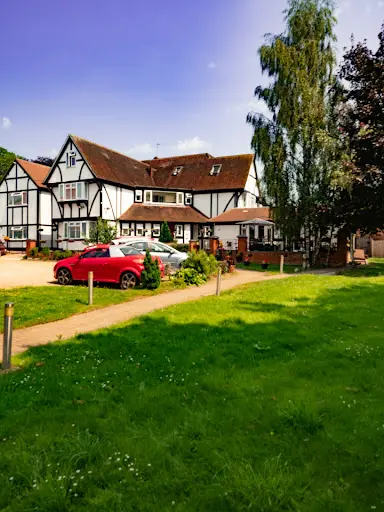
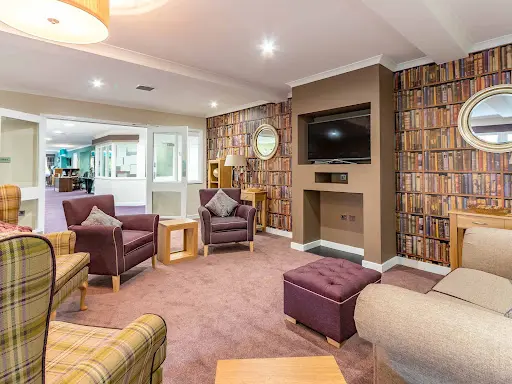
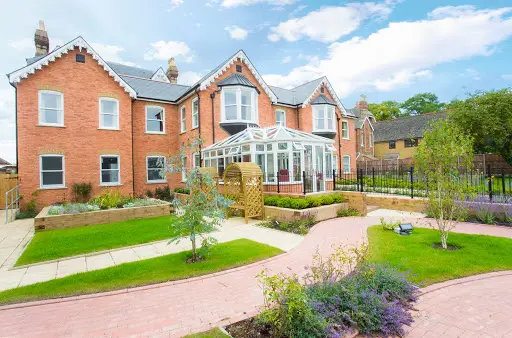
The home keeps things clean and comfortable, with food that families say meets their expectations. There's talk of gardening activities, including participation in local competitions, which gives residents with green fingers something meaningful to do.
“It's worth chatting with the team about their approach to care and seeing the gardens for yourself.”
DCC does not edit or curate content in this tab. For independently curated information, see The Evidence and DCC Verdict.