Langley Haven Dementia Care Home
At a Glance
The information you need to decide whether this home warrants a closer look.
Residential homes
Staff warmth score
of reviewers answered yes
Good to know
- Registered beds35
- SpecialismsCaring for adults over 65 yrs, Dementia
- Last inspected2025-08-05
Save Langley Haven Dementia Care Home to your shortlist
Keep a running list, add visit notes, and compare homes side-by-side. Free account — it takes a minute.
STAGE 4 — RESEARCHING CARE HOMES
Visit homes. Compare them side by side. Choose with confidence.
Most of us will view care homes the way we view houses, impression, atmosphere, the feeling in the corridor. We go home, try to remember what we saw, and make a permanent decision from a blurred memory.

The DCC shortlist gives every home you visit a structured record: the same twelve questions, answered the same way, every time. When you’re ready to choose, pull any two homes side by side and compare them directly. Same criteria, same evidence, your notes and your scores.
The Evidence
What the review data, the inspection reports, and the dementia-care evidence base tell us about this home.
What families say
Families describe a genuine warmth here that goes beyond routine care. The staff are known for being thorough and attentive, taking time to answer questions properly and keeping families involved without putting up barriers. There's a structured programme of weekly social activities that helps residents stay engaged and connected.
The eight family priority themes
- Staff warmth55
- Compassion & dignity55
- Cleanliness55
- Activities & engagement52
- Food quality52
- Healthcare55
- Management & leadership55
- Resident happiness55
What inspectors found
Inspected 2025-08-05
Is this home safe?
Is the care effective?
The Effective domain was rated Good at the September 2025 inspection. This domain covers whether staff have the right training and knowledge, whether care plans reflect each person's individual needs, and whether residents have timely access to healthcare including GPs and specialist support. The published report does not include specific findings on any of these areas. A Good rating suggests inspectors were satisfied with the overall picture, but no detail about dementia training, care plan quality, or healthcare access is available.Is this home caring?
The Caring domain was rated Good at the September 2025 inspection. This domain covers how staff interact with residents, whether people are treated with dignity and respect, and whether individuals retain as much independence as possible. The published report does not include inspector observations of staff interactions, resident responses, or specific examples of dignity and privacy practices. A Good Caring rating indicates inspectors were satisfied, but without supporting detail it is not possible to describe what they observed.Is the home responsive?
The Responsive domain was rated Good at the September 2025 inspection. This domain covers whether the home provides activities and social engagement suited to each person, whether individual preferences and life histories are reflected in daily life, and whether there are good arrangements for end-of-life care. The published report does not include any detail about the activities programme, how individual engagement is supported, or how the home approaches end-of-life planning. A Good rating indicates inspectors were satisfied with the overall provision.Is the home well-led?
The Well-led domain was rated Good at the September 2025 inspection. The registered manager is Mr Salim Jusab Alimohamed Dhalla and the nominated individual is Mr Uddhav Bhatta. This domain covers whether the home has stable, visible leadership, whether staff feel supported and can raise concerns, and whether there are effective systems for monitoring quality and learning from incidents. The published report does not include detail on any of these areas. The previous overall rating had declined to Requires Improvement before this assessment returned all domains to Good, which suggests the management team has responded to earlier concerns.
Source: CQC inspection report →
What the evidence base says
Langley Haven specialises in caring for adults over 65, including those living with dementia. The home has built its approach around providing stable, long-term care that adapts to residents' changing needs. While the home welcomes residents with dementia, families particularly value the consistent staffing and structured daily routines that help create a reassuring environment. The long residencies suggest they're skilled at supporting people through the progression of dementia. All areas worth probing directly during a visit.
The DCC Verdict
Our editorial view, built from the three lenses: what families tell us, what inspectors record, and how the home sits against good dementia-care practice.
DCC Family Score
All five inspection domains were rated Good at the most recent assessment in September 2025, which is a positive sign after a period of decline. However, the published report contains very little specific detail, so scores across all themes sit in the mid-range until more evidence is available.
Homes in South East typically score 68–82.The three-lens summary
What families tell us
Families describe a genuine warmth here that goes beyond routine care. The staff are known for being thorough and attentive, taking time to answer questions properly and keeping families involved without putting up barriers. There's a structured programme of weekly social activities that helps residents stay engaged and connected.
What inspectors have recorded
The management team takes an active approach to addressing any family concerns that arise. They maintain an open-door policy for visiting, and families appreciate how responsive the leadership is when questions or issues need attention.
How it sits against good practice
With so many families choosing to stay for the long haul, Langley Haven seems to have found a formula that works — consistent care that families can count on, year after year.
Worth a visit
Langley Haven Care Home, at 30 Rambler Lane in Slough, was rated Good across all five inspection domains at its most recent assessment on 2 September 2025, published 4 November 2025. This is an encouraging result for a 35-bed home specialising in dementia care and care for adults over 65, particularly given that the overall rating had previously declined from Good to Requires Improvement. The return to a Good rating across every domain suggests the home has addressed whatever concerns prompted the earlier decline. The main uncertainty here is that the published inspection report contains almost no specific detail: no inspector observations, no resident or family quotes, and no figures on staffing or activities. A Good rating is meaningful, but without the evidence behind it, it is difficult to know exactly what inspectors found. Before making any decision, visit the home in person. Ask the manager to explain what changed between the previous lower rating and this inspection, how many permanent staff are on the dementia unit after 8pm, and what one-to-one support is available for residents who cannot join group activities.
The three questions to ask when you visitSave this home. Compare it against your shortlist.
Let our analysis show you how Langley Haven Dementia Care Home measures up against the other homes you’re considering. Free account.
In Their Own Words
How Langley Haven Dementia Care Home describes itself — collected from its own website. DCC has not edited or independently verified the content in this tab.
Where families find comfort in consistent, thoughtful care
Dedicated residential home Support in Slough
When you're looking for care that stands the test of time, Langley Haven Care Home in Slough offers something reassuring — families who've trusted them for years and years. Several residents have called this place home for five, even ten years or more, with their relatives speaking warmly about the consistent quality of care throughout.
Who they care for
Langley Haven specialises in caring for adults over 65, including those living with dementia. The home has built its approach around providing stable, long-term care that adapts to residents' changing needs.
While the home welcomes residents with dementia, families particularly value the consistent staffing and structured daily routines that help create a reassuring environment. The long residencies suggest they're skilled at supporting people through the progression of dementia.
“With so many families choosing to stay for the long haul, Langley Haven seems to have found a formula that works — consistent care that families can count on, year after year.”
DCC does not edit or curate content in this tab. For independently curated information, see The Evidence and DCC Verdict.
The DCC Verdict
Our editorial view, built from the three lenses: what families tell us, what inspectors record, and how the home sits against good dementia-care practice.
DCC Family Score
All five inspection domains were rated Good at the most recent assessment in September 2025, which is a positive sign after a period of decline. However, the published report contains very little specific detail, so scores across all themes sit in the mid-range until more evidence is available.
Homes in South East typically score 68–82.The three-lens summary
What families tell us
Families describe a genuine warmth here that goes beyond routine care. The staff are known for being thorough and attentive, taking time to answer questions properly and keeping families involved without putting up barriers. There's a structured programme of weekly social activities that helps residents stay engaged and connected.
What inspectors have recorded
The management team takes an active approach to addressing any family concerns that arise. They maintain an open-door policy for visiting, and families appreciate how responsive the leadership is when questions or issues need attention.
How it sits against good practice
With so many families choosing to stay for the long haul, Langley Haven seems to have found a formula that works — consistent care that families can count on, year after year.
Worth a visit
Langley Haven Care Home, at 30 Rambler Lane in Slough, was rated Good across all five inspection domains at its most recent assessment on 2 September 2025, published 4 November 2025. This is an encouraging result for a 35-bed home specialising in dementia care and care for adults over 65, particularly given that the overall rating had previously declined from Good to Requires Improvement. The return to a Good rating across every domain suggests the home has addressed whatever concerns prompted the earlier decline. The main uncertainty here is that the published inspection report contains almost no specific detail: no inspector observations, no resident or family quotes, and no figures on staffing or activities. A Good rating is meaningful, but without the evidence behind it, it is difficult to know exactly what inspectors found. Before making any decision, visit the home in person. Ask the manager to explain what changed between the previous lower rating and this inspection, how many permanent staff are on the dementia unit after 8pm, and what one-to-one support is available for residents who cannot join group activities.
The three questions to ask when you visitSave this home. Compare it against your shortlist.
Let our analysis show you how Langley Haven Dementia Care Home measures up against the other homes you’re considering. Free account.
In Their Own Words
How Langley Haven Dementia Care Home describes itself — collected from its own website. DCC has not edited or independently verified the content in this tab.
Where families find comfort in consistent, thoughtful care
Dedicated residential home Support in Slough
When you're looking for care that stands the test of time, Langley Haven Care Home in Slough offers something reassuring — families who've trusted them for years and years. Several residents have called this place home for five, even ten years or more, with their relatives speaking warmly about the consistent quality of care throughout.
Who they care for
Langley Haven specialises in caring for adults over 65, including those living with dementia. The home has built its approach around providing stable, long-term care that adapts to residents' changing needs.
While the home welcomes residents with dementia, families particularly value the consistent staffing and structured daily routines that help create a reassuring environment. The long residencies suggest they're skilled at supporting people through the progression of dementia.
Management & ethos
The management team takes an active approach to addressing any family concerns that arise. They maintain an open-door policy for visiting, and families appreciate how responsive the leadership is when questions or issues need attention.
The home & environment
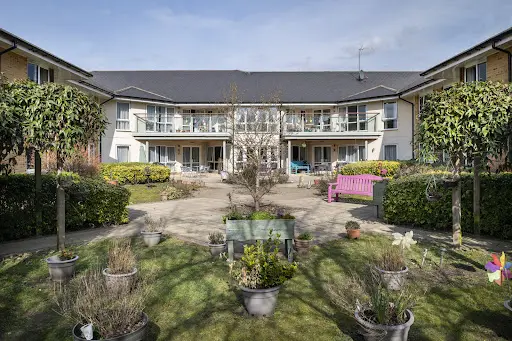
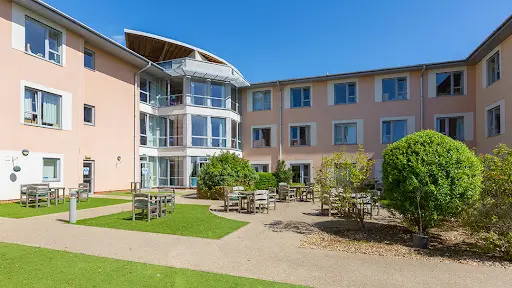
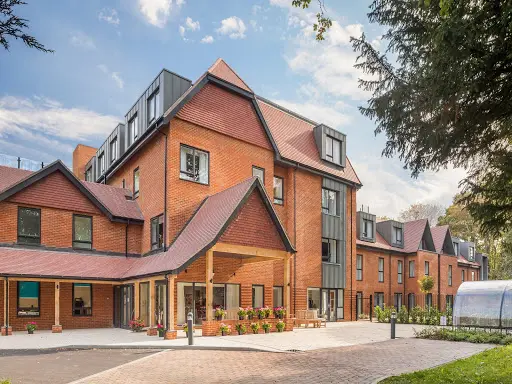
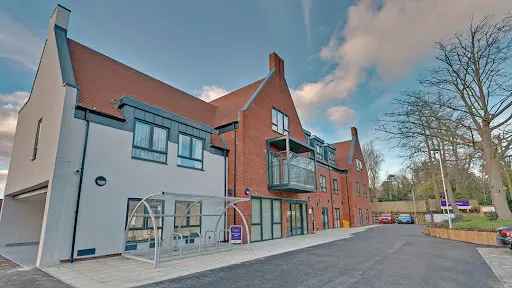
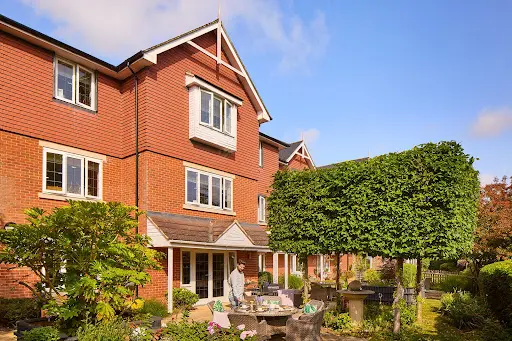
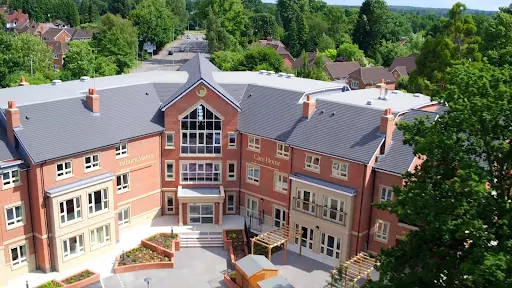
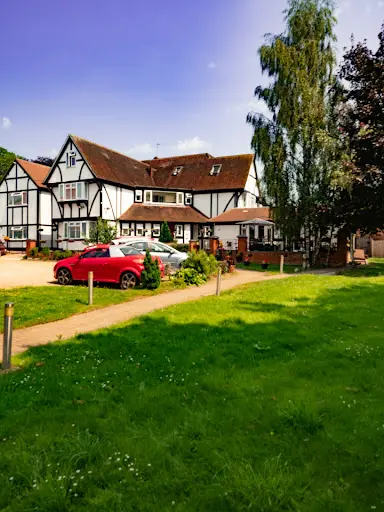
The home maintains high standards of cleanliness throughout, with families consistently noting how well-kept and pleasant the environment feels. The physical spaces are described as visually appealing, creating a comfortable atmosphere for residents.
“With so many families choosing to stay for the long haul, Langley Haven seems to have found a formula that works — consistent care that families can count on, year after year.”
DCC does not edit or curate content in this tab. For independently curated information, see The Evidence and DCC Verdict.