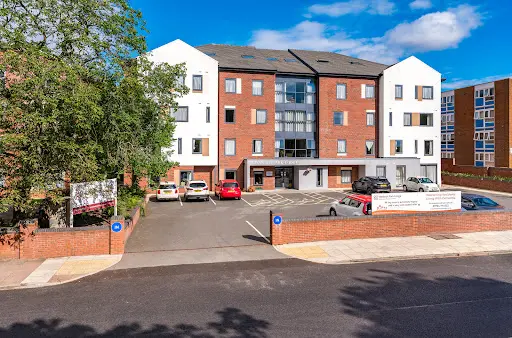
Brookfield Support Centre

At a Glance
The information you need to decide whether this home warrants a closer look.
Residential homes
Staff warmth score
of reviewers answered yes
Good to know
- Registered beds39
- SpecialismsCaring for adults over 65 yrs, Dementia
- Last inspected2023-12-21
Save Brookfield Support Centre to your shortlist
Keep a running list, add visit notes, and compare homes side-by-side. Free account — it takes a minute.
STAGE 4 — RESEARCHING CARE HOMES
Visit homes. Compare them side by side. Choose with confidence.
Most of us will view care homes the way we view houses, impression, atmosphere, the feeling in the corridor. We go home, try to remember what we saw, and make a permanent decision from a blurred memory.

The DCC shortlist gives every home you visit a structured record: the same twelve questions, answered the same way, every time. When you’re ready to choose, pull any two homes side by side and compare them directly. Same criteria, same evidence, your notes and your scores.
The Evidence
What the review data, the inspection reports, and the dementia-care evidence base tell us about this home.
What families say
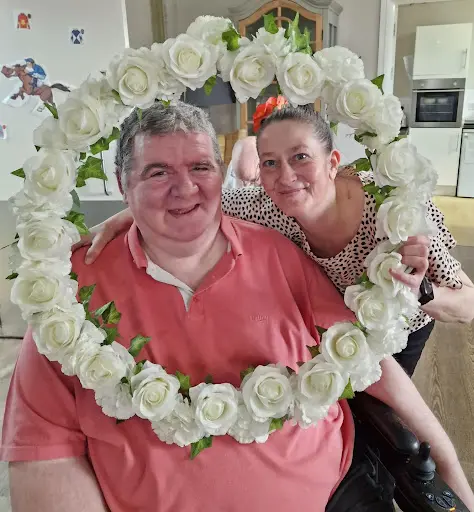
Families describe watching their loved ones become more themselves again here. People talk about seeing contentment return through daily interactions and activities. Some residents have settled in so well they're reluctant to leave when family visits end, which speaks volumes about the atmosphere created.
The eight family priority themes
- Staff warmth72
- Compassion & dignity72
- Cleanliness70
- Activities & engagement65
- Food quality65
- Healthcare70
- Management & leadership74
- Resident happiness70
What inspectors found
Inspected 2023-12-21
Is this home safe?
Is the care effective?
The Effective domain was rated Good at the November 2023 inspection. The home is registered to provide care for people living with dementia, which requires staff to hold appropriate training and for care plans to reflect individual needs. The published inspection text does not provide specific detail about training programmes, care plan quality, food provision, or healthcare access.Is this home caring?
The Caring domain was rated Good at the November 2023 inspection. No specific inspector observations, resident quotes, or relative comments are included in the published text. A Good rating indicates inspectors found staff interactions to be respectful and appropriate, but the detail behind that conclusion is not available in what has been published.Is the home responsive?
The Responsive domain was rated Good at the November 2023 inspection. The home is registered as a specialist dementia care provider, which implies that activities and daily life should be tailored to the needs of people living with dementia. The published inspection text does not describe the activity programme, individual engagement approaches, or end-of-life care arrangements.Is the home well-led?
The Well-led domain was rated Good at the November 2023 inspection. The home has two named registered managers, Mrs Sharron Margaret Fisher and Mrs Judith Mary Nalton, alongside a nominated individual, Ms Jamaila Hussain. Having registered managers formally in post is a positive governance indicator. The published text does not provide further detail about leadership culture, staff satisfaction, or how the home responds to complaints and incidents.
Source: CQC inspection report →
What the evidence base says
The centre provides specialist dementia care and support for adults over 65. They offer both long-term care and rehabilitation services, particularly helping people regain strength and confidence after hospital discharge. The team shows understanding of how dementia affects each person differently. They work with families to maintain routines that matter while managing the medical complexities that often accompany dementia. All areas worth probing directly during a visit.
The DCC Verdict
Our editorial view, built from the three lenses: what families tell us, what inspectors record, and how the home sits against good dementia-care practice.
DCC Family Score
Brookfield Support Centre was rated Good across all five inspection domains in November 2023, which is a positive baseline. However, the published inspection text contains very little specific detail, so most scores sit in the mid-range reflecting a genuine Good rating without the granular evidence that would push scores higher.
Homes in North West typically score 68–82.The three-lens summary
What families tell us
Families describe watching their loved ones become more themselves again here. People talk about seeing contentment return through daily interactions and activities. Some residents have settled in so well they're reluctant to leave when family visits end, which speaks volumes about the atmosphere created.
What inspectors have recorded
Staff seem to understand that recovery involves more than medical care. They're described as approachable and warm, taking time to connect with residents as individuals. The team appears skilled at managing complex health needs alongside dementia, adapting their approach to each person's situation.
How it sits against good practice
Sometimes the right environment makes all the difference in how someone recovers and thrives.
Worth a visit
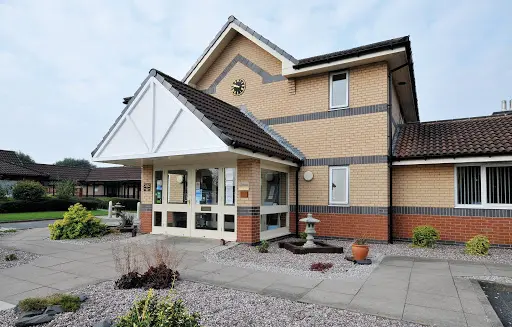
Brookfield Support Centre, on Park Road in St Helens, was rated Good across all five inspection domains following an inspection on 13 November 2023. The home is run by St Helens Council and is registered to support adults over 65, including people living with dementia, across 39 beds. Named registered managers are in post, which is a positive governance signal. A consistent Good rating across every domain suggests a stable, reasonably well-run home. The main limitation here is the published inspection text itself: it contains very little specific detail about what inspectors actually observed, heard from residents, or found in records. This means the Good rating is confirmed but the evidence behind it is largely invisible in what has been published. Before committing to this home, visit in person and use the checklist questions above, particularly around night staffing ratios, agency staff use, dementia training, and how the team would keep you informed about your parent's day-to-day wellbeing.
The three questions to ask when you visitSave this home. Compare it against your shortlist.
Let our analysis show you how Brookfield Support Centre measures up against the other homes you’re considering. Free account.
In Their Own Words
How Brookfield Support Centre describes itself — collected from its own website. DCC has not edited or independently verified the content in this tab.
Where recovery meets genuine warmth in St Helens
Brookfield Support Centre – Expert Care in St Helens
When someone you love needs extra support after hospital, finding the right place matters deeply. Brookfield Support Centre in St Helens has become a place where families are seeing real differences — from restored appetites to renewed engagement with life. The centre specialises in both rehabilitation and dementia care, creating an environment where recovery feels possible.
Who they care for
The centre provides specialist dementia care and support for adults over 65. They offer both long-term care and rehabilitation services, particularly helping people regain strength and confidence after hospital discharge.
The team shows understanding of how dementia affects each person differently. They work with families to maintain routines that matter while managing the medical complexities that often accompany dementia.
“Sometimes the right environment makes all the difference in how someone recovers and thrives.”
DCC does not edit or curate content in this tab. For independently curated information, see The Evidence and DCC Verdict.
The DCC Verdict
Our editorial view, built from the three lenses: what families tell us, what inspectors record, and how the home sits against good dementia-care practice.
DCC Family Score
Brookfield Support Centre was rated Good across all five inspection domains in November 2023, which is a positive baseline. However, the published inspection text contains very little specific detail, so most scores sit in the mid-range reflecting a genuine Good rating without the granular evidence that would push scores higher.
Homes in North West typically score 68–82.The three-lens summary
What families tell us
Families describe watching their loved ones become more themselves again here. People talk about seeing contentment return through daily interactions and activities. Some residents have settled in so well they're reluctant to leave when family visits end, which speaks volumes about the atmosphere created.
What inspectors have recorded
Staff seem to understand that recovery involves more than medical care. They're described as approachable and warm, taking time to connect with residents as individuals. The team appears skilled at managing complex health needs alongside dementia, adapting their approach to each person's situation.
How it sits against good practice
Sometimes the right environment makes all the difference in how someone recovers and thrives.
Worth a visit
Brookfield Support Centre, on Park Road in St Helens, was rated Good across all five inspection domains following an inspection on 13 November 2023. The home is run by St Helens Council and is registered to support adults over 65, including people living with dementia, across 39 beds. Named registered managers are in post, which is a positive governance signal. A consistent Good rating across every domain suggests a stable, reasonably well-run home. The main limitation here is the published inspection text itself: it contains very little specific detail about what inspectors actually observed, heard from residents, or found in records. This means the Good rating is confirmed but the evidence behind it is largely invisible in what has been published. Before committing to this home, visit in person and use the checklist questions above, particularly around night staffing ratios, agency staff use, dementia training, and how the team would keep you informed about your parent's day-to-day wellbeing.
The three questions to ask when you visitSave this home. Compare it against your shortlist.
Let our analysis show you how Brookfield Support Centre measures up against the other homes you’re considering. Free account.
In Their Own Words
How Brookfield Support Centre describes itself — collected from its own website. DCC has not edited or independently verified the content in this tab.
Where recovery meets genuine warmth in St Helens
Brookfield Support Centre – Expert Care in St Helens
When someone you love needs extra support after hospital, finding the right place matters deeply. Brookfield Support Centre in St Helens has become a place where families are seeing real differences — from restored appetites to renewed engagement with life. The centre specialises in both rehabilitation and dementia care, creating an environment where recovery feels possible.
Who they care for
The centre provides specialist dementia care and support for adults over 65. They offer both long-term care and rehabilitation services, particularly helping people regain strength and confidence after hospital discharge.
The team shows understanding of how dementia affects each person differently. They work with families to maintain routines that matter while managing the medical complexities that often accompany dementia.
Management & ethos
Staff seem to understand that recovery involves more than medical care. They're described as approachable and warm, taking time to connect with residents as individuals. The team appears skilled at managing complex health needs alongside dementia, adapting their approach to each person's situation.
The home & environment
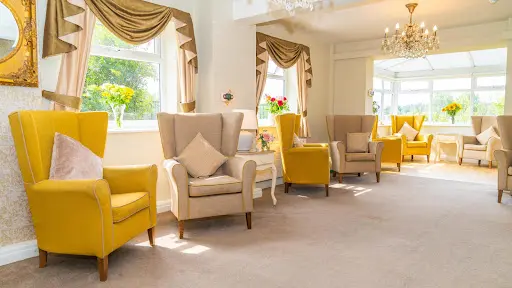
The attention to nutrition has made a real difference for many residents, with families noting weight gain and improved appetites after difficult hospital stays. Personal care routines get consistent attention too, helping people feel dignified and comfortable throughout their stay.
“Sometimes the right environment makes all the difference in how someone recovers and thrives.”
DCC does not edit or curate content in this tab. For independently curated information, see The Evidence and DCC Verdict.