The Langdales Care Home

At a Glance
The information you need to decide whether this home warrants a closer look.
Residential homes
Staff warmth score
of reviewers answered yes
Good to know
- Registered beds25
- SpecialismsCaring for adults over 65 yrs, Dementia
- Last inspected2023-02-25
Save The Langdales Care Home to your shortlist
Keep a running list, add visit notes, and compare homes side-by-side. Free account — it takes a minute.
STAGE 4 — RESEARCHING CARE HOMES
Visit homes. Compare them side by side. Choose with confidence.
Most of us will view care homes the way we view houses, impression, atmosphere, the feeling in the corridor. We go home, try to remember what we saw, and make a permanent decision from a blurred memory.

The DCC shortlist gives every home you visit a structured record: the same twelve questions, answered the same way, every time. When you’re ready to choose, pull any two homes side by side and compare them directly. Same criteria, same evidence, your notes and your scores.
The Evidence
What the review data, the inspection reports, and the dementia-care evidence base tell us about this home.
What families say
Families talk about staff who really pay attention to what their relatives need. There's a friendliness here that seems to help people settle in and feel comfortable.
The eight family priority themes
- Staff warmth72
- Compassion & dignity72
- Cleanliness70
- Activities & engagement60
- Food quality60
- Healthcare65
- Management & leadership75
- Resident happiness70
What inspectors found
Inspected 2023-02-25
Is this home safe?
Is the care effective?
The Effective domain was rated Good at the February 2023 inspection. This domain covers training, care planning, healthcare access, and food. Dementia is listed as a specialism, which means inspectors would ordinarily look for evidence of dementia-specific training and personalised care plans. No specific observations about training content, care plan quality, GP access, or mealtimes are included in the published text.Is this home caring?
The Caring domain was rated Good at the February 2023 inspection. This domain covers warmth, dignity, respect, and independence. For a dementia-specialist home, the Caring rating is particularly significant because it signals whether staff treat residents as individuals rather than tasks to be completed. The published inspection text does not include direct observations of staff interactions, resident quotes, or specific examples of dignity in practice.Is the home responsive?
The Responsive domain was rated Good at the February 2023 inspection. This domain covers activities, individual engagement, and end-of-life care. For a 25-bed dementia home, responsive care means ensuring each resident has meaningful daily activity tailored to who they are, not just a group session running in the background. The published inspection text contains no specific detail about the activities programme, individual engagement, or how the home handles end-of-life planning.Is the home well-led?
The Well-led domain was rated Good at the February 2023 inspection. The home is led by a named registered manager, Miss Katie Louise Glover, supported by a nominated individual, Miss Lindsey Susan Yates, and is operated by Diamond Care Homes Langdales Ltd. The improvement from a previous Requires Improvement rating across all domains is the strongest available signal of effective leadership. No specific observations about management visibility, staff culture, governance processes, or communication with families are included in the published text.
Source: CQC inspection report →
What the evidence base says
Langdales cares for people over 65, including those living with dementia. The home provides dementia care as part of its services. Given this is such an important area, it's worth asking specific questions about their approach when you visit. All areas worth probing directly during a visit.
The DCC Verdict
Our editorial view, built from the three lenses: what families tell us, what inspectors record, and how the home sits against good dementia-care practice.
DCC Family Score
Langdales scored 72 out of 100. Every domain was rated Good at the most recent inspection, and the home improved from Requires Improvement, which is a meaningful positive signal. However, the published inspection text is brief and provides very little specific observational detail, so many scores reflect the rating rather than rich on-the-ground evidence.
Homes in North West typically score 68–82.The three-lens summary
What families tell us
Families talk about staff who really pay attention to what their relatives need. There's a friendliness here that seems to help people settle in and feel comfortable.
What inspectors have recorded
The staff team seems to be the home's real strength, with families particularly noting how responsive they are. There has been a concerning incident involving night-time supervision that families should ask about when visiting.
How it sits against good practice
If you're looking for a home where the quality of care matters more than the surroundings, Langdales could be worth exploring.
Worth a visit
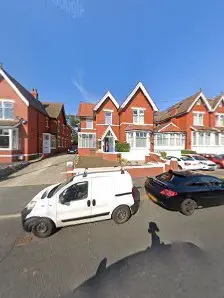
Langdales, at 117-119 Hornby Road in Blackpool, was rated Good across all five domains at its inspection in February 2023. Importantly, this represents a meaningful improvement from its previous rating of Requires Improvement. The home specialises in dementia care and residential care for adults over 65, has 25 beds, and is led by a named registered manager. The fact that every domain moved upward in a single inspection cycle suggests the leadership team identified what was wrong and addressed it. The main limitation of this report is that the published inspection text is unusually brief and contains no direct observations, resident quotes, or specific examples to bring the Good ratings to life. That means the scores here reflect the official rating rather than rich descriptive evidence. Before committing to Langdales, visit in person and ask specific questions: how many carers are on the dementia unit after 8pm, what the agency staff usage looked like last month, and whether you can see the activities log from the past four weeks rather than just a printed timetable. A home that has recently improved deserves a thorough look to confirm the improvement is embedded.
The three questions to ask when you visitSave this home. Compare it against your shortlist.
Let our analysis show you how The Langdales Care Home measures up against the other homes you’re considering. Free account.
In Their Own Words
How The Langdales Care Home describes itself — collected from its own website. DCC has not edited or independently verified the content in this tab.
Where warm hearts matter more than fancy surroundings
Residential home in Blackpool: True Peace of Mind
Sometimes the smallest touches make the biggest difference. At Langdales in Blackpool, families describe a place where staff genuinely care about the people they look after. It's not the fanciest home you'll visit, but residents seem content here — one person even chose to come back after trying somewhere else.
Who they care for
Langdales cares for people over 65, including those living with dementia.
The home provides dementia care as part of its services. Given this is such an important area, it's worth asking specific questions about their approach when you visit.
“If you're looking for a home where the quality of care matters more than the surroundings, Langdales could be worth exploring.”
DCC does not edit or curate content in this tab. For independently curated information, see The Evidence and DCC Verdict.
The DCC Verdict
Our editorial view, built from the three lenses: what families tell us, what inspectors record, and how the home sits against good dementia-care practice.
DCC Family Score
Langdales scored 72 out of 100. Every domain was rated Good at the most recent inspection, and the home improved from Requires Improvement, which is a meaningful positive signal. However, the published inspection text is brief and provides very little specific observational detail, so many scores reflect the rating rather than rich on-the-ground evidence.
Homes in North West typically score 68–82.The three-lens summary
What families tell us
Families talk about staff who really pay attention to what their relatives need. There's a friendliness here that seems to help people settle in and feel comfortable.
What inspectors have recorded
The staff team seems to be the home's real strength, with families particularly noting how responsive they are. There has been a concerning incident involving night-time supervision that families should ask about when visiting.
How it sits against good practice
If you're looking for a home where the quality of care matters more than the surroundings, Langdales could be worth exploring.
Worth a visit
Langdales, at 117-119 Hornby Road in Blackpool, was rated Good across all five domains at its inspection in February 2023. Importantly, this represents a meaningful improvement from its previous rating of Requires Improvement. The home specialises in dementia care and residential care for adults over 65, has 25 beds, and is led by a named registered manager. The fact that every domain moved upward in a single inspection cycle suggests the leadership team identified what was wrong and addressed it. The main limitation of this report is that the published inspection text is unusually brief and contains no direct observations, resident quotes, or specific examples to bring the Good ratings to life. That means the scores here reflect the official rating rather than rich descriptive evidence. Before committing to Langdales, visit in person and ask specific questions: how many carers are on the dementia unit after 8pm, what the agency staff usage looked like last month, and whether you can see the activities log from the past four weeks rather than just a printed timetable. A home that has recently improved deserves a thorough look to confirm the improvement is embedded.
The three questions to ask when you visitSave this home. Compare it against your shortlist.
Let our analysis show you how The Langdales Care Home measures up against the other homes you’re considering. Free account.
In Their Own Words
How The Langdales Care Home describes itself — collected from its own website. DCC has not edited or independently verified the content in this tab.
Where warm hearts matter more than fancy surroundings
Residential home in Blackpool: True Peace of Mind
Sometimes the smallest touches make the biggest difference. At Langdales in Blackpool, families describe a place where staff genuinely care about the people they look after. It's not the fanciest home you'll visit, but residents seem content here — one person even chose to come back after trying somewhere else.
Who they care for
Langdales cares for people over 65, including those living with dementia.
The home provides dementia care as part of its services. Given this is such an important area, it's worth asking specific questions about their approach when you visit.
Management & ethos
The staff team seems to be the home's real strength, with families particularly noting how responsive they are. There has been a concerning incident involving night-time supervision that families should ask about when visiting.
The home & environment
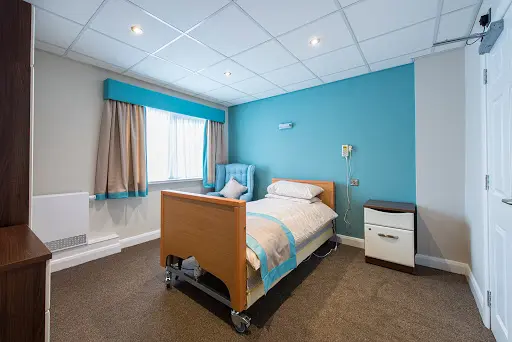
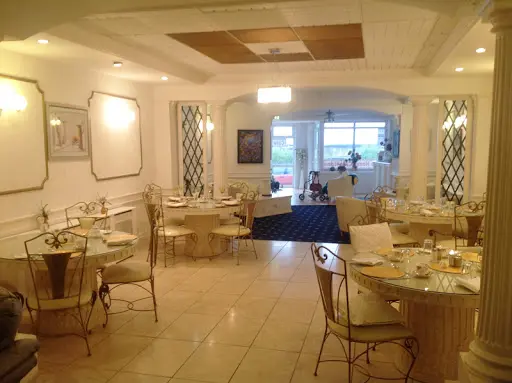
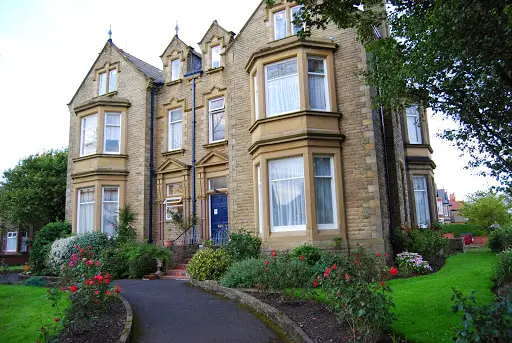
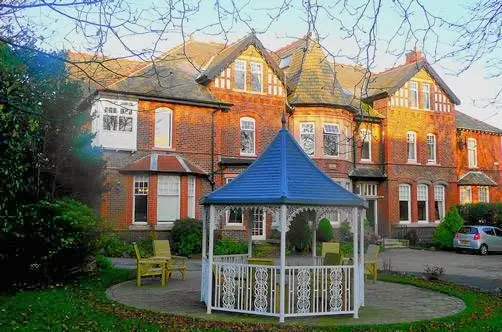
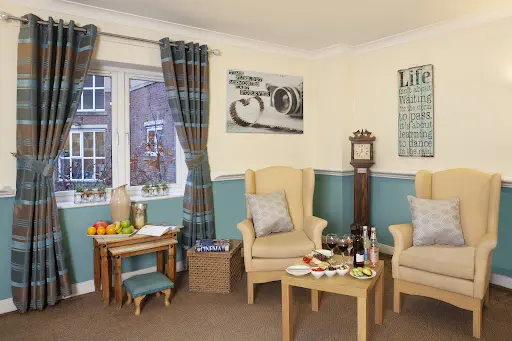
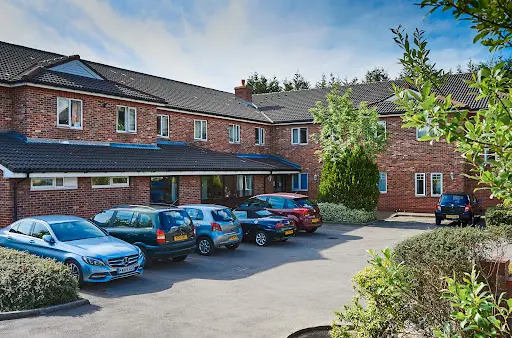
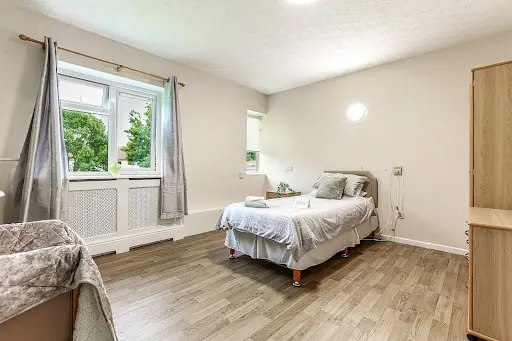
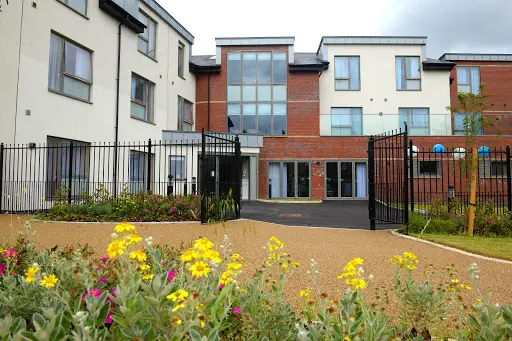
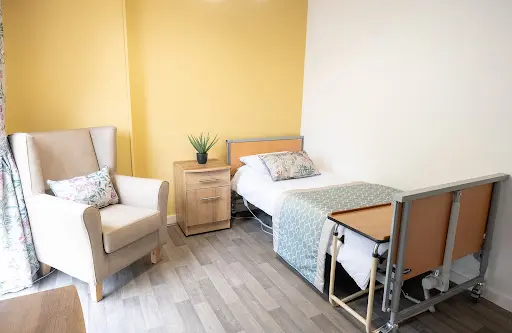
The food gets a thumbs up from residents, which is always a good sign. The building itself is fairly modest — it won't win any design awards — but for many families, that matters less than knowing their loved one is well looked after.
“If you're looking for a home where the quality of care matters more than the surroundings, Langdales could be worth exploring.”
DCC does not edit or curate content in this tab. For independently curated information, see The Evidence and DCC Verdict.