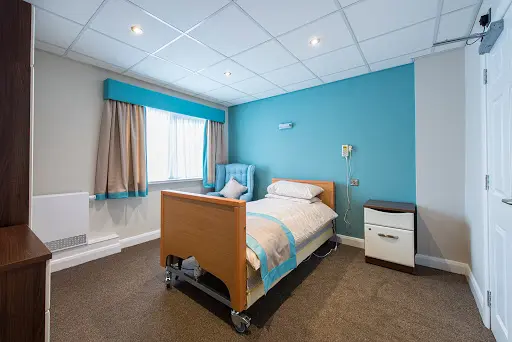
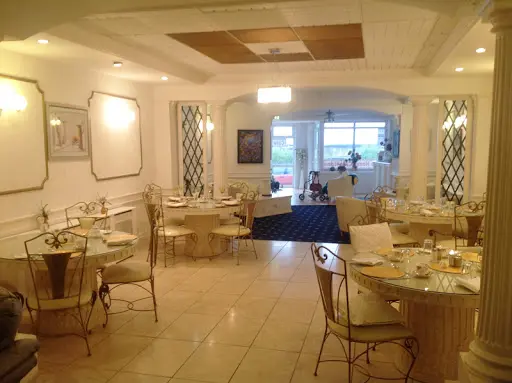
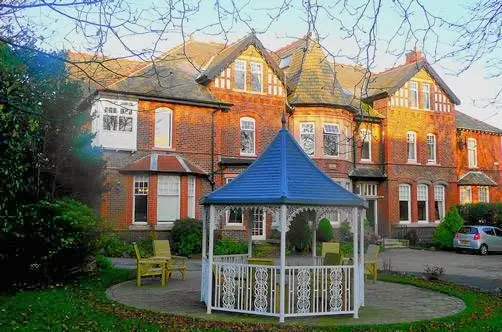
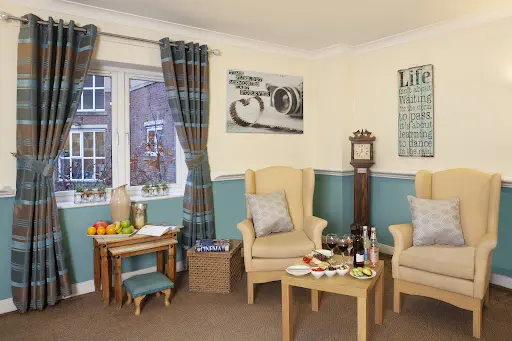
King Edward Care Home
At a Glance
The information you need to decide whether this home warrants a closer look.
Residential homes
Staff warmth score
of reviewers answered yes
Good to know
- Registered beds13
- SpecialismsDementia
- Last inspected2022-10-06
Save King Edward Care Home to your shortlist
Keep a running list, add visit notes, and compare homes side-by-side. Free account — it takes a minute.
STAGE 4 — RESEARCHING CARE HOMES
Visit homes. Compare them side by side. Choose with confidence.
Most of us will view care homes the way we view houses, impression, atmosphere, the feeling in the corridor. We go home, try to remember what we saw, and make a permanent decision from a blurred memory.

The DCC shortlist gives every home you visit a structured record: the same twelve questions, answered the same way, every time. When you’re ready to choose, pull any two homes side by side and compare them directly. Same criteria, same evidence, your notes and your scores.
The Evidence
What the review data, the inspection reports, and the dementia-care evidence base tell us about this home.
What families say
The eight family priority themes
- Staff warmth72
- Compassion & dignity72
- Cleanliness70
- Activities & engagement65
- Food quality65
- Healthcare68
- Management & leadership72
- Resident happiness70
What inspectors found
Inspected 2022-10-06
Is this home safe?
Is the care effective?
The home received a Good rating for effectiveness at the September 2022 inspection. The home holds a dementia specialism registration, indicating a baseline commitment to dementia-specific care. The published inspection text does not include specific detail about dementia training content, care plan quality, GP access arrangements, or food and nutrition.Is this home caring?
The home received a Good rating for caring at the September 2022 inspection. No specific concerns about dignity, respect, or staff interactions were identified. The published text does not include inspector observations about preferred names, unhurried pace of care, or how staff respond when residents are distressed or upset.Is the home responsive?
The home received a Good rating for responsiveness at the September 2022 inspection. The home is registered as a dementia specialist, indicating a commitment to tailoring care to individual need. The published inspection text does not include specific detail about the activities programme, one-to-one engagement, or how individual preferences and life histories are incorporated into daily life.Is the home well-led?
The home received a Good rating for well-led at the September 2022 inspection. Miss Gemma Fletcher is named as the registered manager. The home is run by Mrs S L Pitman and D J Wheeler. The published inspection text does not include specific observations about management visibility, staff culture, governance systems, or how the home responds to complaints and incidents.
Source: CQC inspection report →
What the evidence base says
The home provides specialist dementia care. Their approach focuses on maintaining residents' remaining abilities and encouraging independence where possible. Staff here seem particularly skilled at recognising when residents have more capacity than previous assessments suggested. They work with each person's actual abilities, adapting their support to help residents maintain dignity and autonomy wherever possible. All areas worth probing directly during a visit.
The DCC Verdict
Our editorial view, built from the three lenses: what families tell us, what inspectors record, and how the home sits against good dementia-care practice.
DCC Family Score
King Edward Care Home received a Good rating across all five domains at its last inspection in September 2022, which is a positive baseline. However, the published inspection text contains very limited specific detail, so scores reflect a confirmed Good rating rather than rich observational evidence.
Homes in North West typically score 68–82.Worth a visit
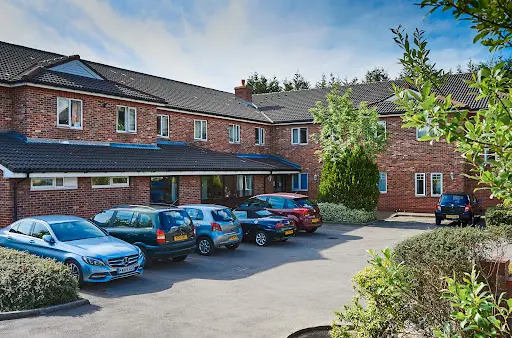
King Edward Care Home, at 7-9 Warbreck Drive, Blackpool, was rated Good across all five inspection domains at its most recent inspection in September 2022, with the report published in October 2022. The home is a small, 13-bed residential home specialising in dementia care, with a named registered manager, Miss Gemma Fletcher, in post. A Good rating across all domains is a solid baseline and means inspectors found no significant concerns about safety, care quality, leadership, or responsiveness during that visit. The main limitation here is that the published inspection text contains very little specific detail beyond the ratings themselves. This means families cannot rely on this report alone to understand what day-to-day life actually looks like for your parent. Before committing to a place, visit in person during an unannounced time such as mid-morning or after lunch, ask to see last week's actual staffing rota (not the template), and ask specifically how many permanent staff work on the dementia unit overnight. Given this is a small home of 13 beds, the character of the place will depend heavily on the consistency and warmth of a small core team.
The three questions to ask when you visitSave this home. Compare it against your shortlist.
Let our analysis show you how King Edward Care Home measures up against the other homes you’re considering. Free account.
In Their Own Words
How King Edward Care Home describes itself — collected from its own website. DCC has not edited or independently verified the content in this tab.
Where residents with severe dementia rediscover forgotten abilities
King Edward Care Home – Expert Care in Blackpool
Sometimes the right care approach can unlock capabilities everyone thought were lost. King Edward Care Home in Blackpool specialises in dementia care, focusing on what residents can still do rather than what they can't. Families have noticed real changes here — residents who couldn't sit up elsewhere are pouring their own drinks again.
Who they care for
The home provides specialist dementia care. Their approach focuses on maintaining residents' remaining abilities and encouraging independence where possible.
Staff here seem particularly skilled at recognising when residents have more capacity than previous assessments suggested. They work with each person's actual abilities, adapting their support to help residents maintain dignity and autonomy wherever possible.
“If you're looking for dementia care that goes beyond assumptions about what's possible, King Edward might be worth exploring.”
DCC does not edit or curate content in this tab. For independently curated information, see The Evidence and DCC Verdict.
The DCC Verdict
Our editorial view, built from the three lenses: what families tell us, what inspectors record, and how the home sits against good dementia-care practice.
DCC Family Score
King Edward Care Home received a Good rating across all five domains at its last inspection in September 2022, which is a positive baseline. However, the published inspection text contains very limited specific detail, so scores reflect a confirmed Good rating rather than rich observational evidence.
Homes in North West typically score 68–82.Worth a visit
King Edward Care Home, at 7-9 Warbreck Drive, Blackpool, was rated Good across all five inspection domains at its most recent inspection in September 2022, with the report published in October 2022. The home is a small, 13-bed residential home specialising in dementia care, with a named registered manager, Miss Gemma Fletcher, in post. A Good rating across all domains is a solid baseline and means inspectors found no significant concerns about safety, care quality, leadership, or responsiveness during that visit. The main limitation here is that the published inspection text contains very little specific detail beyond the ratings themselves. This means families cannot rely on this report alone to understand what day-to-day life actually looks like for your parent. Before committing to a place, visit in person during an unannounced time such as mid-morning or after lunch, ask to see last week's actual staffing rota (not the template), and ask specifically how many permanent staff work on the dementia unit overnight. Given this is a small home of 13 beds, the character of the place will depend heavily on the consistency and warmth of a small core team.
The three questions to ask when you visitSave this home. Compare it against your shortlist.
Let our analysis show you how King Edward Care Home measures up against the other homes you’re considering. Free account.
In Their Own Words
How King Edward Care Home describes itself — collected from its own website. DCC has not edited or independently verified the content in this tab.
Where residents with severe dementia rediscover forgotten abilities
King Edward Care Home – Expert Care in Blackpool
Sometimes the right care approach can unlock capabilities everyone thought were lost. King Edward Care Home in Blackpool specialises in dementia care, focusing on what residents can still do rather than what they can't. Families have noticed real changes here — residents who couldn't sit up elsewhere are pouring their own drinks again.
Who they care for
The home provides specialist dementia care. Their approach focuses on maintaining residents' remaining abilities and encouraging independence where possible.
Staff here seem particularly skilled at recognising when residents have more capacity than previous assessments suggested. They work with each person's actual abilities, adapting their support to help residents maintain dignity and autonomy wherever possible.
“If you're looking for dementia care that goes beyond assumptions about what's possible, King Edward might be worth exploring.”
DCC does not edit or curate content in this tab. For independently curated information, see The Evidence and DCC Verdict.