Willow Court Care Home

At a Glance
The information you need to decide whether this home warrants a closer look.
Nursing homes
Staff warmth score
of reviewers answered yes
Good to know
- Registered beds66
- SpecialismsCaring for adults over 65 yrs, Caring for adults under 65 yrs, Dementia
- Last inspected2022-10-01
Save Willow Court Care Home to your shortlist
Keep a running list, add visit notes, and compare homes side-by-side. Free account — it takes a minute.
STAGE 4 — RESEARCHING CARE HOMES
Visit homes. Compare them side by side. Choose with confidence.
Most of us will view care homes the way we view houses, impression, atmosphere, the feeling in the corridor. We go home, try to remember what we saw, and make a permanent decision from a blurred memory.

The DCC shortlist gives every home you visit a structured record: the same twelve questions, answered the same way, every time. When you’re ready to choose, pull any two homes side by side and compare them directly. Same criteria, same evidence, your notes and your scores.
The Evidence
What the review data, the inspection reports, and the dementia-care evidence base tell us about this home.
What families say
Visitors mention feeling welcomed from the moment they arrive, with reception and nursing staff taking time to chat. Several people have commented on seeing residents looking content and engaged, particularly during activities like therapy dog visits.
The eight family priority themes
- Staff warmth72
- Compassion & dignity72
- Cleanliness60
- Activities & engagement58
- Food quality55
- Healthcare45
- Management & leadership45
- Resident happiness60
What inspectors found
Inspected 2022-10-01
Is this home safe?
Is the care effective?
Effective was rated Requires Improvement at the October 2025 inspection. This domain covers training, care planning, healthcare access, and nutrition. A Requires Improvement rating here means inspectors found the home was falling short in at least one of these areas. The published summary does not specify which elements were of concern. The home lists dementia as a specialism, which makes the Effective rating particularly important: dementia care requires staff who are not just present but trained and confident in specialist approaches.Is this home caring?
Caring was rated Good at the October 2025 inspection. This is the strongest finding in the report and means inspectors were satisfied that staff treated residents with warmth, dignity, and respect. A Good rating in Caring typically reflects observed staff interactions, resident and relative testimony, and evidence that people are supported to maintain their independence. This is a meaningful finding in a report where three other domains fell short.Is the home responsive?
Responsive was rated Good at the October 2025 inspection. This domain covers how well the home organises care around individual needs, including activities, engagement, and responsiveness to complaints and preferences. A Good rating here suggests that care was reasonably tailored to the people living there and that the home responded appropriately when things went wrong. No specific detail about activity programmes or individual engagement is available in the published summary.Is the home well-led?
Well-led was rated Requires Improvement at the October 2025 inspection. A named registered manager, Mrs Jane Selvage, is in post, and the home is run by Hampshire County Council. A Requires Improvement rating in Well-led typically means inspectors found that governance systems, quality monitoring, or leadership culture were not yet working consistently. This is significant because leadership quality is the strongest predictor of whether a home maintains and improves its standards over time. The home has improved from a previous Requires Improvement overall rating, which suggests some progress, but the leadership rating means that progress is not yet secure.
Source: CQC inspection report →
What the evidence base says
Willow Court cares for adults under 65, those over 65, and people living with dementia. The home welcomes residents with dementia as part of their wider community. Staff work to ensure these residents feel comfortable and included in daily life. All areas worth probing directly during a visit.
The DCC Verdict
Our editorial view, built from the three lenses: what families tell us, what inspectors record, and how the home sits against good dementia-care practice.
DCC Family Score
Willow Court scores in the mid-range, reflecting genuine strengths in how staff treat the people who live there, alongside real concerns about safety, effectiveness, and leadership that the inspection flagged as Requires Improvement. The caring and responsive domains provide reassurance, but the three Requires Improvement ratings mean this home needs careful scrutiny before you commit.
Homes in South East typically score 68–82.The three-lens summary
What families tell us
Visitors mention feeling welcomed from the moment they arrive, with reception and nursing staff taking time to chat. Several people have commented on seeing residents looking content and engaged, particularly during activities like therapy dog visits.
What inspectors have recorded
Staff presence throughout the home catches visitors' attention, with managers often seen in communal areas rather than tucked away in offices. While most find the team approachable and helpful, some have experienced challenges reaching staff by phone or getting timely responses to queries.
How it sits against good practice
If you're considering Willow Court for someone you love, visiting in person will give you the clearest picture of life there.
Worth a visit
Willow Court Nursing Home in Andover was assessed in October 2025, with the report published in January 2026. The home is run by Hampshire County Council and has a registered manager in post. The overall picture is mixed: Caring and Responsive were both rated Good, which means inspectors were satisfied that staff treated residents with kindness and that care was organised around individual needs. This is a meaningful improvement from a previous Requires Improvement rating. However, Safe, Effective, and Well-led were all rated Requires Improvement at this inspection, and that is significant if you are considering this home for your parent. Three out of five domains falling short means you need to ask hard, specific questions before deciding. On a visit, ask the manager to show you last week's actual staffing rota (not a template) and ask how many permanent versus agency staff worked night shifts. Ask what specific actions have been taken since the inspection to address the safety and leadership concerns, and request a copy of the improvement plan.
The three questions to ask when you visitSave this home. Compare it against your shortlist.
Let our analysis show you how Willow Court Care Home measures up against the other homes you’re considering. Free account.
In Their Own Words
How Willow Court Care Home describes itself — collected from its own website. DCC has not edited or independently verified the content in this tab.
Friendly nursing home where residents settle into comfortable routines
Willow Court Nursing Home – Expert Care in Andover
When families visit Willow Court Nursing Home in Andover, they often notice how staff greet both residents and visitors warmly as they move through the home. This South East nursing home supports adults of all ages, including those living with dementia. People describe the atmosphere as welcoming, with managers visible in communal areas and residents appearing settled in their daily routines.
Who they care for
Willow Court cares for adults under 65, those over 65, and people living with dementia.
The home welcomes residents with dementia as part of their wider community. Staff work to ensure these residents feel comfortable and included in daily life.
“If you're considering Willow Court for someone you love, visiting in person will give you the clearest picture of life there.”
DCC does not edit or curate content in this tab. For independently curated information, see The Evidence and DCC Verdict.
The DCC Verdict
Our editorial view, built from the three lenses: what families tell us, what inspectors record, and how the home sits against good dementia-care practice.
DCC Family Score
Willow Court scores in the mid-range, reflecting genuine strengths in how staff treat the people who live there, alongside real concerns about safety, effectiveness, and leadership that the inspection flagged as Requires Improvement. The caring and responsive domains provide reassurance, but the three Requires Improvement ratings mean this home needs careful scrutiny before you commit.
Homes in South East typically score 68–82.The three-lens summary
What families tell us
Visitors mention feeling welcomed from the moment they arrive, with reception and nursing staff taking time to chat. Several people have commented on seeing residents looking content and engaged, particularly during activities like therapy dog visits.
What inspectors have recorded
Staff presence throughout the home catches visitors' attention, with managers often seen in communal areas rather than tucked away in offices. While most find the team approachable and helpful, some have experienced challenges reaching staff by phone or getting timely responses to queries.
How it sits against good practice
If you're considering Willow Court for someone you love, visiting in person will give you the clearest picture of life there.
Worth a visit
Willow Court Nursing Home in Andover was assessed in October 2025, with the report published in January 2026. The home is run by Hampshire County Council and has a registered manager in post. The overall picture is mixed: Caring and Responsive were both rated Good, which means inspectors were satisfied that staff treated residents with kindness and that care was organised around individual needs. This is a meaningful improvement from a previous Requires Improvement rating. However, Safe, Effective, and Well-led were all rated Requires Improvement at this inspection, and that is significant if you are considering this home for your parent. Three out of five domains falling short means you need to ask hard, specific questions before deciding. On a visit, ask the manager to show you last week's actual staffing rota (not a template) and ask how many permanent versus agency staff worked night shifts. Ask what specific actions have been taken since the inspection to address the safety and leadership concerns, and request a copy of the improvement plan.
The three questions to ask when you visitSave this home. Compare it against your shortlist.
Let our analysis show you how Willow Court Care Home measures up against the other homes you’re considering. Free account.
In Their Own Words
How Willow Court Care Home describes itself — collected from its own website. DCC has not edited or independently verified the content in this tab.
Friendly nursing home where residents settle into comfortable routines
Willow Court Nursing Home – Expert Care in Andover
When families visit Willow Court Nursing Home in Andover, they often notice how staff greet both residents and visitors warmly as they move through the home. This South East nursing home supports adults of all ages, including those living with dementia. People describe the atmosphere as welcoming, with managers visible in communal areas and residents appearing settled in their daily routines.
Who they care for
Willow Court cares for adults under 65, those over 65, and people living with dementia.
The home welcomes residents with dementia as part of their wider community. Staff work to ensure these residents feel comfortable and included in daily life.
Management & ethos
Staff presence throughout the home catches visitors' attention, with managers often seen in communal areas rather than tucked away in offices. While most find the team approachable and helpful, some have experienced challenges reaching staff by phone or getting timely responses to queries.
The home & environment
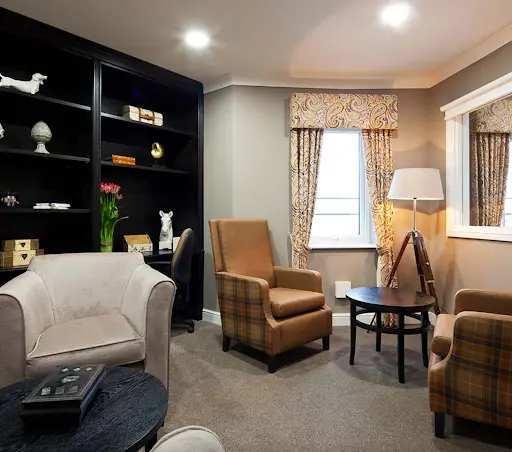
The home maintains clean, well-kept surroundings that visitors appreciate. Residents seem to enjoy their meals, and the dining experience appears to be a positive part of daily life here.
“If you're considering Willow Court for someone you love, visiting in person will give you the clearest picture of life there.”
DCC does not edit or curate content in this tab. For independently curated information, see The Evidence and DCC Verdict.