Westfield Lodge Care Home
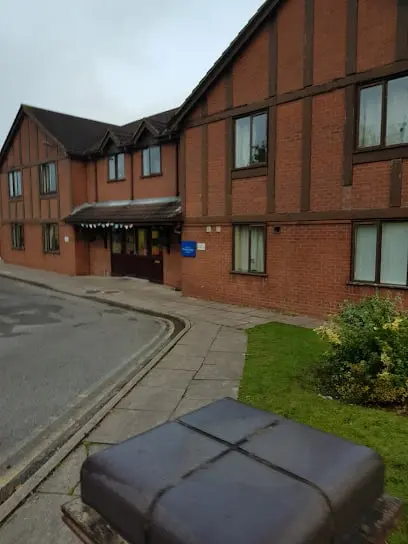
At a Glance
The information you need to decide whether this home warrants a closer look.
Nursing homes
Staff warmth score
of reviewers answered yes
Good to know
- Registered beds54
- SpecialismsCaring for adults over 65 yrs, Caring for adults under 65 yrs, Dementia, Physical disabilities
- Last inspected2019-03-22
Save Westfield Lodge Care Home to your shortlist
Keep a running list, add visit notes, and compare homes side-by-side. Free account — it takes a minute.
STAGE 4 — RESEARCHING CARE HOMES
Visit homes. Compare them side by side. Choose with confidence.
Most of us will view care homes the way we view houses, impression, atmosphere, the feeling in the corridor. We go home, try to remember what we saw, and make a permanent decision from a blurred memory.

The DCC shortlist gives every home you visit a structured record: the same twelve questions, answered the same way, every time. When you’re ready to choose, pull any two homes side by side and compare them directly. Same criteria, same evidence, your notes and your scores.
The Evidence
What the review data, the inspection reports, and the dementia-care evidence base tell us about this home.
What families say
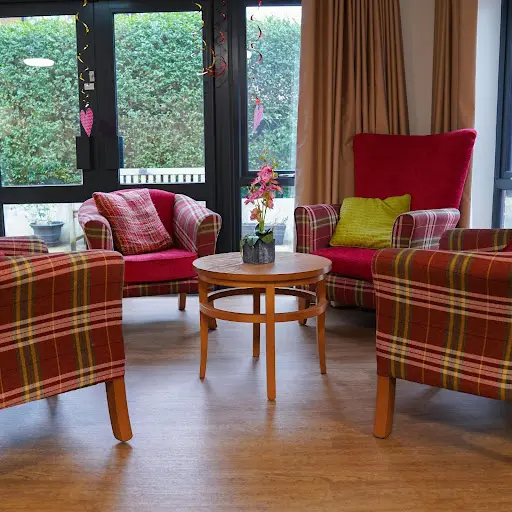
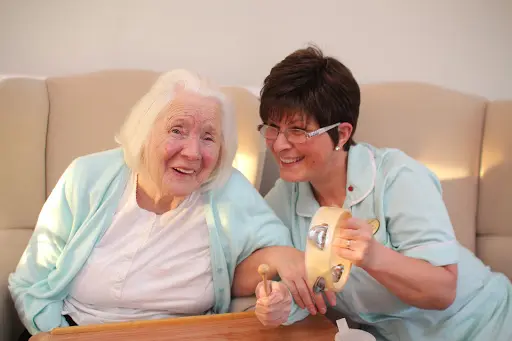
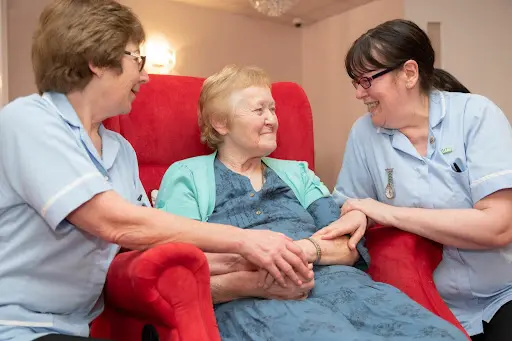
Families have noticed their relatives spending more time in communal areas rather than staying alone in their rooms. Some have seen real improvements in mood and alertness, with residents becoming more talkative and involved in daily life.
The eight family priority themes
- Staff warmth72
- Compassion & dignity72
- Cleanliness70
- Activities & engagement60
- Food quality60
- Healthcare70
- Management & leadership75
- Resident happiness68
What inspectors found
Inspected 2019-03-22
Is this home safe?
Is the care effective?
The inspection rated Effective as Good in February 2019. This domain covers training, care planning, healthcare access, food and nutrition, and whether staff have the skills to meet the needs of the people they care for. The home lists dementia as a specialism, which means inspectors would have considered dementia-specific competence. No specific examples of training content, care plan quality, or food provision are recorded in the published summary.Is this home caring?
The inspection rated Caring as Good in February 2019. This domain covers staff warmth, dignity, respect, and whether the people who live in the home are treated as individuals. The Good rating indicates inspectors were satisfied with the standard of caring interactions they observed. No direct quotes from residents or relatives and no specific inspector observations of staff behaviour are recorded in the published inspection text.Is the home responsive?
The inspection rated Responsive as Good in February 2019. This domain covers activities and engagement, how well the home responds to individual needs and preferences, and end-of-life care planning. The home serves people with dementia, physical disabilities, and adults of varying ages, which requires a broad range of responsive approaches. No specific activities, engagement examples, or end-of-life care detail are recorded in the published inspection text.Is the home well-led?
The inspection rated Well-led as Good in February 2019. This domain covers management visibility, governance, staff culture, and whether the home has systems to identify and act on problems. The published report names a registered manager and a nominated individual, indicating clear formal accountability. The improvement from Requires Improvement to Good across all domains is a meaningful leadership indicator. No detail about management style, staff culture, or governance mechanisms is recorded in the published text.
Source: CQC inspection report →
What the evidence base says
The home cares for adults of all ages, including those under 65 who need support. They have experience with dementia care and helping people with physical disabilities. For residents with dementia, the focus on social engagement and activities can make a real difference. Staff work to keep people connected and participating in daily life. All areas worth probing directly during a visit.
The DCC Verdict
Our editorial view, built from the three lenses: what families tell us, what inspectors record, and how the home sits against good dementia-care practice.
DCC Family Score
Westfield Lodge Care Home received a Good rating across all five inspection domains in February 2019, having previously been rated Requires Improvement. Scores reflect the positive trajectory and confirmed rating, tempered by limited specific detail in the published inspection text.
Homes in West Midlands typically score 68–82.The three-lens summary
What families tell us
Families have noticed their relatives spending more time in communal areas rather than staying alone in their rooms. Some have seen real improvements in mood and alertness, with residents becoming more talkative and involved in daily life.
What inspectors have recorded
During the settling-in period, families report receiving regular updates from staff about how their relatives are adjusting. Care plans are kept current and accurate, which helps ensure everyone understands each resident's needs.
How it sits against good practice
If you're considering Westfield Lodge, visiting in person will help you get a feel for whether it's right for your family.
Worth a visit
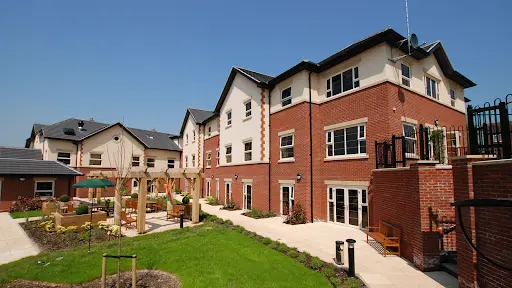
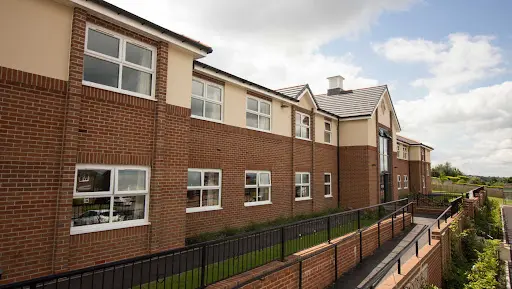
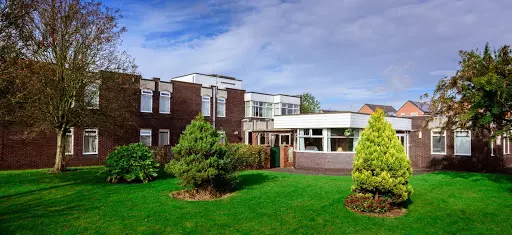
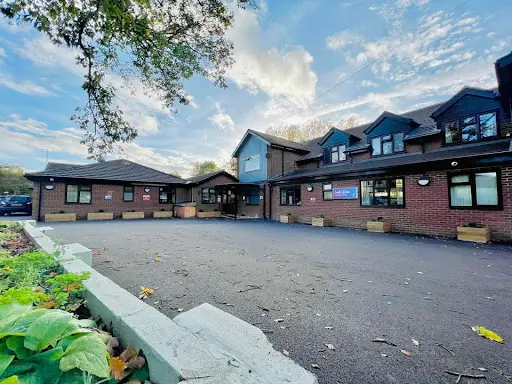
Westfield Lodge Care Home, on Weston Coyney Road in Stoke-on-Trent, was rated Good across all five inspection domains at its last inspection in February 2019. That rating represented a significant improvement from a previous Requires Improvement rating, which suggests the home identified problems and addressed them. The home has 54 beds and lists dementia, physical disabilities, and care for both older and younger adults among its specialisms. The main limitation here is that the published inspection report contains very limited specific detail: no direct observations, no quotes from residents or relatives, and no examples of practice in any domain are recorded in the available text. The rating itself is positive, but it dates from February 2019, which means it is now more than five years old. A lot can change in that time, including staffing, management, and occupancy levels. Before deciding, ask to speak to the registered manager by name, request to see the most recent staffing rota showing permanent versus agency staff on night shifts, and spend time in a communal area observing how staff interact with the people who live there.
The three questions to ask when you visitSave this home. Compare it against your shortlist.
Let our analysis show you how Westfield Lodge Care Home measures up against the other homes you’re considering. Free account.
In Their Own Words
How Westfield Lodge Care Home describes itself — collected from its own website. DCC has not edited or independently verified the content in this tab.
A care home working to bring residents together in Stoke
Westfield Lodge Care Home – Expert Care in Stoke On Trent
When families look for care in Stoke On Trent, they often worry about their loved ones becoming isolated. Westfield Lodge Care Home focuses on keeping residents engaged through activities and conversation. The home provides support for people with dementia, physical disabilities, and both younger and older adults who need care.
Who they care for
The home cares for adults of all ages, including those under 65 who need support. They have experience with dementia care and helping people with physical disabilities.
For residents with dementia, the focus on social engagement and activities can make a real difference. Staff work to keep people connected and participating in daily life.
“If you're considering Westfield Lodge, visiting in person will help you get a feel for whether it's right for your family.”
DCC does not edit or curate content in this tab. For independently curated information, see The Evidence and DCC Verdict.
The DCC Verdict
Our editorial view, built from the three lenses: what families tell us, what inspectors record, and how the home sits against good dementia-care practice.
DCC Family Score
Westfield Lodge Care Home received a Good rating across all five inspection domains in February 2019, having previously been rated Requires Improvement. Scores reflect the positive trajectory and confirmed rating, tempered by limited specific detail in the published inspection text.
Homes in West Midlands typically score 68–82.The three-lens summary
What families tell us
Families have noticed their relatives spending more time in communal areas rather than staying alone in their rooms. Some have seen real improvements in mood and alertness, with residents becoming more talkative and involved in daily life.
What inspectors have recorded
During the settling-in period, families report receiving regular updates from staff about how their relatives are adjusting. Care plans are kept current and accurate, which helps ensure everyone understands each resident's needs.
How it sits against good practice
If you're considering Westfield Lodge, visiting in person will help you get a feel for whether it's right for your family.
Worth a visit
Westfield Lodge Care Home, on Weston Coyney Road in Stoke-on-Trent, was rated Good across all five inspection domains at its last inspection in February 2019. That rating represented a significant improvement from a previous Requires Improvement rating, which suggests the home identified problems and addressed them. The home has 54 beds and lists dementia, physical disabilities, and care for both older and younger adults among its specialisms. The main limitation here is that the published inspection report contains very limited specific detail: no direct observations, no quotes from residents or relatives, and no examples of practice in any domain are recorded in the available text. The rating itself is positive, but it dates from February 2019, which means it is now more than five years old. A lot can change in that time, including staffing, management, and occupancy levels. Before deciding, ask to speak to the registered manager by name, request to see the most recent staffing rota showing permanent versus agency staff on night shifts, and spend time in a communal area observing how staff interact with the people who live there.
The three questions to ask when you visitSave this home. Compare it against your shortlist.
Let our analysis show you how Westfield Lodge Care Home measures up against the other homes you’re considering. Free account.
In Their Own Words
How Westfield Lodge Care Home describes itself — collected from its own website. DCC has not edited or independently verified the content in this tab.
A care home working to bring residents together in Stoke
Westfield Lodge Care Home – Expert Care in Stoke On Trent
When families look for care in Stoke On Trent, they often worry about their loved ones becoming isolated. Westfield Lodge Care Home focuses on keeping residents engaged through activities and conversation. The home provides support for people with dementia, physical disabilities, and both younger and older adults who need care.
Who they care for
The home cares for adults of all ages, including those under 65 who need support. They have experience with dementia care and helping people with physical disabilities.
For residents with dementia, the focus on social engagement and activities can make a real difference. Staff work to keep people connected and participating in daily life.
Management & ethos
During the settling-in period, families report receiving regular updates from staff about how their relatives are adjusting. Care plans are kept current and accurate, which helps ensure everyone understands each resident's needs.
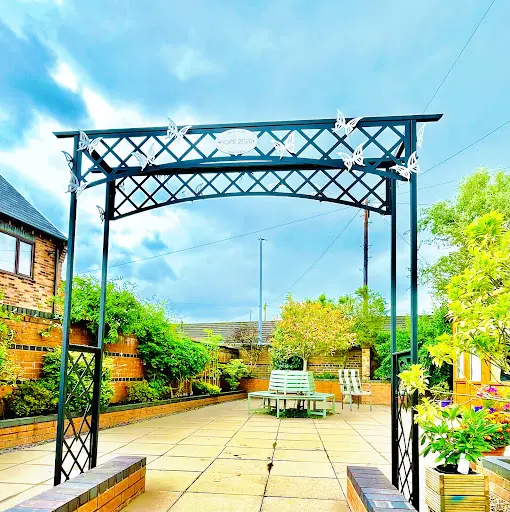
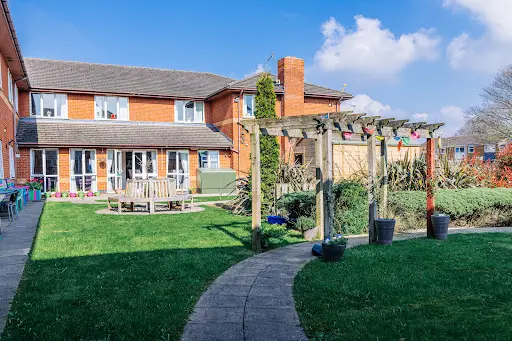
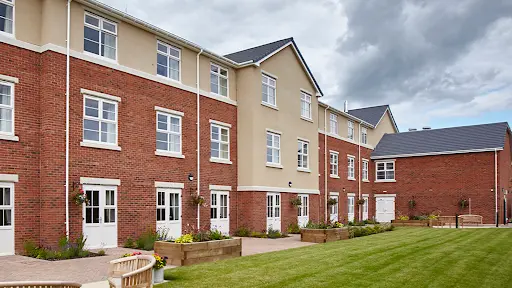
The home & environment
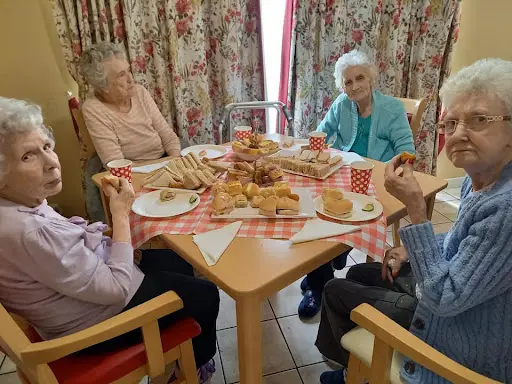
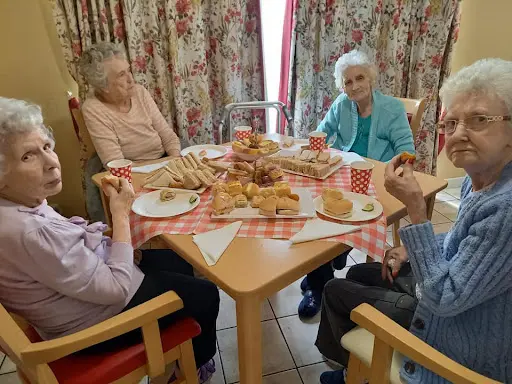
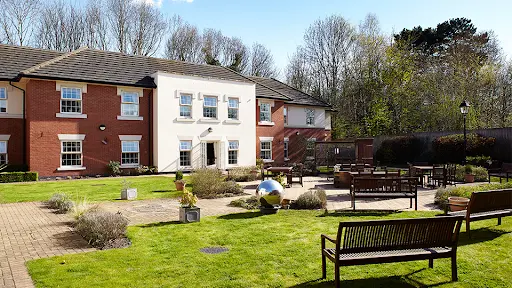
The home serves home-cooked meals, with touches like local oatcakes that residents enjoy. However, some families have raised concerns about cleanliness standards that the home will need to address.
“If you're considering Westfield Lodge, visiting in person will help you get a feel for whether it's right for your family.”
DCC does not edit or curate content in this tab. For independently curated information, see The Evidence and DCC Verdict.